11 Rose Oil Benefits for Skin Explained Simply

I've tested a lot of oils on my skin, and rose oil is one I keep coming back to. It absorbs well, smells natural, and actually does something real for my skin.
In this article, I'll cover 11 rose oil benefits for skin in a simple, honest way. No fluff. I'll also walk you through how to use it the right way, mistakes to avoid, and tips to get the best results.
I've been using plant-based oils for over five years, so I know what works and what doesn't. If you're thinking about adding rose oil to your routine, you're in the right place.
Things to Know Before Using Rose Oil
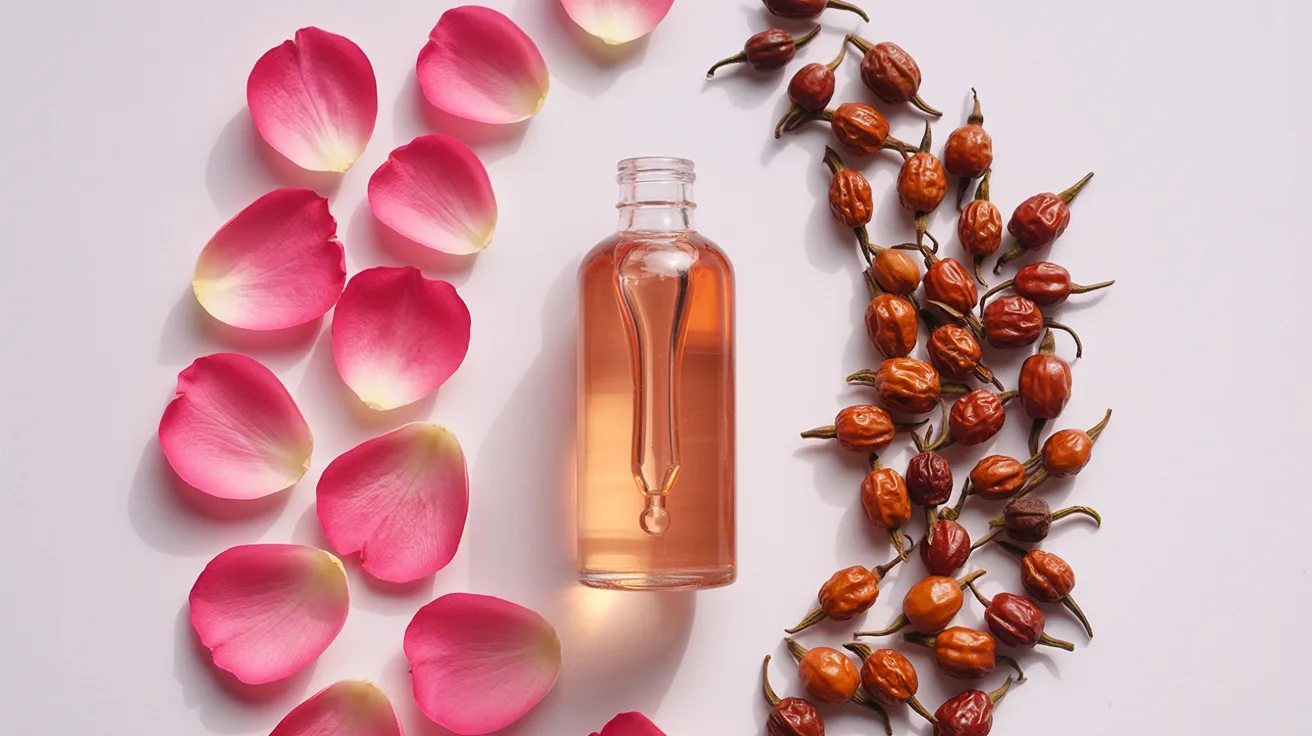
Before using rose oil, there are a few things worth knowing. Rose oil comes from rose petals, while rosehip oil comes from rose fruit seeds.
They are not the same. Rose oil is richer and more concentrated, so always check the label before buying. It works best for dry, sensitive, and mature skin.
Oily and combination skin types can use it too, but in smaller amounts. Most importantly, always do a patch test first. Put a small drop on your inner arm and wait 24 hours.
If there is no redness or itching, you are good to go.
11 Rose Oil Benefits for Skin Explained Simply
Here are the top benefits of rose oil that can make a real difference in your daily skincare routine.
1. Deeply Hydrates Dry Skin

Rose oil goes deep into the skin layers, not just the surface. It helps dry skin feel soft, full, and comfortable.
If your skin feels tight after washing, a few drops of rose oil can bring that relief back quickly. It is one of the simplest ways to give dry skin what it actually needs.
2. Locks in Long-Lasting Moisture

Rose oil helps your skin hold onto water for longer periods. Apply it on slightly damp skin right after cleansing for the best results.
Your skin stays hydrated for hours without feeling greasy. This makes it a great addition to both morning and night routines.
3. Boosts Natural Skin Glow
Regular use of rose oil gives your skin a natural, healthy look from the inside out. It is not a shimmer product. It is a real glow that comes from well-nourished skin.
Your face looks refreshed and healthy, even on the most tired days.
4. Helps Reduce Acne Scars

Rose oil contains compounds that slowly fade dark spots and old acne marks over time. It supports skin cell renewal, which lightens discoloration steadily.
Results are not overnight, but they are visible with consistent use. Patience is key here.
5. Supports Acne-Prone Skin Balance

Rose oil has antibacterial properties that help keep pores cleaner. When used in small amounts, it helps balance oil production rather than adding more oil.
It is a gentle option even for breakout-prone skin. Start slow and see how your skin responds.
6. Calms Redness and Inflammation

Rose oil has natural anti-inflammatory properties that soothe irritated skin quickly. If your skin turns red from weather, stress, or product reactions, rose oil can calm it down.
It works without any harsh chemicals and is gentle enough for sensitive skin types.
7. Improves Uneven Skin Tone
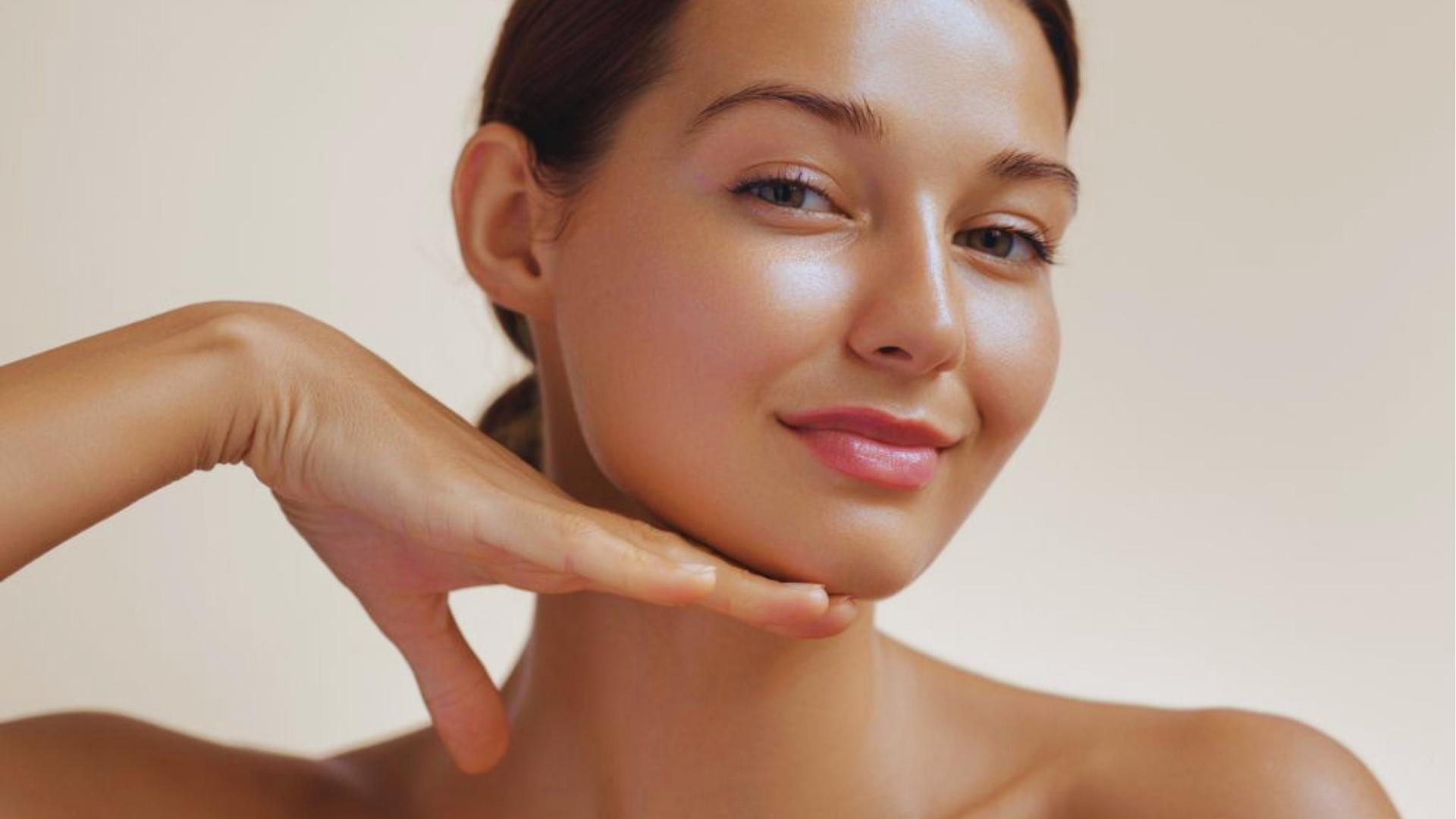
Rose oil supports healthy cell turnover, which helps even out skin tone over time. Dull patches and areas of discoloration become less noticeable with regular use.
It is a simple, gentle way to work toward more even-looking skin. Consistency makes all the difference here.
8. Helps Smooth Fine Lines
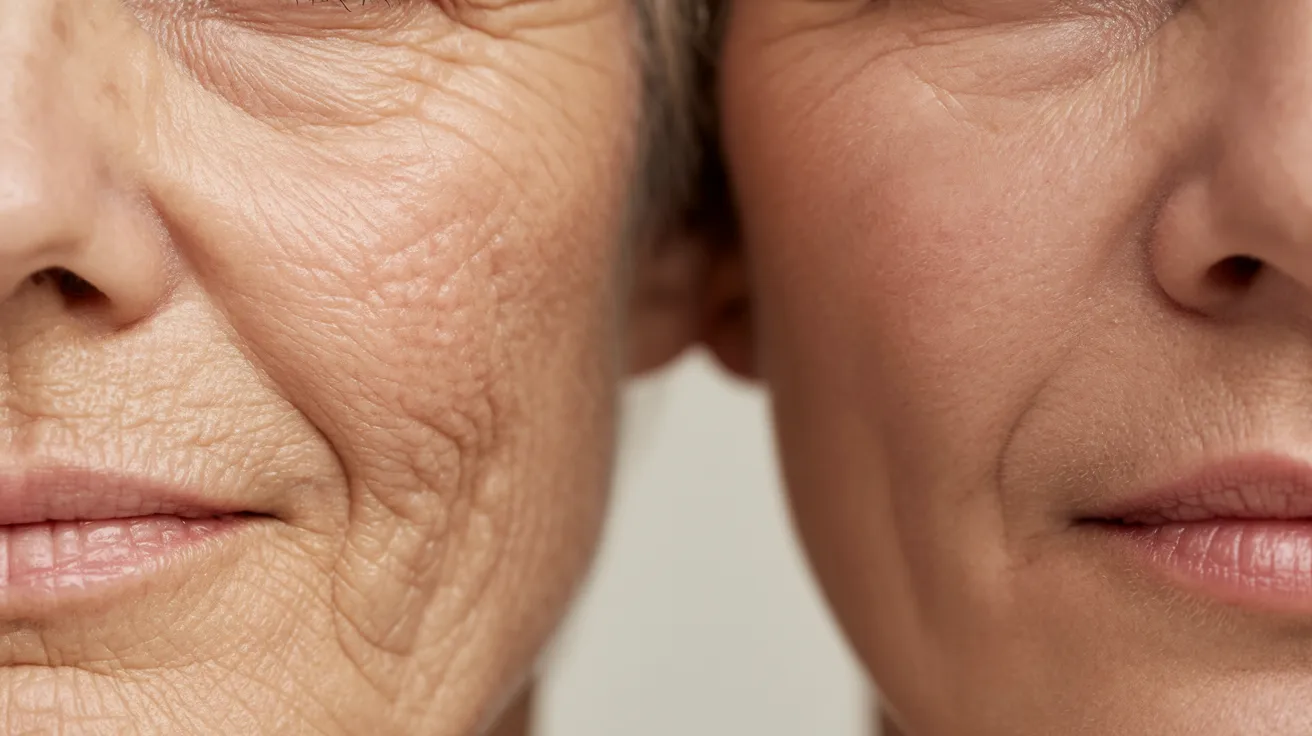
Rose oil is rich in antioxidants that protect skin from damage that leads to fine lines. With regular use, skin starts to look smoother and more even over time.
It is not a quick fix, but the results build up steadily. Patience and daily use go a long way.
9. Supports Collagen Production
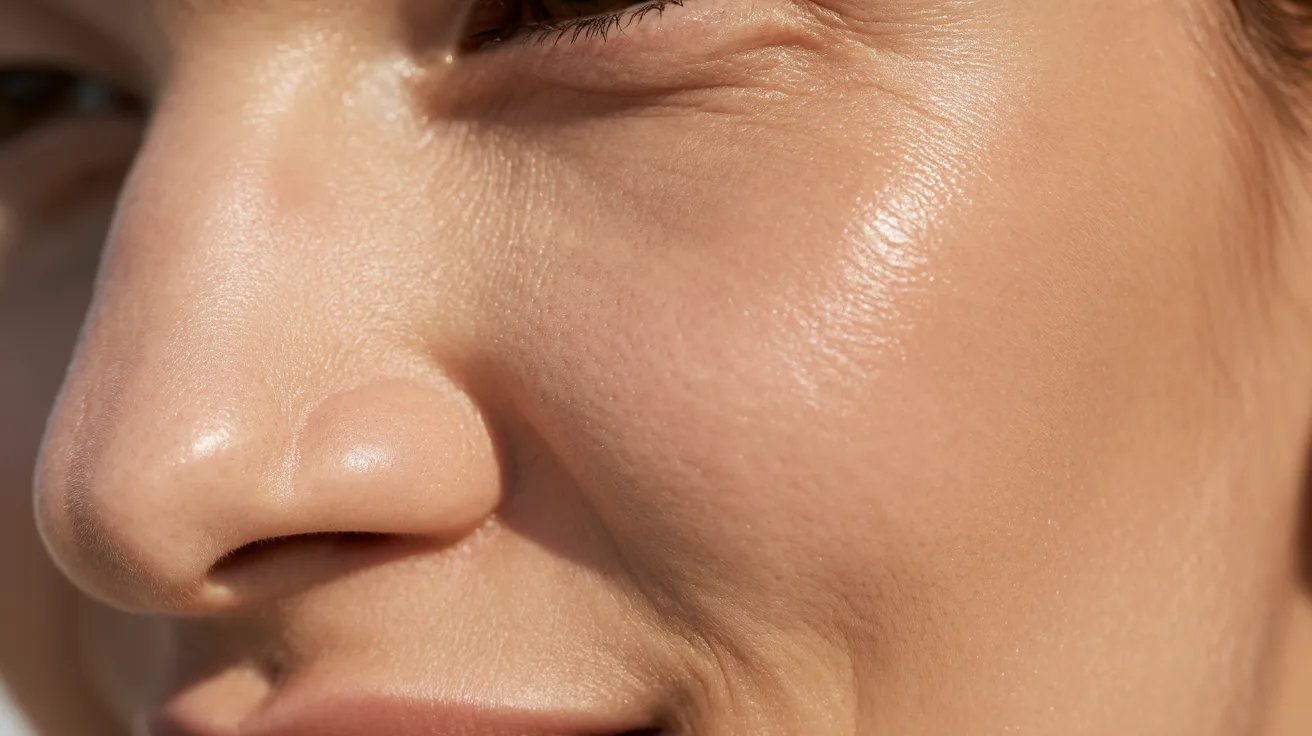
Collagen keeps skin firm and bouncy. Rose oil contains vitamins that support the body's natural collagen-making process. Over time, this makes skin feel fuller and look more youthful.
It is a natural way to support skin firmness without any harsh ingredients.
10. Aids Skin Repair and Regeneration

Skin does most of its repair work at night. Rose oil supports this natural healing process by helping damaged cells recover faster and encouraging new healthy cells to grow.
This is why it works so well as a nighttime treatment. Your skin wakes up looking better with regular use.
11. Protects Against Environmental Damage

Pollution and UV exposure break down skin cells over time. The antioxidants in rose oil act as a protective layer against free radical damage.
Regular use helps keep skin healthier and slows down visible aging caused by daily environmental exposure. It is a simple way to give your skin extra daily protection.
How to Use Rose Oil in Your Skincare Routine
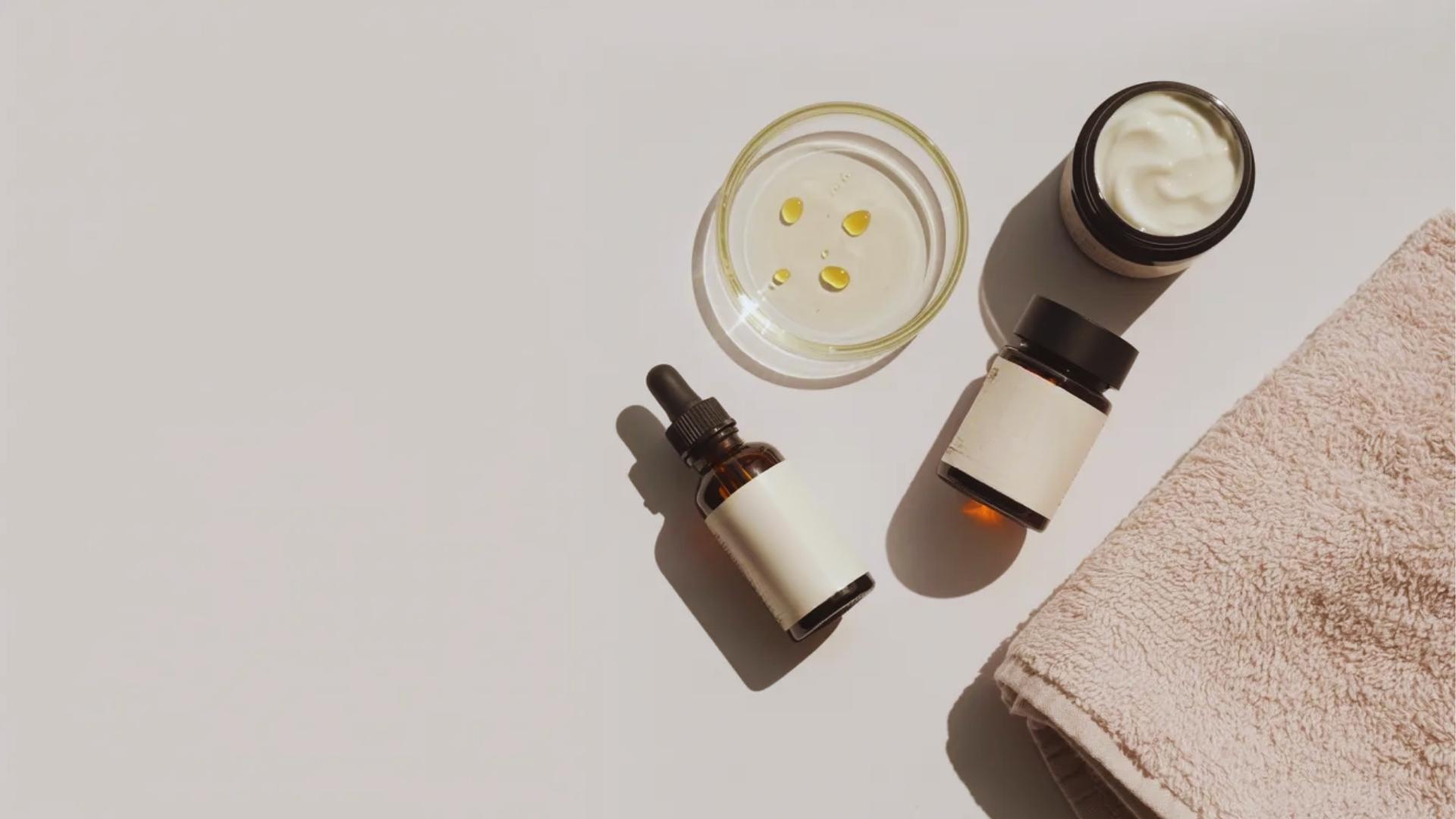
Simple steps to add rose oil to your daily routine without overdoing it.
Best Time to Apply Rose Oil
Nighttime is the best time. Skin repairs itself while you sleep, so rose oil works harder then. You can also use it in the morning, but apply sunscreen on top if you do.
How to Layer with Moisturizer or Serum
Apply rose oil after your serum and before your moisturizer. This order helps seal in the active ingredients underneath. If you prefer, mix one drop of rose oil into your moisturizer and apply together.
How Often to Use it Safely
Start with three times a week. Watch how your skin responds. If it feels good, you can move to daily use. Less is more with rose oil. A few drops go a long way.
Common Mistakes to Avoid With Rose Oil
Small errors can reduce results. Here is what to watch out for.
Using Too Much Oil
More does not mean better. Too much rose oil can clog pores and leave skin greasy. Stick to two to three drops per use. That is enough to cover your full face and neck.
Applying Without Patch Testing
Skipping the patch test is risky. Even natural oils can cause reactions. A quick 24-hour test saves you from breakouts or irritation on your face.
Ignoring Skin Type Suitability
Rose oil is not for everyone in the same way. Very oily skin may not need it daily. Check how your skin feels after use and adjust from there.
Tips Before Using Rose Oil on Your Skin
A few simple habits that make your rose oil results much better.
- Always patch the test on your inner arm first. Wait 24 hours before applying rose oil to your face.
- Choose cold-pressed, pure rose oil only. Avoid blends with added fragrance, fillers, or extra ingredients on the label.
- Use just two to three drops per use. Apply gently and let it fully absorb before your next step.
- Never layer rose oil with AHA or BHA on the same night. Use them on separate days to avoid irritation.
- Store rose oil in a cool, dark place. Heat and sunlight break it down and reduce its effectiveness over time.
Conclusion
I started using rose oil when my skin felt dry and dull, and honestly, it surprised me. Small changes, steady results. That is what this oil does. It is simple, gentle, and worth trying.
Start slowly, patch test, and use just a few drops to see how your skin responds. I hope this guide on rose oil benefits for skin helped you feel more confident about taking that first step.
If you have questions or want to share your experience, drop a comment below. I would love to hear from you.
Frequently Asked Questions
Can rose oil be used on oily skin?
Yes, but use it sparingly. One to two drops, a few times a week, is enough for oily skin. It can help balance oil production when used correctly.
Is rose oil safe to use around the eyes?
Avoid direct contact with eyes. You can apply it gently around the eye area, but keep it away from the eyelids. Always use a small amount.
How long does it take to see results from rose oil?
Most people notice softer skin within one to two weeks. For concerns like scars or uneven tone, give it four to six weeks of consistent use.
Can I mix rose oil with my regular moisturizer?
Yes. Add one drop to your moisturizer before applying. This makes it easier to spread and reduces the chance of using too much.
Should I use rose oil in the morning or at night?
Nighttime is better for deeper repair. If you use it in the morning, always follow with sunscreen to protect your skin during the day.