Why Does My Skin Feel Tight? Skincare Causes Revealed


My skin used to feel tight after every wash. I thought it was normal. It is not. Why does my skin feel tight? That question has a real answer, and this article gives it to you clearly.
I have spent years studying skin health and helping people fix this exact problem.
In this blog, I cover what causes that pulled, uncomfortable feeling, how your skincare routine might be making it worse, and simple fixes that actually work.
Tight skin is a warning sign. It means something is off with your skin barrier or moisture levels. The good news? Once you know the cause, fixing it is straightforward.
Understanding Hydration vs Moisturization

Most people confuse hydration and moisturization, but they are very different things. Hydration means water inside your skin cells. When skin lacks water, it feels tight and looks dull.
Moisturizers seal that water in by creating a light layer on top that slows water loss. Without hydration, there is nothing to lock in. Without moisturizer, water evaporates quickly.
Both steps work together. Skipping one leads to that tight, uncomfortable feeling no matter how much of the other you use. Getting this balance right is the first real step toward skin that feels comfortable all day.
Environmental Triggers That Make Skin Feel Tight

Outside conditions affect your skin more than most people realize.
Cold Weather and Low Humidity Effects
Cold air holds less moisture. When humidity drops, your skin loses water faster. This is why skin often feels tighter in winter. The skin barrier works harder but still falls behind.
Indoor Heating and Air Conditioning
Heating and cooling systems dry out indoor air. Sitting in a heated room all day pulls moisture from your skin. Air conditioning does the same thing in summer. Your skin is fighting dryness from inside and outside.
Pollution and Sun Exposure Damage to the Barrier
Pollution and UV rays break down the outer layer of skin. This makes it harder for skin to hold moisture. Over time, the barrier weakens and tightness becomes a daily issue.
Skin Barrier Damage The Root Cause of Persistent Tightness
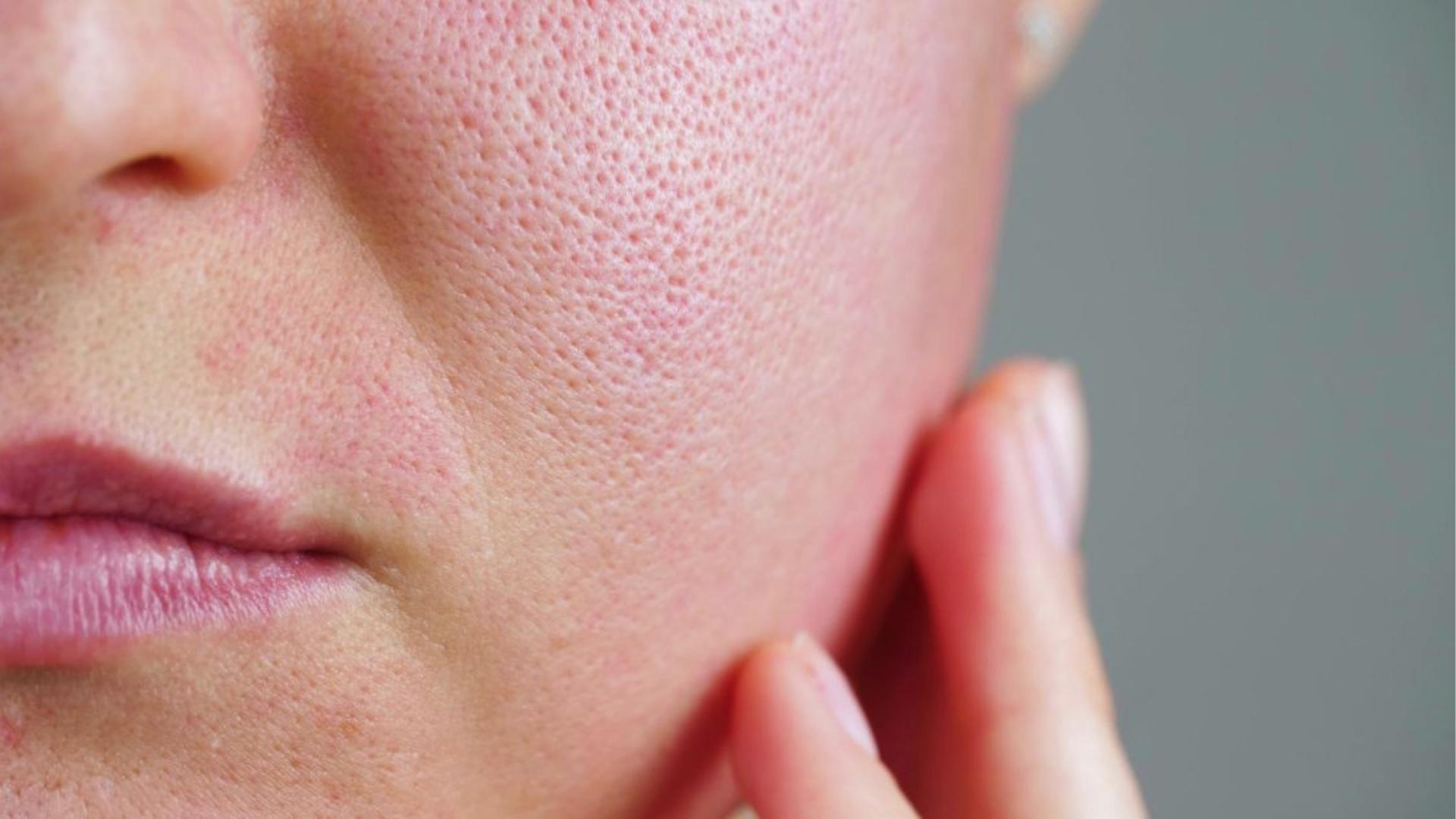
A damaged barrier is behind most cases of long-term skin tightness.
How a Weakened Barrier Loses Moisture
The skin barrier is like a wall of bricks. When it is healthy, water stays in. When it is damaged, water escapes easily. This is called transepidermal water loss. Tight skin is often a sign this is happening.
Signs Your Skin Barrier Is Compromised
Watch for these signs
- Skin feels tight even right after moisturizing
- Redness or flaking appears often
- Products sting or burn more than usual
- Skin reacts badly to things it used to tolerate
Why Tightness Often Comes With Sensitivity and Irritation
A weak barrier does not just lose moisture. It also lets irritants in. This is why tight skin often comes with redness, stinging, or breakouts. Fixing the barrier fixes both problems.
Lifestyle and Internal Factors Behind Tight Skin

What happens inside your body shows up on your skin.
Aging and Reduced Natural Oil Production
As you age, oil glands slow down. Less oil means less natural protection for the skin. This is why older skin tends to feel drier and tighter, especially without a good skincare routine.
Medications That Can Cause Dryness
Some medications list dry skin as a side effect. Acne treatments, antihistamines, and certain blood pressure drugs can all reduce moisture in the skin.
If tightness started after a new medication, that could be the cause.
Skin Conditions Linked to Dryness and Tightness
Eczema, psoriasis, and rosacea all affect how the skin holds moisture. If your tightness comes with visible skin changes, it is worth checking with a dermatologist.
Common Skincare Causes of Tight Skin

Your daily routine could be the main reason your skin feels this way.
Over-Cleansing and Stripping Natural Oils
Washing your face too often removes the natural oils your skin needs. These oils are not bad. They protect and seal the skin. Over-cleansing leaves skin exposed and dry.
Using Harsh or Drying Cleansers
Many cleansers contain sulfates and alcohol that are too strong for daily use. They clean the skin but also strip away everything helpful.
After washing, if your skin feels tight right away, your cleanser is likely the problem.
Hot Water Exposure and Moisture Loss
Hot showers feel great but damage skin. Hot water breaks down the skin's lipid layer. This leads to moisture loss and that familiar tight feeling after every shower.
Skipping Hydration Steps in Your Routine
Jumping straight from cleanser to moisturizer skips an important step. A hydrating toner or serum adds water to the skin before you seal it in. Without it, there is less moisture to work with.
Overusing Active Ingredients Like Acids or Retinoids
Acids and retinoids are powerful. Used too often, they thin the skin barrier and cause dryness. If you are using them daily and your skin feels tight, cut back to a few times a week.
Simple Fixes to Reduce Skin Tightness

Small changes in your routine can make a big difference quickly.
Switching to Gentle, Non-Stripping Cleansers
Look for cleansers labeled as gentle, hydrating, or for sensitive skin. Cream and gel cleansers with no sulfates are a good starting point. Your skin should not feel tight right after washing.
Adding Hydration Before Moisturization
Use a hydrating toner, mist, or serum before your moisturizer. Ingredients like hyaluronic acid or glycerin pull water into the skin. Apply moisturizer right after to lock it in.
Using Lukewarm Water Instead of Hot Water
Switch to lukewarm water for face washing and showers. It cleans just as well without stripping the barrier. This one change alone can reduce tightness within days.
Supporting the Skin Barrier With Daily Sunscreen
Sunscreen protects the barrier from UV damage every day. Use it even on cloudy days. A damaged barrier is harder to repair, so prevention matters.
Avoiding Over-Cleansing and Product Overload
Stick to a simple routine. Cleanser, hydrating step, moisturizer, sunscreen. That is enough for most people. More products do not always mean better skin.
Tips to Prevent Skin From Feeling Tight Again
Keeping skin comfortable long-term takes consistency, not complexity.
- Do not skip your hydrating step, even when skin feels fine. Daily consistency builds a stronger barrier over time.
- Limit exfoliation to once or twice a week. Your skin needs time to recover between treatments.
- Avoid long hot showers. They strip the skin barrier faster than most people realize.
- Use a humidifier indoors during dry or cold months to keep moisture levels stable.
- Wear sunscreen every day, not just when it is sunny. UV damage weakens the barrier slowly over time.
- Keep your routine simple and steady. What you do every day matters far more than occasional effort.
Conclusion
Tight skin is not something you have to live with. Once I understood what was causing it, fixing it became much easier. Start with your cleanser. Add hydration. Be gentle.
Why does my skin feel tight? Now you know the answer. Take one small step today, whether that is switching your cleanser or adding a hydrating serum.
If this helped, leave a comment below or share it with someone who has the same problem. More skin tips are waiting for you on this blog.
Frequently Asked Questions
Why does my skin feel tight after washing my face?
Your cleanser may be stripping the skin's natural oils. Switching to a gentle, sulfate-free cleanser and using lukewarm water usually helps.
Can drinking more water fix tight skin?
Drinking water supports overall health but is not enough on its own. You also need topical hydration and a good moisturizer to keep skin comfortable.
Is tight skin a sign of a damaged skin barrier?
Yes, it often is. A weakened barrier loses moisture quickly. Tightness paired with sensitivity or redness is a strong sign the barrier needs support.
How often should I moisturize to stop skin from feeling tight?
Twice a day is ideal, once in the morning and once at night. Apply while skin is still slightly damp for the best results.
Can active ingredients like retinol cause tight skin?
Yes. Overusing retinoids or acids breaks down the skin barrier over time. Reducing frequency and adding more hydration usually solves the problem.