Does Collagen Cause Acne? Expert Opinion Guide


Collagen supplements are everywhere right now. And for good reason – they support skin, joints, and more.
But a question I keep seeing is: does collagen cause acne?
If you’ve noticed breakouts after starting collagen, you’re not alone. I’ve looked into science and spoken to expert opinions to give you a clear answer.
In this guide, I’ll cover what collagen does, why it may trigger acne in some people, and how to use it without wrecking your skin.
Over five years of researching skincare has shaped everything I share here.
Understanding Collagen and Its Role in Skin Health
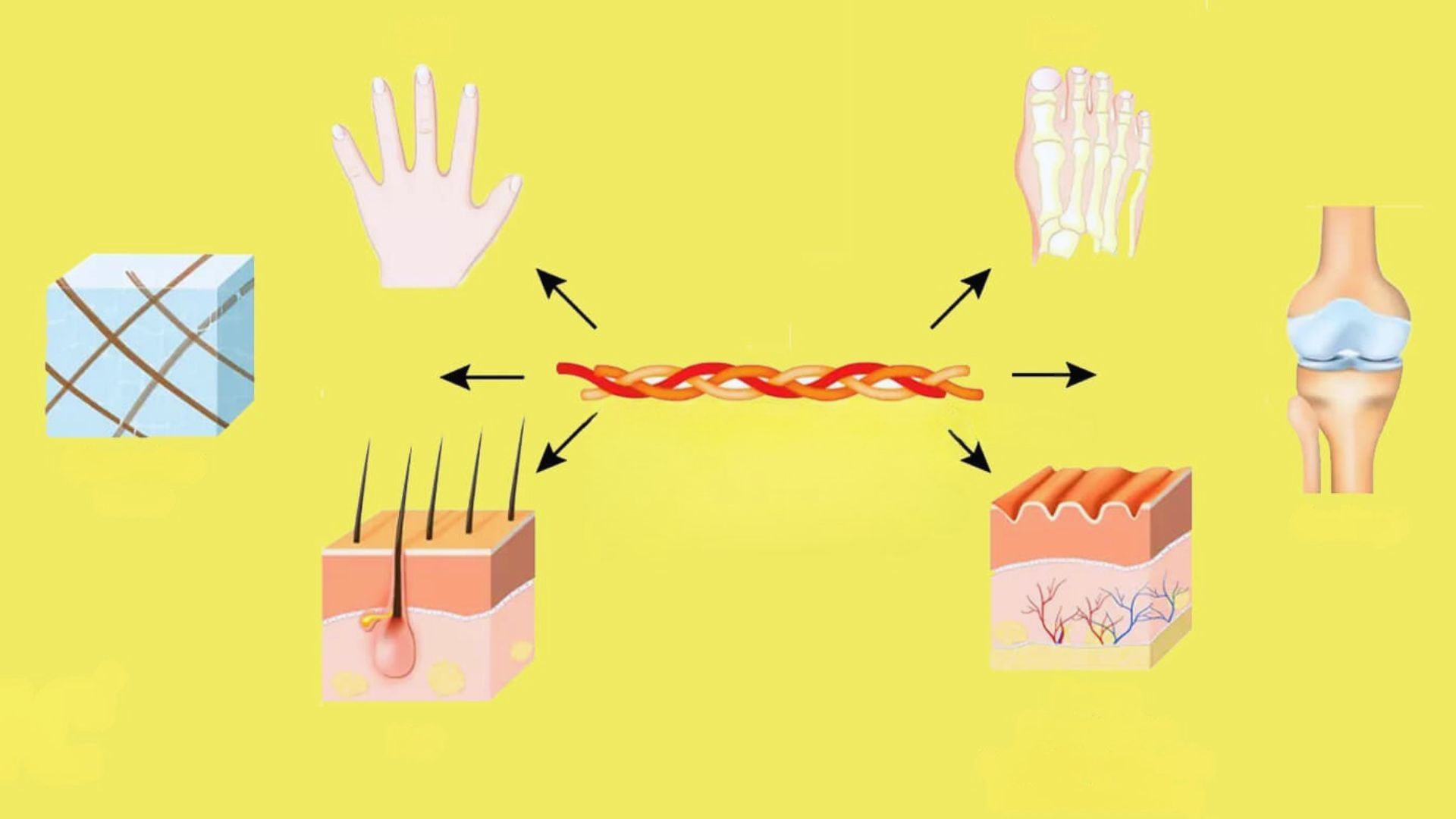
Collagen is the most common protein in your body. It keeps your skin firm, supports elasticity, and slows down sagging as you age.
Your body produces it naturally, but levels start dropping in your mid-20s. Most supplements use Type I, II, or III collagen.
Type I targets skin, hair, and nails. Type II supports joints. Type III works alongside Type I for skin and organ health.
You’ll also find two main sources: marine collagen (from fish) and bovine collagen (from cows).
Marine collagen absorbs faster due to its smaller molecules, while bovine is more affordable and widely used.
Does Collagen Cause Acne? What Science and Experts Say
Here’s what the research actually shows – no fluff, just facts.
Is There Scientific Evidence Linking Collagen to Acne?
Right now, there’s no direct scientific evidence that collagen causes acne. No study has confirmed a clear cause-and-effect link between taking collagen and getting breakouts.
That said, some people do report acne after starting collagen. The key word here is indirect. Collagen itself isn’t the villain – but certain factors tied to how you take it can be.
Does Collagen Cause Acne Breakouts in Some People?
Yes, for some people. And it varies a lot. Some experience a few small pimples in the first couple of weeks, which clear up on their own.
Others with sensitive skin or existing acne may notice more persistent breakouts.
The response is highly individual. It depends on your skin type, gut health, and the quality of the supplement you’re using.
Why Does Collagen Cause Acne in Some Individuals?

Several underlying reasons can explain why collagen and acne sometimes show up together.
Excess Collagen Intake and Skin Reactions
Taking too much collagen too fast can overload your digestive system.
When your gut struggles to break down protein efficiently, it can trigger inflammation – and inflammation is a major driver of acne. More doesn’t always mean better.
Poor Supplement Quality and Additives
Not all collagen supplements are clean. Many cheaper products contain added sugars, artificial sweeteners, or fillers.
These extras can spike insulin levels and feed acne-causing bacteria on your skin. Always read the label.
Gut Health and the Acne Connection
Your gut and skin are more connected than most people realize. If your gut isn’t in good shape, adding a high-protein supplement like collagen can cause digestive stress.
This often shows up as inflammation on your skin, including breakouts. A healthy gut means better collagen absorption and fewer side effects.
Allergies and Sensitivities to Collagen Sources
Some people are sensitive to specific collagen sources. If you’re allergic to fish, marine collagen can cause a reaction that shows up as skin irritation or acne.
Similarly, those with dairy sensitivities may react to certain bovine collagen products. Knowing your sensitivities before choosing a product matters.
Does Collagen Cause Acne Breakouts or Worsen Existing Acne?
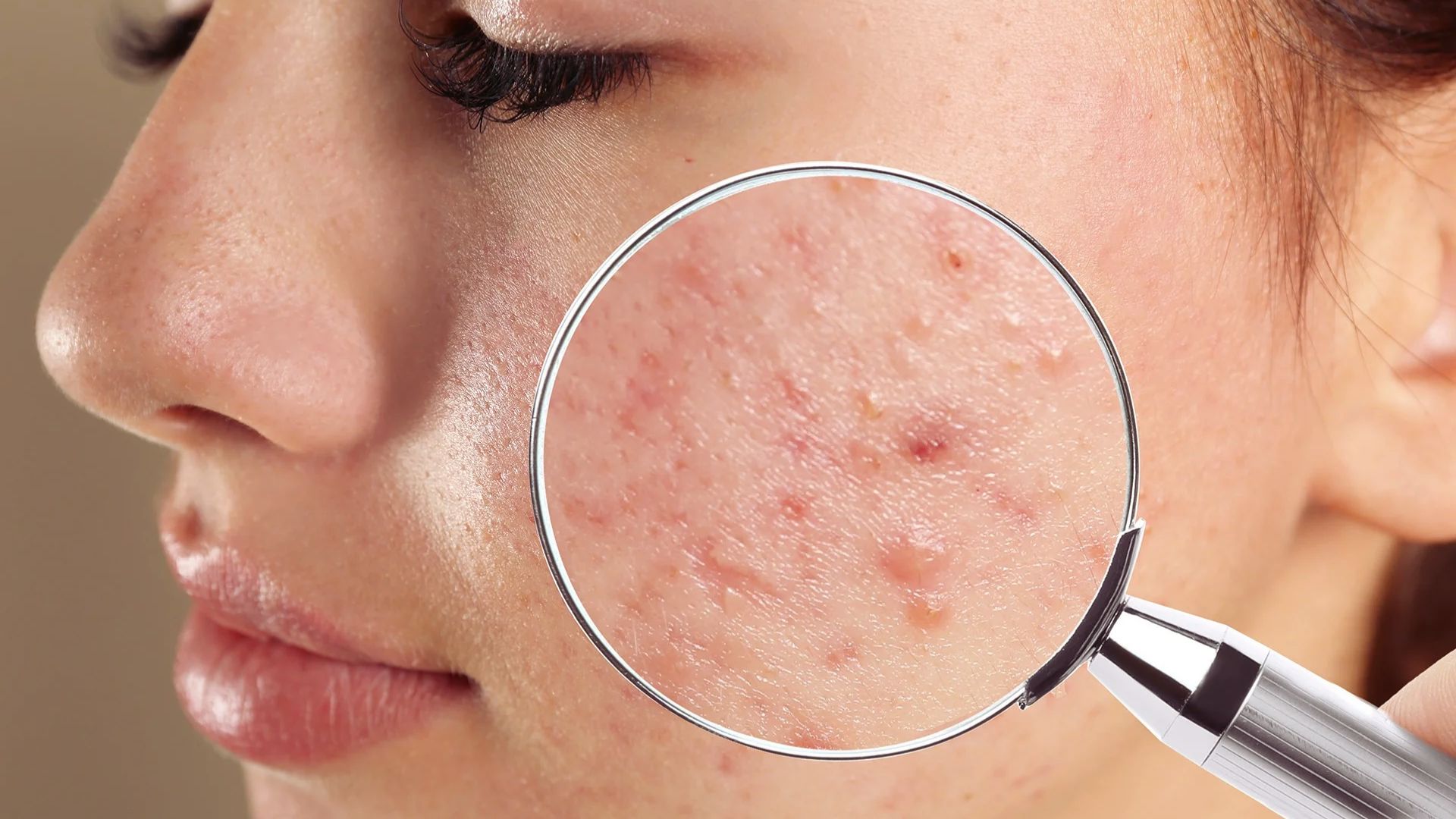
There’s a difference between triggering new acne and making existing acne worse – both matter.
Acne Trigger vs Acne Aggravation
Collagen is more likely to aggravate existing acne than create new breakouts from scratch.
If your skin is already inflamed or your pores are clogged, the digestive load from collagen may push things over the edge. For someone with clear skin, the risk is lower.
Who Is More Likely to Experience Collagen Acne?
People with acne-prone skin are at higher risk. So are those with sensitive digestion or known food sensitivities.
If you have a history of hormonal acne or irritable bowel issues, collagen may not sit well with your system – at least not in large amounts.
Does the Form of Collagen Matter?
Yes, it can. Collagen comes in powders, capsules, liquids, and gummies. Gummies often contain added sugars and artificial ingredients that can spike insulin and worsen acne.
Powders and capsules with clean ingredients are generally a better option for acne-prone skin.
How to Identify If Collagen Is Causing Your Acne
Pinpointing the cause of breakouts isn’t always easy, but here’s a simple way to find out.
Signs Your Breakouts Are Linked to Collagen
Timing is the biggest clue. If breakouts appear two to four weeks after starting collagen, that’s a red flag worth paying attention to.
You might also notice changes in skin texture – more oiliness, clogged pores, or small bumps in areas that were previously clear.
Elimination and Reintroduction Method
The simplest test: stop taking collagen for three to four weeks. If your skin clears up, that’s a strong sign collagen was involved.
Wait until your skin stabilizes, then reintroduce it at a smaller dose. Watch closely. If breakouts return, you have your answer.
Expert Tips to Prevent Collagen-Induced Acne
Small changes in how you take collagen can make a big difference for your skin.
- Start with half the recommended dose and increase slowly over two to three weeks
- Pick hydrolyzed collagen with no added sugars, artificial flavors, or fillers
- Always check for third-party testing on the label before buying
- Take a probiotic daily to support gut health and better collagen absorption
- Drink enough water throughout the day to help your body process collagen
- Cut back on processed foods and refined sugar while taking collagen
- Get enough sleep and keep stress in check – both directly affect your skin
Conclusion
So, does collagen cause acne? Not directly. But it can be an indirect trigger for some people – especially if the quality is low, the dose is too high, or gut health is off.
I’ve seen this play out with readers and in my own research. The key is to start slow, choose clean products, and listen to your skin.
If something feels off, stop and reassess. Drop a comment below – I’d love to know how collagen has worked for you!
Frequently Asked Questions
Does collagen cause acne in everyone?
No, it doesn’t. Most people tolerate collagen well. Only a small group notices breakouts, usually due to supplement quality, gut issues, or sensitivities.
How long do collagen breakouts last?
In most cases, breakouts from collagen clear up within two to four weeks as your body adjusts. If they persist, stop use and reassess.
Can I take collagen if I have acne-prone skin?
Yes, but with caution. Start with a low dose, pick a clean supplement, and monitor your skin closely over the first few weeks.
Does marine collagen cause less acne?
It can, for some people. Marine collagen is easier to absorb and contains fewer additives in many products. But if you’re sensitive to fish, it may still cause a reaction.
What type of collagen is best for acne-prone skin?
Type I hydrolyzed collagen from a clean source, with no added sugars or artificial ingredients, is generally the safest option for acne-prone skin.