What Does SPF Stand For? The Truth About Sunscreen

I grabbed sunscreen for years without once questioning what the label actually meant. Then a dermatologist asked me a simple question during a routine visit.
She asked if I knew what does SPF stand for. I went completely blank. That moment pushed me to actually learn how sunscreen works, and what I found out was genuinely eye-opening.
Most people are applying it wrong, choosing the wrong number, and skipping it on the days it matters most.
If you have ever stood in the skincare aisle feeling confused and unsure, this is exactly what you need to read before picking up another bottle.
What Does SPF Stand For?

SPF stands for Sun Protection Factor. It measures how well a sunscreen protects your skin from UVB rays, the type of radiation that causes sunburn.
The number tells you how much longer you can stay in the sun before burning compared to bare skin. SPF 30 gives you roughly 30 times more protection than no sunscreen at all.
SPF only measures UVB protection. It says nothing about UVA rays, which go deeper into the skin and cause aging and long-term damage.
That is why broad-spectrum sunscreen matters. It covers both UVA and UVB rays, giving you more complete protection than SPF alone can indicate.
Why SPF Is Important for Your Skin

Sun damage builds up quietly over time, and most of it happens on ordinary days, not just beach trips.
Daily SPF use prevents sunburn and slows premature aging. UV rays break down collagen, which leads to fine lines and sagging skin over time.
Repeated UV exposure without protection significantly raises your skin cancer risk. Dermatologists consistently rank SPF as one of the most important steps in prevention.
Dark spots and hyperpigmentation also worsen with sun exposure. Even indoors, UVA rays pass through glass, so sitting near a window still counts as sun exposure.
How SPF Works in Sunscreen
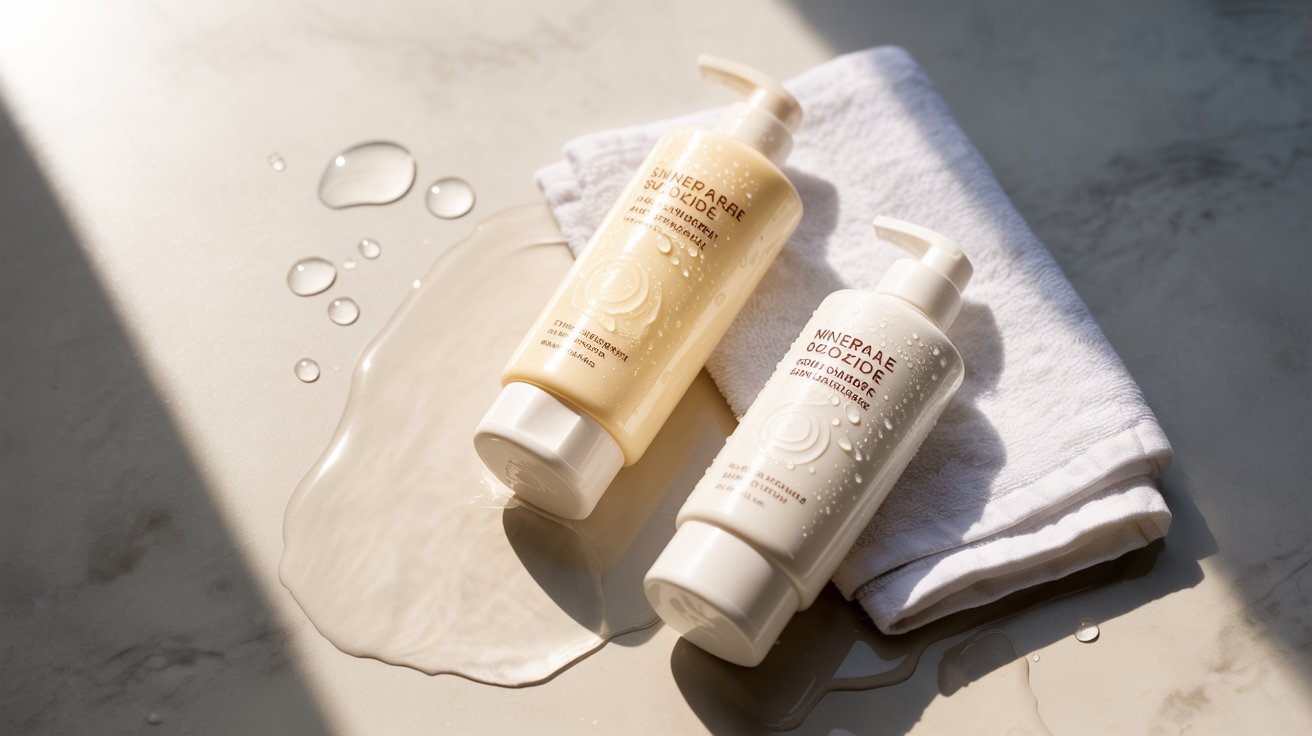
Sunscreen uses active ingredients that either absorb or physically block UV rays before they damage your skin cells.
Chemical sunscreens absorb UV radiation and release it as heat. They feel lightweight and blend in easily, making them popular for daily use.
Mineral sunscreens use zinc oxide or titanium dioxide to reflect UV rays off the skin. They work immediately after application and suit sensitive skin well.
Reapplication is not optional. Sweat, swimming, and friction all break down sunscreen over time. Every two hours is the standard rule.
Is Higher SPF Always Better?

SPF 30 blocks about 97% of UVB rays. SPF 50 blocks around 98%. SPF 100 reaches roughly 99%. The difference between them is far smaller than the numbers suggest.
Very high SPF products often create a false sense of security. People apply less and skip reapplication, which reduces real-world protection more than the extra SPF makes up for.
Most dermatologists recommend SPF 30 for daily use and SPF 50 for extended outdoor time. Applying correctly and reapplying often matters more than chasing a higher number.
How to Choose the Right SPF for Daily Use
Picking the right SPF depends on your skin type, lifestyle, and how much time you spend outside. The number is just one part of the decision.
Here is a simple breakdown:
- Mostly indoors, dry or normal skin: SPF 30 broad-spectrum moisturizer works well for daily use
- Oily or acne-prone skin: Look for oil-free or gel-based SPF formulas that will not clog pores
- Sensitive skin: Mineral sunscreens with zinc oxide are gentler and less likely to cause irritation
- Outdoor sports or long sun exposure: SPF 50 water-resistant formula, reapplied every 90 minutes
- Beach or pool days: Water-resistant SPF 50 is the minimum, reapply after every swim
- Darker skin tones: SPF is still necessary. UV damage and skin cancer risk exist across all skin tones
Applying the right amount matters just as much as the number. Most people use far less than recommended, which cuts actual protection significantly.
Common SPF Myths People Still Believe
A lot of bad information about sunscreen gets repeated so often that it starts to sound true. These are the ones worth knowing about.
- "Cloudy days are safe": Up to 80% of UV rays pass through clouds
- "Darker skin does not need SPF": Melanin offers some protection, but not enough to skip sunscreen
- "One application lasts all day": Sunscreen breaks down with sweat, time, and friction
- "Makeup SPF is enough": You would need to apply far more foundation than anyone does to reach the listed SPF
- "Higher SPF means all-day protection": No SPF lasts all day without reapplication
Skin damage is cumulative. Believing any of these myths long-term leads to real consequences.
How to Apply Sunscreen Properly
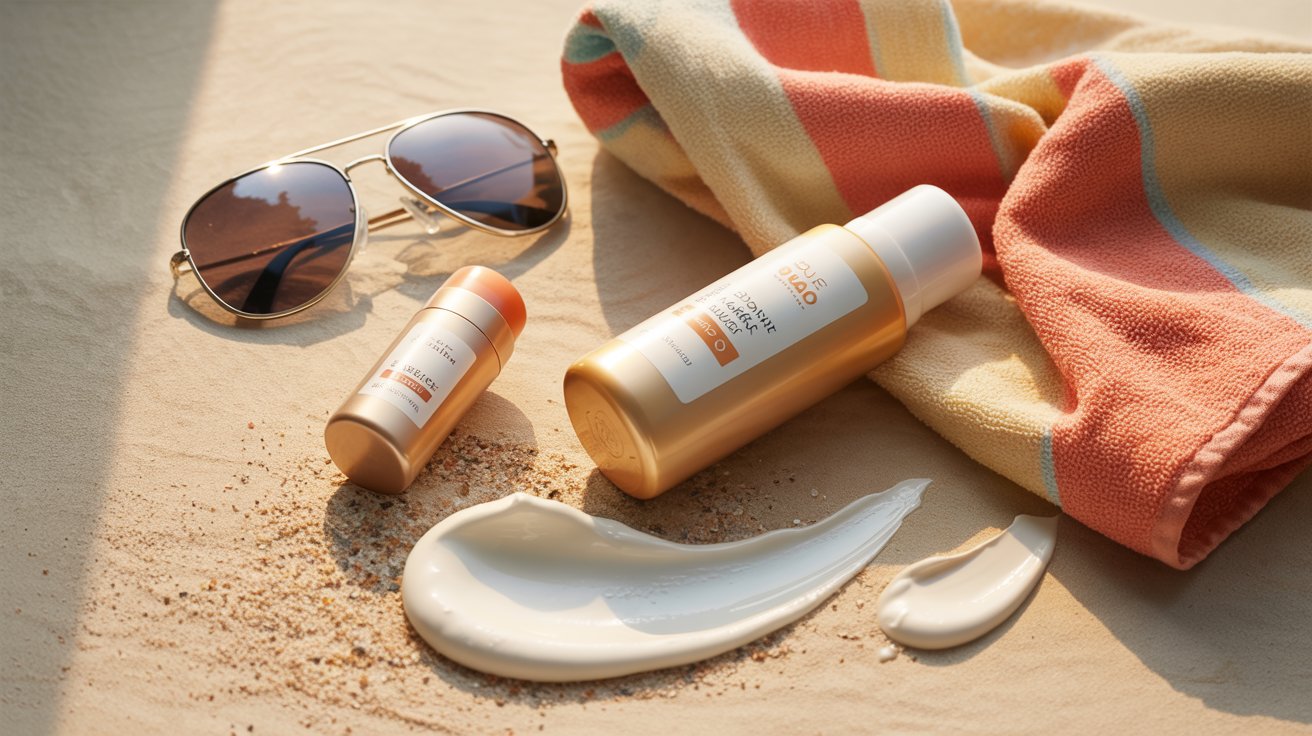
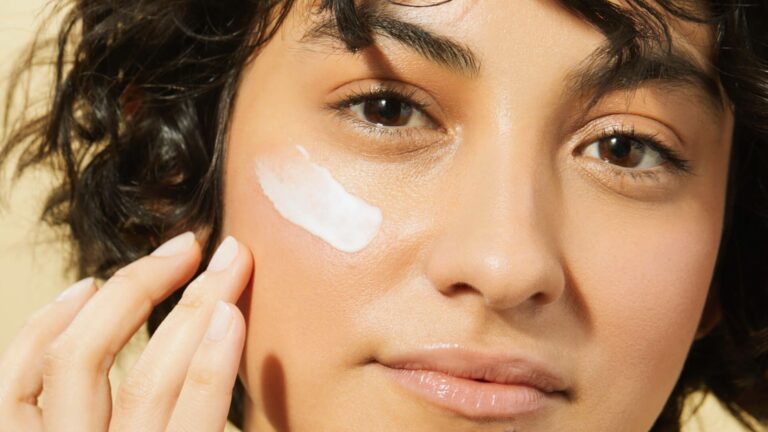
Use about a nickel-sized amount for your face and roughly one ounce for your full body. Using less than that cuts your actual SPF protection significantly.
Apply 15 to 20 minutes before going outside so chemical sunscreens have time to activate. Mineral sunscreens work right away, but the habit is worth keeping.
Reapply every two hours, or right after swimming or heavy sweating. Common spots people miss include ears, the back of the neck, tops of feet, and lips.
A lip balm with SPF is worth adding to your routine. Lips have no melanin and are especially vulnerable to UV damage.
SPF in Makeup and Skincare Products
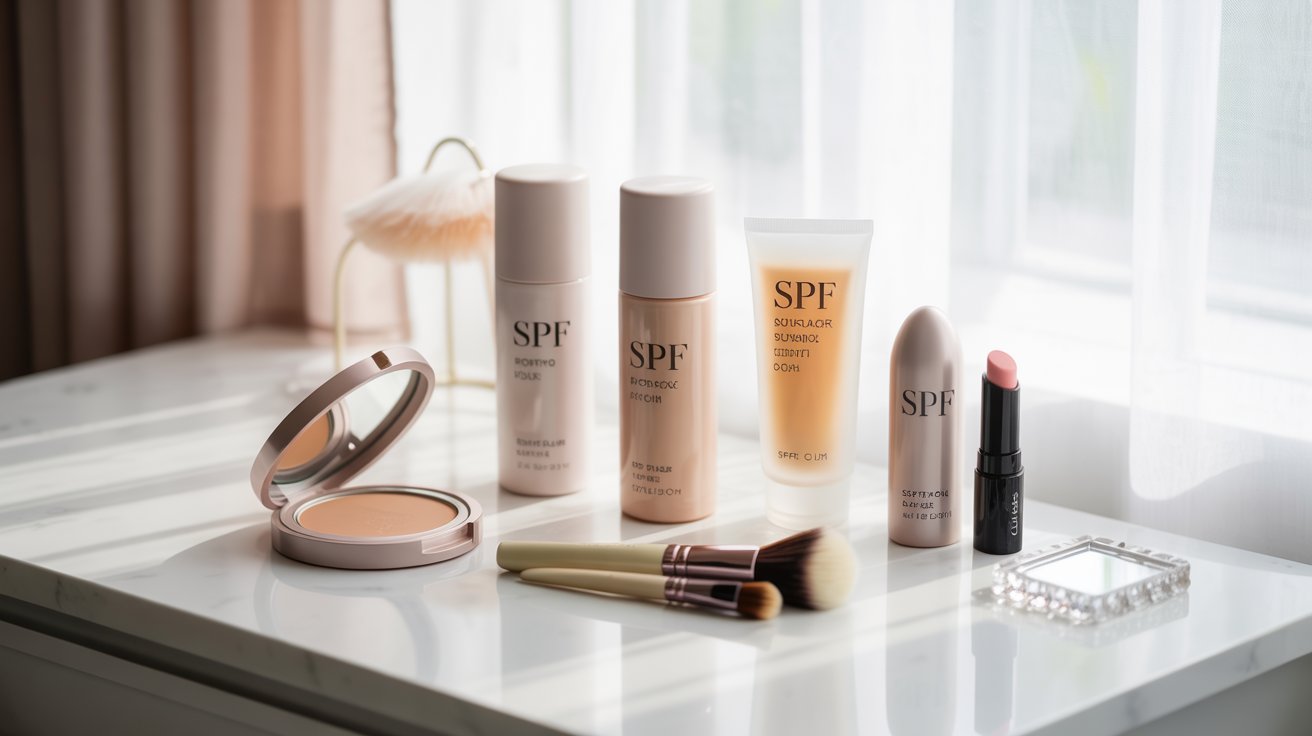
SPF moisturizers are a great starting point for daily protection, especially for low-sun indoor days. They combine hydration and sun protection in one easy step.
SPF foundations list sun protection on the label, but the amount you apply is almost never enough to reach the claimed SPF. Treat it as a bonus layer, not your main protection.
Lip balms with SPF are genuinely useful and worth using daily. For any real outdoor time, layer a dedicated sunscreen underneath your regular skincare products.
Conclusion
Skincare gets complicated fast, but this one does not have to be.
Now that you know what does SPF stand for and what it actually does for your skin, you have no reason to guess at the drugstore anymore.
The right sunscreen is out there for you. Go find it, use it daily, and stick with it. Small habits today make a real difference years from now.
Have questions about a specific SPF product or skin type? Drop them in the comments below. I read every one and I always reply.
Frequently Asked Questions
What Does SPF Stand For in Sunscreen?
SPF stands for Sun Protection Factor and measures protection against UVB rays that cause sunburn. It does not measure UVA protection, which is why broad-spectrum formulas are important.
Is SPF 50 Much Better Than SPF 30?
SPF 50 blocks about 98% of UVB rays while SPF 30 blocks around 97%, so the real difference is small. Correct application and regular reapplication matter far more than the number.
Does SPF Protect Against Tanning?
SPF reduces UV exposure and can slow tanning, but no sunscreen blocks UV rays completely. Tanning is a sign of skin damage even when it looks mild.
Can I Skip Sunscreen If I Stay Indoors?
UVA rays pass through windows and can still damage your skin indoors. A light SPF moisturizer is a smart daily habit even on no-sun days.
How Often Should Sunscreen Be Reapplied?
Reapply every two hours during sun exposure and immediately after swimming or sweating. No sunscreen stays fully effective all day without reapplication.