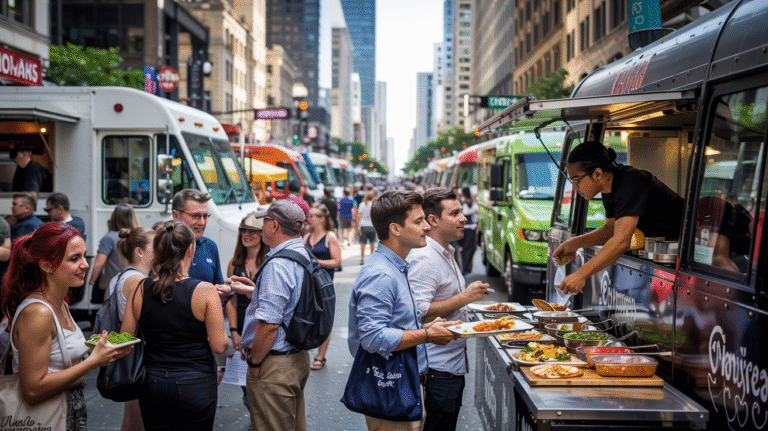
How Food Bloggers Can Build a Successful Recipe Blog With Engaging Visual Content


For food bloggers looking to grow sustainably, relying solely on social media is no longer enough in today’s digital world. Algorithms are constantly changing, which can affect your reach and control over your content. A dedicated recipe blog, on the other hand, gives you full ownership, stronger branding, and the opportunity to attract evergreen traffic through search engines.
Beyond written recipes, successful food blogs today also focus on creating engaging visual content. From step-by-step cooking videos to interactive community experiences, combining different types of content can help food bloggers build stronger connections with their audience.
Step-by-step guide on how a food blogger builds a successful recipe blog
Choosing a Niche for Your Food Blog
Choosing a niche is one of the most crucial aspects when creating a successful food blog. You don’t need to cover every type of food; it is better to focus on a specific segment to attract a particular audience. Some popular niches include healthy recipes, desserts, easy dinners, meal preparation, and lifestyle-focused food content.
Your niche also determines the type of content you create, including recipes, photos, and videos. It helps you stay consistent, establish authority, and become a trusted source for your audience.
Setting Up a Domain and Hosting
Your domain name is the name of your blog on the internet. It should be easy to remember, simple to type, and connected to your food niche. A strong brand identity helps readers recognize your content and improves your online presence.
Your website hosting service stores your website files and makes your blog available online. Many hosting providers now offer beginner-friendly solutions, making it easier for new bloggers to get started.
Building Your Site With a Website Builder
A website builder is software that helps you create a website using templates and drag-and-drop features. No coding experience is required, making it a great option for beginners.
For food bloggers, platforms like WordPress, Wix, Squarespace, or Canva’s website builder can help create visually appealing pages with customizable layouts. Website builders are especially useful because they provide ready-made blog designs, allowing you to focus more on creating recipes and growing your audience.
Creating a Simple and Clean Recipe Layout
A clean and organized layout helps visitors easily explore your recipes. Your website should include clear categories such as breakfast, lunch, dinner, desserts, or special occasions.
A search bar is also important because it allows readers to quickly find recipes they want to try. Recipe cards can help organize ingredients, cooking steps, and helpful tips in a simple format. Since many people view recipes while cooking, having a mobile-friendly website is essential.
Creating and Optimizing Recipe Content
The foundation of any food blog is high-quality content. Create easy-to-follow recipes with clear instructions that beginners can understand. Adding cooking tips, ingredient alternatives, and serving suggestions can make your content more valuable.
Visual content also plays an important role in attracting readers. High-quality food photography and cooking videos can make your recipes more engaging. Food bloggers can use AI video generator tools to create polished recipe tutorials, social media videos, and cooking guides that make their content more interactive.
Optimizing recipe posts with relevant keywords, clear titles, and helpful descriptions can also improve visibility on search engines and bring more visitors to your blog.
Promoting and Growing Your Food Blog Community
Once your website is live, promotion is key. Pinterest, Instagram, Facebook, and other social platforms are effective ways to share recipes and drive traffic back to your blog.
Food bloggers can also build stronger relationships with their audience by hosting cooking events, recipe challenges, or online food communities. Creating attractive event materials, such as an invitation for cooking workshops, food collaborations, or virtual events, can help make these activities more professional and engaging.
Regular posting and interacting with your readers will help build a loyal audience. Over time, you can monetize your blog through ads, affiliate marketing, sponsored content, digital products, recipe books, or online cooking courses.
Final Thoughts
Building a successful recipe blog is one of the best ways for food bloggers to grow their online presence. A dedicated website provides more control over your content, strengthens your brand, and creates opportunities for long-term growth.
With the right niche, website structure, quality recipes, and engaging visual content, food bloggers can create a platform that attracts readers and builds a lasting community around their passion for food.