How Long Do Pimple Patches Take to Work?

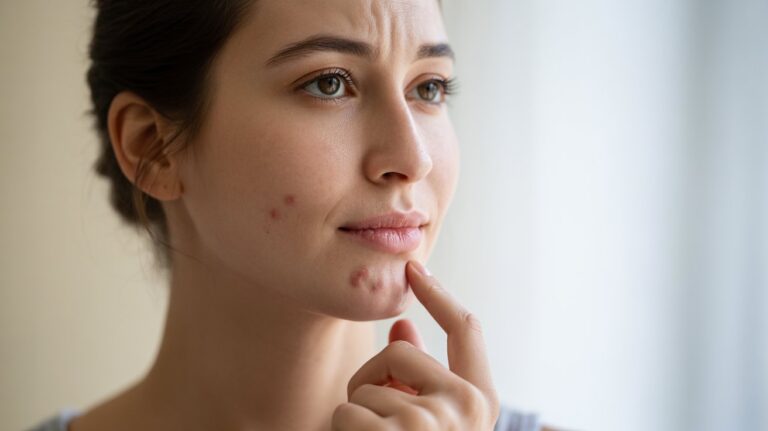
You wake up with a massive pimple and slap on a patch, hoping it vanishes by morning.
Sound familiar? We have all been there.
The truth is, pimple patches do work, but maybe not as quickly as those viral videos suggest.
Some blemishes fade overnight, while others need more time. So what is the real timeline?
In this guide, you will learn exactly how long these little stickers take to work, what affects their speed, and how to use them properly for the best results.
Let’s get started.
What Are Pimple Patches and How Do They Work?
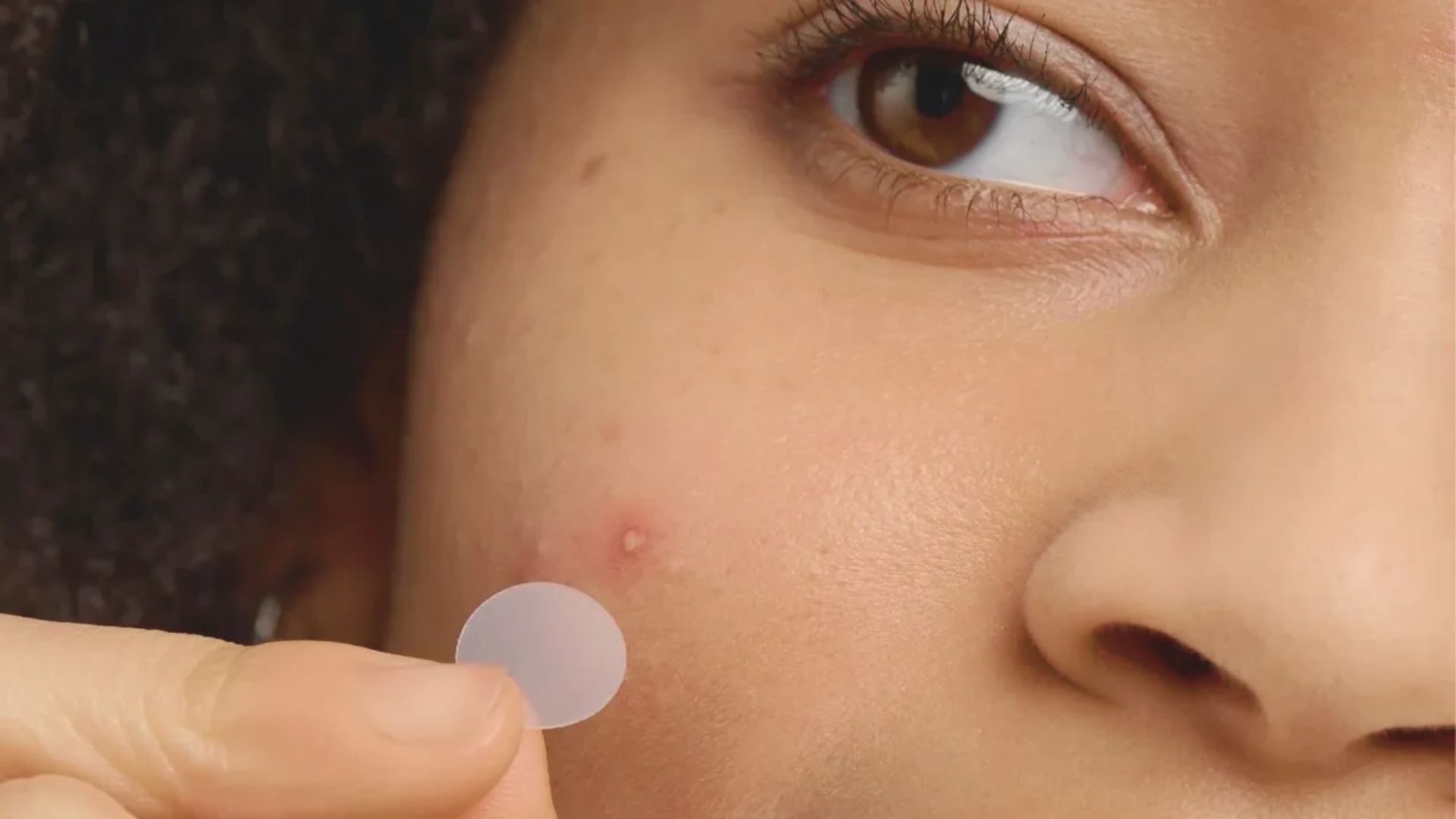
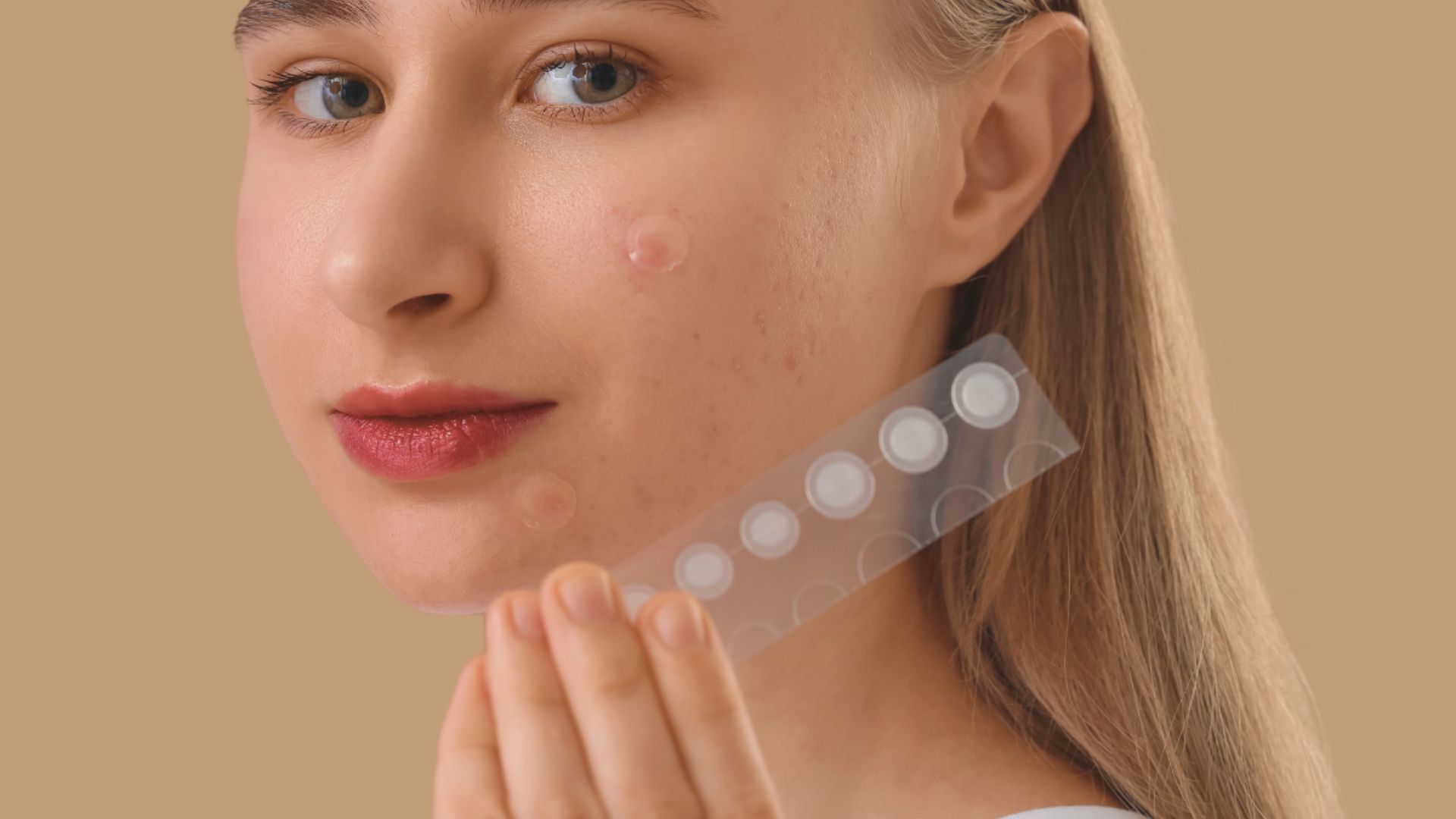
Pimple patches are small stickers you place directly on blemishes. They look simple, but there is real science behind them.
What Is Hydrocolloid Technology?
Most patches use hydrocolloid, the same material hospitals use for wounds. It holds moisture against your skin to help it heal faster.
Here is what many people get wrong. Hydrocolloid does not soak up oil. It absorbs fluid and pus from your pimple. That white spot you see when you peel it off? That is the gunk it pulled out.
This creates a moist environment that helps your skin heal better than letting it dry out.
The Protective Barrier Effect
Patches do more than absorb fluid. They stop you from picking, which is huge for preventing scars.
They also block bacteria, dirt, and makeup from getting into your pimple. This reduces swelling and helps your skin heal cleaner.
Patches With Active Ingredients
Not all patches are the same. Some have extra ingredients for different needs.
Salicylic acid patches dig deeper into pores and clear out dead skin cells. Great for stubborn blemishes.
Centella patches calm redness and inflammation fast while the patch works.
Microneedle patches have tiny dissolving needles that push ingredients deeper. These work on cystic blemishes that regular patches cannot reach.
How Long Do Pimple Patches Take to Work?
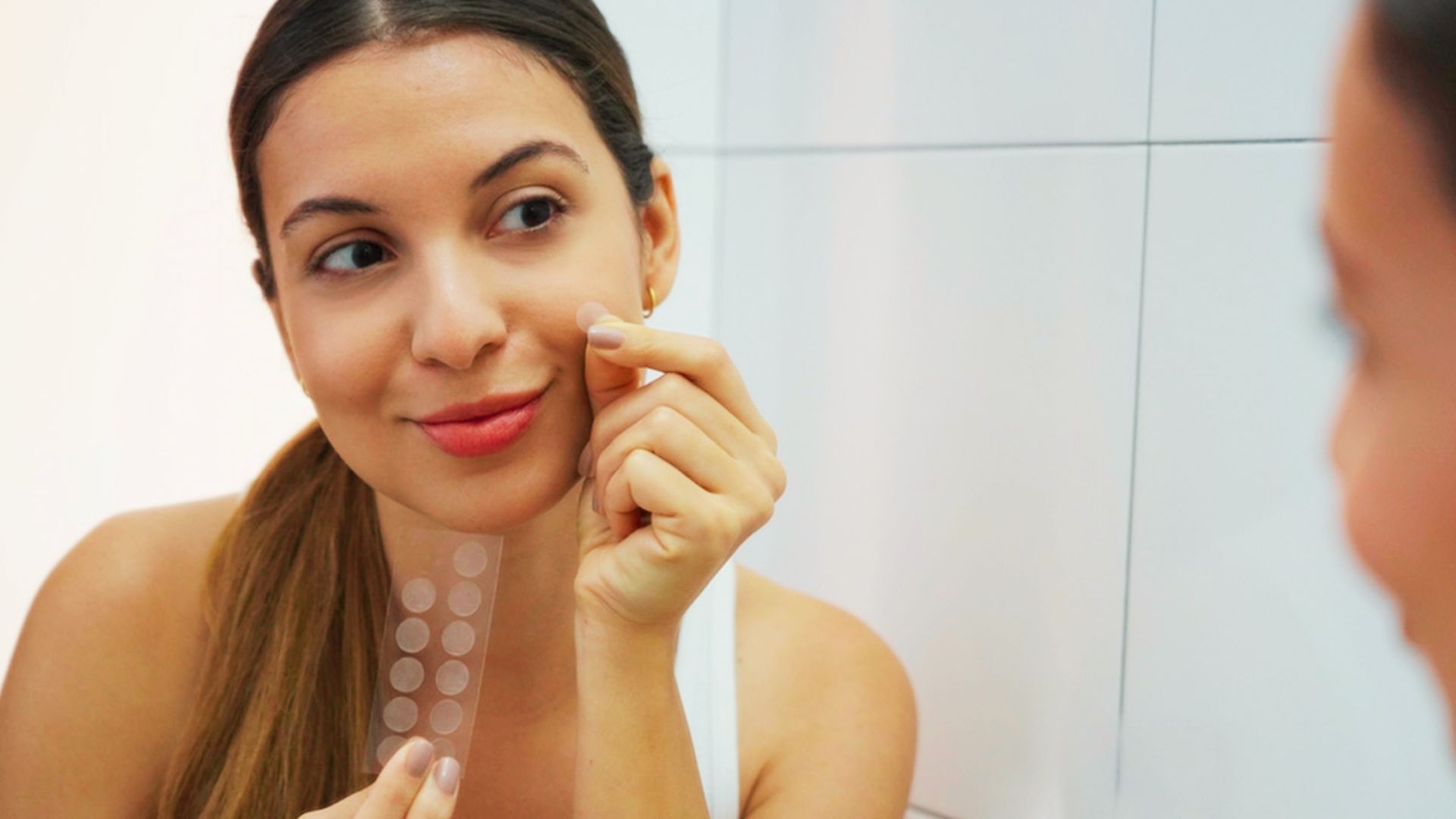
The honest answer? It depends on what type of pimple you are dealing with. Here is what to expect for each kind.
Timeline for Whiteheads (Best Case Scenario)
Whiteheads are the fastest to treat. You can see them flatten in just 6 to 8 hours.
Slap on a patch before bed, and you will wake up to noticeable improvement. The patch often turns white overnight. That is your proof it absorbed the fluid and did its job.
These are the success stories you see online. They really do work this fast on surface pimples.
Timeline for Inflamed Pimples
Red, angry pimples take longer. You will see some improvement within 3 to 4 days of consistent use.
Keep using fresh patches, and most inflamed blemishes clear up in 7 to 11 days. The key is patience and not skipping days.
Your skin needs time to calm down and heal from the inside. The patch helps, but it cannot rush the process.
Timeline for Cystic or Deep Acne
Here is where patches have limits. Cystic acne sits deep under your skin, and patches only work on the surface.
You might see less redness, but the patch will not eliminate the cyst completely. That bump underneath will still be there.
For deep, painful cysts, you need stronger treatments. Talk to a dermatologist about cortisone shots or prescription options. Patches alone will not cut it.
What Clinical Studies Say About Pimple Patch Effectiveness
Research backs up what users experience. Studies show hydrocolloid patches reduce lesion size by half in about 7 days.
Some people see significant improvement by day 4, especially with surface blemishes.
Salicylic acid microneedle patches show modest results too, reducing acne volume after 3 to 7 days of use.
But here is the key takeaway. Patches work best as part of your routine, not as a replacement.
They complement your cleansers and treatments. Think of them as helpful tools, not miracle cures. Consistent skincare still matters most.
Do Pimple Patches Replace Salicylic Acid or Acne Treatments?

No, they do not replace your treatments. Patches work best when you use them together with your regular acne products for better results.
Why They Work Best as a Complement
Patches create a healing space for your skin. If you apply treatment first, the patch seals it in and keeps it working.
They also stop you from picking, which means less inflammation. Think of patches as teammates with your salicylic acid, not replacements.
When to Use Patches vs. Leave-On Treatments
Use patches for spot emergencies. Got a pimple before an event? A patch gives quick relief and covers it.
For ongoing acne, stick with daily treatments like cleansers and serums. They prevent new breakouts. In many cases, a more streamlined routine with fewer, well-balanced products tends to be easier on the skin, such as Norse Organics products are often considered safe and effective in treating pimples and cystic acnes when patches do not work best.
The best combo? Use treatments daily for prevention. Save patches for active blemishes that need extra help.
How to Make Pimple Patches Work Faster
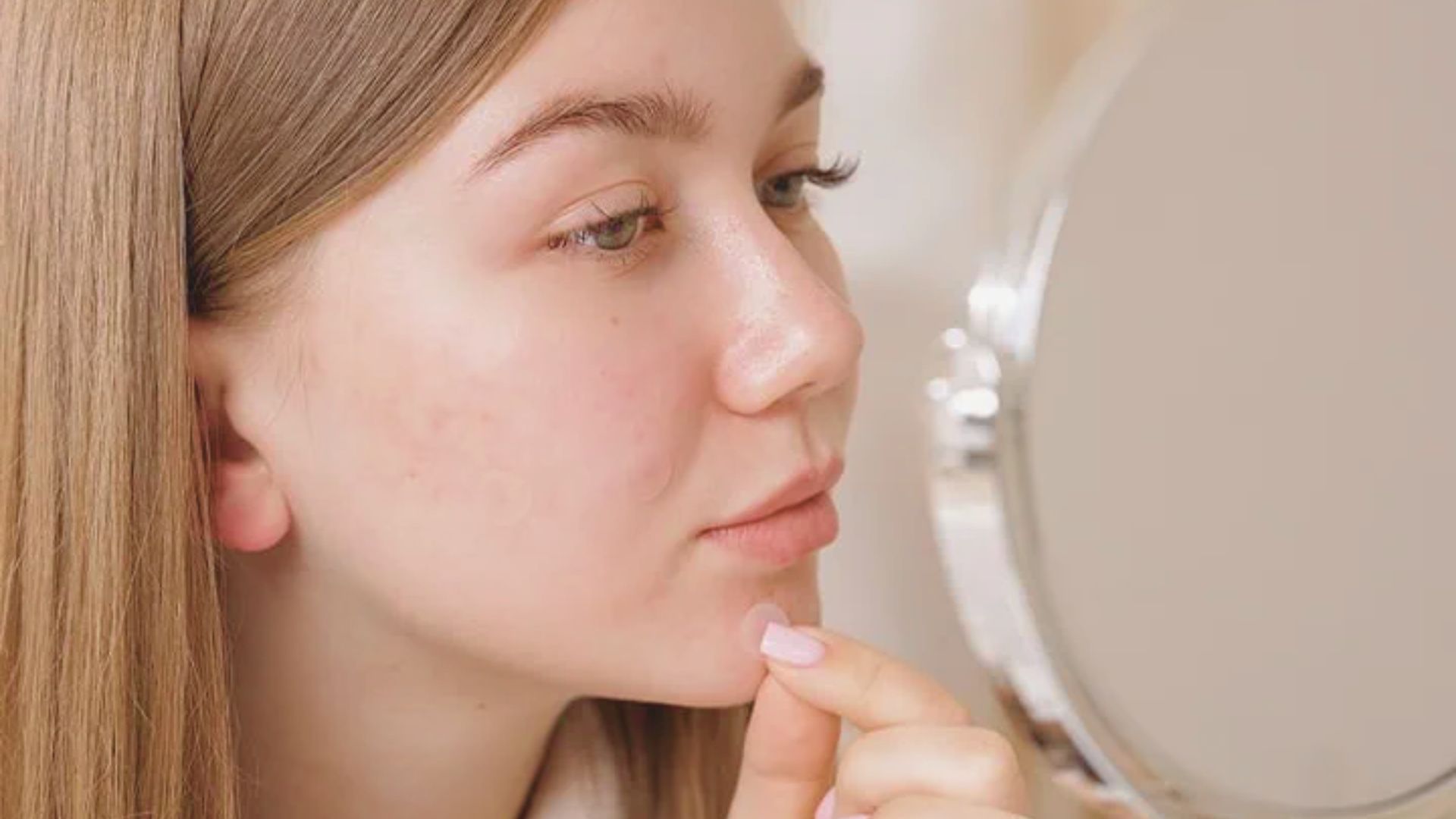
Want better results? How you use your patches matters just as much as the patch itself. Follow these tips to speed up the process.
Apply to Clean, Dry Skinē
Wash your face first and let it dry completely. Any moisture, oil, or makeup stops the patch from sticking properly.
Put the patch on before you apply serums or creams. If your skin has products on it, the patch cannot make direct contact. Clean, bare skin gets the best results.
Leave On for At Least 6 Hours
Give the patch time to work. Six hours is the minimum for real results.
Remove it once it turns white or opaque. That means it has absorbed what it can. Leaving it on past 24 hours does not help and might irritate your skin.
Use on the Right Type of Pimple
Patches work best on whiteheads that have come to a head. These are ready to drain and heal.
Early pimples that are just forming? The patch will not do much. Deep cysts under the skin? Also not ideal. Save your patches for surface blemishes that are almost ready to pop.
Common Mistakes That Delay Results
Even the best patches fail if you use them wrong. Here are the biggest mistakes people make that slow down healing.
- Peeling them off too soon: If you remove the patch after just an hour or two, it has not had time to absorb anything. Give it at least 6 hours to actually work.
- Putting them over moisturizer or makeup: The patch needs clean, dry skin to stick and absorb properly. Any layer between your skin and the patch blocks it from doing its job.
- Using them on deep cystic acne: Patches only work on the surface. They cannot reach cysts that sit deep under your skin, so you are just wasting a patch.
- Expecting overnight miracles every time: Whiteheads might clear fast, but inflamed pimples need days. If you give up after one night, you will not see real results.
- Not replacing them when they turn white: Once a patch is full and opaque, it is done working. Leaving it on longer does not help. Swap it for a fresh one.
Conclusion
So what is the real timeline? Whiteheads can flatten in just 6 to 8 hours.
Most inflamed pimples show real improvement within 3 to 7 days. Stubborn ones might take up to 11 days to fully heal.
The key is managing your expectations. Patches are healing tools, not instant fixes.
Use them consistently, pick the right type for your blemish, and pair them with your regular skincare routine. Your skin will thank you.
Ready to try them? Start tonight and track your progress.
Frequently Asked Questions
Can I wear a pimple patch under makeup?
Yes, you can. Many patches are thin and nearly invisible, so they work under foundation. Just make sure the patch is fully stuck down before applying makeup on top.
Should I pop a pimple before applying a patch?
No, do not pop it yourself. Apply the patch directly on the whitehead. It will absorb the fluid naturally without causing scarring or infection from your fingers.
Can I reuse a pimple patch?
Absolutely not. Once a patch turns white and absorbs fluid, it is done. Reusing it spreads bacteria back onto your skin and stops it from working properly.
Do pimple patches work on blackheads?
Not really. Blackheads are clogged pores, not inflamed blemishes with fluid. Patches work best on whiteheads and surface pimples that have come to a head.
Can I sleep with a pimple patch on?
Yes, that is actually ideal. Overnight wear gives the patch 6 to 8 hours to work. Just make sure your skin is clean and dry before you apply it at bedtime.