How Long to Soak Feet for Pedicure Properly


Wondering how long to soak feet for pedicure the right way? I’ve been there too, sitting with my feet in a basin, unsure if five minutes was enough or thirty was too much.
In this article, I’ll cover the ideal soaking time, what to add to your soak, and what happens when you overdo it.
I’ll also walk you through the full process step by step. With years of hands-on foot care experience, I know what works.
You’ll leave with clear answers and soft, healthy feet.
How Long to Soak Feet for Pedicure?
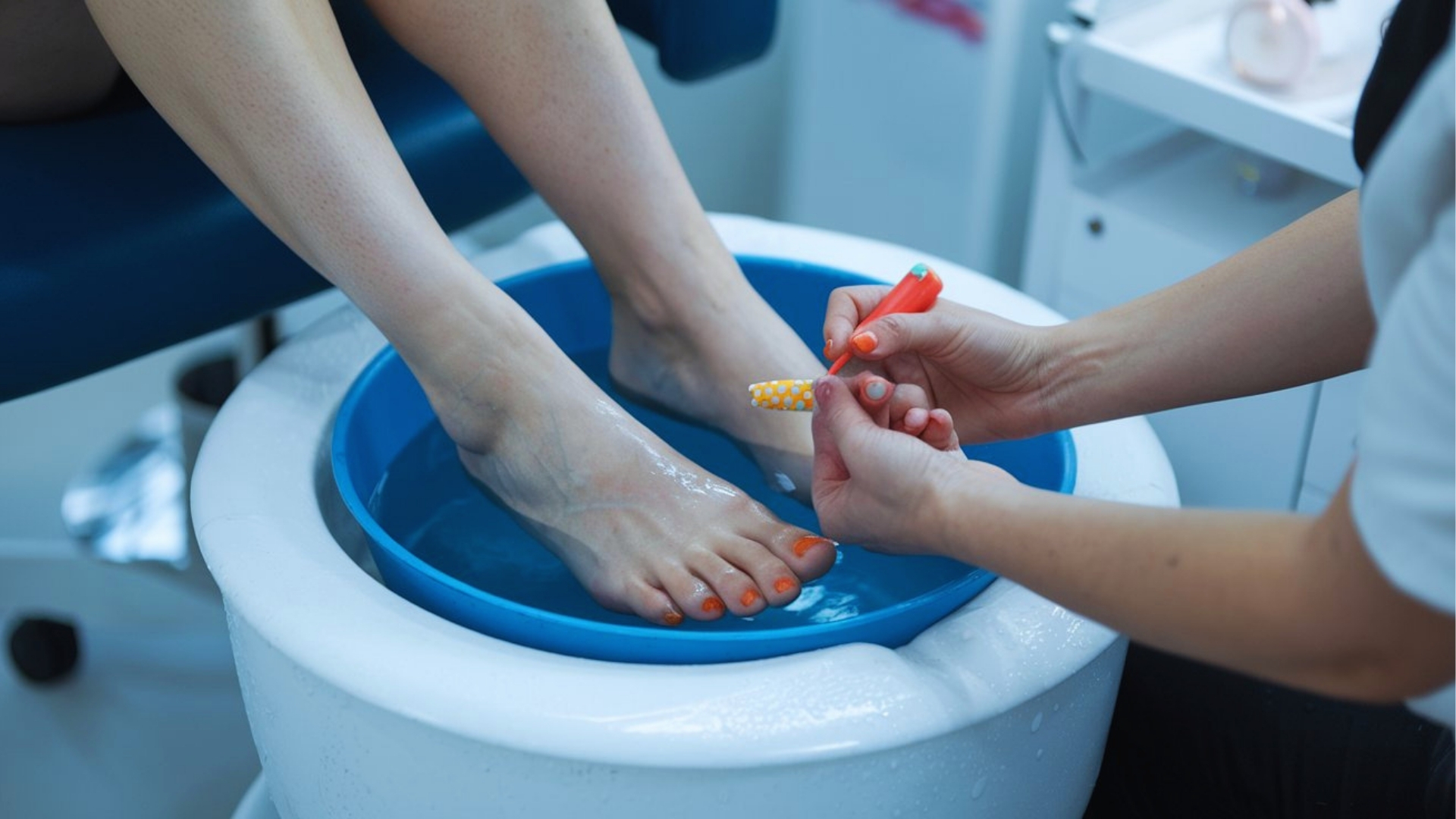
Soaking feet for a pedicure should ideally last between 10 to 20 minutes. This range helps soften dead skin and makes it easier to remove rough areas without harming healthy skin.
A 10-minute soak is enough for regular foot care, while up to 20 minutes works better for dry or rough heels. Warm water is best because it relaxes the skin and prepares it for exfoliation.
However, soaking for too long may lead to overly soft skin that peels easily. People with sensitive skin or diabetes should keep soaking time shorter for safety and comfort.
Why Soaking Your Feet Is Important Before a Pedicure

Skipping the soak makes every step harder and less effective.
Softens Hard Skin and Calluses
Dry feet are tough to work with. A warm soak breaks down the outer layer of hardened skin. This makes it much easier to remove calluses without scrubbing too hard.
Makes Exfoliation Easier
After soaking, a pumice stone glides smoothly. Dead skin comes off without force. You get better results in less time.
Helps Relax Muscles and Improve Comfort
Warm water relaxes the muscles in your feet and ankles. This feels good on its own. It also makes trimming and shaping your nails more comfortable.
What to Add to Your Foot Soak for Better Results

Simple additions can turn a basic soak into a full spa moment at home.
Epsom Salt for Relaxation
Add two tablespoons of Epsom salt per gallon of water. It eases soreness and softens skin. It’s especially helpful after a long day on your feet.
Important Oils for a Spa-Like Experience
A few drops of lavender or peppermint oil work well. Lavender calms. Peppermint cools and refreshes. Don’t add more than 3 to 5 drops.
Warm Water Temperature Tips
Use water between 37°C and 40°C (98°F to 104°F). Test it with your wrist before soaking. Too hot can cause burns or dry skin out more.
Step-by-Step Foot Soaking Process
Follow these steps in order for clean, soft, and well-cared-for feet.
Step 1: Prepare Warm Water (Not Too Hot)

Fill a basin with enough water to cover your ankles. Check the temperature. It should feel warm and comfortable, not hot.
Water that is too hot can dry out your skin or cause irritation. Aim for around 100 to 105°F if you have a thermometer handy.
Step 2: Add Soaking Ingredients
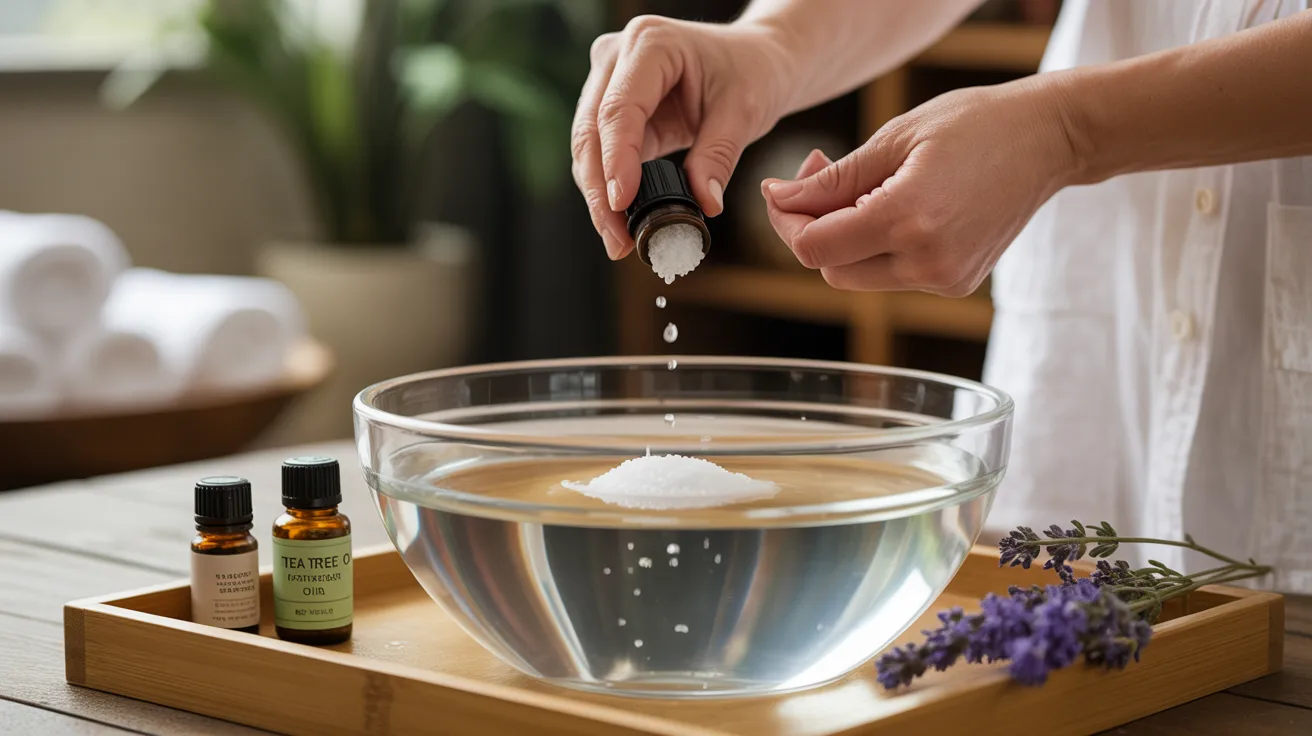
Mix in Epsom salt and any oils you want. Stir the water so everything blends well before putting your feet in.
You can also add a few drops of tea tree oil for its antifungal properties or lavender oil for a calming effect. About two tablespoons of Epsom salt is enough for a standard basin.
Step 3: Soak for the Right Duration

Set a timer for 10 to 20 minutes. Relax. Don’t rush it, but don’t go over 20 minutes either.
Soaking too long can actually soften the skin too much, making it more prone to tears and irritation. Use this time to sit back and rest.
Step 4: Clean and Scrub Toenails Gently
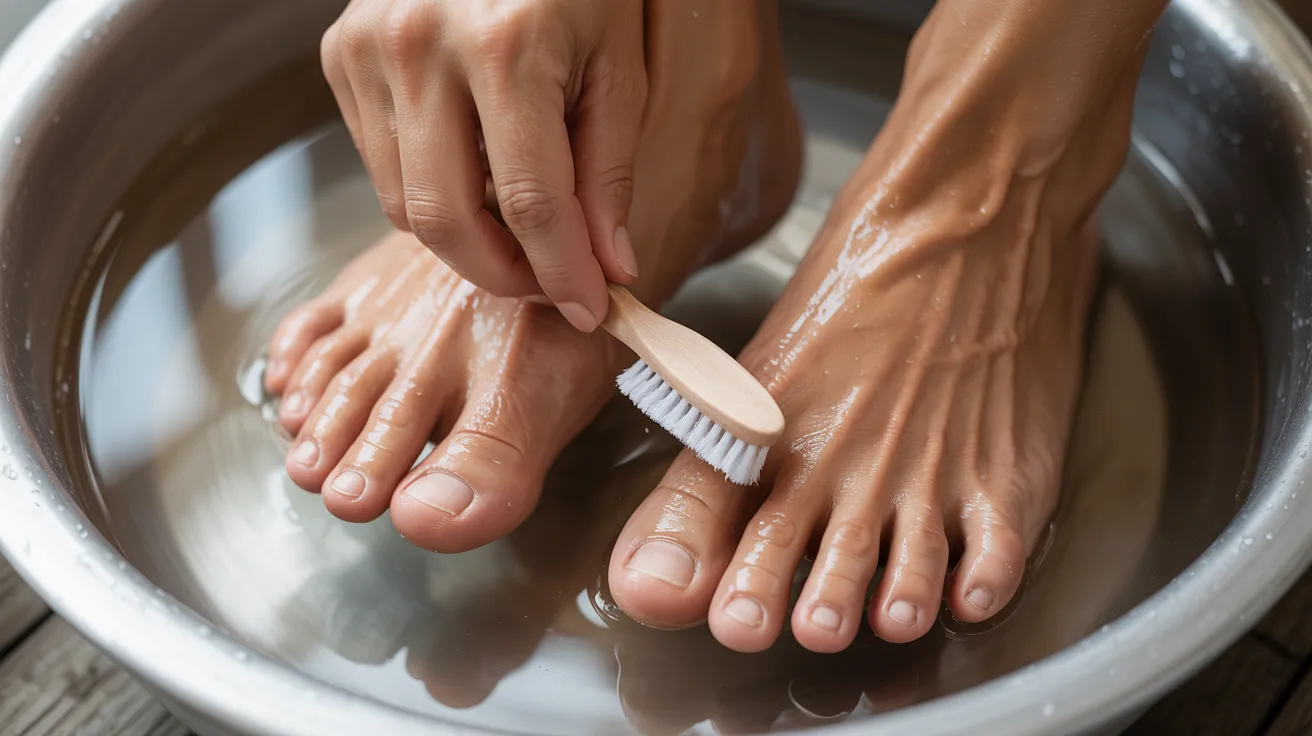
Use a soft nail brush to clean under and around your toenails while still in the water. This loosens dirt easily. Work in small circular motions and don’t press too hard.
If you have any buildup under the nails, a wooden cuticle stick can help remove it safely without damaging the nail bed.
Step 5: Dry Feet Properly

Pat your feet dry with a clean towel. Don’t rub. Make sure to dry between the toes to avoid moisture buildup, which can cause fungal issues.
Once fully dry, apply a foot cream or moisturizer to lock in hydration while the skin is still slightly warm and open to absorption.
What Happens If You Soak Your Feet Too Long?
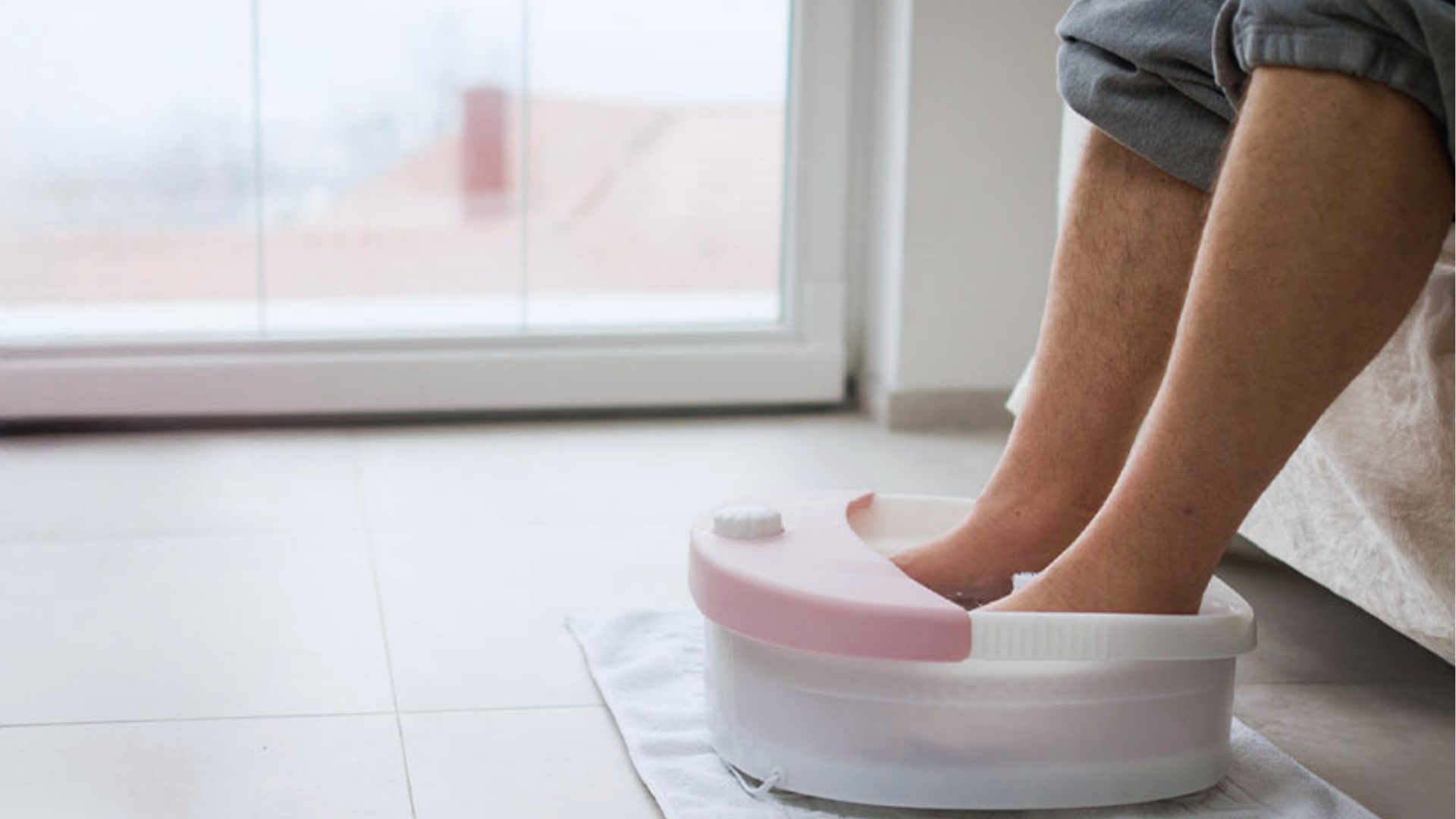
More time in the water does not mean better results.
Over-Softened Skin and Peeling
Skin that soaks too long becomes waterlogged. It turns white and wrinkly. When you scrub it, it peels unevenly and can feel raw.
Increased Risk of Irritation or Damage
Soaking beyond 20 to 30 minutes weakens the skin’s natural barrier. Small cuts or cracks become more vulnerable to bacteria.
When Over-Soaking Becomes Harmful
For people with open wounds, skin conditions like eczema, or circulation problems, long soaks can cause real harm. Always keep it short and safe in those cases.
What to Do After Soaking Your Feet
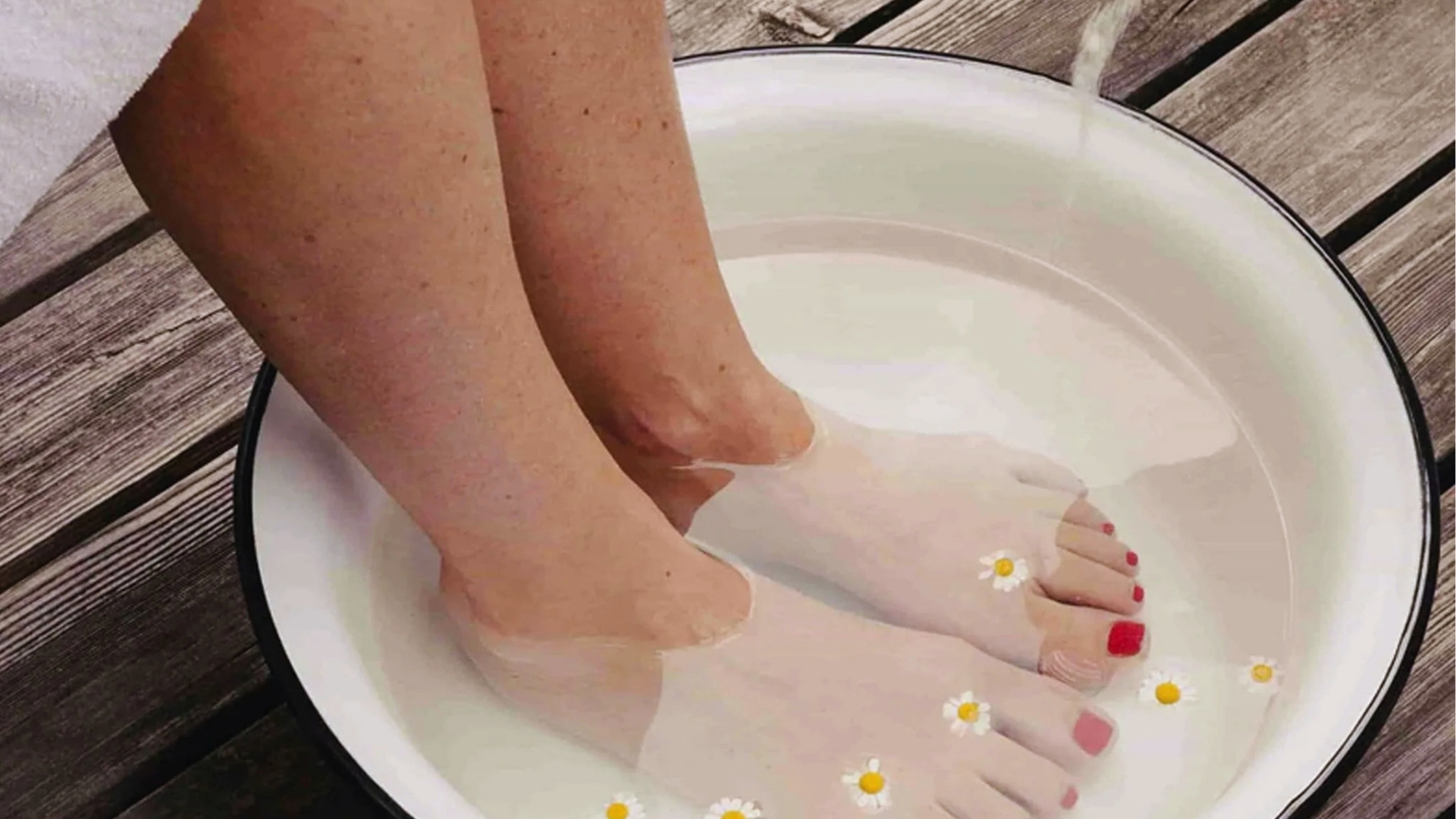
The steps after soaking are just as important as the soak itself.
Remove Calluses with a Pumice Stone
Rub gently in circular motions on rough spots. Don’t press hard. A light touch is enough when the skin is properly softened.
Trim and Shape Toenails Safely
Cut nails straight across. Don’t cut too short or round the edges too much. This prevents ingrown toenails.
Apply Moisturizer for Soft Skin
Use a thick foot cream right after drying. This locks in moisture while your skin is still slightly soft. Focus on heels and dry areas.
How Often Should You Soak Your Feet for a Pedicure?

Consistency matters more than frequency when it comes to foot care.
Recommended Frequency (Every 2-4 Weeks)
For most people, soaking every two to four weeks is plenty. This keeps skin smooth without over-processing it.
Adjust Based on Foot Condition
If your feet get dry fast or you’re on them all day, once every two weeks works better. If your skin is naturally soft, once a month is fine.
Signs Your Feet Need Soaking
These are the common signs that your feet need a proper soak and some extra care
- Heels feel rough or cracked
- Skin looks flaky or dull
- Feet feel tight or sore after a long day
Tips to Get the Best Results from Your Pedicure
Small habits done consistently give better long-term results for healthy, soft feet.
- Maintain a regular pedicure routine to prevent thick callus buildup over time
- Avoid using very hot water, as it can dry out and damage the skin on your feet
- Do not over-exfoliate, since too much scrubbing can harm healthy skin layers
- Use clean tools every time to maintain hygiene and reduce infection risk
- Keep your foot care simple and consistent instead of overdoing treatments
- Follow a balanced routine to keep skin soft and nails in good condition
Conclusion
Now you know exactly how long to soak feet for pedicure results that are safe and effective. Stick to 10 to 20 minutes, not less, not more.
I started following this routine a few years ago and noticed a real difference in how soft my feet stayed between sessions.
It’s a small habit that adds up. If this helped you, drop a comment below and let me know your go-to foot soak recipe. Share this with someone who could use a little foot care help too.
Frequently Asked Questions
Can I soak my feet every day?
Daily soaking is not recommended. It can strip natural oils and weaken the skin. Stick to every two to four weeks for best results.
What is the best thing to put in a foot soak?
Epsom salt is a great starting point. You can also add a few drops of essential oil. Both help soften skin and ease soreness.
Is cold water okay for a foot soak before a pedicure?
Cold water does not soften skin well. Warm water between 37°C and 40°C works best for loosening dead skin and relaxing muscles.
Can I soak my feet if I have cracked heels?
Yes, soaking actually helps cracked heels. Keep it for 10 to 15 minutes and follow up with a thick moisturizer right after drying.
Should I soak my feet before or after cutting my nails?
Soak before cutting. Soft nails are easier to trim and less likely to split or break unevenly during the process.