How Often to Use Red Light Therapy on Face A Simple Guide

I’ve tried a lot of skincare routines, and red light therapy genuinely surprised me. It’s one of the few things that made a visible difference without irritation.
But when I started, I had one big question: how often do you use red light therapy on your face without overdoing it?
In this article, I’ll cover the right frequency, session length, and routine tips based on different skin goals.
You’ll also find common mistakes to avoid. I’ve spent time researching and testing this, so you don’t have to guess.
What Is Red Light Therapy and How Does It Work on the Face?
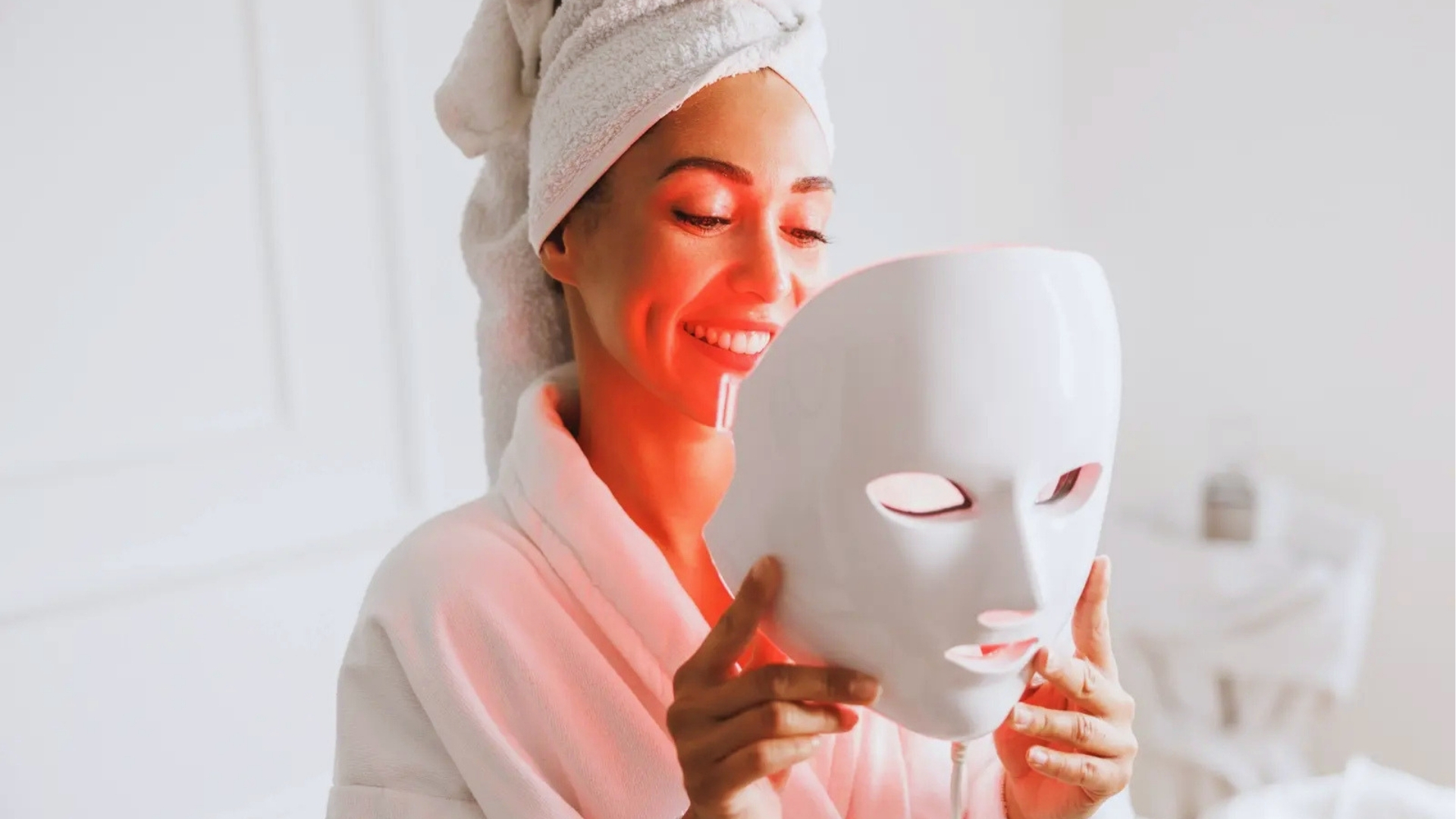
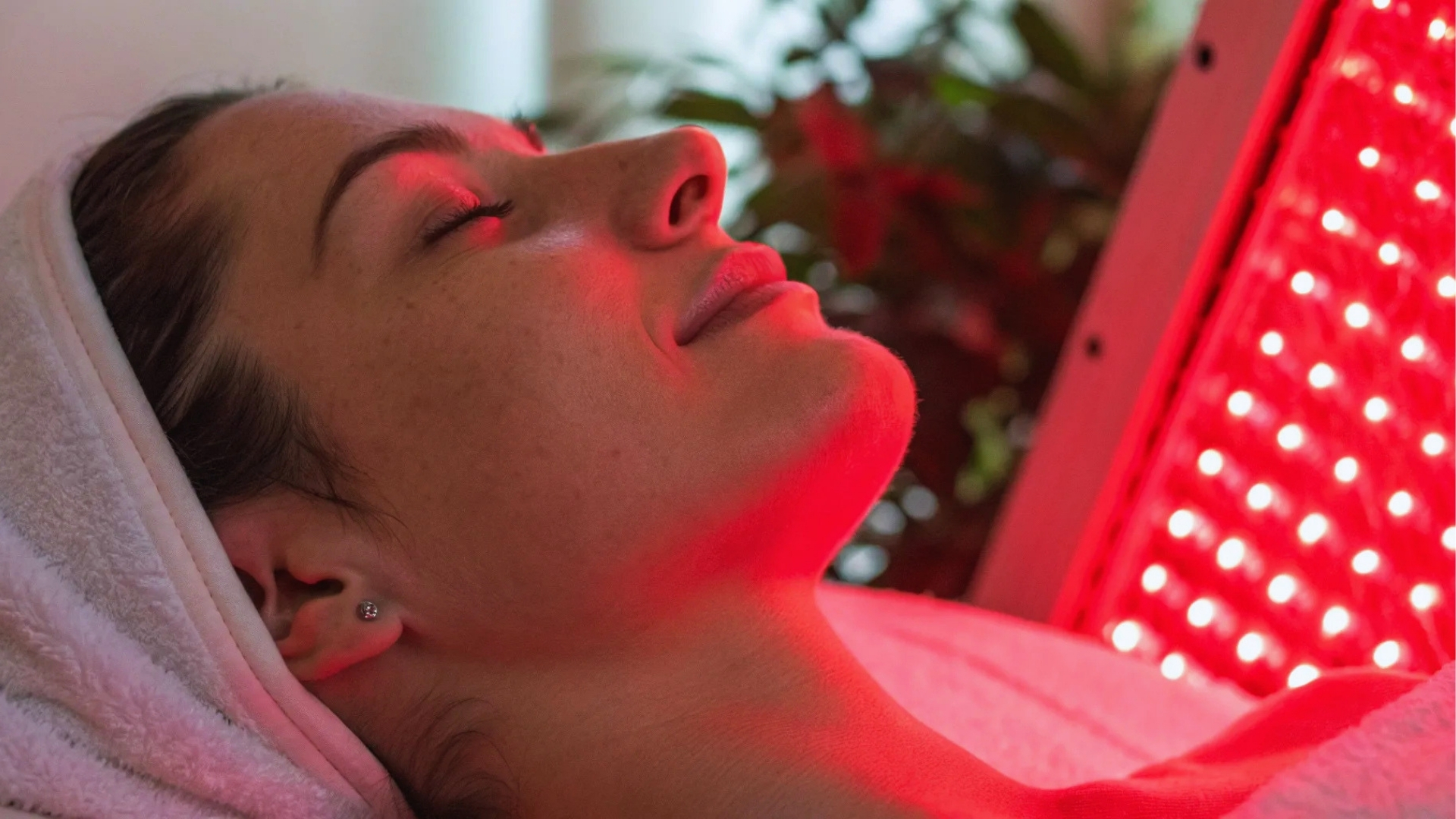
At-home devices are lower in power than professional-grade machines. This means you may need more sessions to see the same results. Clinics offering professional red light therapy use higher-powered panels that can deliver results in fewer sessions — a single weekly visit might equal 3 to 4 home sessions.
Your cells absorb this light and use it as energy to repair and regenerate. Near-infrared light penetrates even deeper, making both types effective for facial skin.
The biggest benefit is increased collagen production, which leads to firmer and smoother skin over time. It also helps reduce redness, speed up healing, and improve overall skin tone.
Many people use it for fine lines, acne scars, and dull skin. Results are gradual but build up steadily with regular, consistent use.
How Often to Use Red Light Therapy on Face
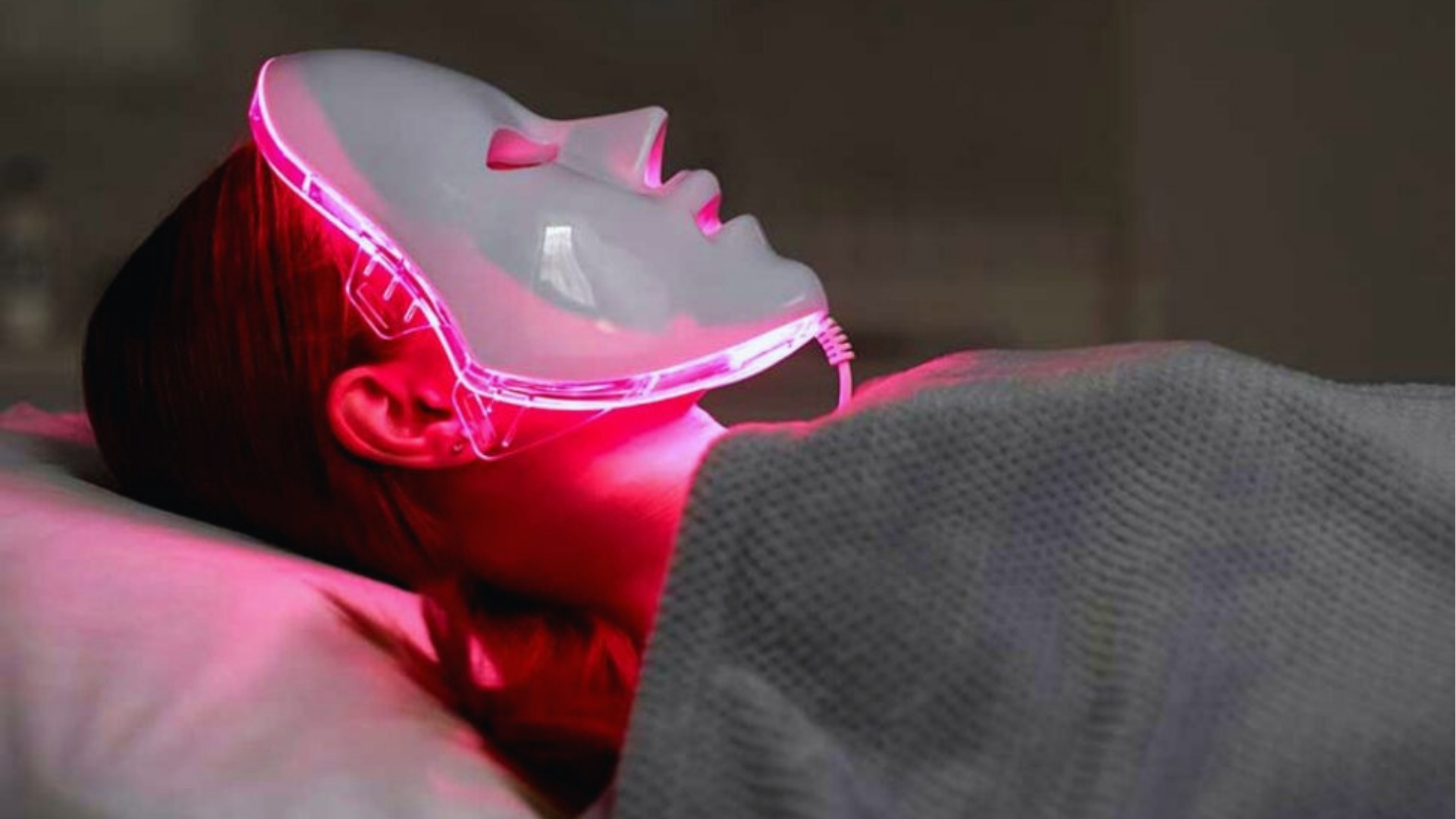
The straightforward answer on session frequency and duration for facial use.
Recommended Frequency for Best Results
If you’re just starting out, 3 to 5 sessions per week is a solid place to begin. This gives your skin enough exposure without stressing it.
Once your skin adjusts after a few weeks, you can scale back to 2 to 3 times per week for maintenance. This keeps results going without overloading your skin.
Typical Session Duration
Most sessions should last 10 to 20 minutes. Shorter sessions work fine for sensitive skin. Longer sessions don’t always mean better results, so stick to the recommended window.
Red Light Therapy Frequency Based on Skin Goals
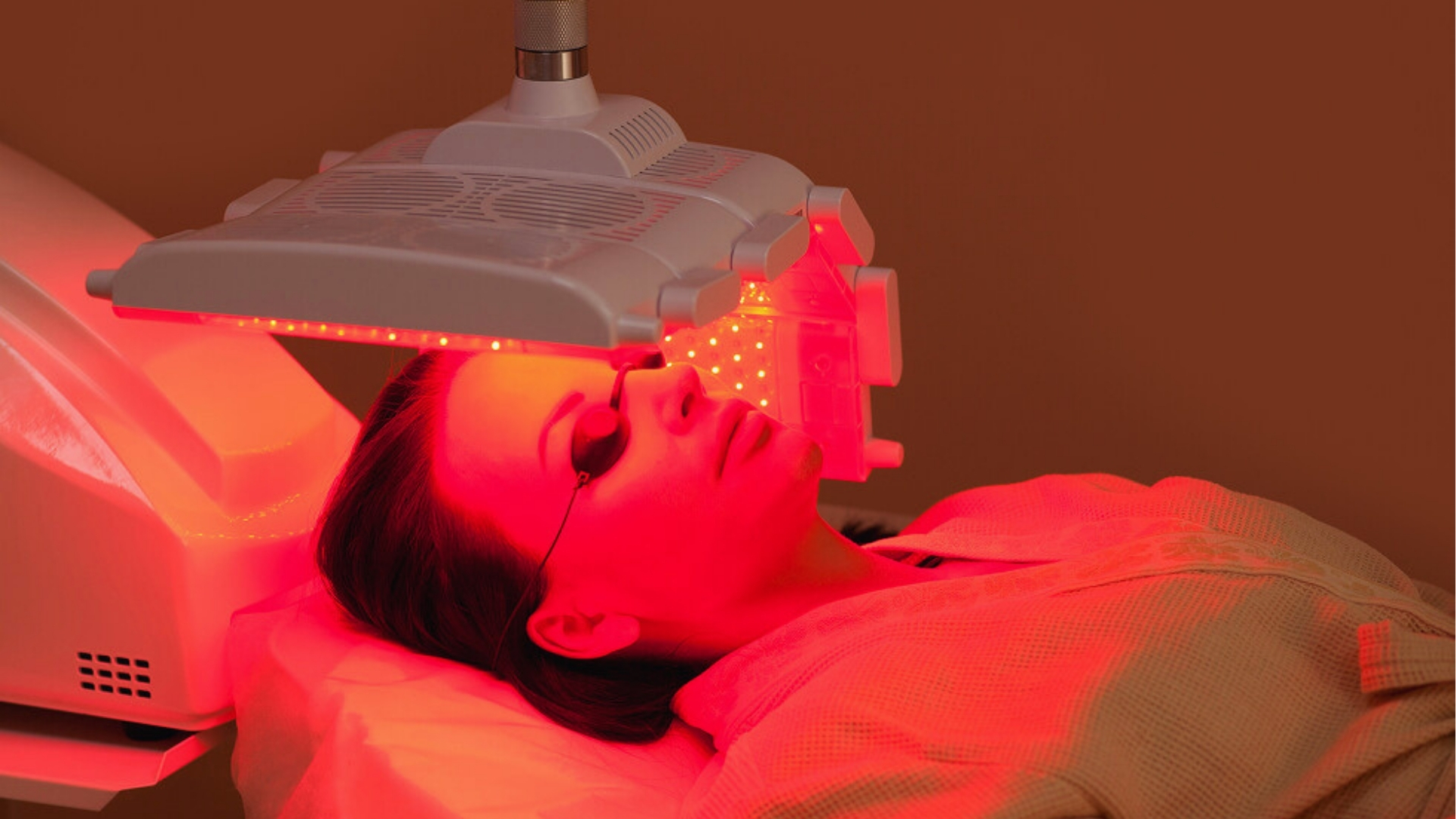
Your goal matters. Here’s how to adjust frequency based on what your skin needs most.
For Anti-Aging and Wrinkles
For collagen support and reducing fine lines, consistency is key. Aim for 4 to 5 sessions weekly in the first month.
After that, 3 times a week keeps the collagen boost going. Results usually show up after 4 to 8 weeks.
For Acne and Skin Clarity
For acne-prone skin, start slow. 3 sessions per week is enough. Going too often can sometimes irritate active breakouts. Give your skin time between sessions to respond.
For Inflammation and Redness
Short sessions of 10 minutes, 3 times a week work well here. The goal is to calm the skin, not push it. Over-stimulating inflamed skin can make things worse.
For Post-Treatment Healing
After procedures like chemical peels or microneedling, use red light therapy 1 to 2 times per week.
It helps speed up recovery and reduce downtime. Always check with your provider before adding it to a post-treatment routine.
Factors That Affect How Often You Should Use It on Your Face
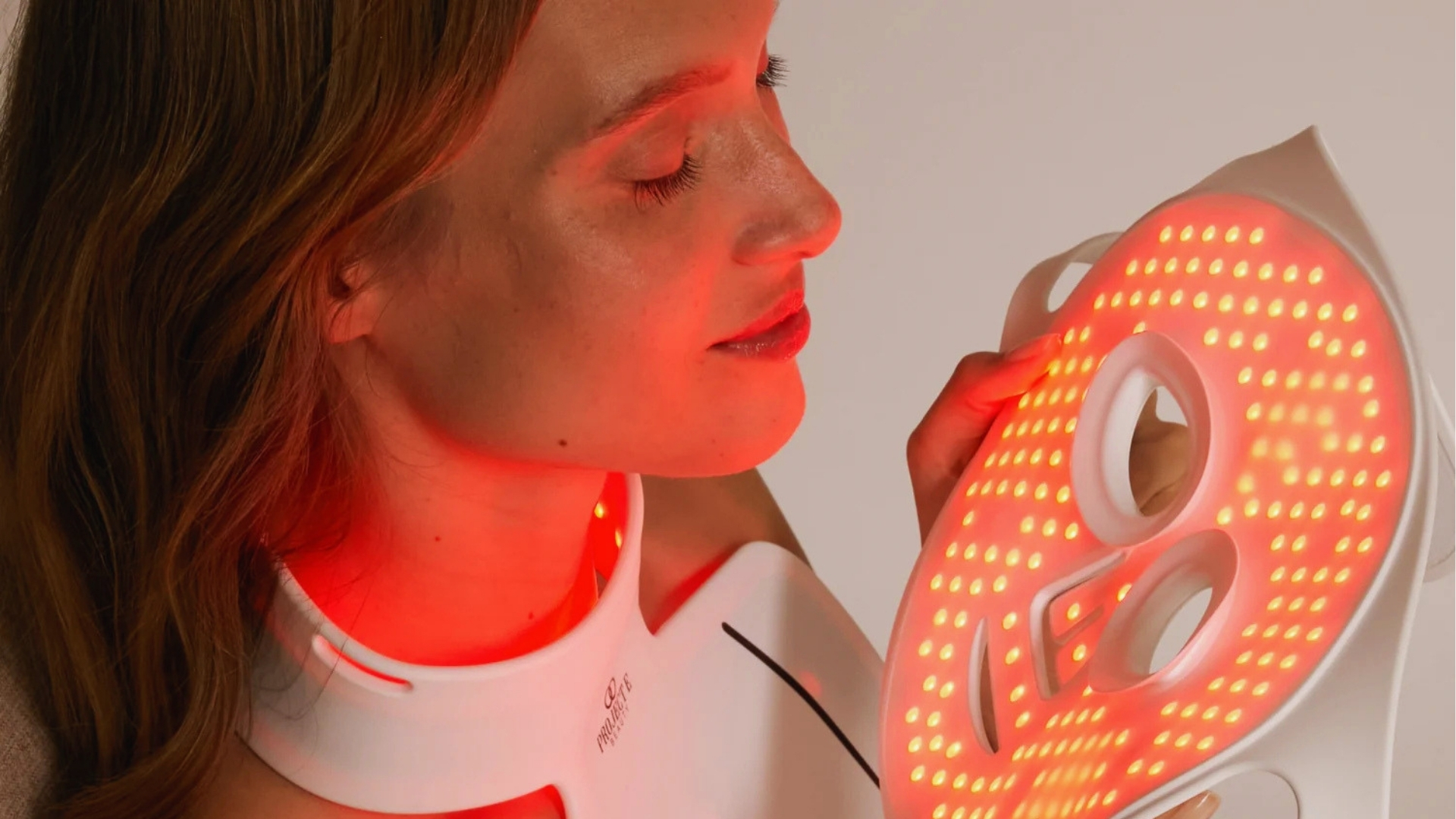
Not everyone’s skin responds the same way. These factors change the right frequency for you.
Skin Type and Sensitivity
Sensitive skin needs less frequent sessions. Start with 2 to 3 times a week and monitor how your skin reacts. If you notice dryness or irritation, cut back to every other day.
Oily or thicker skin types can usually handle more frequent sessions without problems.
Device Type and Strength
At-home devices are lower in power than professional-grade machines. This means you may need more sessions to see the same results.
A professional device used once a week might equal 3 to 4 home sessions. Always follow the instructions that come with your specific device.
Consistency vs Overuse
Doing sessions every single day is not better. The skin needs time to repair and respond between sessions. Routine matters more than frequency.
Showing up 3 times a week for 8 weeks beats doing daily sessions for 2 weeks and then stopping.
Best Routine for Using Red Light Therapy on Face
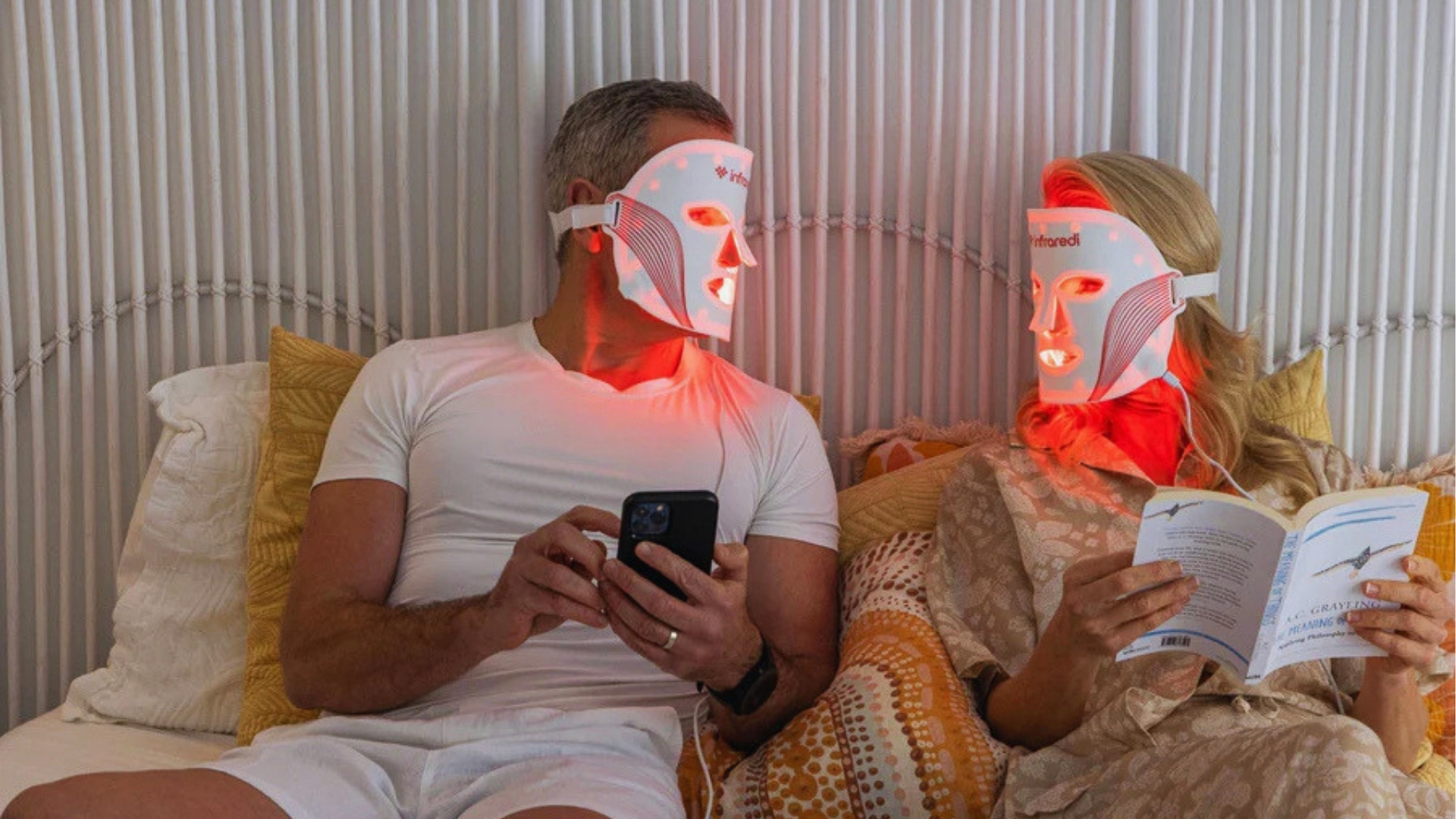
A simple routine that gets the most out of each session.
When to Use It in Your Skincare Routine
Use red light therapy after cleansing and before applying any serums or moisturizers. A clean face allows the light to penetrate better without product buildup blocking it.
How to Prepare Your Skin
Wash your face and pat it until slightly damp. Damp skin tends to respond better to the light. Skip heavy creams or oils before the session.
Pairing with Skincare Products
Right after a session, your skin is more receptive. This is a good time to apply a hydrating serum or a calming moisturizer. Ingredients like hyaluronic acid or niacinamide work well here.
Common Mistakes to Avoid

Small habits that quietly reduce your results or cause setbacks.
Using It Too Frequently
More sessions do not mean faster results. The skin repairs itself between sessions, and skipping that recovery time slows progress. Stick to the recommended 3 to 5 times a week.
Inconsistent Usage
Missing sessions regularly is one of the biggest reasons people don’t see results. Red light therapy works through cumulative exposure. Gaps in your routine reset some of that progress.
Ignoring Skin Reactions
If your skin feels tight, more red than usual, or breaks out after sessions, that’s a signal to adjust. Reduce frequency, shorten sessions, or try a lower power setting if your device allows it.
Benefits of Consistent Red Light Therapy on Face
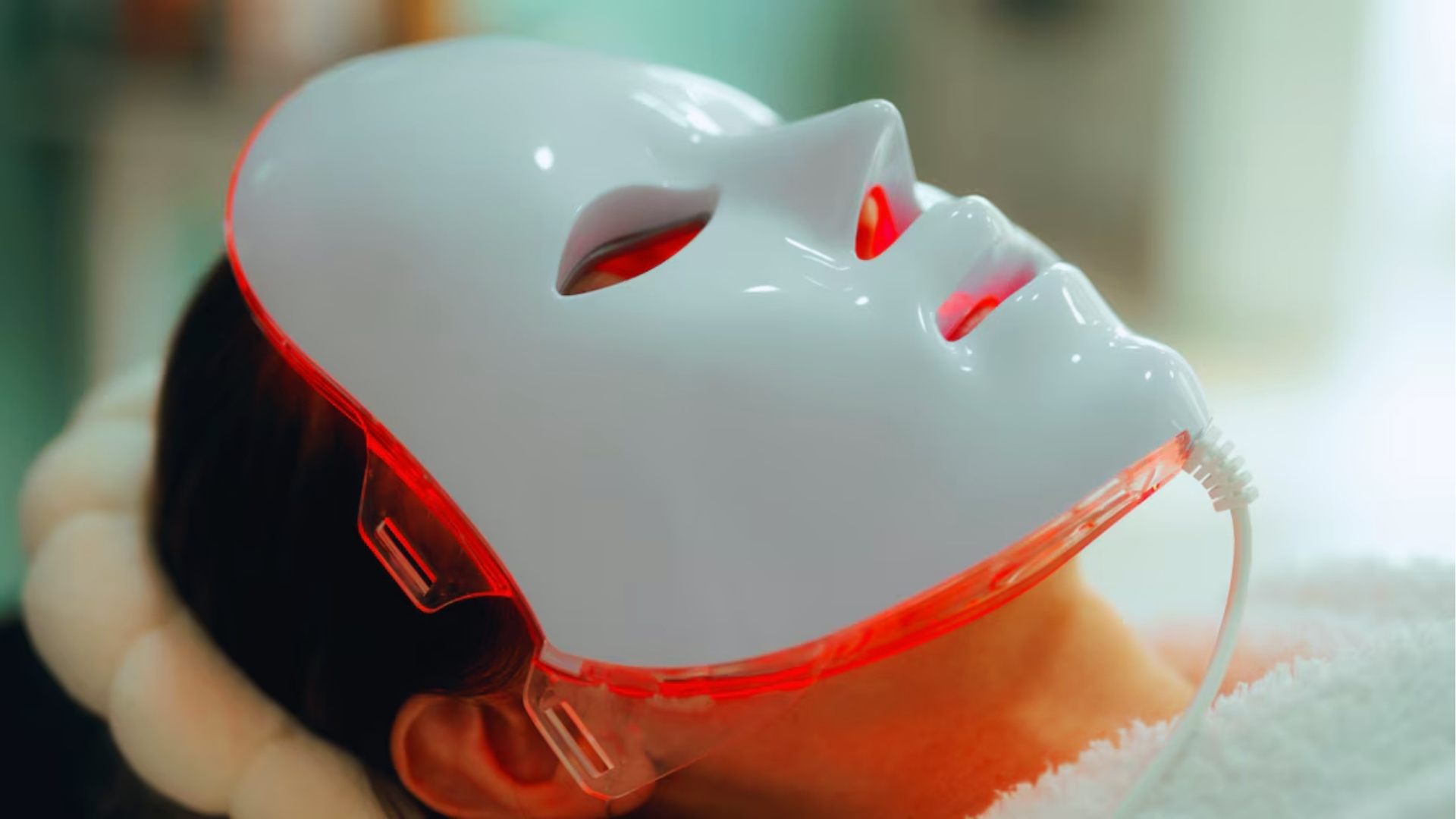
When used regularly and correctly, red light therapy delivers real results over time.
Improved Skin Texture and Tone: With consistent use, skin feels smoother and looks more even. Many users notice a reduction in rough patches and uneven pigmentation.
Reduced Fine Lines and Wrinkles: Collagen builds gradually. Most people see noticeable changes in fine lines after 6 to 12 weeks of regular sessions.
Faster Healing and Radiance: Skin heals faster from small breakouts and post-acne marks. Over time, the overall glow and clarity of the skin improve significantly.
Safety Tips for Facial Red Light Therapy
Simple precautions that keep your skin safe and your results consistent.
- Daily use over long periods can cause skin fatigue, increased redness, or dryness. Take a few days off if any of these appear.
- Once you notice irritation, restart at a lower frequency instead of jumping back to your usual routine.
- Keep your device 6 to 12 inches away from your face. Closer distance does not speed up results.
- Always stick to the recommended session time. Extending it will not improve outcomes and may stress your skin.
- Wear goggles or eye covers during every session. Direct eye exposure over time is not safe, even with red light.
- If your device does not include eye protection, buy a pair before your first use.
Conclusion
After months of using red light therapy, I can honestly say that sticking to a simple routine made all the difference.
How often to use red light therapy on your face really comes down to your skin type and goals, but 3 to 5 times a week is a great starting point.
Be consistent, give it time, and adjust as your skin responds. Results don’t happen overnight, but they do happen.
If this helped you, drop a comment below or share it with someone who could use it.
Frequently Asked Questions
Can I use red light therapy on my face every day?
Daily use is generally not recommended for long-term routines. Giving your skin rest days helps it recover and respond better to each session.
How long does it take to see results from red light therapy on the face?
Most people start noticing changes in skin texture and tone within 4 to 8 weeks. Fine lines and deeper concerns take longer, usually around 12 weeks.
Is red light therapy safe for all skin types?
Yes, it’s generally safe for all skin types. However, people with very sensitive skin should start with shorter sessions and lower frequency to avoid irritation.
What is the best time of day to use red light therapy on the face?
There is no single best time, but many people prefer using it in the morning or evening as part of their skincare routine after cleansing.
Can red light therapy make acne worse before it gets better?
In some cases, yes. Increased cell activity early on can temporarily bring clogged pores to the surface. This usually settles down after the first few weeks of consistent use.