How to Lighten Skin Safely: Complete Guide

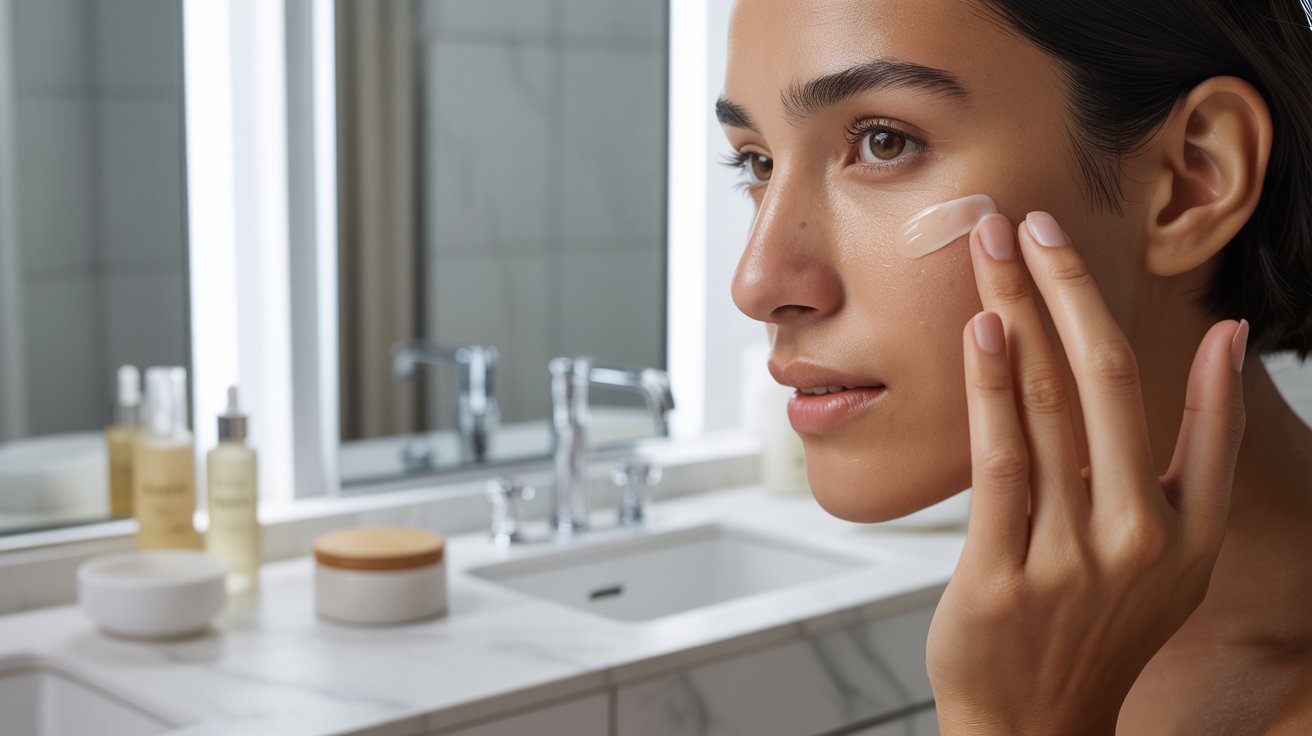
Want to lighten your skin but not sure where to start? You’re not alone. A lot of people deal with dark spots, uneven tone, or post-tan dullness and just want real answers.
This guide covers everything. From dermatologist-approved treatments to natural home remedies, I break it all down in simple terms.
No false promises. No risky shortcuts. Just practical, safe advice backed by what actually works.
Let’s get into it.
Understanding Skin Tone and Pigmentation
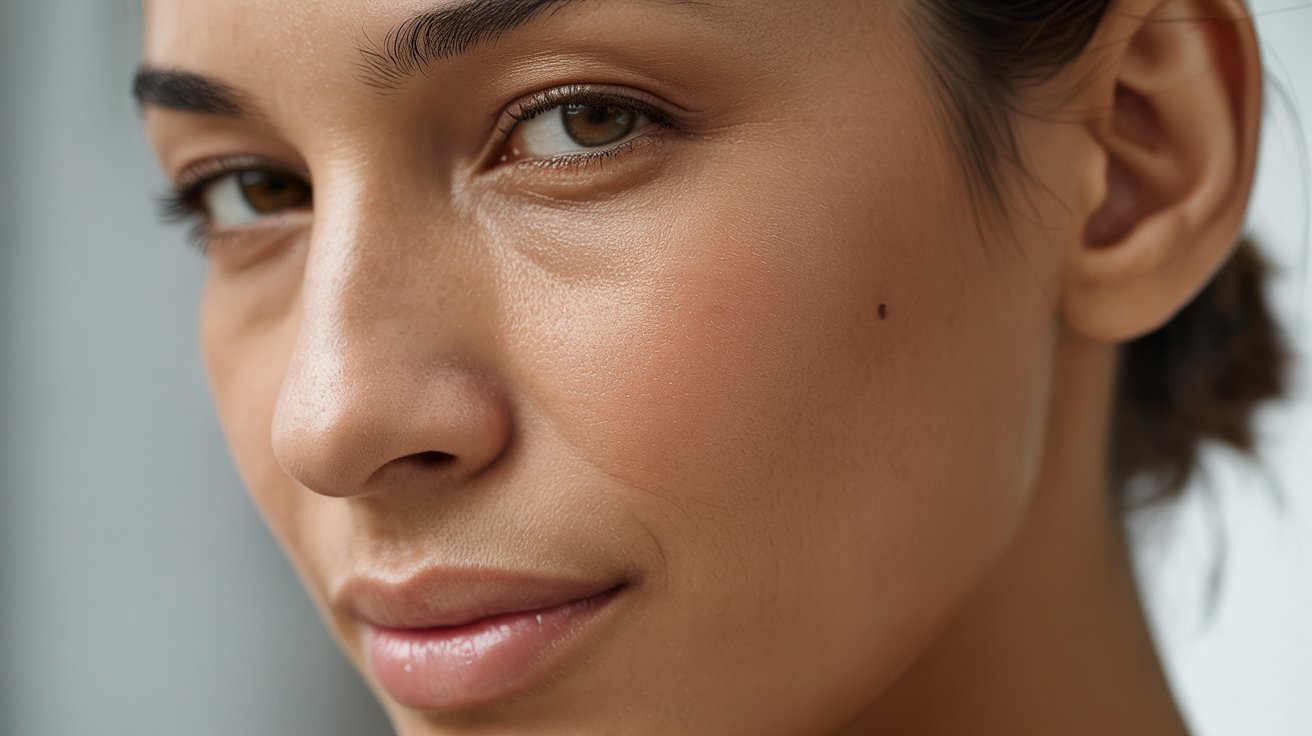
Your skin tone is shaped by melanin, and knowing how it works makes every lightening method make more sense.
Skin color comes from a pigment called melanin. The more melanin your skin produces, the darker your complexion.
This production is triggered by sun exposure, hormonal shifts, inflammation, and even certain medications.
Hyperpigmentation happens when melanin is overproduced in specific areas. This shows up as dark spots, uneven patches, or a dull overall tone. Everyone’s baseline skin tone is genetic.
Lightening products work on surface pigmentation, not your natural complexion.
How to Lighten Skin Safely (Dermatologist-Approved Methods)

Safe skin lightening starts with the right ingredients and the right approach, not the fastest one.
Topical Treatments (Creams and Serums)
The easiest place to start is a good topical product with proven ingredients.
Look for creams and serums with niacinamide, vitamin C, alpha arbutin, or kojic acid. These slow down melanin production over time.
Results take 4 to 8 weeks of daily use. Always apply at night and follow up with SPF in the morning.
Chemical Exfoliation (AHAs and BHAs)
Exfoliating acids remove dead skin cells that make your complexion look dull and uneven.
AHAs like glycolic acid work on the surface for general brightening. BHAs like salicylic acid go deeper, making them better for acne-prone skin.
Start with once or twice a week. Over-exfoliating causes redness and more pigmentation.
Professional Treatments (Laser, Peels)
For deeper pigmentation, professional treatments give faster and more targeted results.
Chemical peels use stronger acids to remove layers of uneven skin. Laser treatments target and break down melanin directly.
Both need a licensed professional and multiple sessions. Aftercare is critical.
Ingredients That Actually Work
Not all brightening ingredients are created equal. Here are the ones with real evidence behind them
Here are the updated ingredient bullets
- Kojic Acid: comes from fungi, slows melanin production
- Azelaic Acid: works well on dark spots and melasma, gentle on sensitive skin
- Niacinamide: reduces pigment transfer between skin cells
- Vitamin C: antioxidant that fades existing dark spots
- Alpha Arbutin: a stable, milder alternative to hydroquinone
How to Lighten Skin Naturally and Permanently: Myth vs Reality
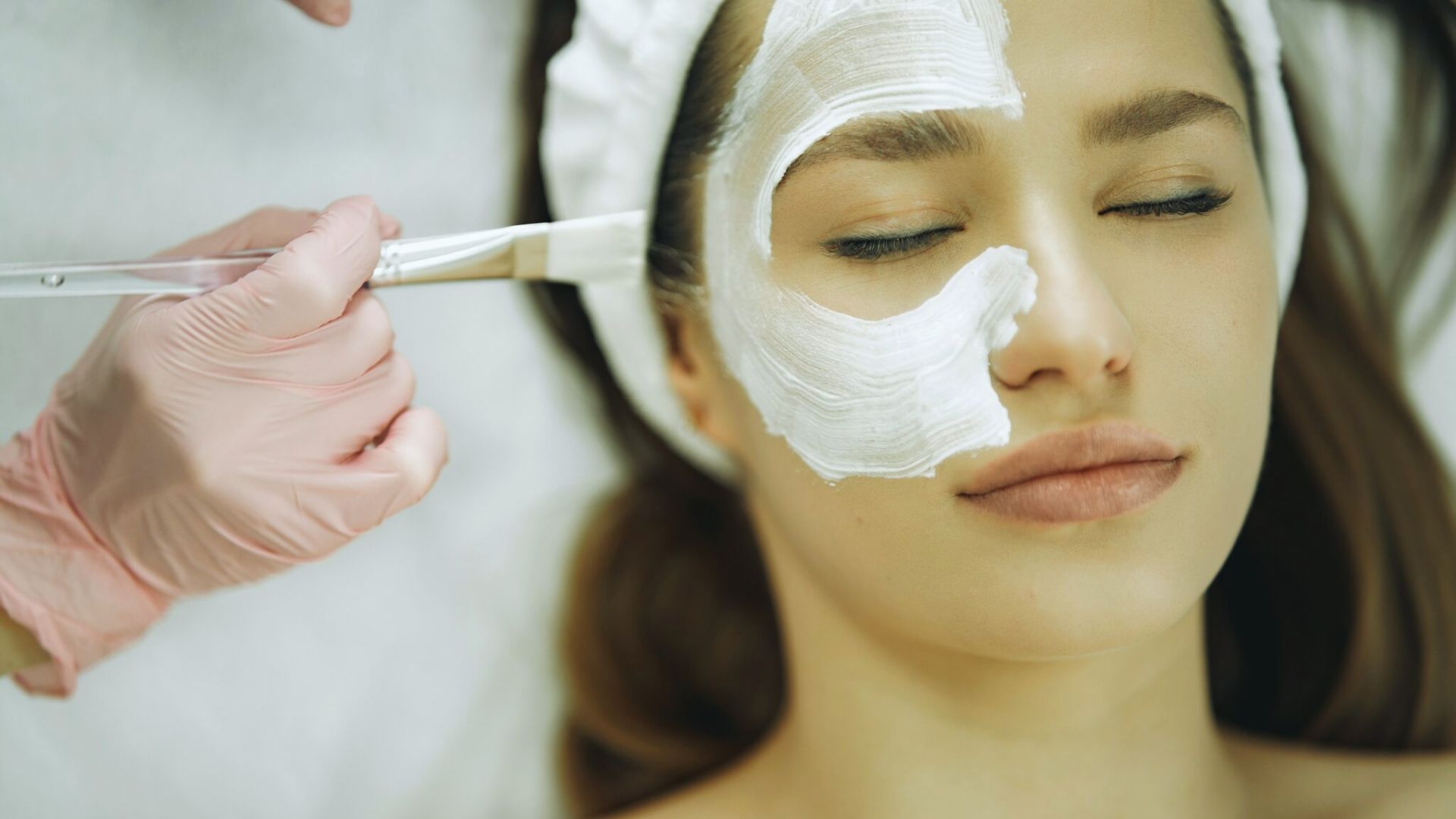
Permanent skin lightening is mostly a myth, and knowing the difference protects you from false promises.
Can You Lighten Skin Permanently?
The honest answer is no, not without ongoing care.
Skin lightening treatments reduce excess pigmentation. But your skin keeps producing melanin. Sun exposure, hormones, and aging continue affecting your tone over time.
Maintenance is always part of the equation.
Long-Term Skin Brightening vs Temporary Results
Some results last longer than others depending on the method.
Laser treatments and peels offer longer-lasting results than home remedies. But even these require sun protection and follow-up care. Without SPF, pigmentation will return.
Safe Expectations You Should Set
Before starting any lightning routine, be honest about what’s realistic.
Expect gradual improvement over weeks or months. Even tone and reduced dark spots are achievable goals. Dramatically changing your natural complexion is not.
How to Lighten Skin After Sun Tan
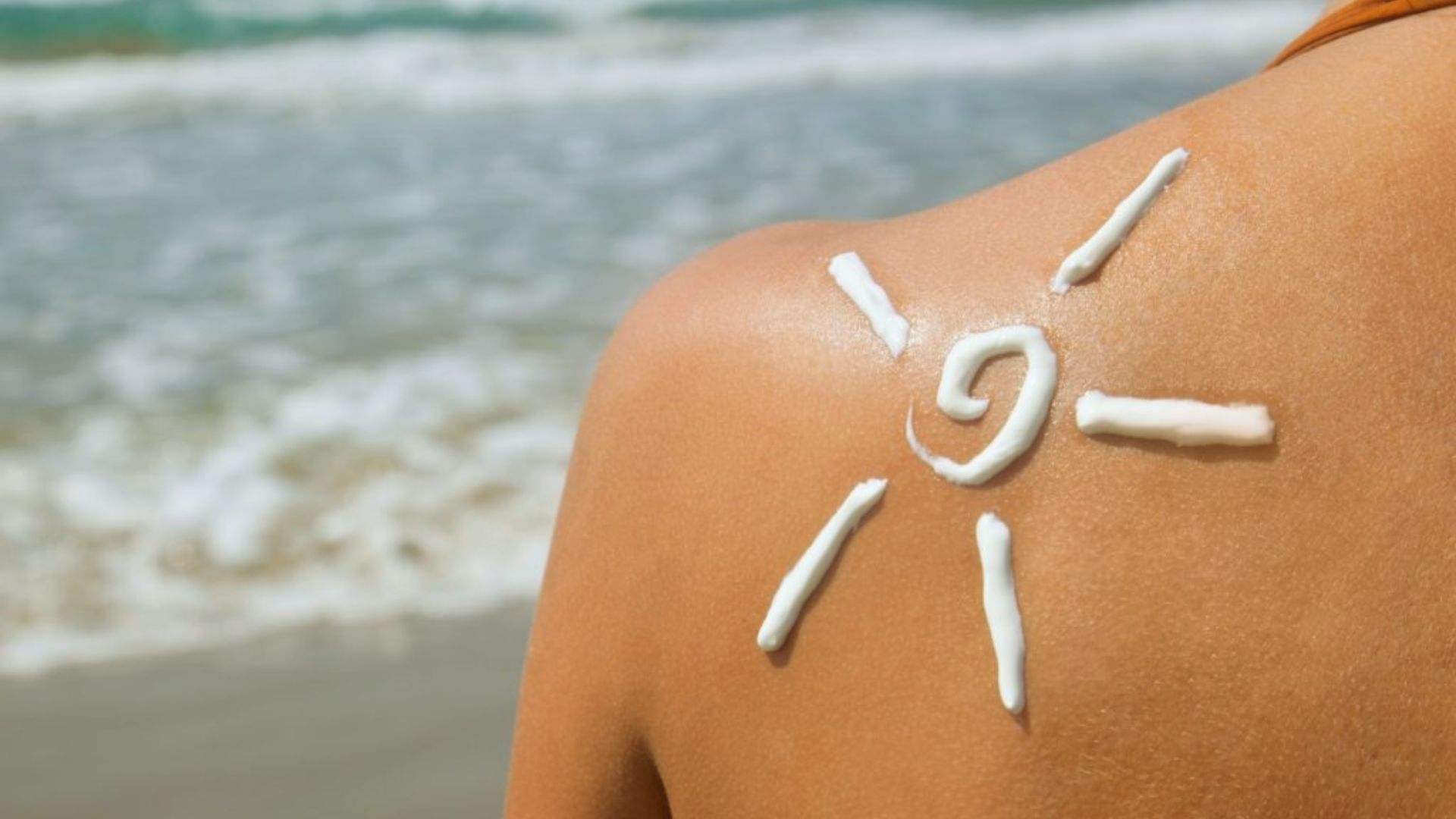
A tan from sun exposure fades on its own, but the right approach speeds that process up safely.
How to Lighten Skin from Sun Tan Quickly
The fastest safe way to fade a tan is consistent exfoliation paired with brightening ingredients.
Use a gentle AHA two to three times a week. Follow with vitamin C in the morning and niacinamide at night. Stay out of the sun while your skin recovers.
How to Lighten Skin After Sunburn Safely
Sunburned skin is already damaged, so the approach needs to be gentler.
Don’t exfoliate right away. Let the burn heal first with aloe vera and a basic moisturizer. Once redness is gone, slowly introduce brightening ingredients.
Best Ingredients for Tan Removal
- Vitamin C: fades surface pigmentation fast
- Lactic Acid: gently exfoliates and brightens
- Aloe Vera: soothes and supports skin recovery
- Niacinamide: reduces dark patches left after tanning
How to Lighten Skin Tone for Different Needs
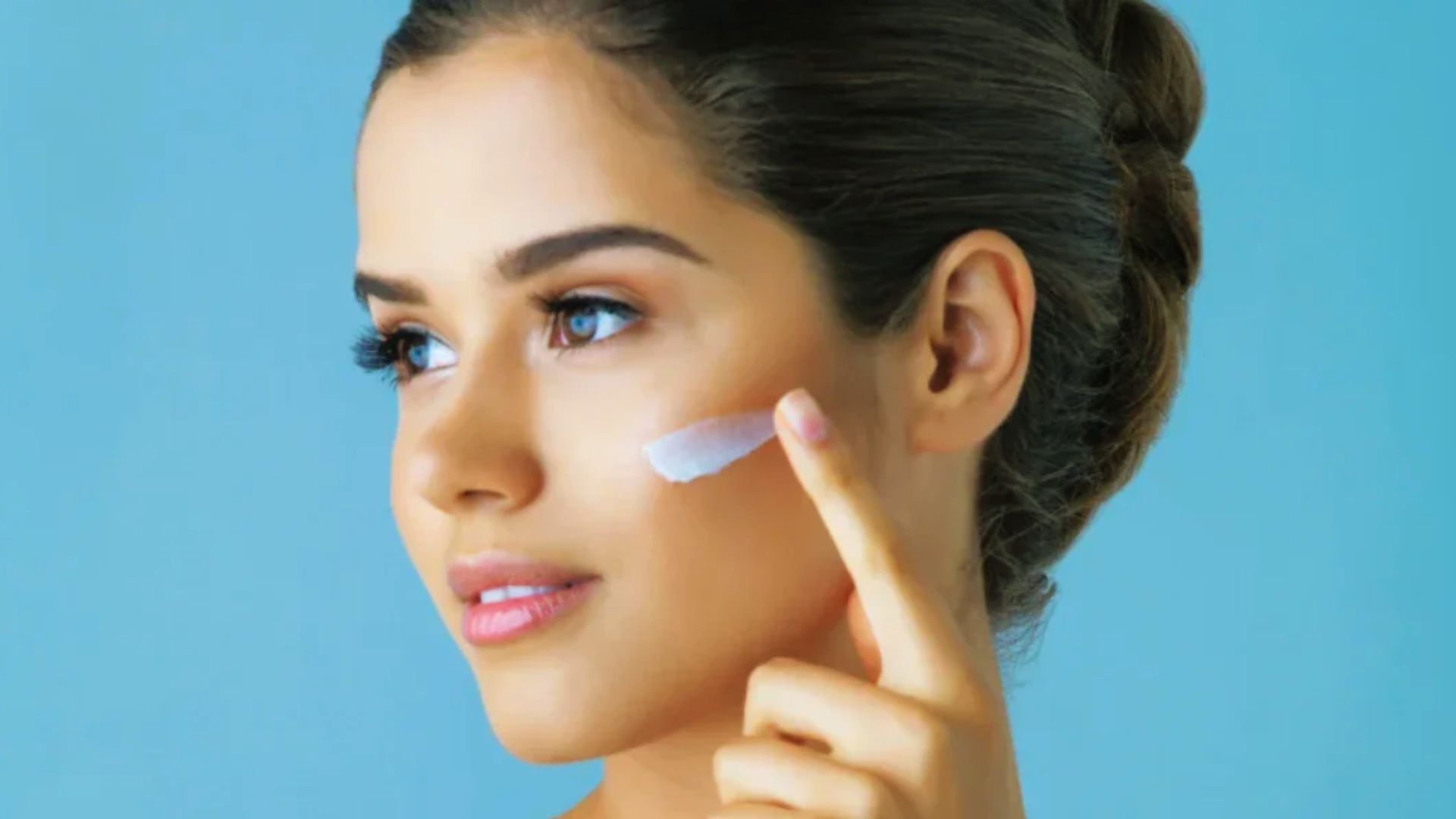
Not everyone’s skin responds the same way, so a flexible approach works better than a fixed plan.
How to Lighten Skin Tone Overall
For overall brightening, vitamin C in the morning and a gentle AHA at night is a solid starting combo.
Pair it with good hydration and SPF daily, and you’ll start seeing a more even complexion within a few weeks.
How to Lighten Skin Color Evenly
Uneven skin tone often comes from patchy melanin deposits in specific areas.
Use targeted treatments on darker spots and a general brightening routine on the rest of your face. Niacinamide works well across the whole face without being too harsh in any one area.
Targeted Areas: Sensitive Skin Considerations
Sensitive skin needs a slower, gentler approach than most routines suggest.
Skip harsh acids and high-concentration products. Stick with azelaic acid, aloe vera, and mild exfoliants. Always patch tests before applying anything new.
Common Side Effects and Risks
Not all skin lightening approaches are safe, and knowing the risks matters before you start.
Dangers of Unsafe Skin Lightening Products
Products sold without regulation often contain mercury, steroids, or unlicensed bleaching agents.
These can cause skin thinning, burns, hormonal disruption, and in severe cases, organ damage. If a product has no listed ingredients or promises instant results, avoid it.
Side Effects of Hydroquinone and Steroids
Hydroquinone is a prescription-strength lightening agent. It works, but it has real risks.
Long-term use can lead to ochronosis, where skin paradoxically darkens. Steroids can thin skin, cause acne, and trigger rebound darkening when stopped.
Long-Term Skin Damage Risks
Ignoring these risks can cause damage that’s much harder to fix than the original pigmentation.
If you’re using prescription-strength products, do it under medical supervision only.
Tips for Safe and Effective Skin Lightening
Small habits, done consistently, make the biggest difference in your results.
- Always patch test new products before applying them to your face or body
- Stick to dermatologist-approved ingredients and skip anything unregulated
- Stay hydrated and eat foods rich in vitamins C and E
- Consistency wins over quick fixes every time
- Wear SPF every day, even on cloudy days or when staying indoors
Conclusion
I’ve spent a lot of time figuring out what actually works for skin lightening, and honestly, the biggest lesson is this: patience beats shortcuts every time.
When I stopped chasing fast fixes and just stayed consistent, my skin started looking better than ever.
If you’ve been dealing with dark spots, tan, or uneven tone, you’re in the right place. Try one method, give it time, and protect your skin with SPF daily.
Have you tried any of these tips? Drop a comment and tell me what worked for you!
Frequently Asked Questions
How to lighten skin naturally at home?
Use gentle ingredients like aloe vera, turmeric, or lactic acid-based products consistently. Results take a few weeks but are safe and gradual.
How to lighten skin tone safely?
Stick to dermatologist-approved ingredients like niacinamide, vitamin C, or azelaic acid, and always wear SPF daily to protect your progress.
Can I lighten my skin permanently?
Not completely. You can maintain a brighter, more even tone long term, but ongoing sun protection and skincare are always needed to keep results.
How to lighten skin after sun tan quickly?
Exfoliate gently with lactic acid or glycolic acid and use a vitamin C serum daily. Avoid sun exposure during recovery to see faster fading.
Is it safe to lighten sensitive areas?
Yes, but only with products made for sensitive skin. Avoid harsh acids or bleaching creams and always consult a dermatologist for intimate areas.