Why Do Pimple Patches Turn White? Explained


Ever stuck a pimple patch on at night and woke up to a white, puffy dot? You’re not alone. This article explains exactly why pimple patches turn white and what that white stuff actually is.
I’ll break it down simply, using real science, so you stop guessing. No fluff. No confusing terms.
I’ve used these patches myself, and once I understood how they actually work, I stopped wasting them.
Here’s what we’ll cover: why patches turn white, what the white material really is, and when to remove them.
Why Do Pimple Patches Turn White?
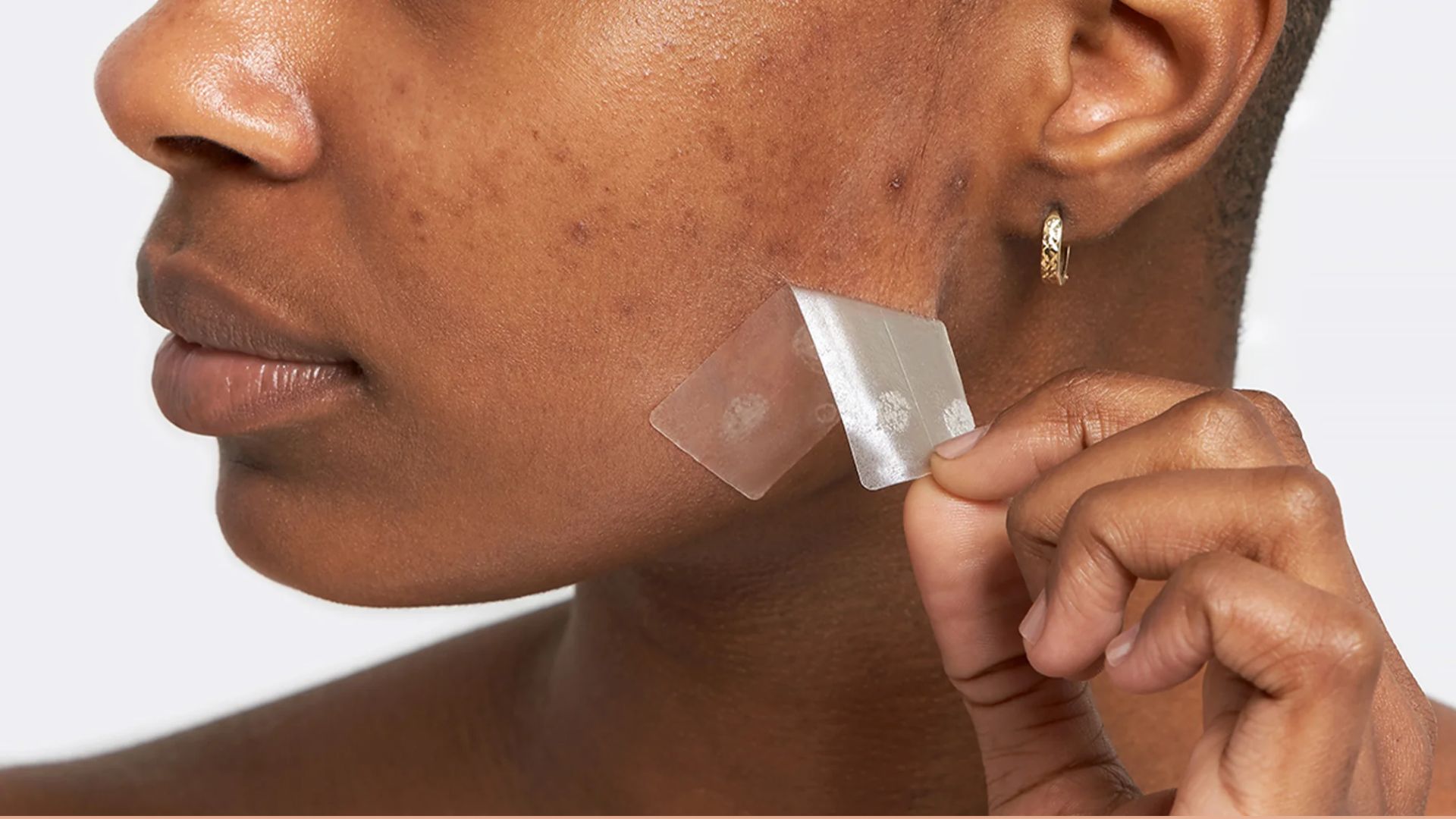
Pimple patches turn white because they absorb fluid from your pimple. Simple as that.
Most patches use a material called hydrocolloid. It pulls out pus, oil, and fluid near the skin’s surface. As it absorbs, the patch goes from clear and flat to white and raised.
When it touches moisture, the gel swells and turns opaque. The more fluid it absorbs, the whiter it gets.
Once the patch is fully white, it’s done. That’s your sign to take it off.
Why Do Pimple Patches Turn White?
The white color is a direct result of the hydrocolloid reacting with the fluid in your pimple. It’s a physical process, not a random one.
Absorption of Pus and Oil
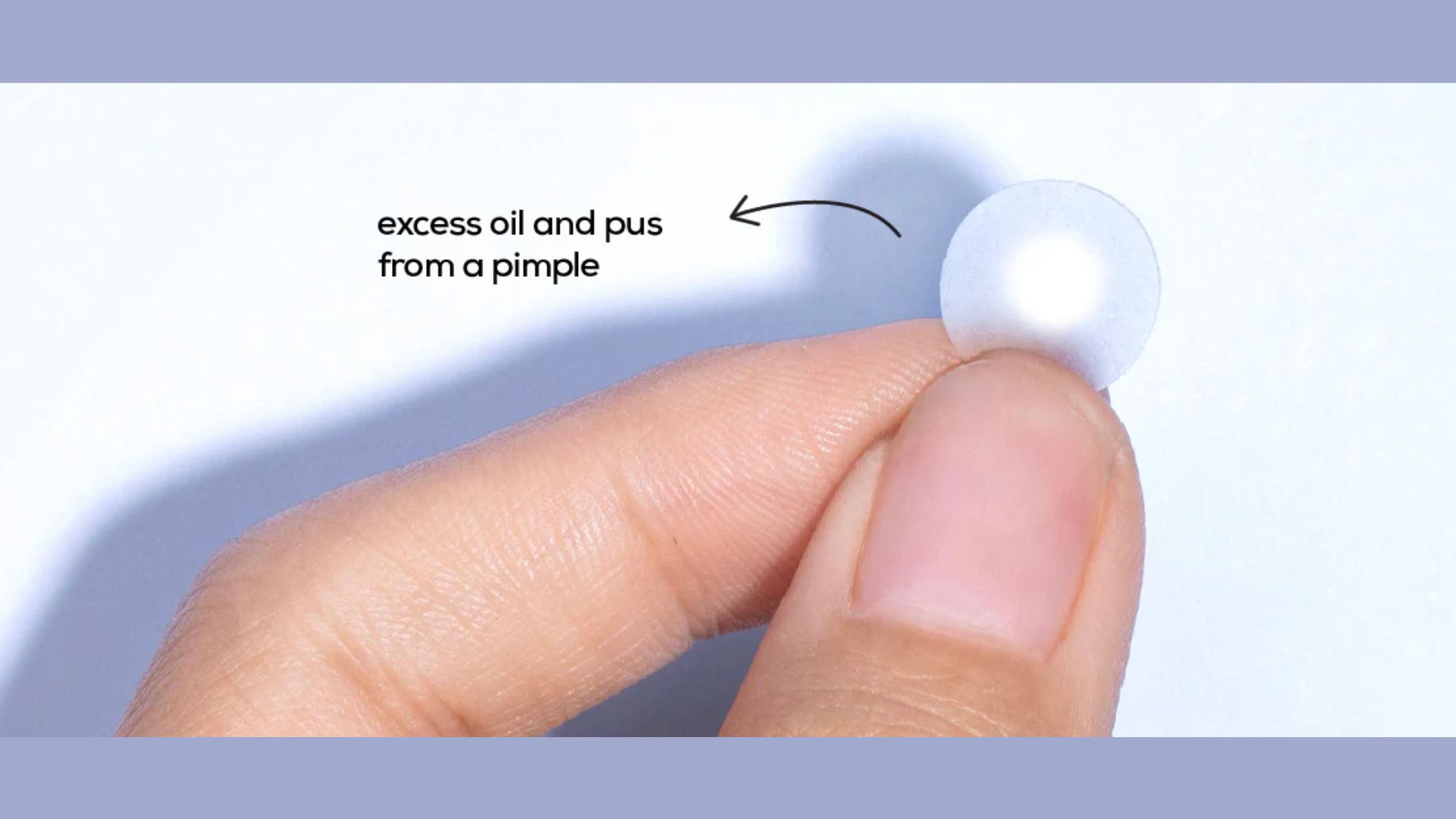
Hydrocolloid pulls out the fluid sitting inside or near the surface of a pimple. This includes pus, sebum, and water. As the patch absorbs more fluid, it visibly changes color.
It goes from thin and clear to thick and white.
Hydrocolloid Reaction to Moisture
When hydrocolloid touches moisture, it swells and turns opaque. Think of it like a dry sponge absorbing water. The material expands and clouds over as it fills up.
This reaction is what creates that visible white spot on the patch.
Saturation of the Patch
When the patch is fully white and raised, it has absorbed as much as it can hold. This is the sign that it’s done working. At this point, you should remove it.
Leaving a saturated patch on longer won’t do anything extra and it may lose its grip on your skin.
What Is the White Stuff on Pimple Patches?
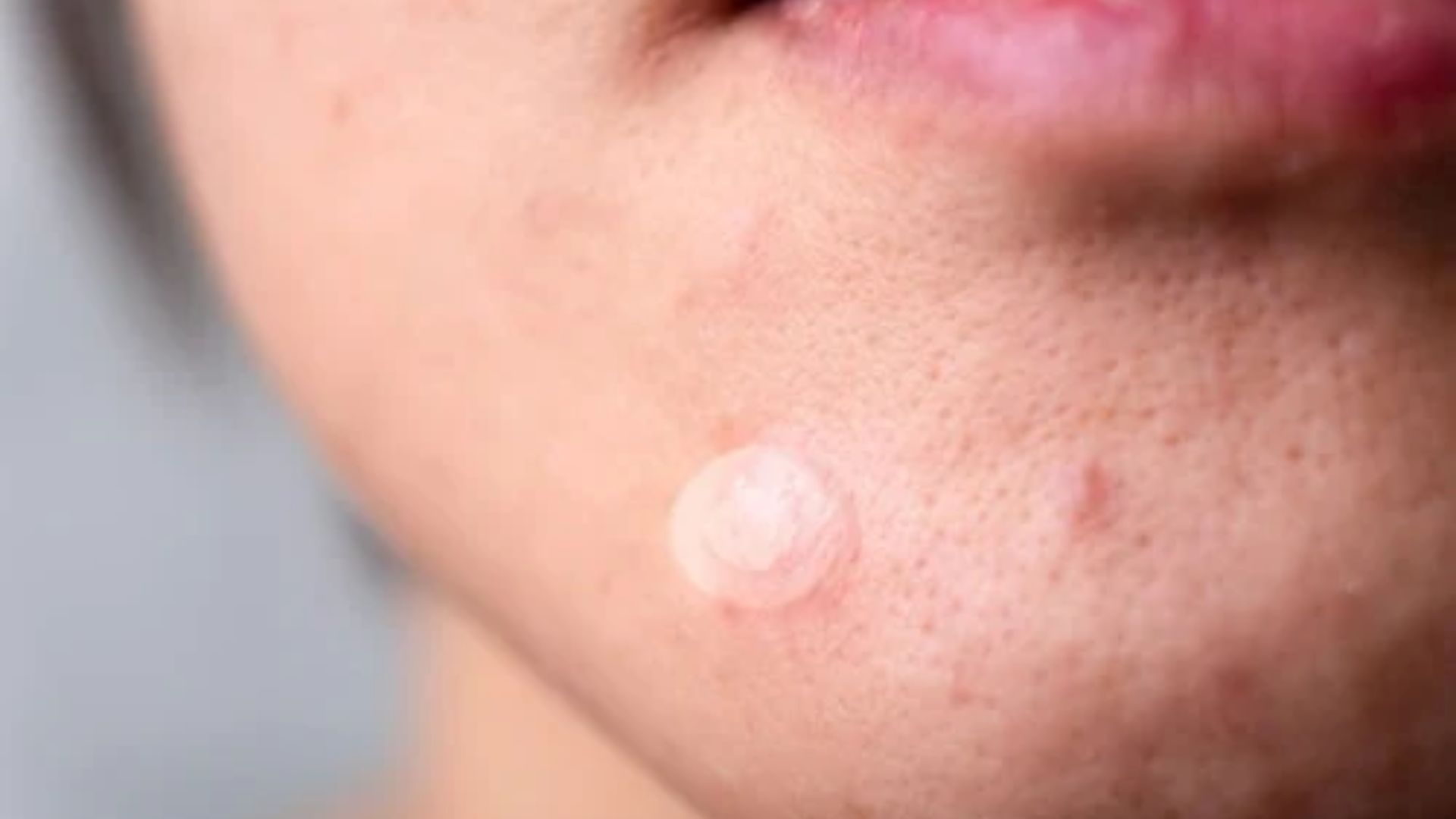
The white substance on a used pimple patch is not just pus. Most people get this wrong.
The Real Composition
The white stuff is a combination of two things: the fluid absorbed from your pimple and the hydrocolloid gel that has swollen from contact with moisture.
A lot of what you see is actually the patch material itself after it reacts, not purely what came out of your skin.
Why It Looks More Than It Is
The hydrocolloid gel expands significantly when it absorbs moisture. So the white blob often looks much larger than the actual amount of fluid extracted.
It can look dramatic, but a lot of that size comes from the gel swelling up, not from gunk being pulled out of your pimple.
Is It a Good or Bad Sign?
A white pimple patch is a good sign. It means the patch is actively doing its job.
Why Whitening Means It’s Working
When the patch turns white, the hydrocolloid is absorbing fluid from the pimple. This process helps bring down swelling, reduce redness, and flatten the pimple over time.
It also keeps you from touching or picking at the area, which speeds up healing and reduces the risk of scarring.
When to Remove the Patch
Remove the patch after 6 to 8 hours or once it turns fully white and opaque. You can apply a fresh patch if the pimple still needs more time.
There’s no benefit to leaving a fully saturated patch past this point.
What If the Patch Doesn’t Turn White?

Not all patches turn white, and that’s completely normal. It depends on the type of pimple you’re dealing with.
Less Fluid in the Pimple
Small or early-stage pimples don’t have much fluid near the surface yet. If you apply a patch at this stage, there isn’t enough moisture for the hydrocolloid to absorb.
The patch stays clear but it still protects the area and keeps bacteria away while the pimple develops.
Deep or Blind Pimples
Blind pimples form beneath the skin’s surface. The fluid is trapped deep below where the patch can reach.
A surface patch won’t be able to extract anything from this type of pimple. It won’t turn white, but it still acts as a protective cover and stops you from making things worse by touching it.
How to Use Pimple Patches Correctly
Using a pimple patch the right way makes a real difference in how well it works.
Step-by-Step Application
Start with a clean, dry face. Any oil or product on your skin will stop the patch from sticking properly. Peel the patch carefully and press it firmly over the pimple, smoothing down the edges.
Leave it on for 6 to 8 hours, ideally overnight. If the pimple still needs more time after removal, apply a fresh patch.
Skincare Tips for Better Results
Don’t apply serums, oils, or moisturizers directly on or around the pimple before placing the patch. These products create a barrier that blocks absorption.
For stubborn pimples that don’t clear up after one night, use patches consistently over several nights for the best outcome.
Do Pimple Patches Work for All Acne Types?

Pimple patches are not a one-size-fits-all solution. They work well for some acne types and not at all for others.
They work best on whiteheads and popped pimples where fluid sits close to the skin’s surface. The hydrocolloid can reach it easily, and the patch turns white as expected.
Cystic and nodular acne is a different story. That inflammation sits too deep for a patch to reach. These breakouts usually need prescription treatments or a visit to a dermatologist.
Conclusion
I remember staring at my first white pimple patch thinking, “Did that actually work?” Honestly, yes, it did.
When your patch turns white, that’s the hydrocolloid doing exactly what it’s supposed to. It absorbed fluid, protected your skin, and helped flatten the pimple overnight.
Now you know what’s really happening under that patch.
If this helped you, drop a comment below. Share it with a friend who swears by pimple patches too. And check out our other skincare guides for more no-nonsense tips.
Frequently Asked Questions
Why did my pimple patch turn white so fast?
Some pimples have a lot of fluid close to the surface. The patch absorbs it quickly, which is why it turns white faster than you’d expect.
Can I reuse a pimple patch after it turns white?
No. Once a patch turns white and fills up, it has reached its limit. Peel it off and apply a fresh one if needed.
Is it bad if my pimple patch stays clear?
Not at all. A clear patch usually means the pimple is early-stage or doesn’t have much fluid near the surface. The patch still helps protect the area.
How long should I wear a pimple patch?
Six to eight hours is the recommended time. Many people wear them overnight for best results without over-saturation.
Why does the white stuff look like so much came out?
The white material is mostly the hydrocolloid gel that has swollen up with moisture. Only a portion of it is actual fluid from the pimple, so it often looks bigger than what was really extracted.