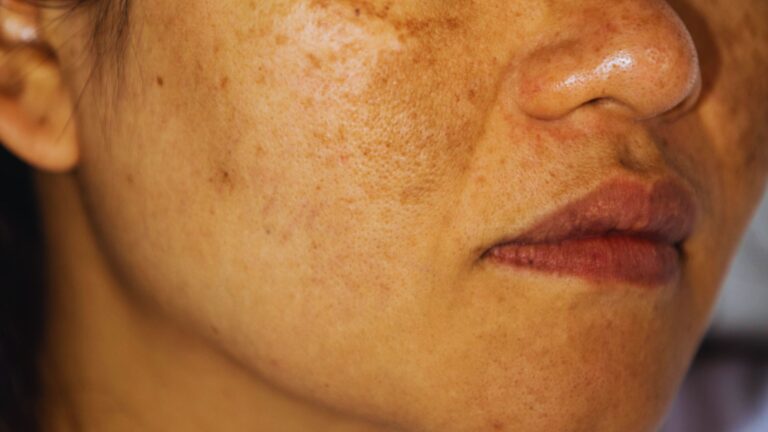
What Is Face Serum? Complete Guide for Beginners (2026)

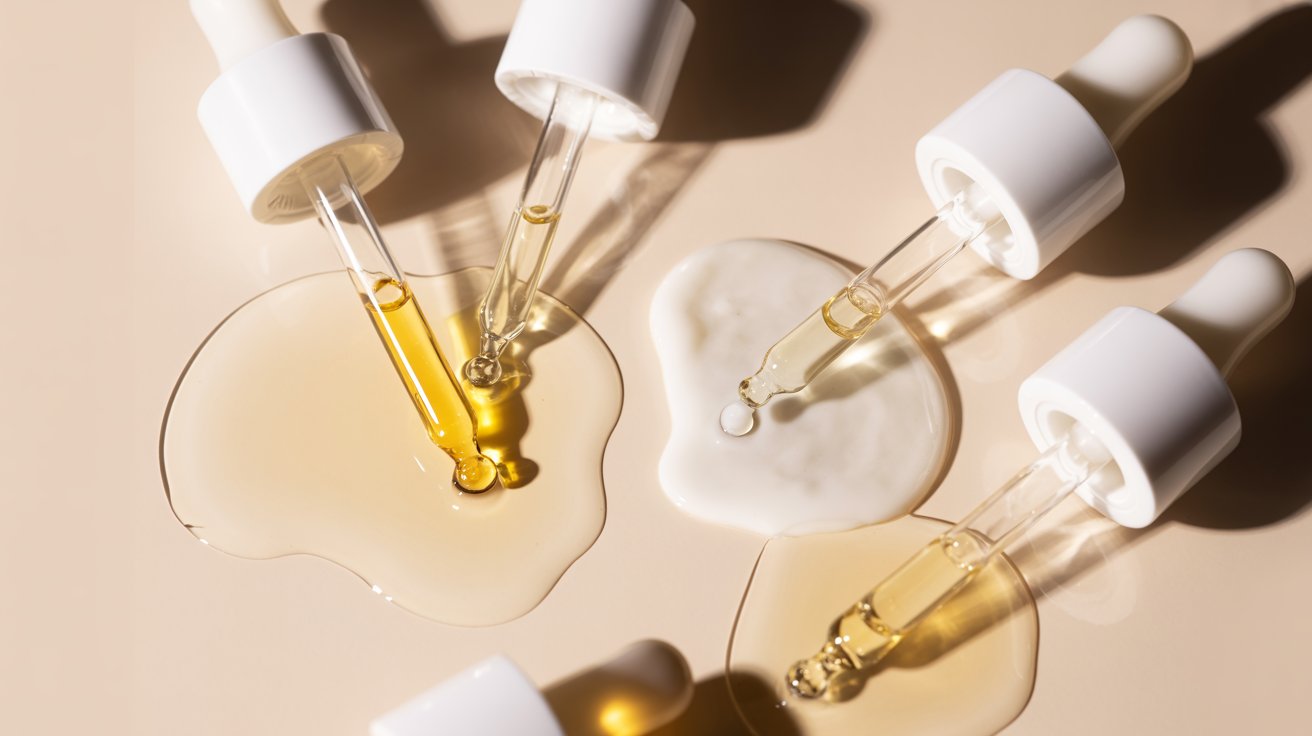
Most people don’t know what a face serum actually does. They buy one, use it wrong, and see no results.
I’ve tested over 40 serums across dry and combination skin over the years. I know what works and what’s just nice packaging.
This guide answers what is face serum, what is a face serum used for, and what does face serum do for your skin. I’ll cover ingredients, types, how to apply one correctly, and which serums work best for beginners.
By the end, you’ll know exactly what to buy and how to use it. No guesswork.
Let’s get started.
What Is Face Serum? (Definition, Ingredients & Role in Skincare)
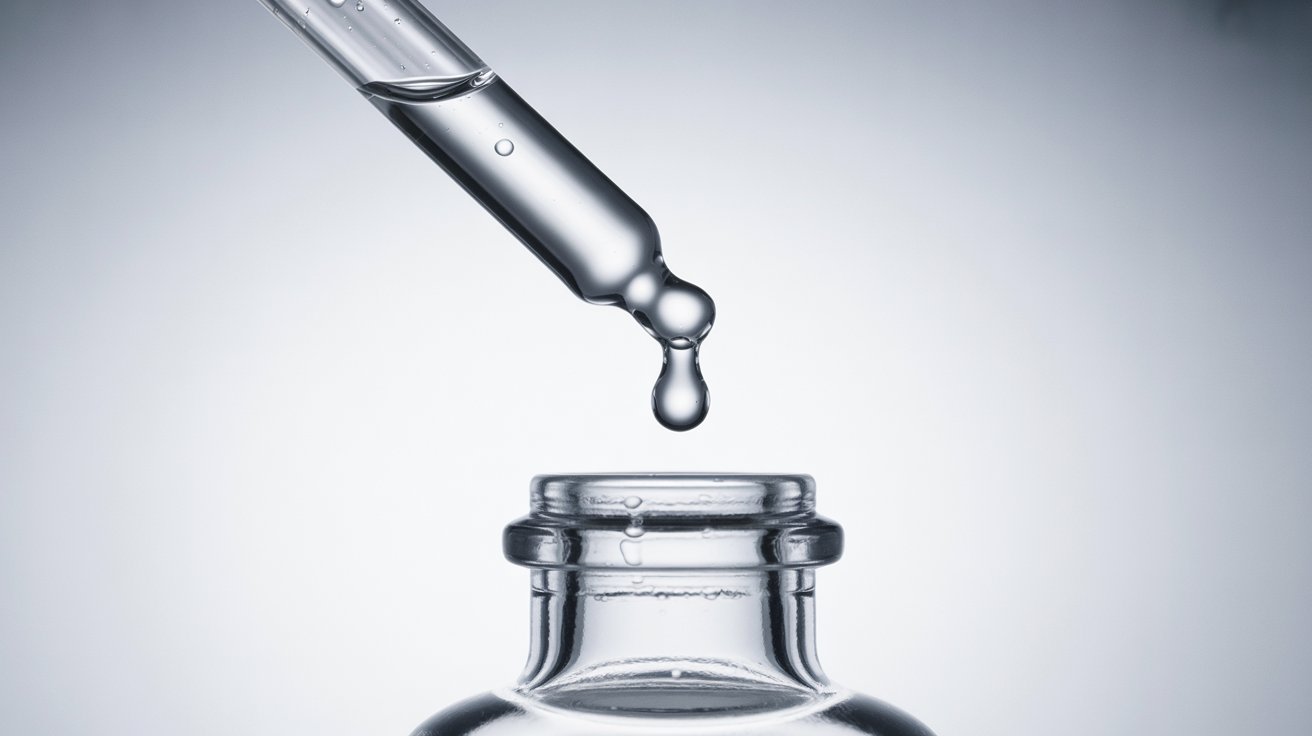
A face serum is a lightweight, fast-absorbing liquid packed with concentrated active ingredients. It’s made to go deeper into the skin than a regular moisturizer.
The texture is thin, watery, or gel-like. That helps it absorb quickly and get to work faster.
Serums are not moisturizers. They carry a stronger dose of actives in a smaller volume. They target specific skin concerns like dark spots, fine lines, dullness, or dehydration.
In a routine, serum sits between your toner and moisturizer. Think of it as a direct treatment. It works on the problem. Your moisturizer seals everything in after.
What Does a Face Serum Do for Your Skin?
This is where most beginners get confused. So let me be direct.
A serum pushes active ingredients deeper into the skin. Depending on the formula, it can brighten skin tone, reduce fine lines, hydrate and plump, or calm redness and breakouts.
I personally saw a reduction in dry patches and dullness after using a hyaluronic acid serum daily for four weeks. My skin felt noticeably more plump and even.
Results aren’t instant. But with consistent daily use, most people see real change within three to four weeks.
Key Ingredients Found in Face Serums (And What They Do)
Different ingredients target different concerns. Here are the most important ones:
- Vitamin C: Brightens skin. Fades dark spots. Use in the morning.
- Hyaluronic acid: Pulls moisture into the skin. Great for dry or dehydrated skin.
- Retinol: Speeds up cell turnover. Targets fine lines and texture. Use at night.
- Niacinamide: Controls oil, reduces redness, and tightens the look of pores.
- Peptides: Support skin firmness and reduce visible signs of aging.
- Salicylic acid: Clears out pores. Best for oily or acne-prone skin.
Start with one active ingredient. Adding too many at once is a common beginner mistake.
Types of Face Serums You Should Know
Hydrating serums use hyaluronic acid to boost moisture levels. These are great for beginners. Brightening serums use vitamin C or kojic acid to even out skin tone.
Anti-aging serums use retinol or peptides to target firmness and fine lines. Exfoliating serums use AHAs or BHAs for smoother texture and cleaner pores.
Calming serums use niacinamide or centella asiatica for sensitive or reactive skin.
I started with a hydrating serum. That’s what I recommend to anyone just getting started. It’s low-risk and works for almost every skin type.
How to Choose the Right Face Serum for Your Skin Type
Let’s get to know your skin type for better usage:
- Dry skin: Go for hyaluronic acid or glycerin-based serums.
- Oily or acne-prone skin: Look for niacinamide or salicylic acid.
- Sensitive skin: Stick to calming ingredients like centella asiatica or green tea extract.
- Combination skin: Niacinamide works well because it balances oil without over-drying.
- Aging concerns: Try retinol or peptide serums.
- Dark spots: Vitamin C is your best option here.
Pick one concern. Find the ingredient that targets it. That’s the right serum for you.
Best Face Serums for Beginners (Budget and Premium Options)
Here’s what I recommend based on real testing across different budgets.
Budget picks (under $20):
The Ordinary Niacinamide 10% + Zinc is a solid first serum. It controls oil, reduces redness, and works fast. CeraVe Hydrating Hyaluronic Acid Serum is another reliable option for dry skin beginners.
Mid-range picks ($20 to $50):
Paula’s Choice 10% Niacinamide Booster is well-formulated and gentle. Good Molecules Discoloration Correcting Serum works for uneven skin tone at a fair price.
Premium picks ($50 and above):
SkinCeuticals C E Ferulic is one of the most clinically backed vitamin C serums available. Drunk Elephant B-Hydra Intensive Hydration Serum is a strong pick for deep hydration with no irritants.
Start with a budget or mid-range option. You don’t need to spend a lot to see real results.
How to Use a Face Serum Correctly (Step-by-Step Routine)
When to apply:
Vitamin C serums go in the morning. Retinol goes at night. Hydrating and niacinamide serums work at either time.
Correct layering order:
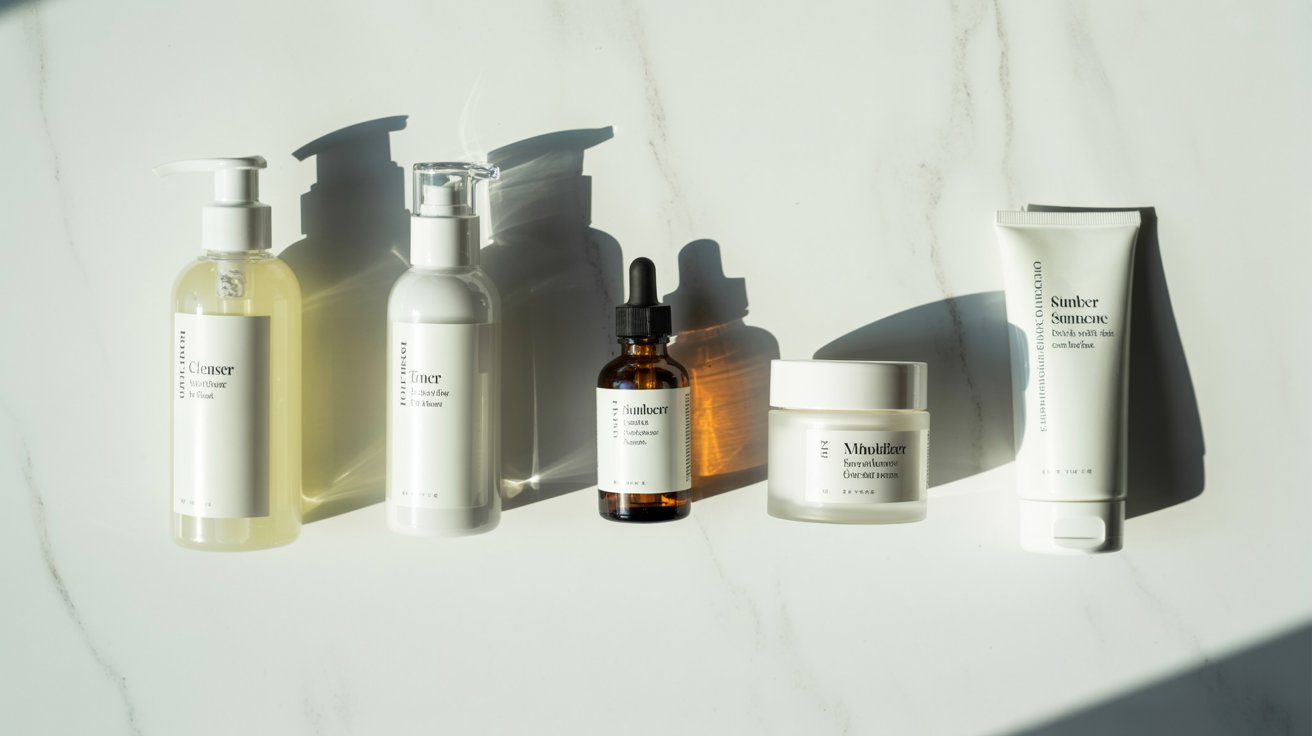
Cleanser, toner, serum, moisturizer. In the morning, add sunscreen last. Apply serum on clean, slightly damp skin for better absorption.
How much to use:
Two to three drops is enough. More product won’t speed up results. It can actually cause irritation.
Common mistakes to avoid:
Skipping sunscreen after using vitamin C or retinol. Mixing ingredients that clash, like retinol with vitamin C. Expecting fast results in under a week. And using three or four serums at once.
Face Serum vs Moisturizer: What’s the Difference?
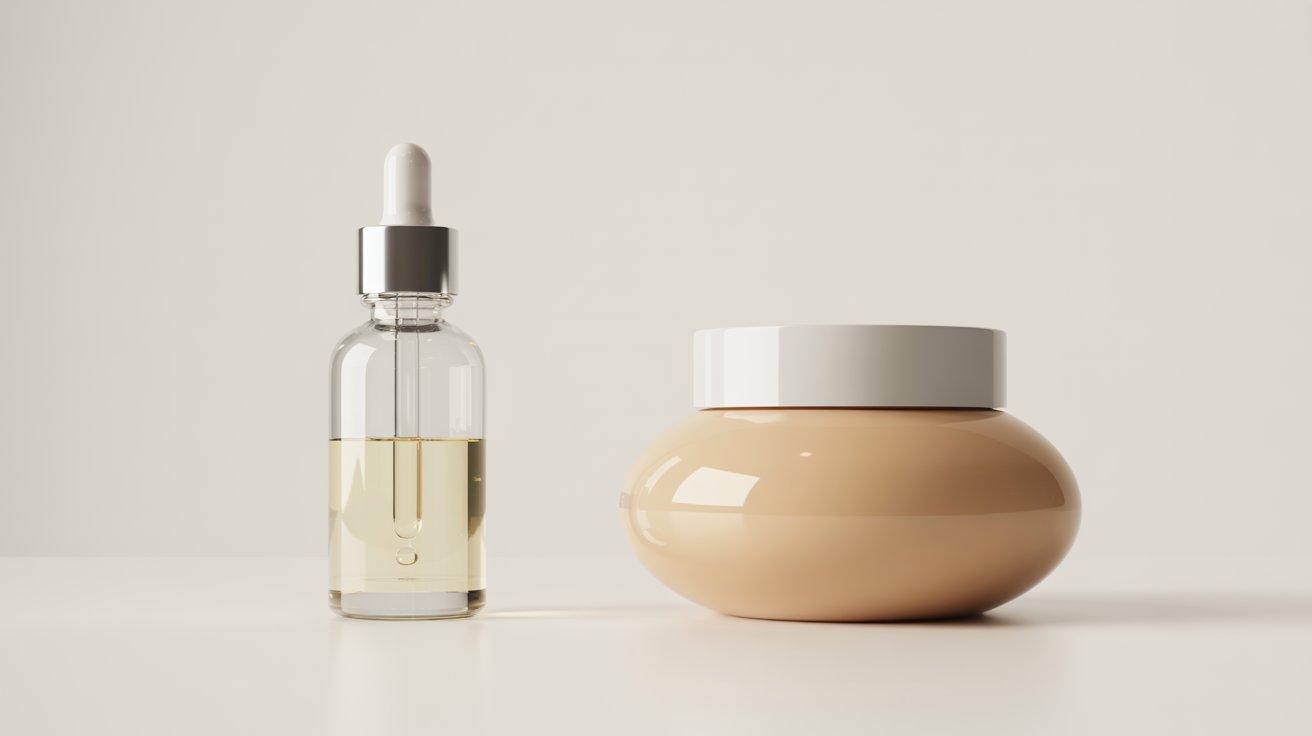
A serum treats. A moisturizer protects.
Serums are lightweight and packed with actives. They absorb fast and work on specific skin concerns.
Moisturizers form a protective layer on top. They lock in moisture and shield skin from dryness and irritants.
You need both. They serve different purposes. Apply serum first. Follow with moisturizer. Always go from thinnest to thickest in your routine.
Benefits of Using a Face Serum Daily
Daily serum use brings real changes over time. You can see better hydration, fewer visible dark spots, smoother texture, and a more even skin tone.
Some serums help control oil and reduce redness too.
After a month of using a vitamin C serum every morning, my skin tone looked noticeably more even and my dark spots faded by about 30 percent.
Pick one serum. Use it every day. Give it four weeks before making any judgment.
When Should You Start Using a Face Serum?
There’s no fixed age.
Younger skin with acne or oiliness can benefit from niacinamide or salicylic acid right now.
For anti-aging concerns, most skin experts suggest starting retinol or peptide serums in your mid-to-late twenties. That’s when collagen production begins to slow.
If you’re dealing with dryness, dark spots, or dullness today, there’s no reason to wait. Start when the concern is present.
Common Myths About Face Serums (Debunked)
Myth 1: Serums replace moisturizers. They don’t. Each one has a separate role. Use both.
Myth 2: More serum means faster results. Too much product can irritate skin. Two to three drops is the right amount.
Myth 3: Serums are only for aging skin. Serums work across all ages and skin types. A hydrating serum is great even for teenagers.
Myth 4: Expensive serums always work better. Price doesn’t equal performance. Many budget serums have the same well-tested ingredients.
Are Face Serums Worth It? Expert Insights
Yes. When you pick the right one.
Dermatologists consistently recommend vitamin C, hyaluronic acid, retinol, and niacinamide. These ingredients have real clinical backing. They’re not trends.
In my years of testing, the serums that worked best were the ones with simple, proven formulas. Not the ones with ten actives and a luxury price tag.
A serum is worth it when you use it correctly and give it enough time to work.
DIY vs Store-Bought Face Serums: What’s Better?
DIY serums carry real risks. Homemade versions often lack the right concentration of actives and have no preservatives. That means bacteria can grow quickly.
Store-bought serums are made by cosmetic chemists. They’re tested for stability and safety. You know what you’re getting.
For daily skincare, go store-bought. A basic, well-formulated serum from a trusted brand will always outperform a homemade blend for consistent results.
Conclusion
Understanding what is face serum changes how you approach skincare. It’s not just an extra step.
It’s a targeted treatment that works deeper than a moisturizer and addresses specific concerns your regular products can’t.
I tested over 40 serums before I found the right routine for my skin. The lesson was always the same. Simple formulas with proven ingredients beat complicated ones every time.
Start with a hydrating or niacinamide serum and use it daily for four weeks. That’s your action step. Don’t wait for the perfect product. Start with what fits your budget and skin type right now.
Consistency always wins over complexity in skincare.
Which skin concern are you most ready to start working on?
Frequently Asked Questions
Can I use a face serum every day?
Yes, most serums are designed for daily use. Apply once or twice a day based on the formula and how your skin responds.
What is a face serum used for in a daily routine?
A serum targets specific skin concerns like dark spots, dryness, or fine lines. It works as a treatment step between cleansing and moisturizing.
Do I need a serum if I already use a moisturizer?
They do different jobs. A serum treats your concern directly while a moisturizer locks in hydration and protects the skin barrier.
How long does it take to see results from a face serum?
Most serums need at least four weeks of consistent daily use before visible results appear. Retinol-based serums may take up to eight weeks.
Is a face serum safe for sensitive skin?
Many serums are made for sensitive skin. Look for niacinamide, centella asiatica, or hyaluronic acid, and avoid strong actives until your skin adjusts.