Moisturizer vs Lotion Guide: Are You Using the Wrong One?


I used to grab whatever was on sale. Lotion, cream, moisturizer. I thought they were all the same thing. They’re not.
Moisturizer vs lotion is one of the most searched skincare questions, and honestly, it makes sense why people get confused.
In this post, I cover what each product is, how to pick the right one for your skin type, and the mistakes most people make.
I’ve tested both and done the research so you don’t have to guess anymore. I’ve been writing about skincare for years, and I’m here to make this simple for you.
Let’s get started.
Moisturizer vs Lotion: What Most People Get Wrong
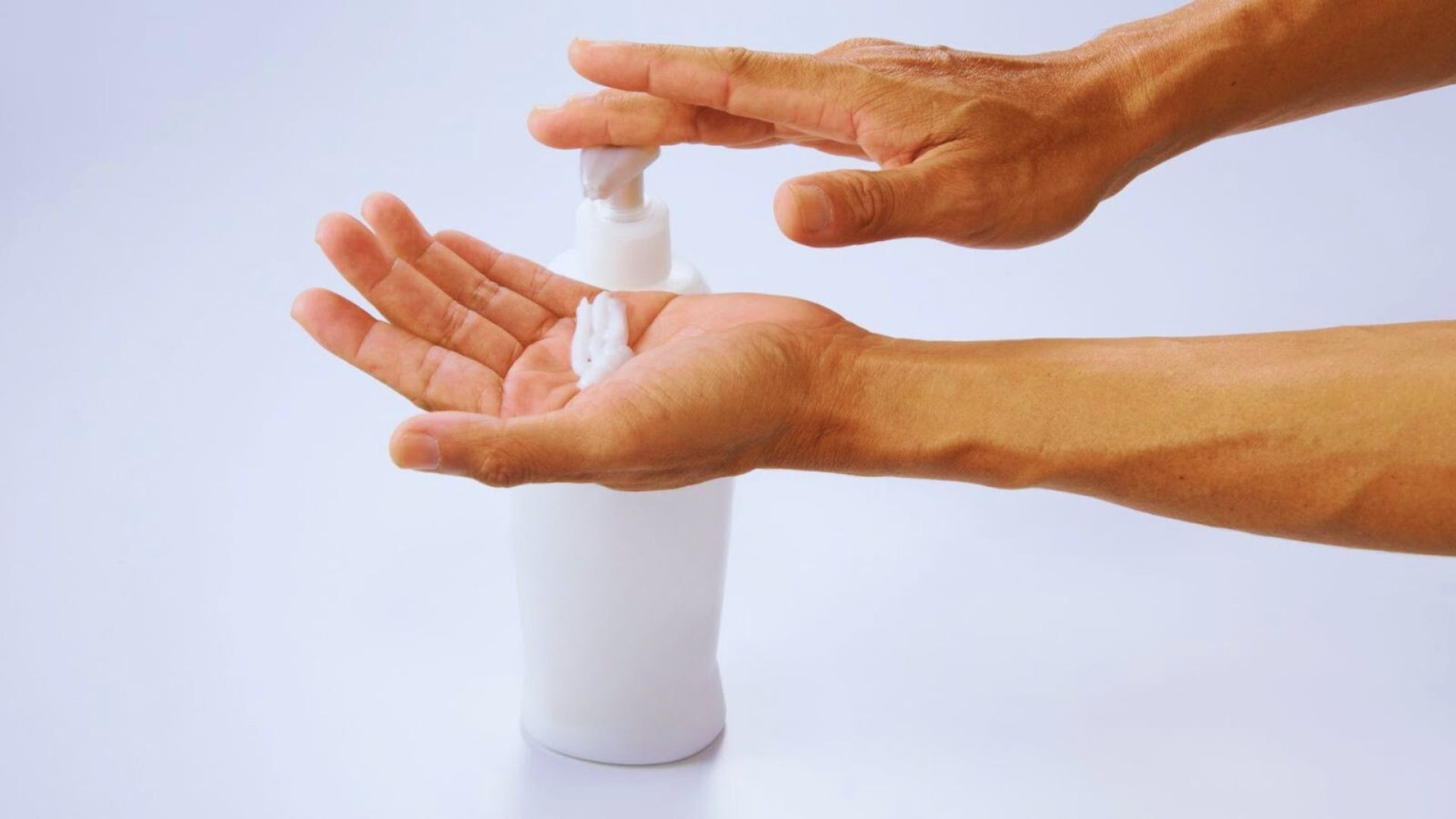
These two products are not the same, and using the wrong one can leave your skin feeling dry, greasy, or just off.
The biggest difference comes down to one thing: oil and water content. Moisturizers, especially creams and ointments, have more oil.
Lotions have more water. That changes how they feel on your skin, how fast they absorb, and what skin types they actually work for.
Once you know this, picking the right product becomes a lot less confusing. It’s a small detail that makes a big difference.
What is a Moisturizer?
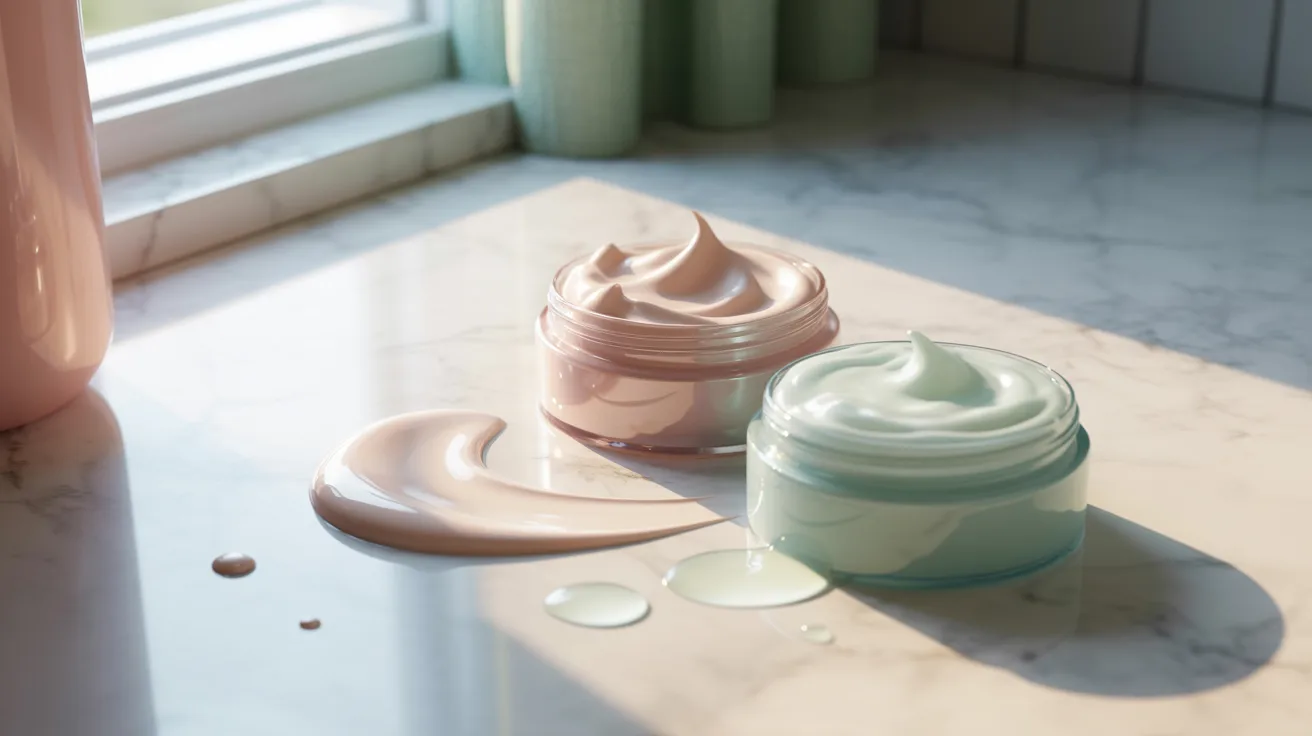
A moisturizer protects your skin barrier, locks in hydration, and keeps your skin calm, soft, and healthy every single day.
It works by pulling water into the skin and sealing it in so moisture doesn’t escape throughout the day.
Regular use can help reduce dryness, flakiness, and irritation over time. Picking the right one for your skin type makes a big difference in how your skin looks and feels long term.
Formulation, Texture, and Absorption
Moisturizers come in creams and ointments. These have more oil content, making them richer and more protective.
Lighter moisturizers have more water, so they feel less greasy. Thicker creams provide long-lasting hydration throughout the day.
Lighter options absorb fast and leave no heavy feeling. The texture you pick depends on what your skin needs most right now.
Suitability for Skin Types
Dry or sensitive skin does best with richer creams or ointments. These seal in moisture and protect the barrier.
Normal skin usually handles lighter options well. You don’t need a heavy cream if your skin isn’t struggling.
Picking the wrong texture can make your skin feel greasy or tight. Knowing your skin type first makes the whole process much easier.
Targeted Concerns
Not all moisturizers work the same way. Some focus on anti-aging and help reduce fine lines over time.
Others are made for barrier repair, helping skin that feels raw or irritated. Redness-focused formulas calm inflammation without causing breakouts.
Acne-prone skin needs non-comedogenic options. Knowing what you’re targeting helps you pick a formula that actually works for your specific skin needs.
What is a Lotion?
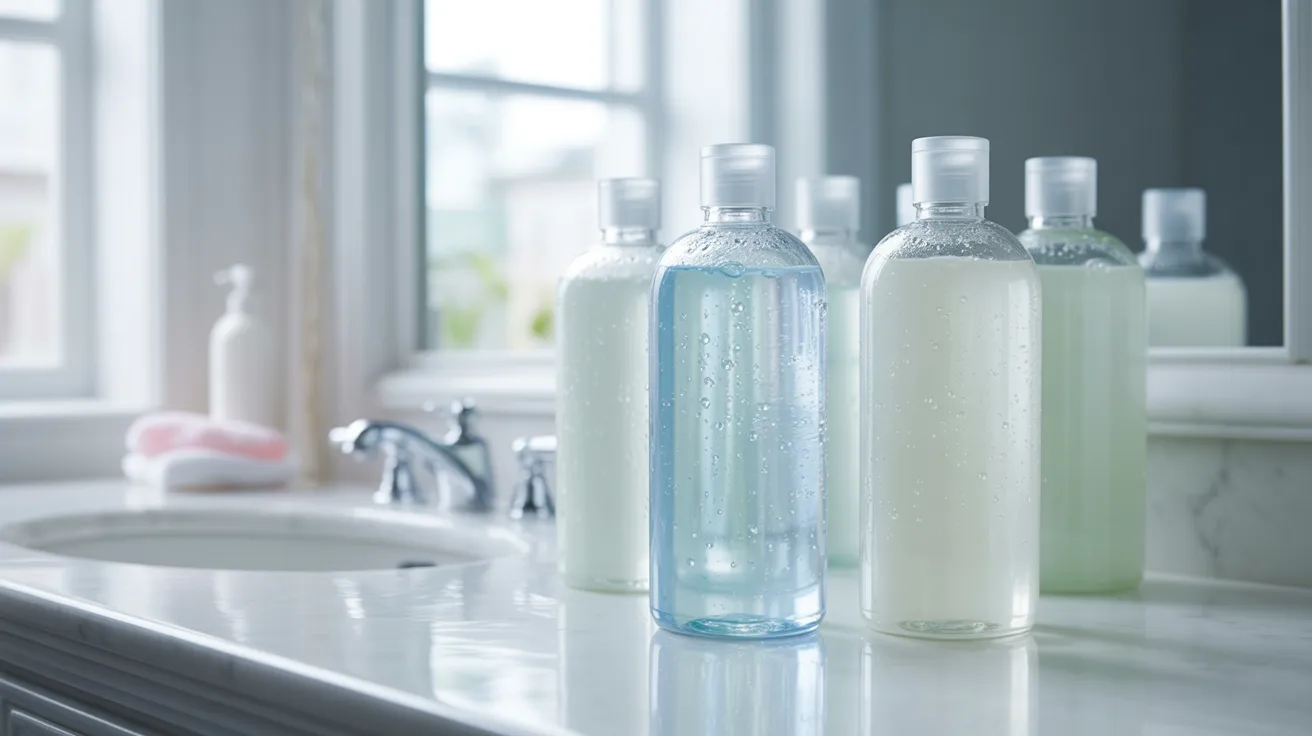
Lotions are lightweight and water-rich, making them a go-to for everyday hydration without the heavy feel.
They absorb quickly into the skin, leaving no greasy residue behind. This makes them a great fit for people with oily or combination skin who still need moisture.
They also work well in warmer climates or during summer months when heavier creams can feel too thick.
Water vs Oil Content and Texture
Lotions have a higher water content than creams, making them lighter and easier to spread. They absorb fast and don’t leave a heavy layer on skin.
This makes lotions great for daily use. They give skin a smooth, fresh feel without weighing it down.
If you want hydration that doesn’t feel heavy, a lotion is a solid, no-fuss choice for everyday skincare.
Suitability for Skin Types
Lotions work well for normal to slightly dry skin. Combination or oily skin types should look for non-comedogenic lotions that won’t block pores.
Climate matters too. In hot or humid weather, a lotion feels comfortable and light.
In cold or dry weather, a lotion alone may not be enough. You might need to layer it with a cream for added protection.
Targeted Concerns
Some lotions are made for sensitive or acne-prone skin and are usually free from heavy fragrances and irritating ingredients.
Others include added ingredients for barrier support, helping skin stay healthy and protected.
Anti-aging lotions are a good lightweight option if you want to address fine lines without heaviness.
Side-by-Side Comparison: Lotion and Moisturizer
Here’s a quick comparison to help you pick the right product for your skin.
| Feature | Moisturizer (Cream/Ointment) | Lotion |
| Type | Thick, protective hydration | Lightweight, fast-absorbing hydration |
| Skin Suitability | Dry or sensitive | Normal, combination, or oily |
| Feel & Absorption | Rich, long-lasting | Smooth, light, quick |
| Ideal Climate/Use | Cold/dry, intense hydration | Warm/humid, everyday use |
| Special Benefits | Anti-aging, repairs skin barrier | Gentle, non-greasy, sensitive-friendly |
This table shows the key differences so you can easily pick the best product for your skin type and needs.
Which One Should You Choose?
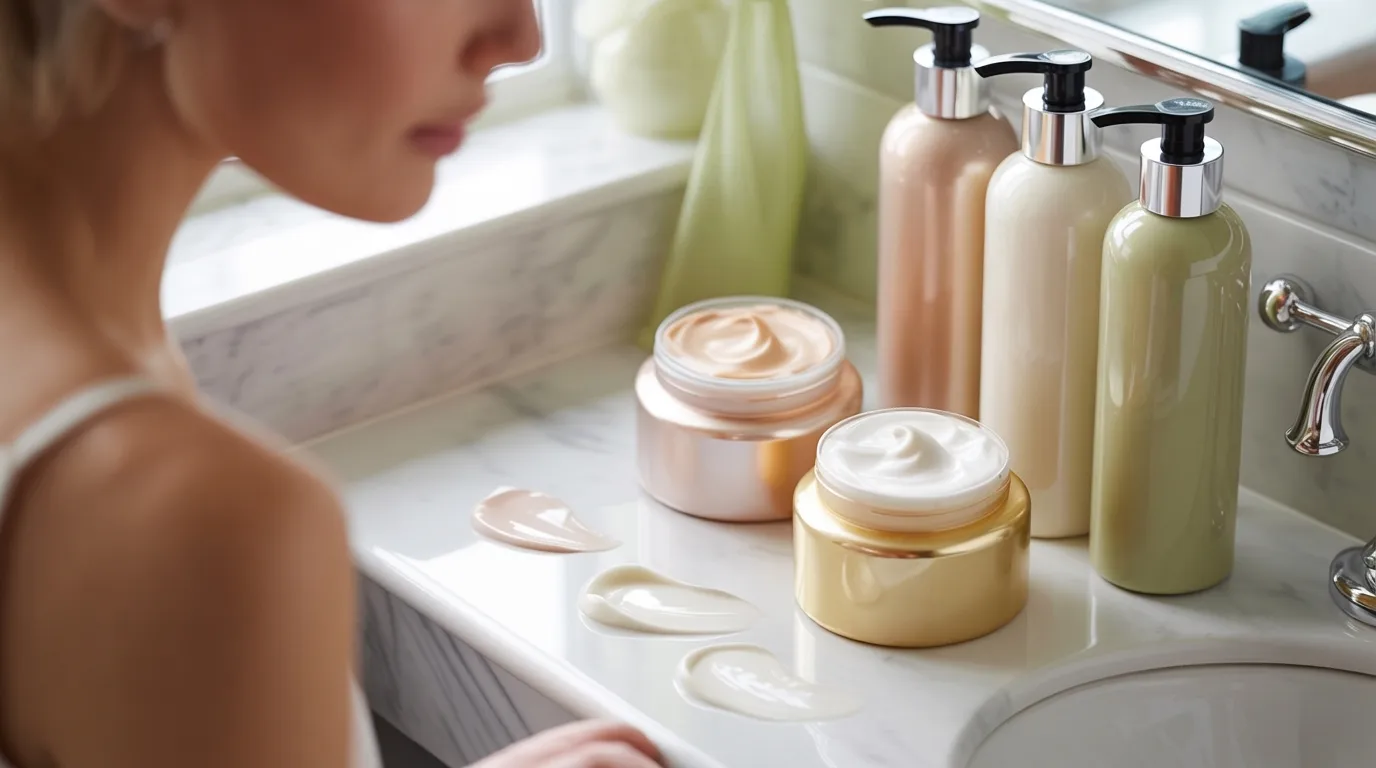
It comes down to your skin type and climate. Choose a moisturizer if your skin feels dry, tight, or irritated, or if you live somewhere cold and need stronger hydration.
Choose a lotion if your skin is normal, oily, or combination, or if you want something light for daily use.
I personally use a lotion in summer and switch to a cream when the weather gets cold.
My skin stays balanced all year long. Start with what matches your skin right now and adjust from there.
Common Mistakes to Avoid
Most people pick their product based on the packaging, and that’s where things go wrong. Here are five mistakes worth knowing before your next skincare purchase.
- Using a heavy cream on oily skin clogs pores and causes breakouts.
- Skipping moisturizer on oily skin makes oiliness worse, not better.
- Using lotion on dry, cracked winter skin won’t give enough hydration.
- Layering too many products stops your moisturizer from working properly.
- Ignoring non-comedogenic labels can block pores if you’re acne-prone.
Avoid these simple missteps and your skin will thank you for it.
Conclusion
I know skincare can feel overwhelming, especially when every product sounds the same.
But once you understand the difference between moisturizer vs lotion, choosing the right one actually feels easy.
Personally, I switched to a richer cream in winter and a lotion in summer, and my skin has never felt better. Try it yourself and see what works.
Drop a comment below and let me know what your skin type is. I’d love to help you pick the right one!
Frequently Asked Questions
Is moisturizer and lotion the same thing?
No, moisturizers are usually richer and oil-based, while lotions are lighter and water-based.
Can I use lotion every day?
Yes, lotions are made for daily use and work well as a regular hydration step.
Which is better for dry skin, lotion or moisturizer?
A moisturizer, specifically a cream or ointment, works better for dry skin because it’s richer and more protective.
Can oily skin use a moisturizer?
Yes, but choose a lightweight, non-comedogenic formula so it doesn’t clog pores or increase oiliness.
Should I use lotion or moisturizer in summer?
Lotion is a better fit for summer since it’s lighter and absorbs fast without feeling heavy in the heat.