Lines Under Eyes: Causes, Treatments & Prevention


Noticing lines under eyes can be frustrating, whether they appear with age, stress, or simply from everyday life.
The good news is that there are safe ways to soften their appearance and help keep your skin looking healthy. You don't need complicated routines to get started.
In this guide, you'll learn what causes lines under eyes, which home and skincare treatments may help, professional options to consider, and simple habits to prevent new lines from forming.
Every recommendation is based on trusted skincare guidance and commonly accepted dermatology advice, so you can make informed choices.
My approach is always simple: consistent, gentle care often gives the best long-term results.
What Are Lines Under Eyes?
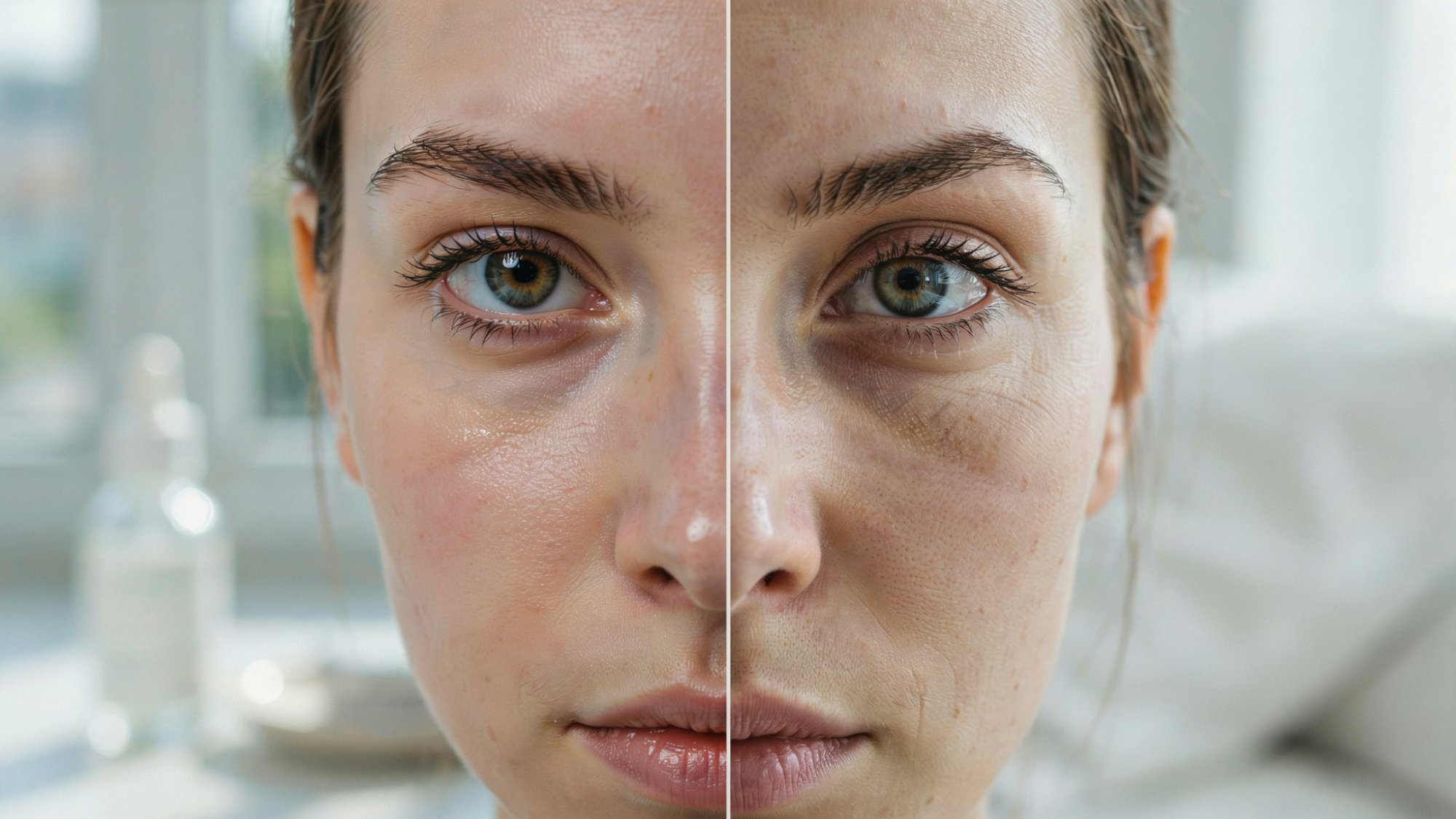
Lines under eyes are small creases that develop in the delicate skin beneath your eyes.
They often begin as fine lines that are visible only when you smile or squint, but they can become deeper wrinkles over time.
Fine lines are usually the first sign of aging, while wrinkles are more noticeable and remain visible even when your face is relaxed.
The skin under your eyes is much thinner than the rest of your face and has fewer oil glands, making it more likely to lose moisture and elasticity.
Daily sun exposure, repeated facial expressions, lack of sleep, and natural aging can all speed up this process.
Understanding why these lines form is the first step toward choosing the right treatment and prevention methods.
What Causes Lines Under Eyes?
Several everyday factors can contribute to lines under eyes, and understanding them can help you choose the right care for your skin.
Natural Aging
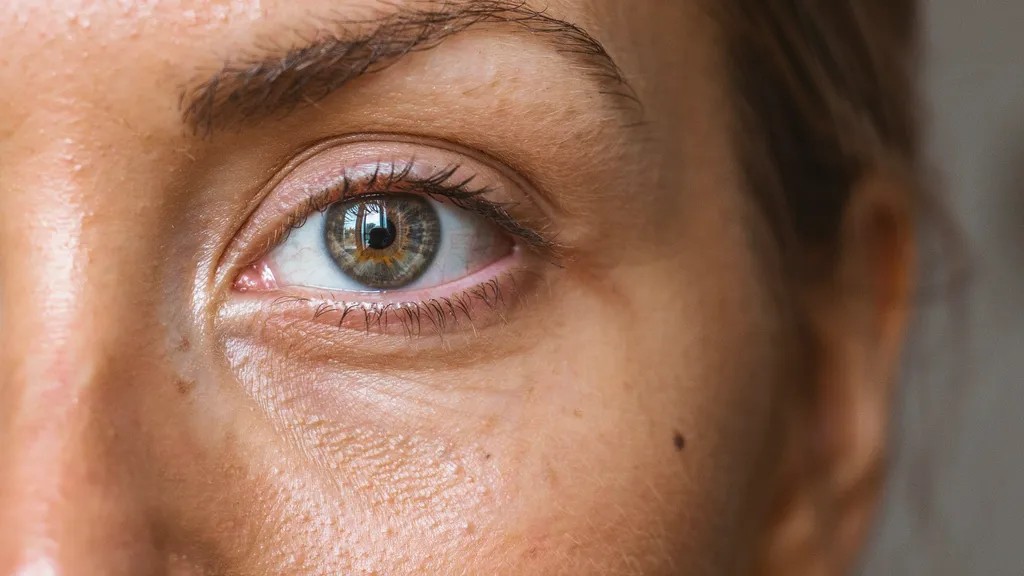
As you age, your skin produces less collagen and elastin, the proteins that keep it firm and smooth. The delicate under-eye area becomes thinner and loses elasticity over time.
This natural process makes fine lines appear first, and they may gradually develop into deeper wrinkles if not cared for properly.
Sun Exposure
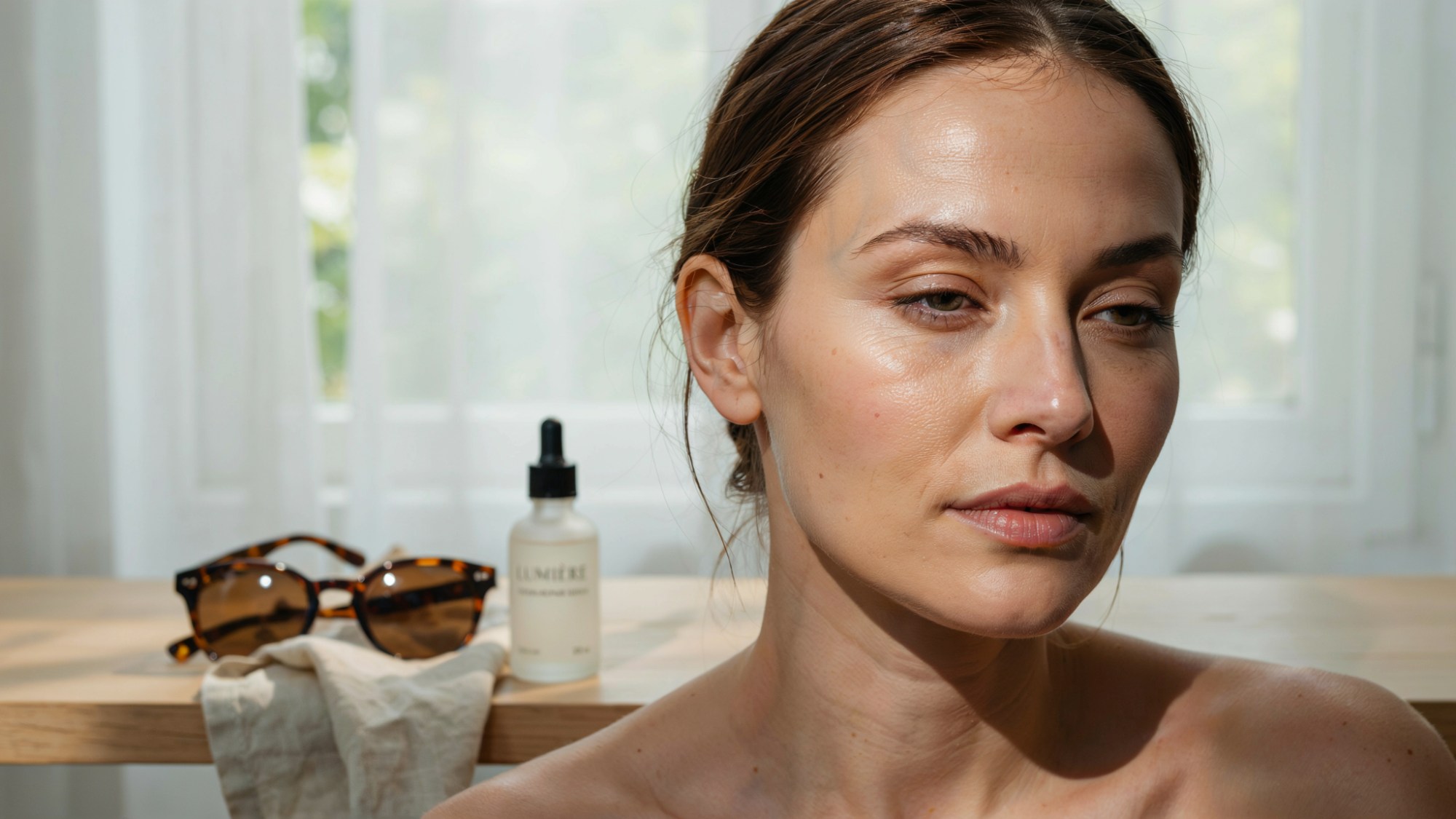
Too much sun exposure can speed up skin aging by breaking down collagen and elastin. Since the skin under your eyes is thin, it is especially vulnerable to ultraviolet (UV) rays.
Wearing sunscreen and sunglasses daily can help protect this delicate area from premature lines and wrinkles.
Dehydration
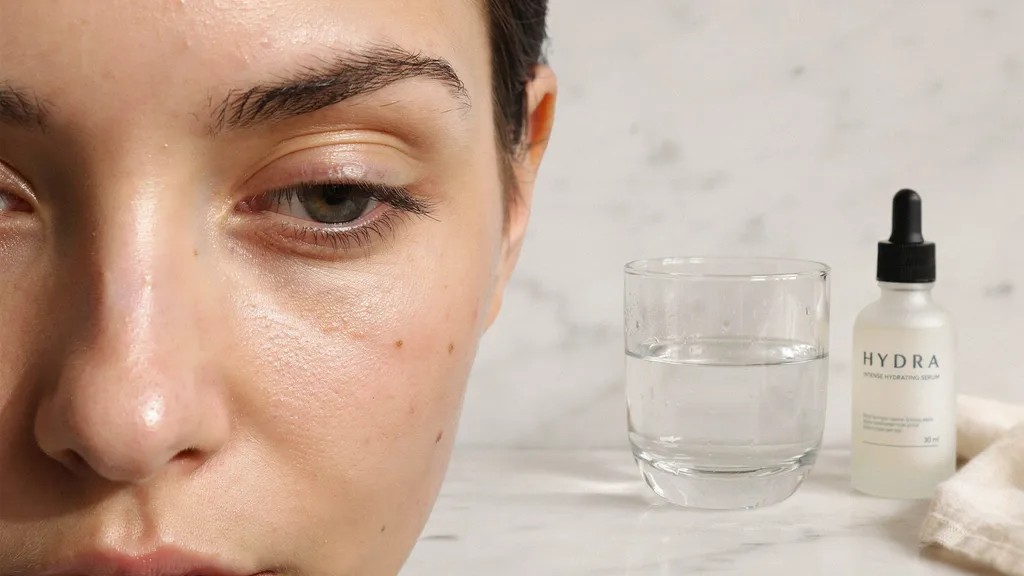
When your skin lacks moisture, lines under eyes can appear more noticeable. Dehydrated skin often looks dull, dry, and less plump.
Drinking enough water and using a hydrating eye cream or moisturizer can improve the skin's appearance and temporarily soften the look of fine lines.
Repeated Facial Expressions

Smiling, squinting, and laughing are natural facial movements, but repeating them over many years can contribute to fine lines.
These expression lines become more visible as your skin loses elasticity with age. Protecting your skin from sun damage may help slow this natural process.
Lack of Sleep

Poor sleep can make the under-eye area look tired and less healthy.
Over time, not getting enough rest may affect your skin's ability to repair itself, making fine lines appear more noticeable.
Aim for seven to nine hours of quality sleep each night to support healthy-looking skin.
Smoking and Lifestyle Habits

Smoking reduces blood flow to the skin and damages collagen, which can speed up the appearance of wrinkles.
Other habits, such as poor nutrition, excessive alcohol intake, and chronic stress, may also affect skin health. Choosing healthier daily habits can help protect your skin over time.
Genetics
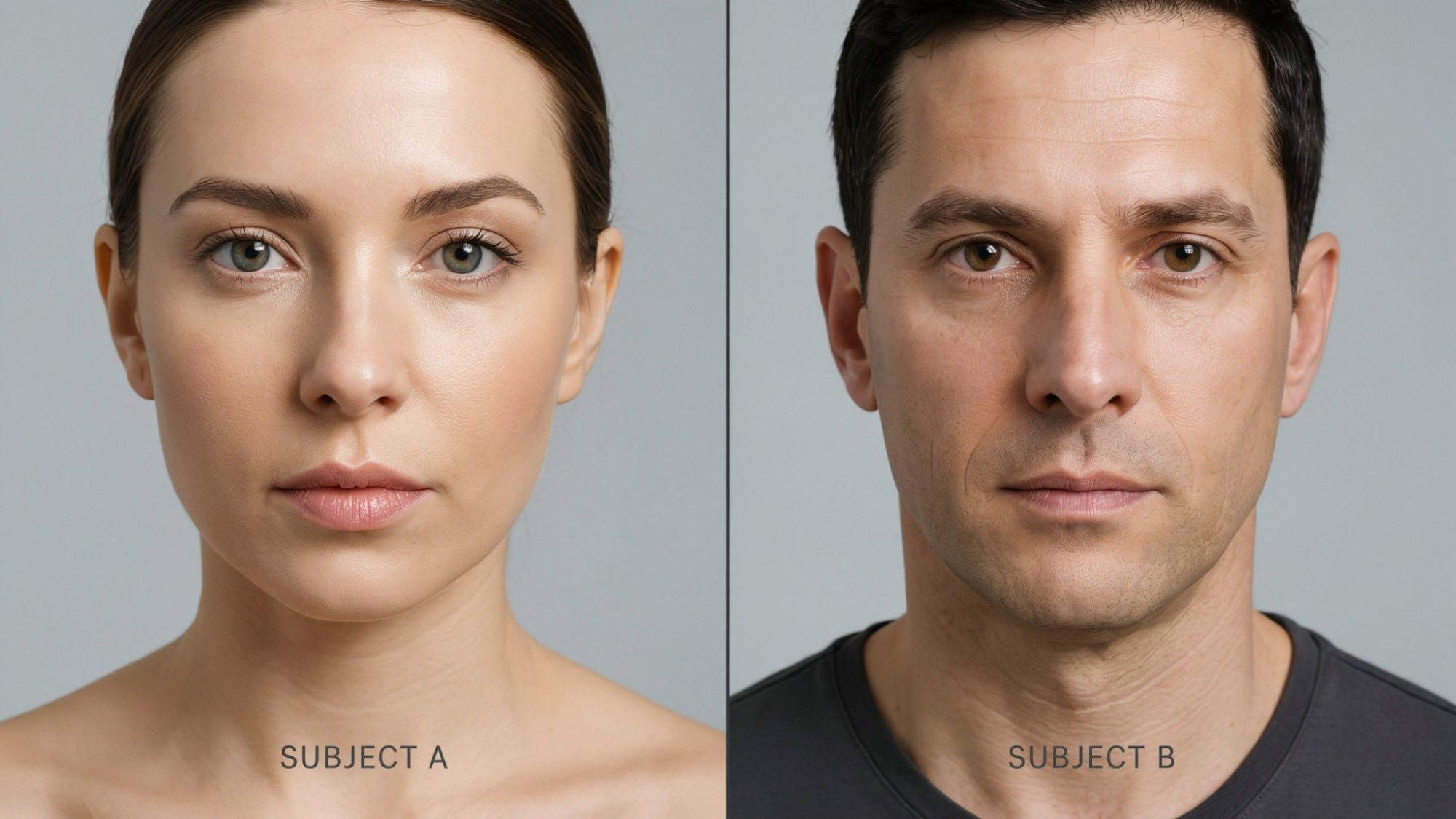
Sometimes, lines under eyes are influenced by your genes. If your parents developed under-eye wrinkles early, you may notice them sooner as well.
While you cannot change your genetics, a consistent skincare routine and healthy lifestyle can help slow the visible signs of aging.
How to Reduce Lines Under Eyes
A consistent skincare routine and healthy daily habits can help soften lines under eyes and slow the appearance of new ones over time.
Use a Gentle Eye Cream
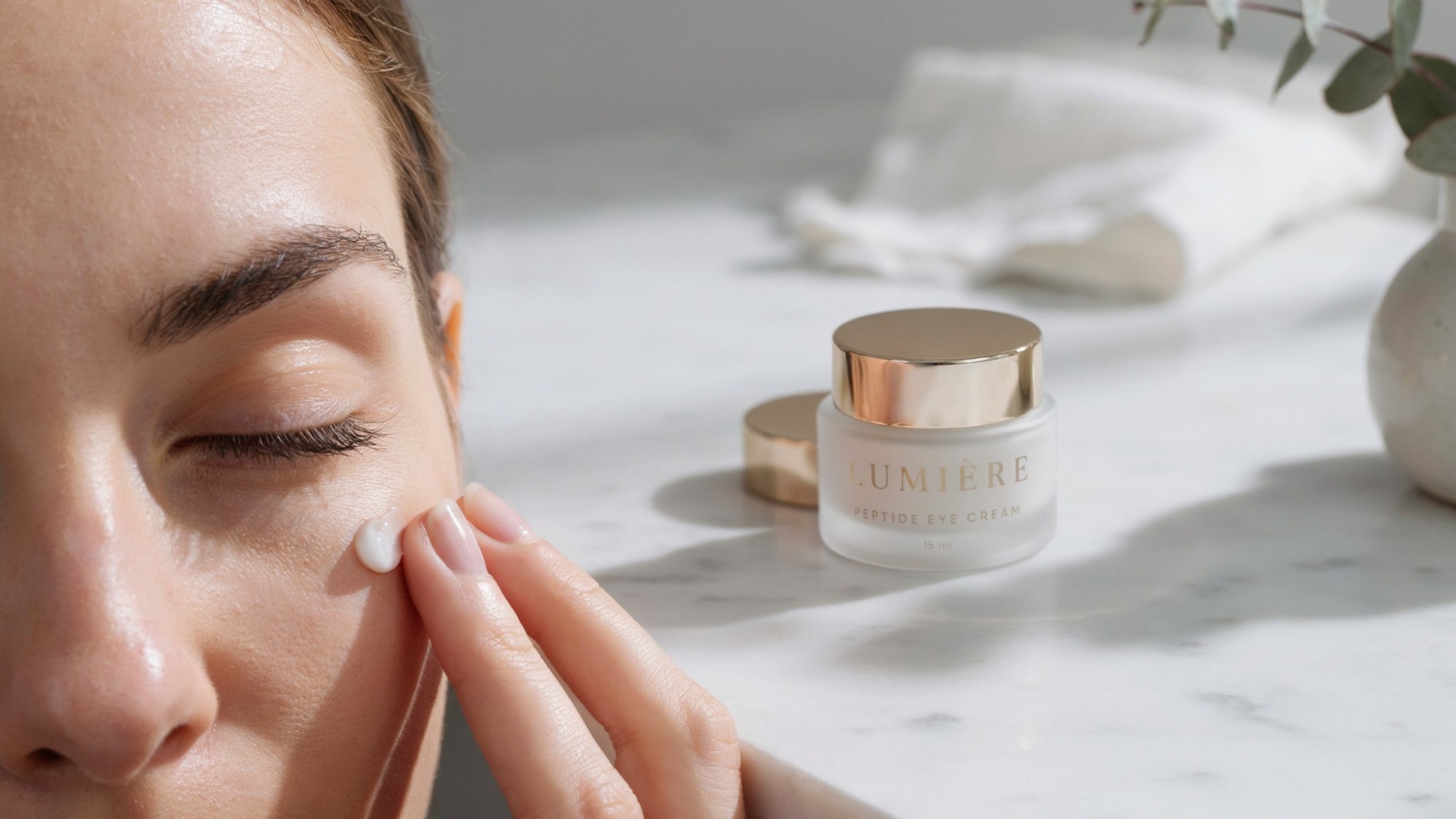
Choose an eye cream with hydrating ingredients like hyaluronic acid, ceramides, or peptides.
These ingredients help keep the delicate under-eye area moisturized and support the skin barrier.
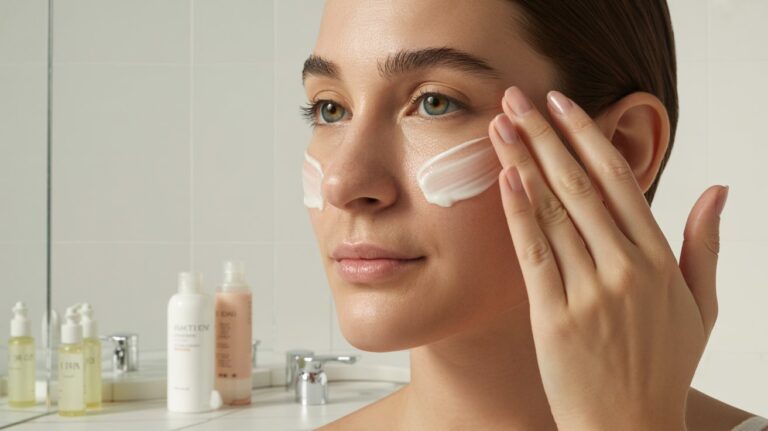
Apply the cream gently using your ring finger, as it puts less pressure on the sensitive skin around your eyes.
Keep the Skin Hydrated
Well-hydrated skin looks smoother and healthier. Drink enough water throughout the day and use a lightweight moisturizer to lock in moisture.
Hydrated skin can temporarily make lines under eyes appear less noticeable and helps maintain a healthy skin barrier.
Add Retinol Carefully

Retinol supports collagen production and helps improve the appearance of fine lines over time.
Since the under-eye area is sensitive, start with a low-strength product and use it only a few nights each week. Follow with a moisturizer and stop using it if you notice irritation.
Use Vitamin C Products

Vitamin C is an antioxidant that helps protect the skin from environmental damage while supporting collagen production.
A gentle vitamin C serum or eye cream may brighten the under-eye area and gradually improve the appearance of fine lines. Always apply sunscreen during the day when using vitamin C.
Get Enough Sleep

Quality sleep gives your skin time to repair and recover. Aim for seven to nine hours each night to help reduce signs of tiredness and support overall skin health.
A regular sleep schedule can also make the under-eye area look fresher and more rested over time.
Home Remedies and Professional Treatments for Lines Under Eyes
Home remedies may offer short-term comfort, but they do not replace proven skincare or professional care for lasting results.
| Home Remedies | Professional Treatments |
| Cold Compress | Chemical Peels |
| Aloe Vera Gel | Microneedling |
| Cucumber Slices | Laser Resurfacing |
| Green Tea Bags | Dermal Fillers |
| Botulinum Toxin (Botox) |
How to Prevent Lines Under Eyes
Simple daily habits can help protect the delicate under-eye area and slow the development of new fine lines over time.
- Wear sunglasses outdoors: Protect your eyes from UV rays and reduce squinting, which can contribute to fine lines.
- Stay hydrated: Drink enough water each day to help keep your skin healthy and maintain its natural moisture.
- Follow a consistent skincare routine: Cleanse, moisturize, and apply sunscreen daily to support healthy-looking skin.
- Eat a balanced diet: Choose foods rich in vitamins, antioxidants, and healthy fats to support collagen production.
- Avoid smoking: Smoking speeds up collagen loss and can make wrinkles appear earlier and more noticeable.
- Sleep on your back when possible: This may reduce repeated pressure on your face and help prevent sleep lines from becoming permanent.
Conclusion
Seeing lines under eyes can feel discouraging at first, but small, consistent habits often make the biggest difference.
From my experience, sticking to a simple routine is much easier than chasing quick fixes, and the results are worth the patience.
Give your skin time, stay consistent, and celebrate the small improvements along the way.
If this guide helped you, leave a comment with your favorite tip, share it with someone who might find it useful, or try our other skincare articles for more practical advice.
Frequently Asked Questions
Can lines under eyes go away naturally?
Fine lines may look less noticeable with good hydration and skincare. Deeper wrinkles usually need consistent treatment to improve their appearance.
What is the best ingredient for lines under eyes?
Retinol, hyaluronic acid, peptides, and vitamin C are commonly used to improve skin texture. They work best when used regularly as part of a skincare routine.
Does drinking water reduce lines under eyes?
Staying hydrated helps your skin look healthier and can make fine lines appear softer. However, water alone cannot remove wrinkles.
At what age do lines under eyes usually appear?
Many people notice fine lines in their late 20s or 30s, though genetics, sun exposure, and lifestyle habits can make them appear earlier or later.
Are professional treatments safe for lines under eyes?
When performed by a qualified dermatologist or licensed professional, treatments are generally safe. Your provider can recommend the best option based on your skin and goals.