Microdermabrasion vs Chemical Peel: Full Comparison

I’ve looked into both of these treatments closely, and I know how hard it can be to choose between them.
Microdermabrasion vs chemical peel, two very different approaches, one big decision.
In this article, I’ll cover how each treatment works, what it targets, and which suits your skin type best.
I’ll also break down costs, downtime, and recovery. No fluff, just clear, honest information. I’ve spent years researching skin treatments, so you’re getting real insight here, not guesswork.
Let’s get started.
What Is Microdermabrasion?
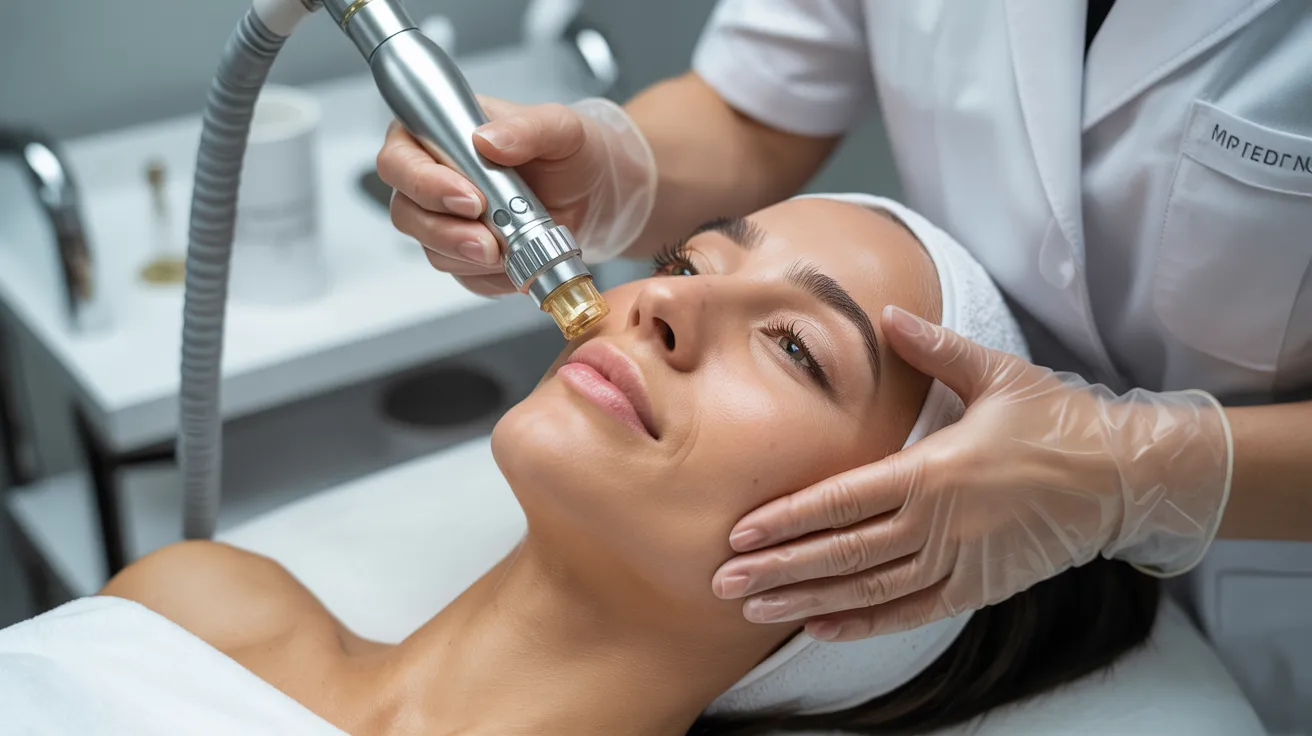
A quick, painless, surface-level skin treatment that works by physically buffing away dead skin cells.
How Microdermabrasion Works
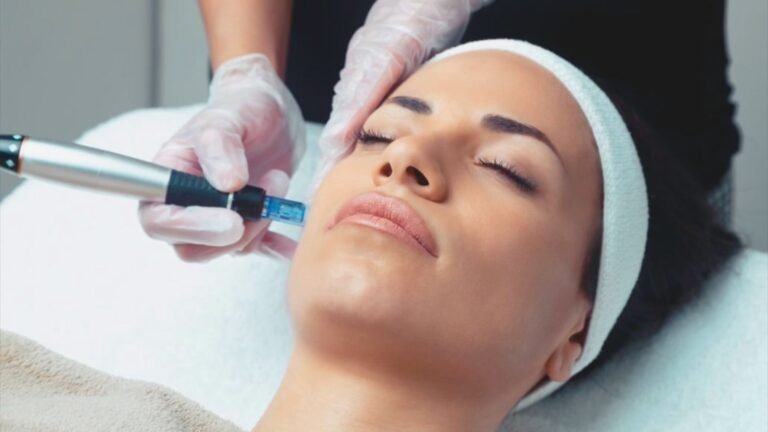
Microdermabrasion uses a handheld device with either tiny crystals or a diamond-tipped head to scrub the outer layer of skin.
A suction pulls away dead cells as the device moves across your face. The whole session usually takes 30 to 45 minutes. It feels like light sandpaper on your skin, nothing intense.
Benefits of Microdermabrasion
One of the biggest draws is zero downtime. You can book a session, get it done, and go about your day.
It smooths rough patches, brightens dull skin, and makes your face look fresh fast.
Results show up quickly, often after just one treatment, which makes it great for low-maintenance skin care.
Skin Concerns It Treats
Microdermabrasion is best for surface-level concerns.
It works well on:
- Dull or rough skin
- Mild acne and breakouts
- Blackheads and clogged pores
- Fine lines and uneven texture
It won’t fix deeper issues like scars or dark spots, but it keeps your skin looking clean and refreshed between bigger treatments.
What Is a Chemical Peel?
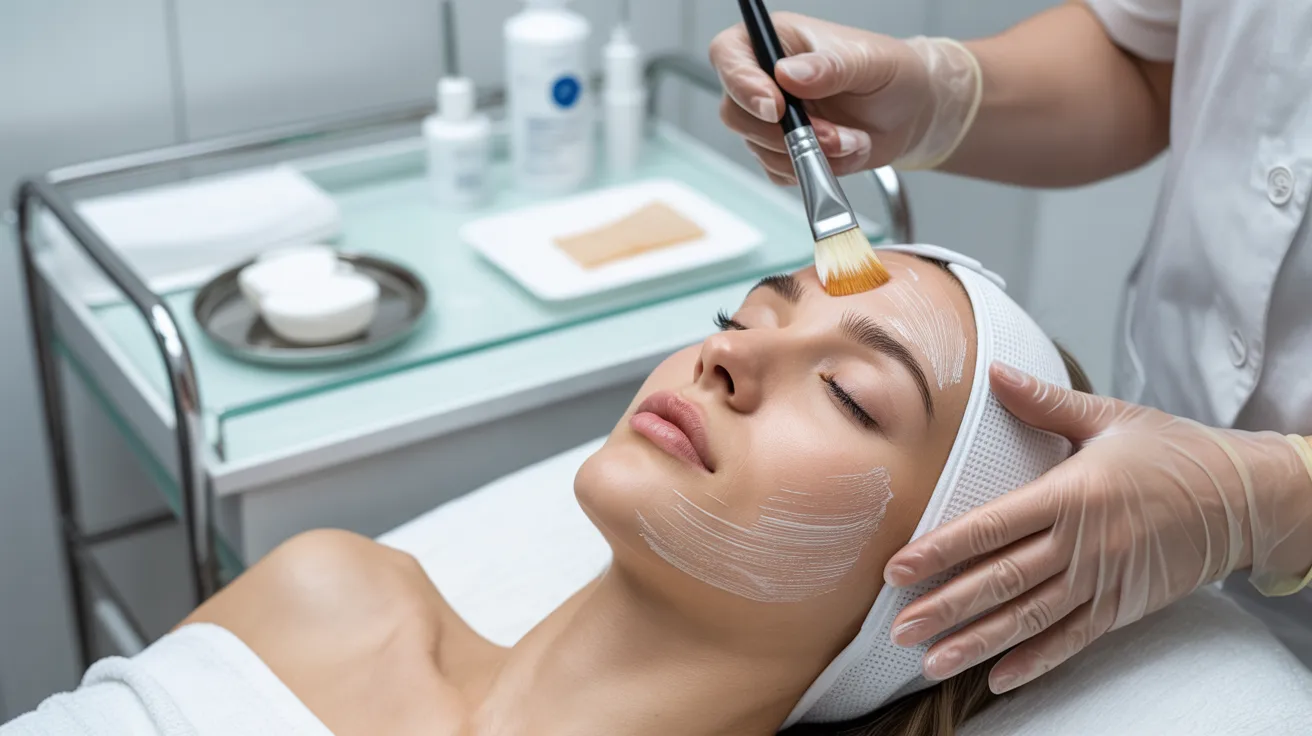
A treatment that uses acids to remove damaged skin layers and bring fresher, clearer skin to the surface.
How Chemical Peels Work
Chemical peels use acids, like AHA, BHA, or TCA, to break down the top layers of skin. The acid causes controlled shedding, which allows new skin to come through underneath.
Depending on the strength of the peel, it can work on the surface or reach much deeper into the skin layers.
Benefits of Chemical Peels
Chemical peels go deeper than most surface treatments.
They target stubborn pigmentation, old acne scars, and fine lines that basic skincare doesn’t touch. Results last longer too.
Many people see real, visible changes in skin tone and texture after just a few sessions. Stronger peels can create results that stick around for months.
Skin Concerns It Treats
Chemical peels work best on more serious skin concerns, including:
- Acne scars
- Hyperpigmentation and melasma
- Wrinkles and fine lines
- Sun damage and age spots
If lighter treatments haven’t worked for you, a chemical peel may be the stronger option worth considering.
Microdermabrasion vs Chemical Peel: Key Differences
Here’s a side-by-side look at how both treatments compare across all the major factors.
| Feature | Microdermabrasion | Chemical Peel |
| Exfoliation Type | Physical (crystals or diamond tip) | Chemical (acids like AHA, BHA, TCA) |
| Depth of Treatment | Surface level only | Surface to deep skin layers |
| Best For | Dull skin, mild acne, texture | Scars, pigmentation, wrinkles |
| Pain Level | Minimal | Mild to moderate |
| Downtime | None | 1–7 days (depends on strength) |
| Results Duration | Short-term | Longer-lasting |
| Cost Per Session | $75–$200 | $100–$300+ |
| Treatment Frequency | Monthly | Every 4–6 weeks |
| Skin Type Suitability | Most skin types | Varies by peel strength |
Pros and Cons of Each Treatment
No treatment is perfect. Here’s what each one does well and where it falls short.
Microdermabrasion Pros and Cons
Pros: No downtime, painless, safe for most skin types, and quick to show results. Great for regular upkeep and keeping skin looking fresh.
Cons: Results don’t last long on their own, and it won’t fix deeper problems like scars or hyperpigmentation.
Multiple sessions are needed for the best outcome. Think of it as a maintenance tool, not a fix-all.
Chemical Peel Pros and Cons
Pros: Treats deeper skin concerns, delivers longer-lasting results, and can make a real difference in skin tone and texture. Worth it for stubborn issues.
Cons: Medium and deep peels require recovery time. Some peels cause redness and skin peeling for days.
Not ideal for very sensitive skin or darker skin tones without proper expert guidance.
Which Is Better for Your Skin Type?

Your skin type plays a big role in which treatment will actually deliver results for you.
Sensitive Skin: Microdermabrasion is the safer pick. It’s gentler and far less likely to trigger a reaction.
Strong chemical peels can irritate sensitive skin badly. A light peel or microdermabrasion is the smarter move here.
Acne-Prone Skin: Both can help, but in different ways. Microdermabrasion clears surface pores and reduces mild breakouts.
Chemical peels with BHA (salicylic acid) go deeper and can reduce active acne and prevent future breakouts. A peel tends to give better long-term control.
Aging Skin: Chemical peels have a clear advantage here. They can address fine lines, deeper wrinkles, and uneven tone more effectively.
Microdermabrasion helps with texture but won’t make much impact on deeper signs of aging.
Pigmentation Issues: Chemical peels are the better option. They target melanin at deeper layers, making them far more effective for melasma, dark spots, and hyperpigmentation.
Microdermabrasion simply doesn’t go deep enough to treat these well.
Preparation and Aftercare Tips
Good prep and aftercare make a real difference in how your skin heals and responds post-treatment.
- Stop using retinoids or exfoliants at least five days before your appointment.
- Always apply SPF after either treatment, your skin will be more sensitive to sun exposure.
- Do not pick or peel flaking skin after a chemical peel; let it shed on its own.
- Use a gentle, fragrance-free moisturizer to keep skin hydrated during recovery.
- Skip workouts, saunas, and hot showers for at least 24 hours after your session.
Final Verdict
Honestly, I’ve looked into both options deeply, and my take is simple: it depends on your skin goals.
If you want a quick refresh with no downtime, microdermabrasion is a solid choice. If you’re dealing with scars or dark spots and want real, lasting results, a chemical peel is worth it.
Neither is better in every situation. It all comes down to what your skin actually needs right now.
Drop a comment below and tell me which treatment you’ve tried or which one you’re thinking about. I’d love to hear your experience!
Frequently Asked Questions
Can I get microdermabrasion and a chemical peel done at the same time?
It’s not recommended to combine both on the same day. Your skin needs time to recover between treatments. Talk to your dermatologist about safely spacing them out.
How many sessions do I need to see results?
For microdermabrasion, most people notice a difference after three to six sessions. Chemical peels can show results faster, sometimes after just one or two treatments depending on strength.
Which treatment is better for dark spots?
Chemical peels are more effective for dark spots and pigmentation. They reach the deeper layers where dark spots form. Microdermabrasion only works on the surface and won’t make much difference.
Is microdermabrasion safe for darker skin tones?
Yes, microdermabrasion is generally safe for all skin tones. Chemical peels require more caution on darker skin, as certain acids can cause post-inflammatory hyperpigmentation if not selected carefully.
How long does recovery take after a chemical peel?
Recovery depends on peel strength. Light peels take one to three days. Medium peels may need up to a week. Deep peels can require two weeks or more of healing time.