Nail File Grit Guide: Numbers, Uses & How to Choose

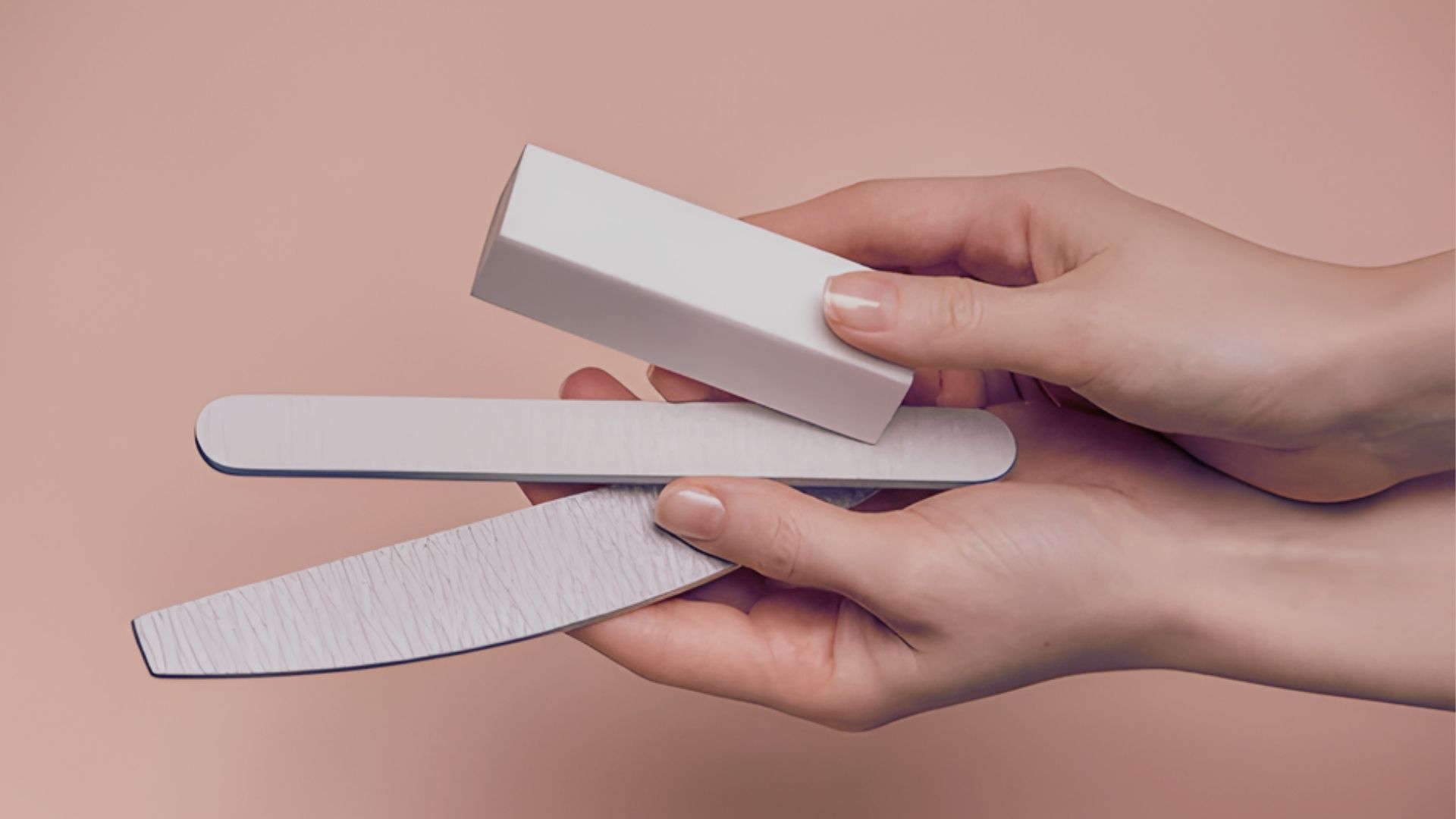
I’ll be honest. For years, I grabbed whatever nail file was nearby without thinking twice. Then I noticed my nails were getting weaker and more damaged.
That’s when I learned about grit numbers, and it completely changed my nail care routine. Those numbers actually matter way more than I realized.
Using the wrong grit can roughen up your nail plate or barely make a dent when you need it to.
In this guide, I’m sharing everything I’ve learned about choosing the right nail file grit for healthier, stronger nails.
What Is Nail File Grit?
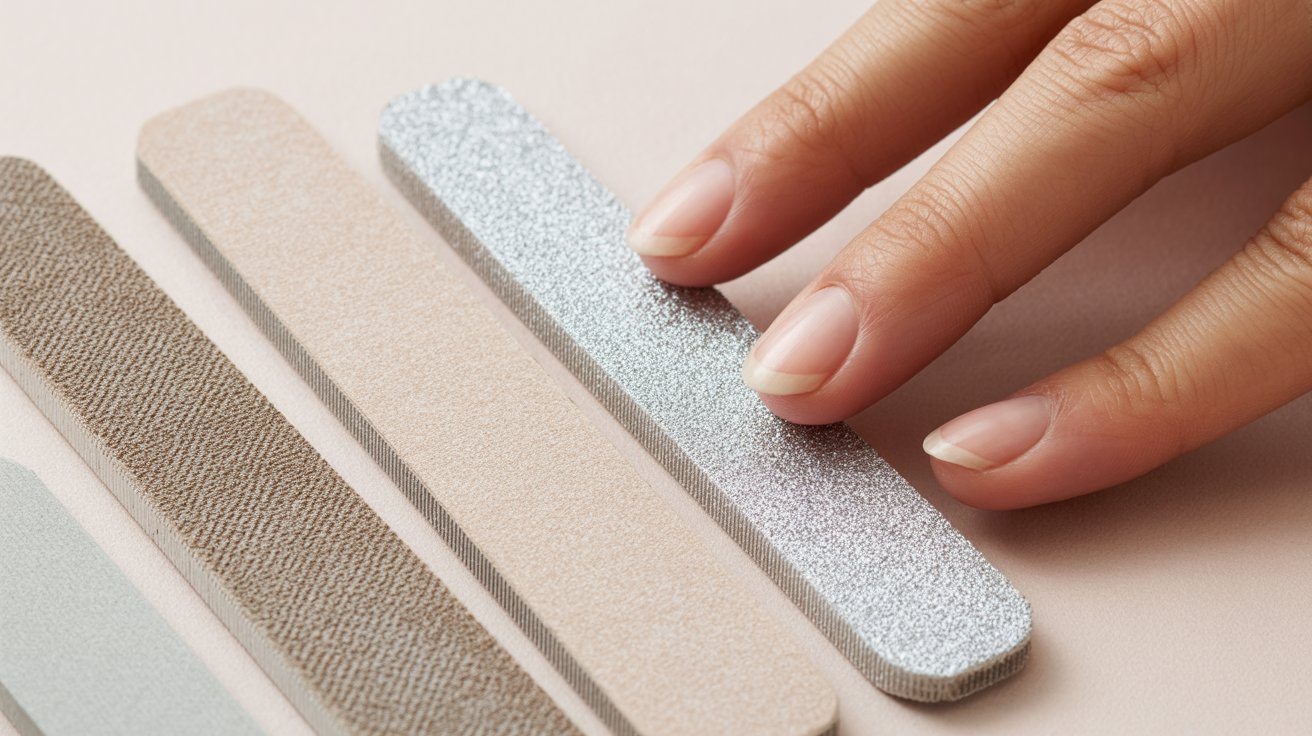
Nail file grit refers to how rough or smooth a file’s surface is. It’s basically sandpaper for your nails. The grit number tells you how abrasive the file will be.
Here’s the simple version: the number shows how many abrasive particles fit into one square inch. More particles mean smoother. Fewer particles mean rougher.
Coarse grit files have a rough surface that removes material quickly. Fine grit files have a smooth surface that gently refines your nails.
What Do Nail File Grit Numbers Mean?
Lower numbers mean more abrasive. Higher numbers mean gentler.
An 80-grit file feels really rough and removes material fast. A 240-grit file feels smooth and barely removes anything.
Picking the right grit matters. Too coarse can damage natural nails. Too fine won’t work well on acrylics. The right match protects your nails and gets the job done.
Types of Nail File Grits Explained
Different grit levels serve specific purposes. Knowing which one to use helps you shape, smooth, and polish your nails without causing damage.
Coarse Nail File Grits (60–100)
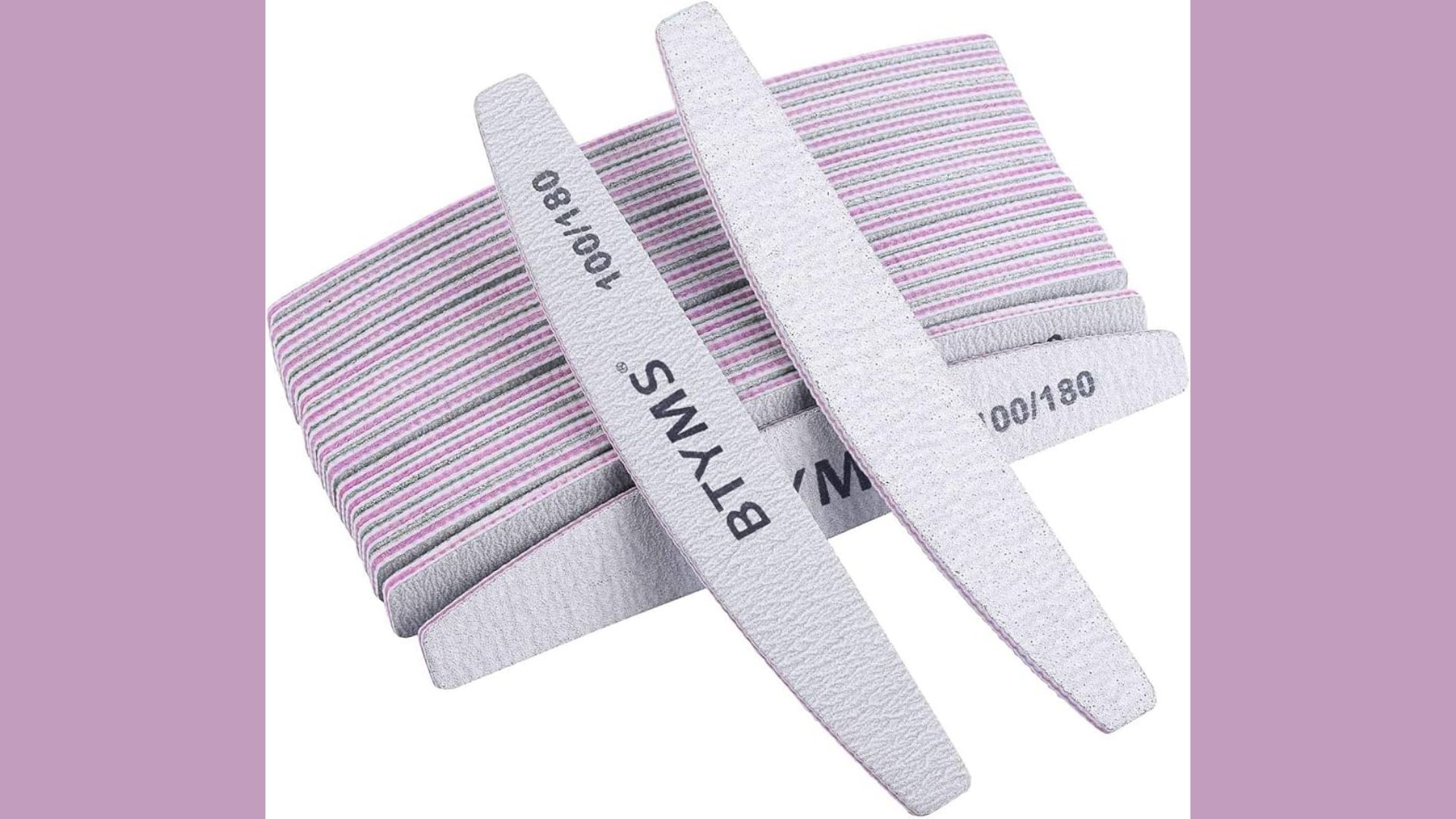
Coarse grit files are heavy-duty tools. They work best for removing acrylic nails, gel polish, and dip powder. These files cut through thick artificial material quickly.
However, they’re way too rough for natural nails. Using coarse grit on natural nails can cause serious damage, including splitting and thinning. Save these for artificial nail removal only.
Medium Nail File Grits (150–180)
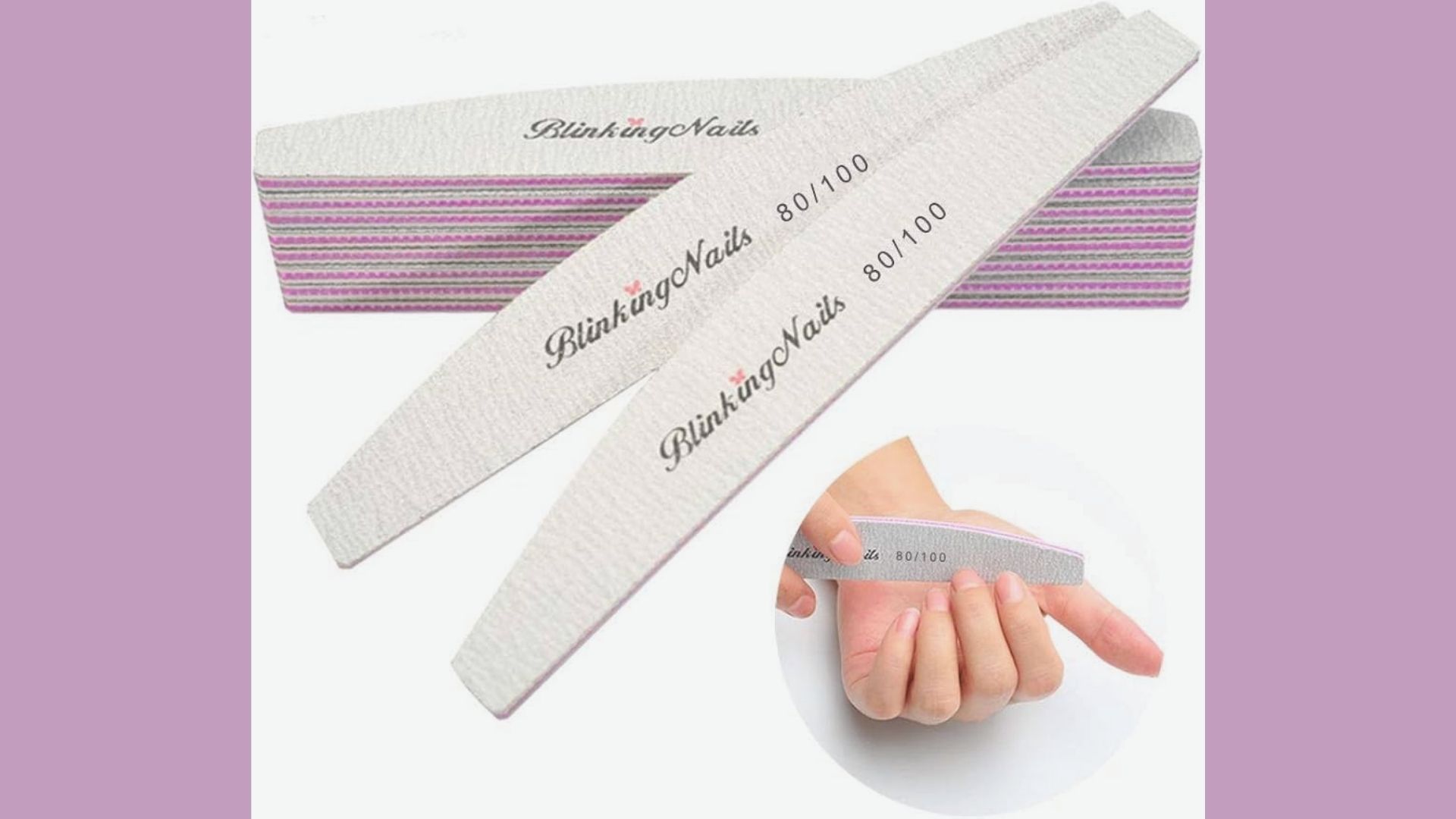
Medium grit files are the workhorses of nail care. They’re perfect for shaping natural nails without being too aggressive.
You can also use them to smooth artificial nails after using a coarse file. This grit level gives you good control while staying safe. It’s the most commonly used grit for everyday filing and works well for most people.
Fine Nail File Grits (240–400)
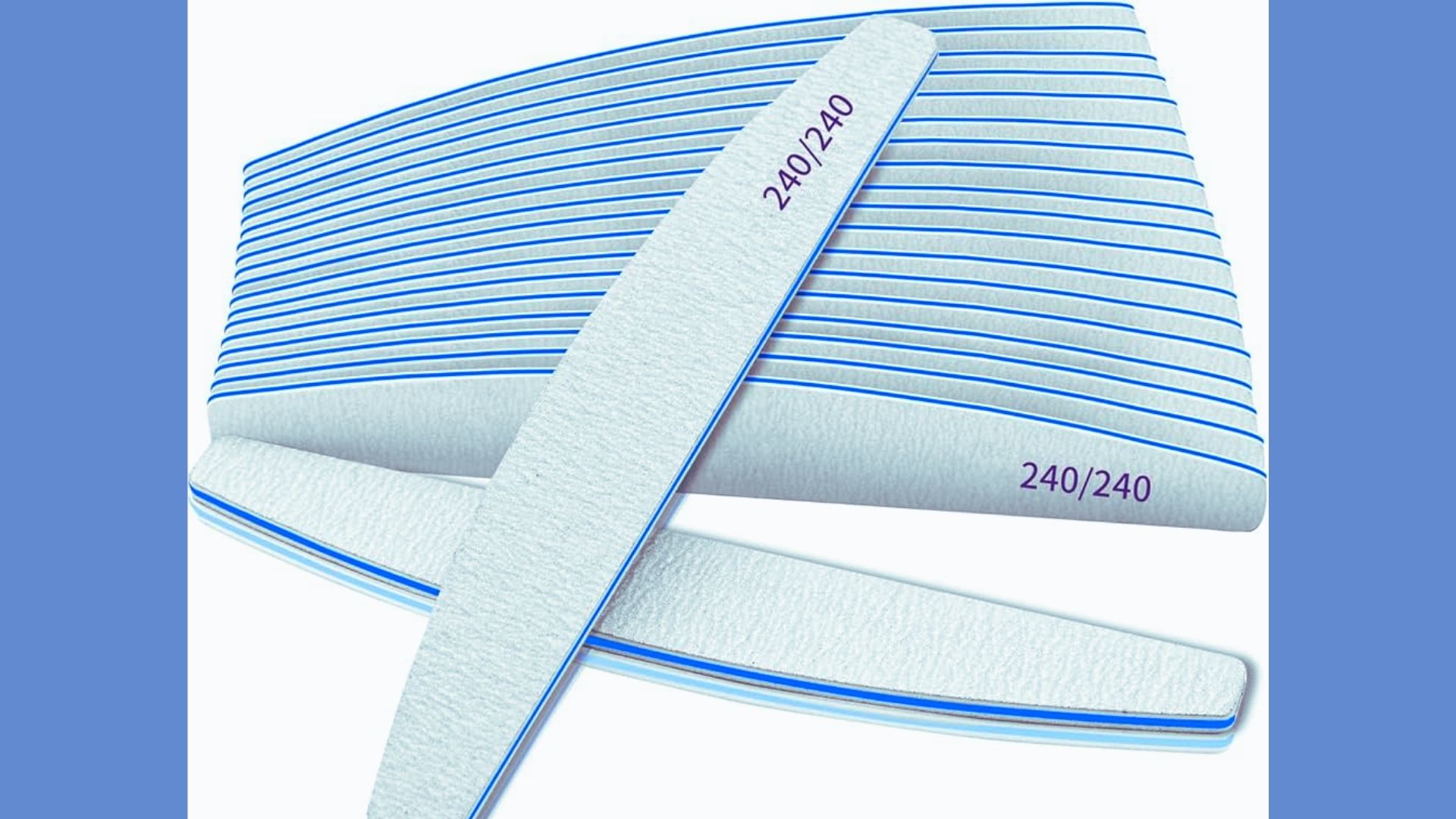
Fine grit files are all about smoothing and refining. They work great on natural nails to create a polished surface. Use them before applying nail polish or gel to prep the nail bed.
They also help reduce minor imperfections and rough edges. These files are gentle enough for regular use and won’t thin out your nails.
Ultra-Fine Nail File Grits (400+)
Ultra-fine files are the finishing touch. They buff your nails to a natural shine and create a smooth surface. This is the last step in most manicures and pedicures.
These files are super gentle and safe for all nail types, including weak or damaged nails. They won’t remove material, just polish what’s already there.
Nail File Grit Chart (Quick Reference Guide)
Here’s a quick breakdown to help you pick the right file every time:
|
Grit Range |
Texture Level |
Recommended Use |
|
60-100 |
Very coarse |
Removing acrylic, gel, and dip powder nails only |
|
150-180 |
Medium |
Shaping natural nails and smoothing artificial nails |
|
240-400 |
Fine |
Smoothing natural nails and prepping for polish |
|
400+ |
Ultra-fine |
Buffing and adding shine to all nail types |
Keep this chart handy when shopping for nail files. Match the grit to what you’re actually doing with your nails. Using the right grit saves time and keeps your nails healthy.
How to Choose the Right Nail File Grit
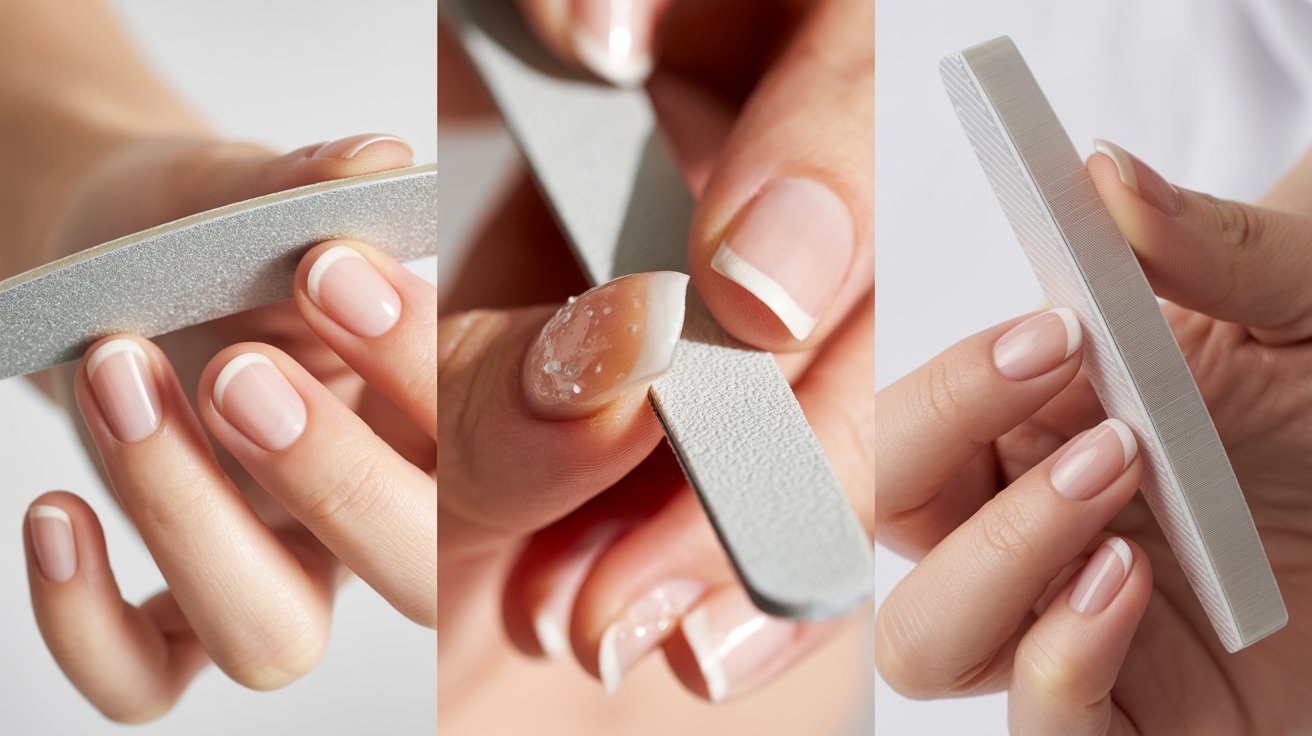
Picking the right grit depends on your nail type.
For natural nails, use 180 to 240 grit. These won’t cause peeling or splitting. Avoid anything coarser.
Acrylic nails need multiple grits. Start with 100-150 grit for shaping. Use 180 grit for refining. Finish with 240 grit for smoothing.
Gel nails require 150-180 grit to break the top coat before removal. This helps acetone work faster.
Weak or brittle nails need 240 grit or higher. Never use anything below 180 grit. Glass files also work well for fragile nails.
Common Nail Filing Mistakes to Avoid
- Don’t use coarse grit files (60-100) on natural nails. They’re way too rough and can cause splitting, peeling, and permanent damage to your nail plate.
- Avoid applying too much pressure or filing back and forth. This creates heat and friction that weakens nails and causes them to break more easily.
- Never jump from very coarse to ultra-fine grit without steps in between. Skipping grit levels leaves rough patches and uneven surfaces that won’t look polished.
- Stop using the same file for both natural and artificial nails. Each nail type needs its own appropriate grit level for safe and effective results.
- Don’t file your nails when they’re wet or freshly out of water. Wet nails are softer and more prone to tearing, splitting, and damage from filing.
How to Care for Nail Files to Maintain Grit
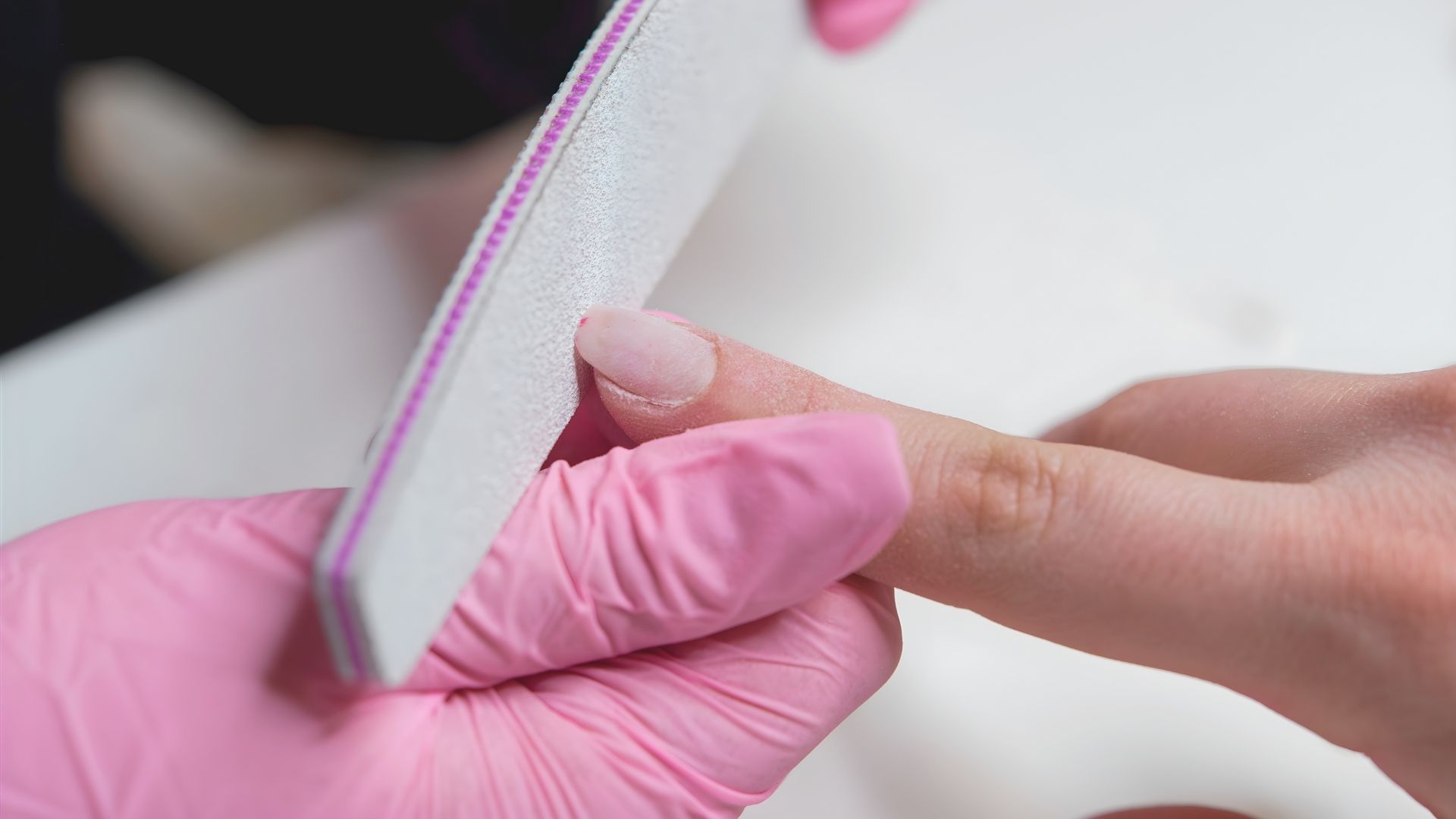
Taking care of your nail files keeps them working properly and stops bacteria buildup. Clean files also protect your nail health.
How to Clean Nail Files Properly
Remove dust after each use by tapping the file or brushing it gently. This keeps the grit clear.
Wash glass and metal files with warm soapy water. Scrub gently and let them air dry completely. Don’t wet paper or foam files. Just brush off dust and replace them regularly.
When to Replace Nail Files
Replace files when the grit feels smooth or stops working well. If you’re filing more but seeing fewer results, it’s time for a new one.
Toss files that look damaged or feel uneven. Replace disposable files after a few uses. Change reusable files every few months depending on usage.
Professional Tips for Using Nail File Grits
- Choose double-sided files with two different grits for convenience. One side can shape while the other smooths, cutting down the number of tools you need.
- Match your grit to the specific service you’re doing. Gel removal needs coarse grit, while natural nail shaping works best with medium grit for safe results.
- Keep separate files for at-home maintenance versus salon-level work. Professional nail techs use coarser grits that aren’t safe for regular DIY manicures at home.
- Always file in one direction instead of sawing back and forth. This prevents splitting and creates smoother edges that last longer without chipping.
- Start with a lower grit and work your way up to finer grits gradually. This progression creates the smoothest finish and prevents damage from skipping steps.
Final Thoughts
Understanding nail file grit has made such a difference in my nail health. The right grit protects your nails while giving you better results.
Start paying attention to those grit numbers when you file. Your nails will thank you for it.
Whether you’re doing DIY manicures or maintaining acrylics, using the correct grit every time matters.
Have questions about nail file grit? Drop them in the comments below. Share this guide with someone who needs it!
Frequently Asked Questions
What grit nail file is best for natural nails?
A 180-grit file works best for most natural nails. It shapes without being too harsh or causing damage to the nail plate.
Can I use a 100-grit file on natural nails?
No, 100-grit is too coarse for natural nails. It can cause splitting, peeling, and long-term damage to your nail health.
How often should I replace my nail file?
Replace disposable files after 3-5 uses and reusable files every 2-3 months. Worn grit won’t work properly and can harbor bacteria.
What’s the difference between 180 and 240 grit?
180-grit shapes and files down length, while 240-grit smooths and refines edges. Use 180 first, then follow with 240 for best results.
Do I need different nail files for gel and natural nails?
Yes, gel nails need coarser grit (80-100) for removal, while natural nails need gentler grit (150-240). Using the wrong one causes damage.