Nails Lifting From Nail Bed After Gel Nails: Causes & Care

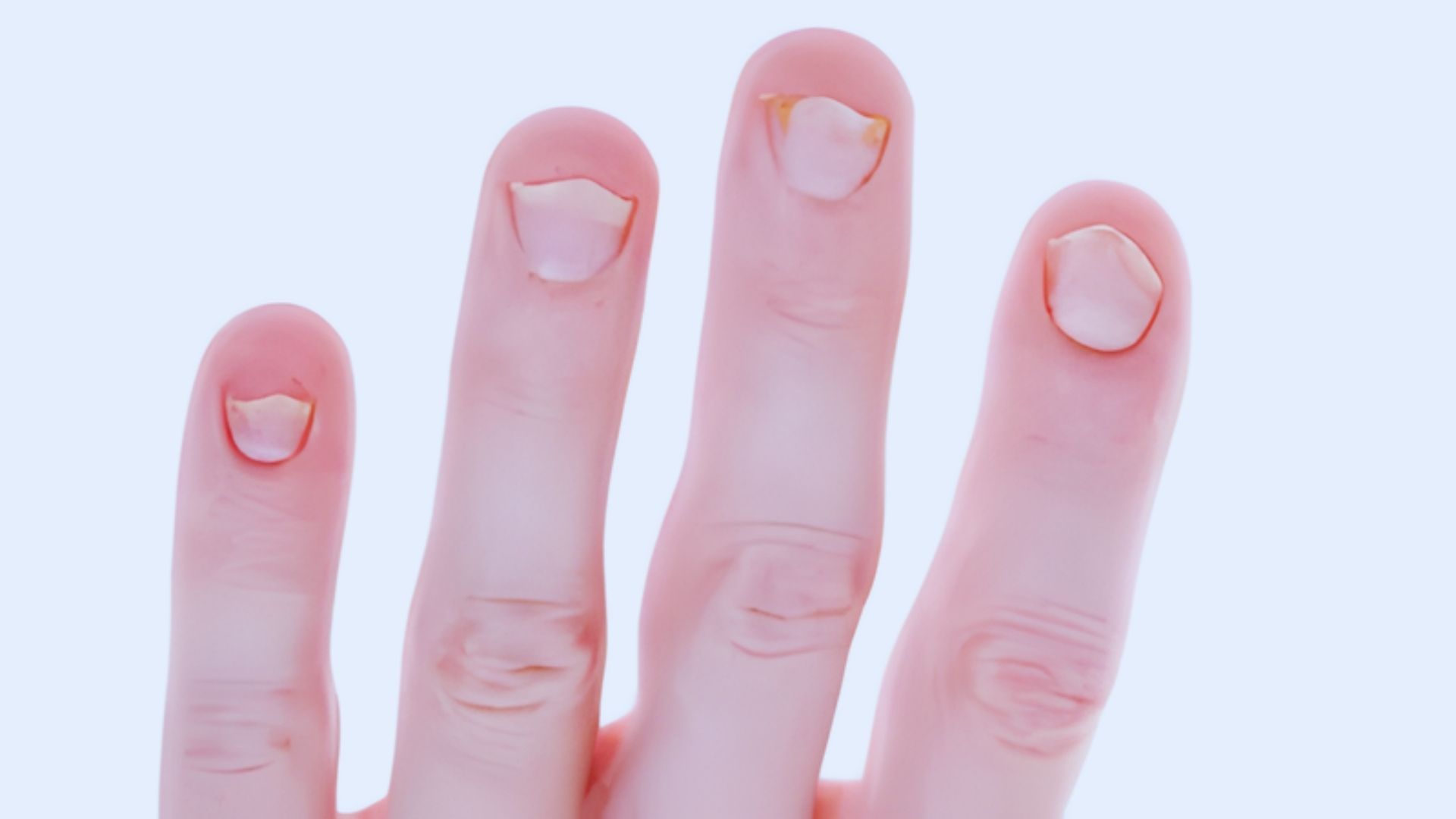
I remember the first time I saw my nail separating from the bed after a gel manicure. It was scary and honestly made me panic a little.
If you’re dealing with this right now, I get it. This separation, called onycholysis, is more common with gel nails than most people realize.
The truth is, your nails need attention fast. Waiting only makes things worse.
I’ve learned that catching this early and knowing what causes it can save you from serious damage.
Let me share what I’ve figured out about fixing and preventing this problem.
What Does It Mean When Nails Lift From the Nail Bed?
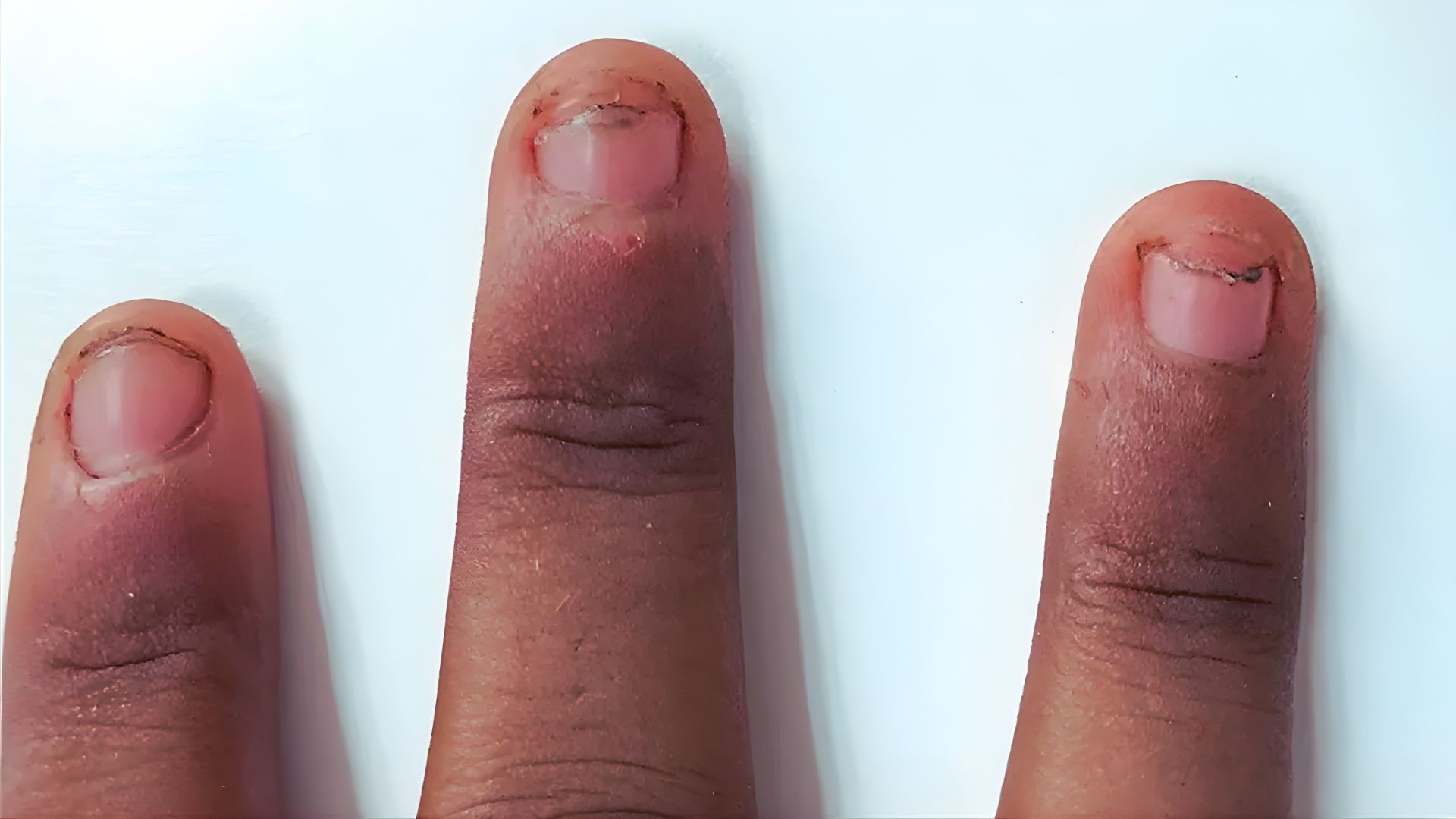
When your nail starts lifting from the bed, it’s called onycholysis. This happens when the nail plate separates from the skin underneath.
Usually, you’ll notice it beginning at the tip or sides of your nail first. The most obvious sign is a white or yellowish area under the nail where it’s no longer attached.
Your nail might also lose that natural, clear look it normally has. If you ignore it, the separation keeps spreading toward the base of your nail.
The gap gets bigger over time, and what started as a small spot can turn into a serious problem.
Why Do Nails Lift After Gel Nails?
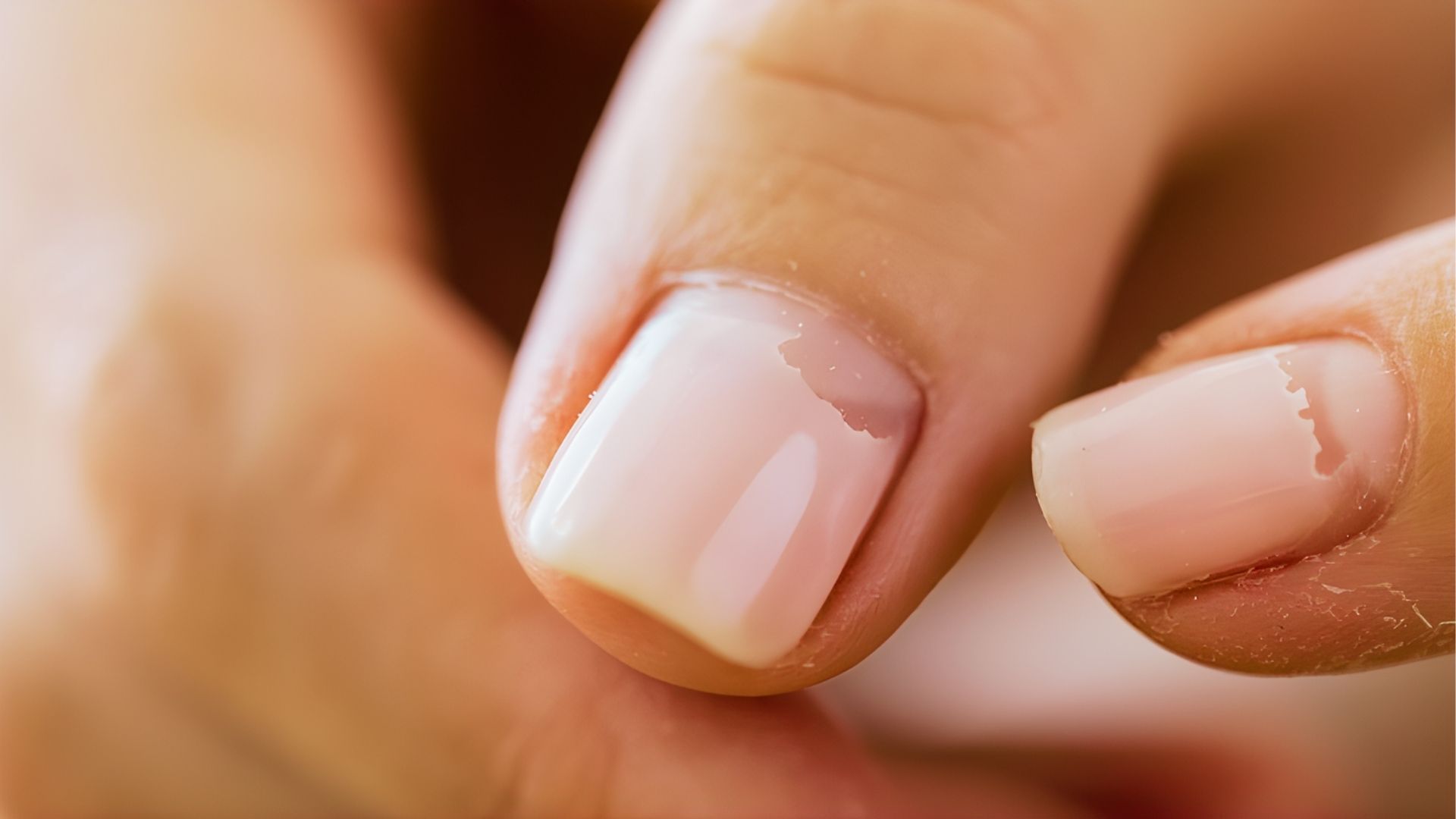
Gel manicures can cause nail lifting through application mistakes, removal damage, and stress on your natural nails.
Mechanical Stress From Gel Nails
Long or bulky gel nails create pressure that acts like a lever, literally prying your nail away from the bed.
The weight and structure of thick enhancements put constant stress on your natural nail, causing it to separate over time.
Improper Gel Application
When your nail tech applies gel too thick or skips proper prep steps, the polish doesn’t bond correctly.
This poor adhesion means lifting starts within days. Without the right foundation, your gel manicure is basically set up to fail.
Heat Spikes During Curing
During curing under the UV lamp, the gel heats up fast.
This heat spike can actually damage your nail bed and trigger a process that pushes your nail plate away from the skin underneath.
Incorrect Gel Removal
Peeling off gel or letting someone file too aggressively thins your natural nail so much that it can’t stay attached properly.
One rough removal session can set off weeks of lifting problems.
Allergies and Irritation From Gel Products

Gel products can trigger reactions that cause your nails to lift away from the bed as a protective response.
Reactions to Uncured Gel or Monomers
Your nail bed can react badly to gel that hasn’t cured properly or to certain chemicals in the polish.
If you notice redness, itching, or swelling around your nails after a gel manicure, that’s your body telling you something’s wrong.
These are early signs of allergic contact dermatitis, and your nail may start separating as your body tries to protect itself from the irritant.
Excessive Use of Primers and Bonds
When nail techs use too much primer or bonding agent, these harsh chemicals can soak through your nail plate.
Your nail bed sees this as an attack and responds by pushing your nail away. It’s a defense mechanism, but it leaves you dealing with lifted nails and potential long-term damage.
Infection Risks When Nails Lift

Once your nail lifts, bacteria and fungi can slip right into that gap.
The seal that normally protects your nail bed breaks down, and the dark, moist space under gel becomes a breeding ground for germs.
Watch for color changes like green, yellow, or black under your nail. These aren’t just cosmetic issues.
They mean infection has set in. If you see these colors or notice pain and swelling, stop everything and see a doctor. Infections can spread fast and cause permanent nail damage.
Health Conditions That Can Worsen Nail Lifting
Sometimes nail lifting after gel manicures points to bigger health issues your body is dealing with.
Skin and Nail Disorders
Conditions like psoriasis, lichen planus, and alopecia areata affect how your nails attach to the nail bed.
If you have any of these, gel manicures can make lifting worse because your nails are already compromised. The chemicals and stress from gel just add fuel to the fire.
Systemic Conditions
Thyroid problems, diabetes, and anemia all impact nail health in ways you might not realize.
These conditions change how your body produces and maintains nail tissue. When you add gel nails on top of these issues, lifting becomes much more likely and harder to treat.
What to Do When Nails Lift After Gel Nails

Acting fast when you notice lifting can prevent serious damage and help your nails heal properly.
Immediate Steps to Take
First things first: get that gel off your nails right away. Go to a professional for safe removal or use proper acetone soaking methods at home. Don’t pick or peel it off.
Once the gel is gone, trim your nails short. Keep them clean and completely dry. Moisture trapped under lifted nails exacerbates the problem, so dry your hands thoroughly after washing.
At-Home Nail Care for Onycholysis
Wash your hands gently with mild soap and pat your nails dry every time. Don’t scrub under the lifted areas.
Apply cuticle oil or vitamin E oil under the free edge of your nail daily. This keeps the area moisturized without trapping water. Be patient because regrowth takes months, not weeks.
How to Prevent Nails from Lifting After Gel Nails
- Choose a skilled nail tech who preps your nails correctly and applies thin, even gel layers. Make sure they use the right curing times and a compatible UV lamp to avoid heat damage.
- Never peel or pick off gel polish, even when it starts lifting. Always soak it off with acetone wraps or have a professional remove it safely to protect your natural nail.
- File gently and avoid letting anyone thin out your natural nail too much. Your nail plate needs thickness to stay strong and attached to the bed.
- Wear protective gloves when cleaning, doing dishes, or using harsh chemicals. Keeping your nails dry and protected prevents the lifting process from starting.
- Trim your nails regularly and apply cuticle oil daily to keep them hydrated. Healthy, moisturized nails handle gel products better and resist separation.
Conclusion
Nails lifting after gel manicures happen for many reasons, from poor application to infections and underlying health issues.
I want to emphasize the importance of acting quickly when you notice separation beginning. Don’t wait for it to get worse. See a professional if you’re unsure what’s causing it.
Your nails will thank you later. Taking care of your nails properly and choosing safe gel practices means you can still enjoy beautiful manicures without the damage.
Have you dealt with nail lifting before? Share your experience in the comments below. If this helped you, pass it along to someone who needs it.
Frequently Asked Questions
Can I still get gel nails if my nails are lifting?
No, you should avoid gel manicures until your nails have fully healed and reattached to the nail bed. Applying gel over lifting nails will trap moisture and bacteria, making the problem much worse and potentially causing infection.
How long does it take for lifted nails to reattach?
It typically takes 4 to 6 months for a nail to grow out completely and reattach to the nail bed. The timeline depends on how severe the lifting is and how well you care for your nails during the healing process.
Is nail lifting after gel nails permanent?
No, nail lifting isn’t permanent if you catch it early and treat it properly. However, repeated damage from gel nails or untreated infections can cause permanent changes to your nail bed and how your nails grow.
Can I use regular nail polish while my nails are healing from lifting?
It’s best to keep your nails polish-free while they heal so you can monitor any changes and keep them completely dry. If you must wear polish, use breathable formulas and remove them frequently to check for infection signs.
Should I see a doctor for lifted nails after gel manicures?
Yes, see a doctor if you notice green, yellow, or black discoloration, pain, swelling, or if the lifting keeps getting worse despite home care. These signs indicate infection or other conditions that need medical treatment.