Peptides for Acne: Benefits, Uses, and Results

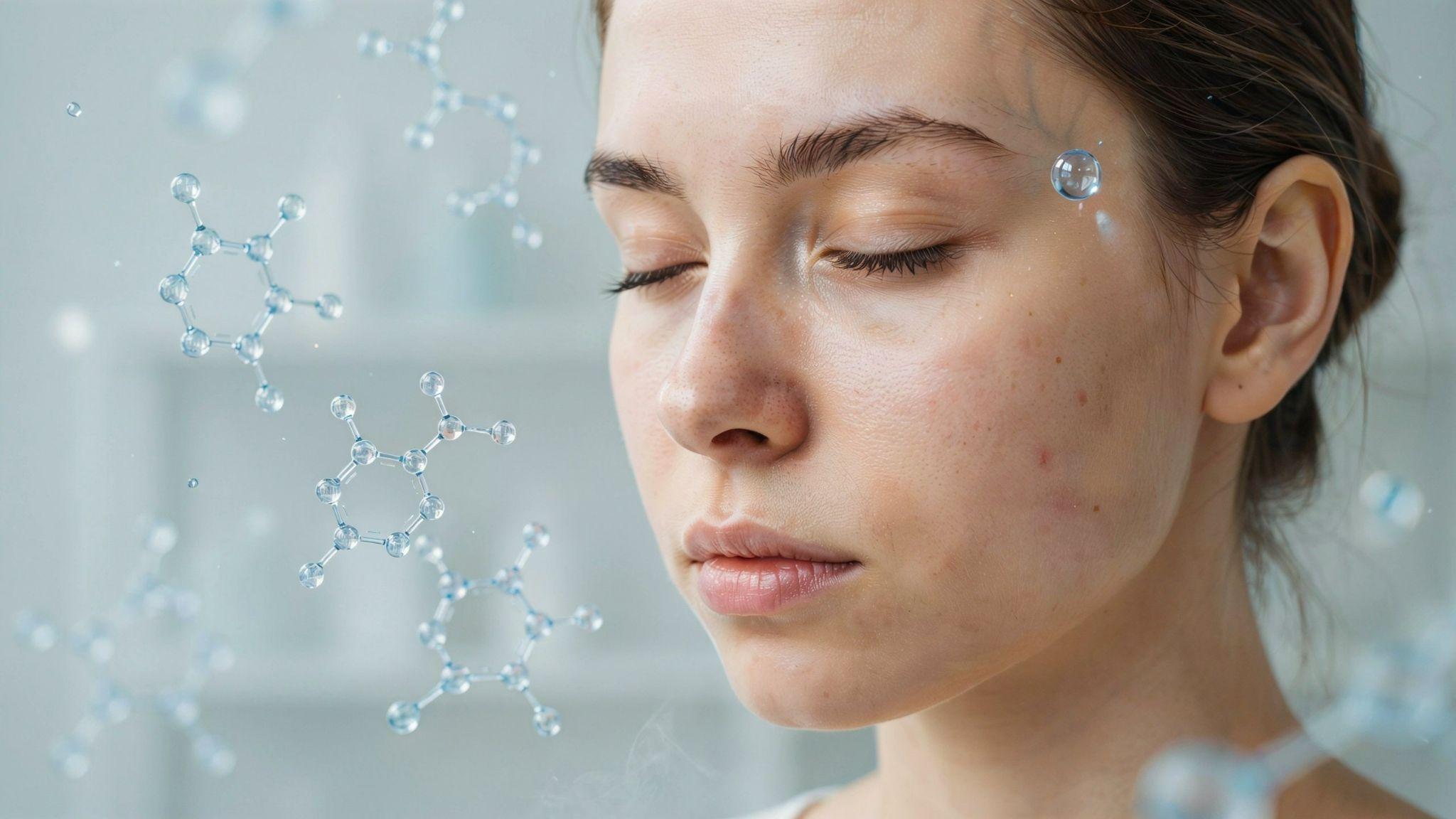
Acne is frustrating. You try product after product, and nothing seems to work long enough to make a real difference.
That is where peptides come in. They are backed by science and work without harsh chemicals or complicated routines.
Peptides repair the skin barrier, fight acne-causing bacteria, reduce inflammation, and help fade stubborn marks left behind after a breakout.
If you have been looking for something that actually works, this blog covers everything you need to know about peptides and acne.
What Are Peptides?
Peptides are short chains of amino acids, the building blocks of proteins like collagen and elastin. Your skin naturally produces them, but this slows down with age and damage.
When applied through skincare, peptides send signals to skin cells to repair, rebuild, and strengthen the skin barrier. This makes the skin more resilient against breakouts.
They are now gaining attention in acne treatment because they work without harsh side effects. They calm redness, support healing, and help keep skin balanced over time.
Can Peptides Help Acne?
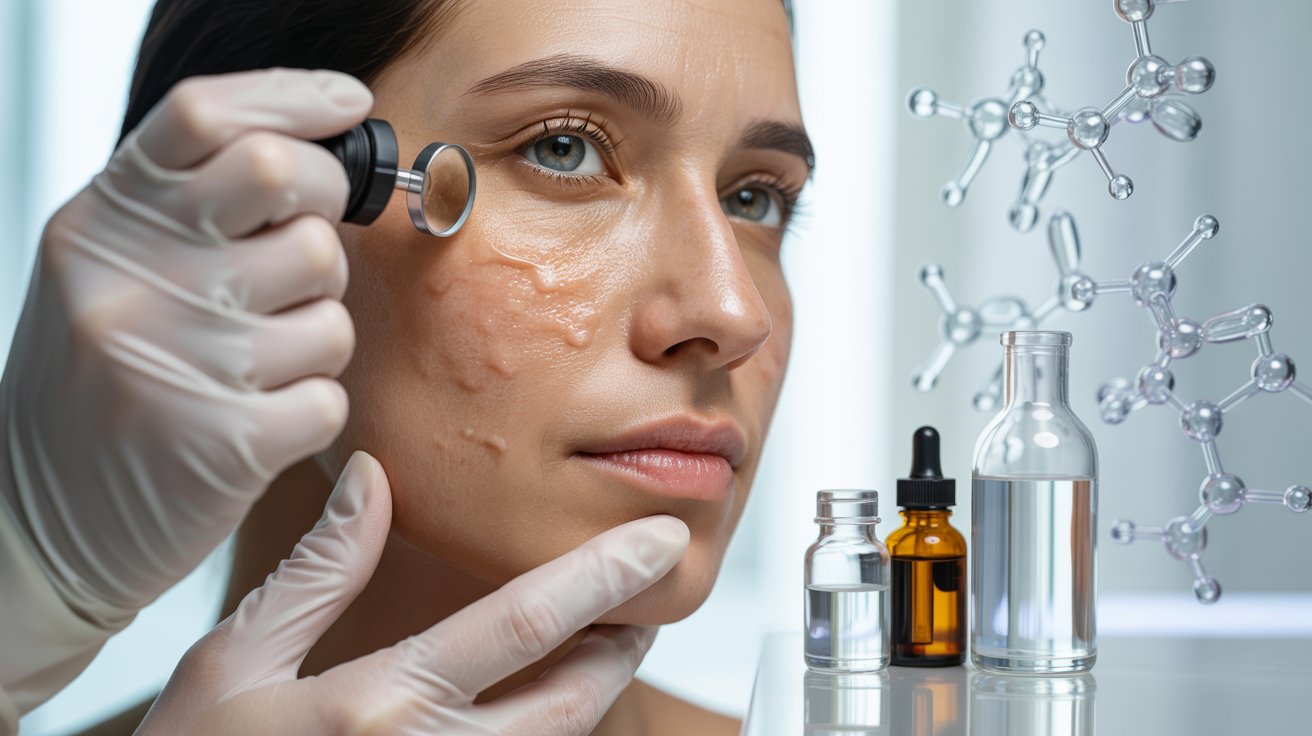
Peptides work on acne by targeting its root causes. They reduce inflammation, control excess oil production, and fight acne-causing bacteria. Some peptides also help repair the skin barrier, which is often weakened in acne-prone skin.
Research shows that certain peptides have antimicrobial properties. They stop harmful bacteria from growing on the skin without disrupting the skin's natural balance.
For mild to moderate acne, peptides show good results. Severe acne may need additional treatments, but peptides can still support overall skin recovery and reduce post-acne marks.
Benefits of Peptides for Acne-Prone Skin
- Peptides calm skin inflammation and reduce visible redness. This makes active breakouts look less irritated and angry over time.
- Certain peptides have antimicrobial properties that target acne-causing bacteria. They do this without stripping the skin of its natural protective layer.
- Peptides speed up the skin's natural healing process after a breakout. This means blemishes clear up faster and leave less damage behind.
- They strengthen the skin barrier, making it harder for bacteria and irritants to enter. A stronger barrier also means fewer future breakouts.
- Peptides fade post-acne marks by boosting collagen production in the skin. Regular use leads to smoother, more even-toned skin over time.
Best Peptides for Acne
Choosing the right peptide for acne makes a real difference. Each type works differently, targeting specific concerns like oil control, bacteria, scarring, or sensitivity.
Copper Peptides for Skin Repair and Oil Balance
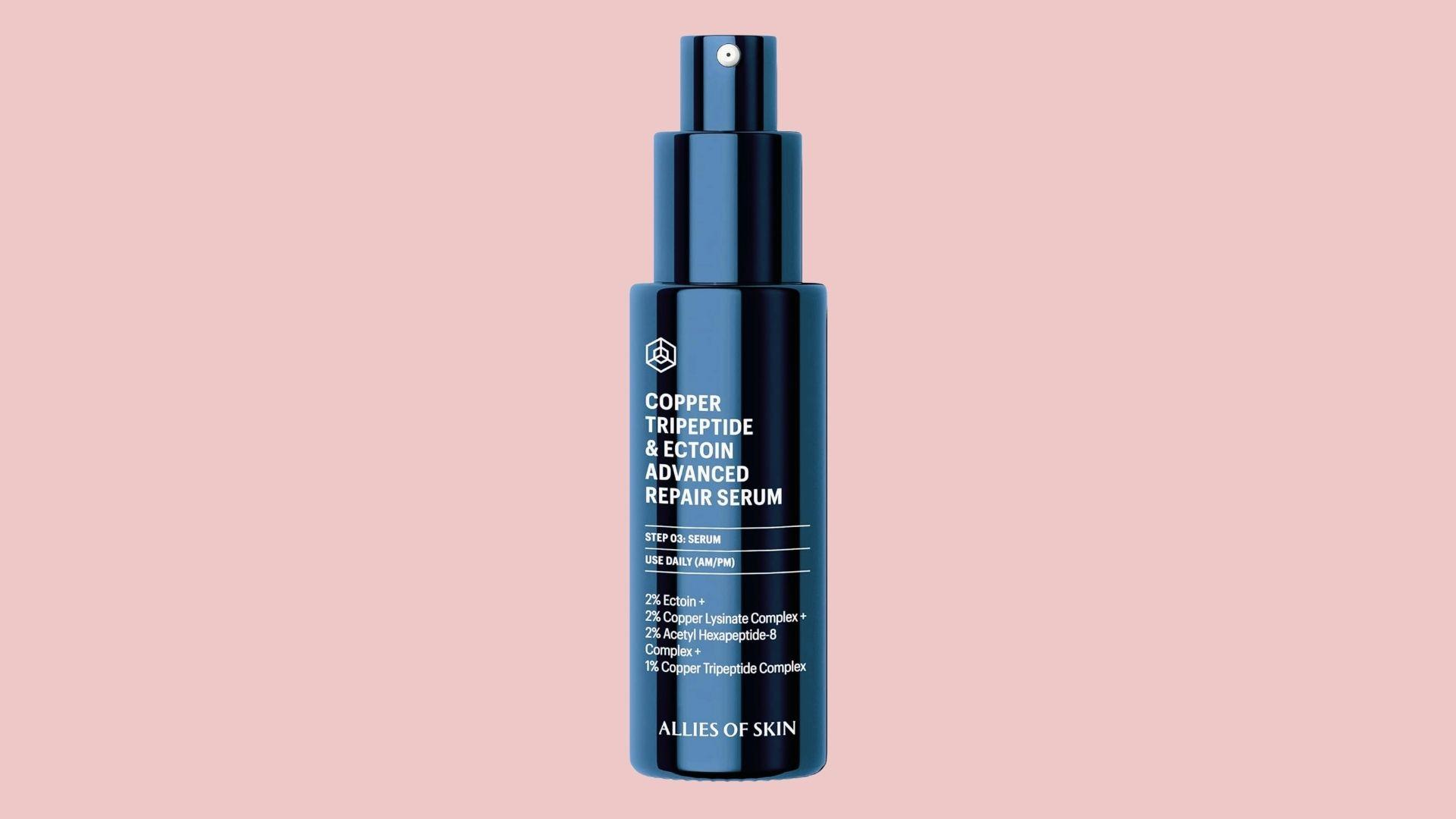
Copper peptides help repair damaged skin tissue while keeping oil production in check. They promote collagen growth and reduce inflammation. Regular use helps shrink enlarged pores and creates a clearer, more balanced skin surface over time.
Thymosin Beta-4 (TB500) for Skin Regeneration
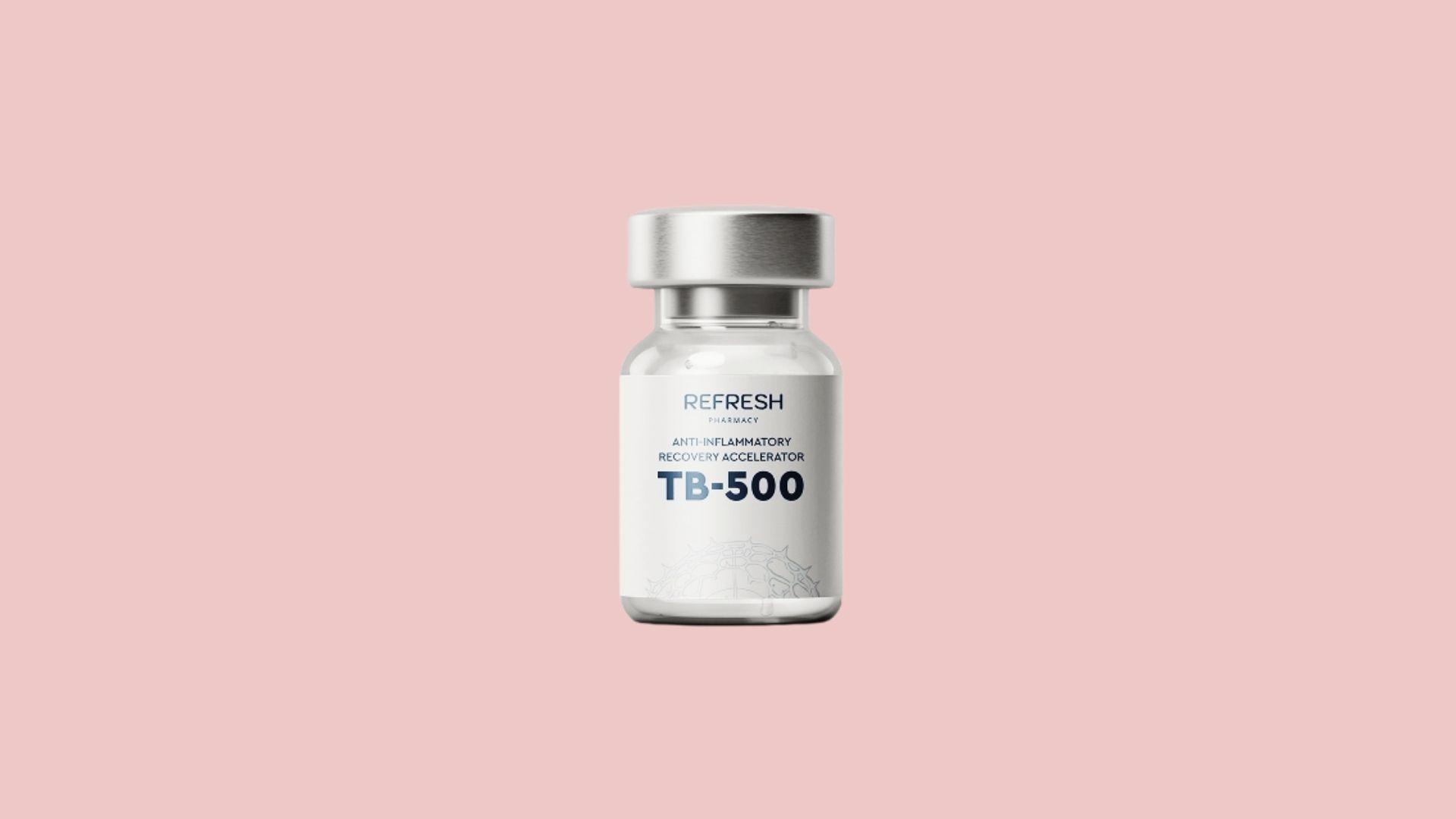
TB500 supports faster cell regeneration and tissue repair. It helps the skin recover quickly after breakouts and reduces lingering redness. This peptide is especially useful for skin that is slow to heal after repeated acne flare-ups.
BPC-Thymosin for Acne Recovery and Scar Healing
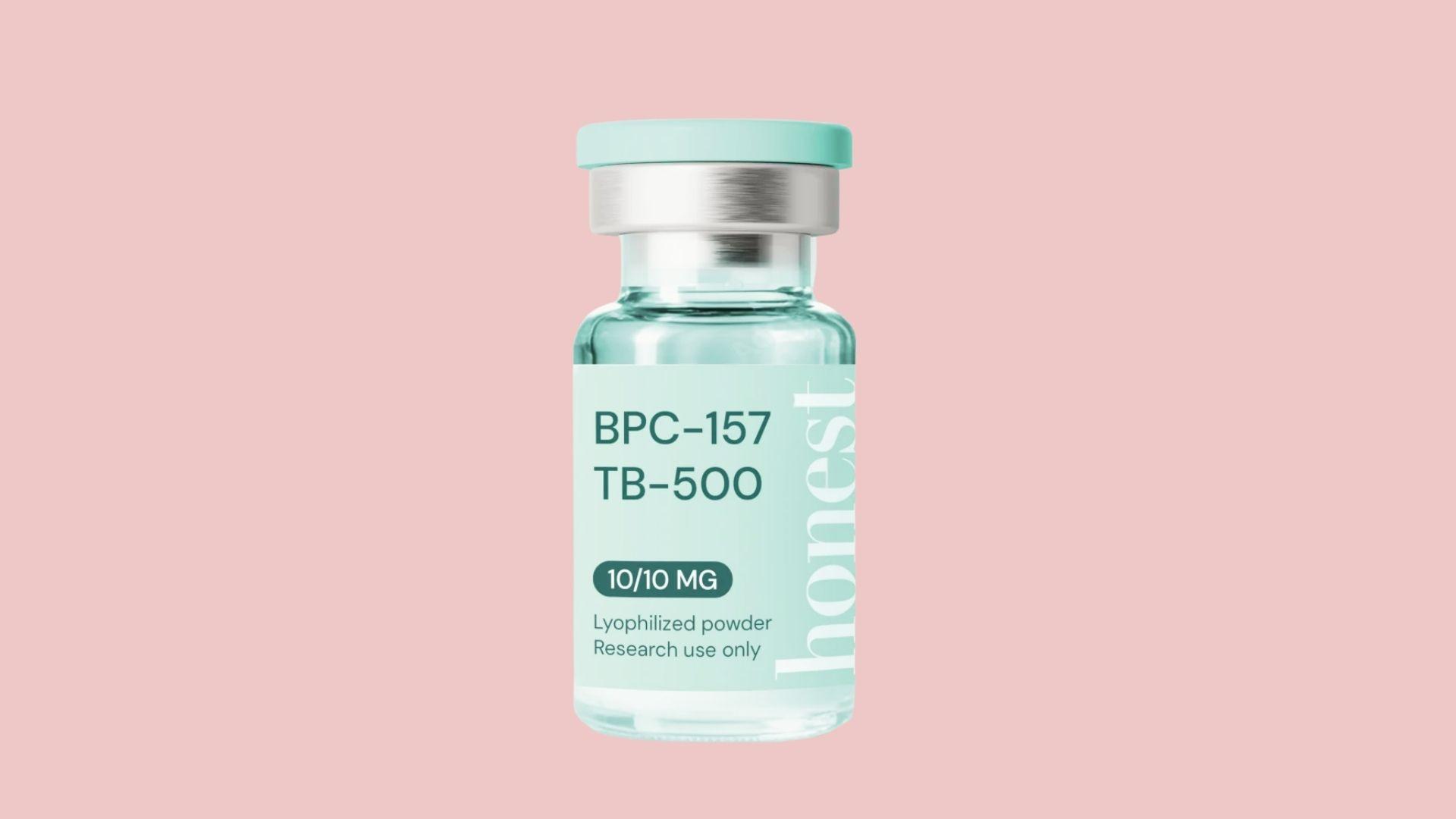
BPC-Thymosin combines recovery and healing benefits in one. It speeds up the skin's repair process after acne and reduces the depth of scars. It also helps restore the skin's natural texture, making it look smoother and healthier.
Palmitoyl Tetrapeptide-7 for Inflammation Control
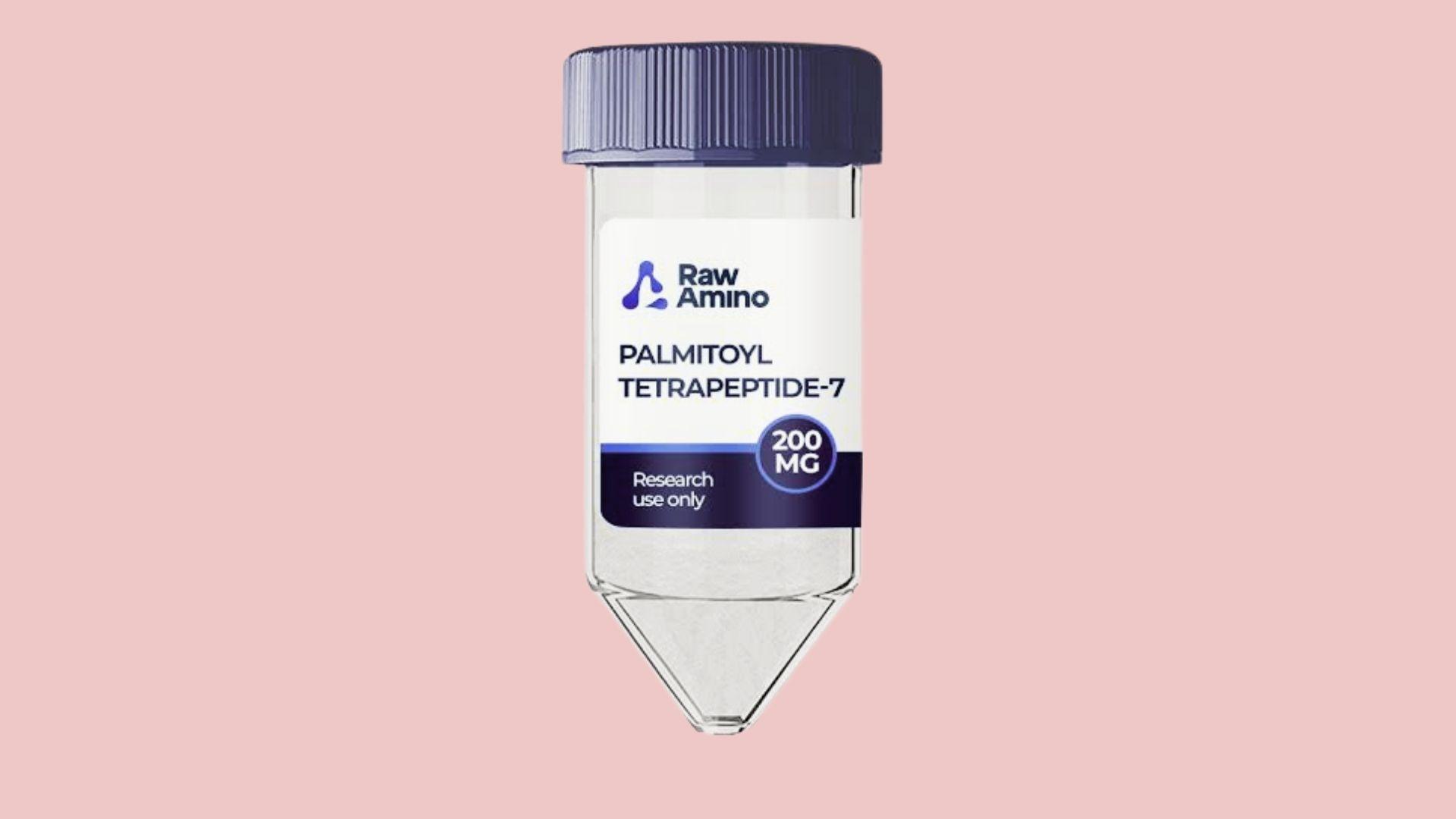
This peptide directly targets skin inflammation by blocking certain proteins that trigger it. It reduces swelling around active breakouts and prevents new inflammation from forming. Consistent use leads to calmer, less reactive skin over time.
Acetyl Tetrapeptide-15 for Sensitive, Acne-Prone Skin
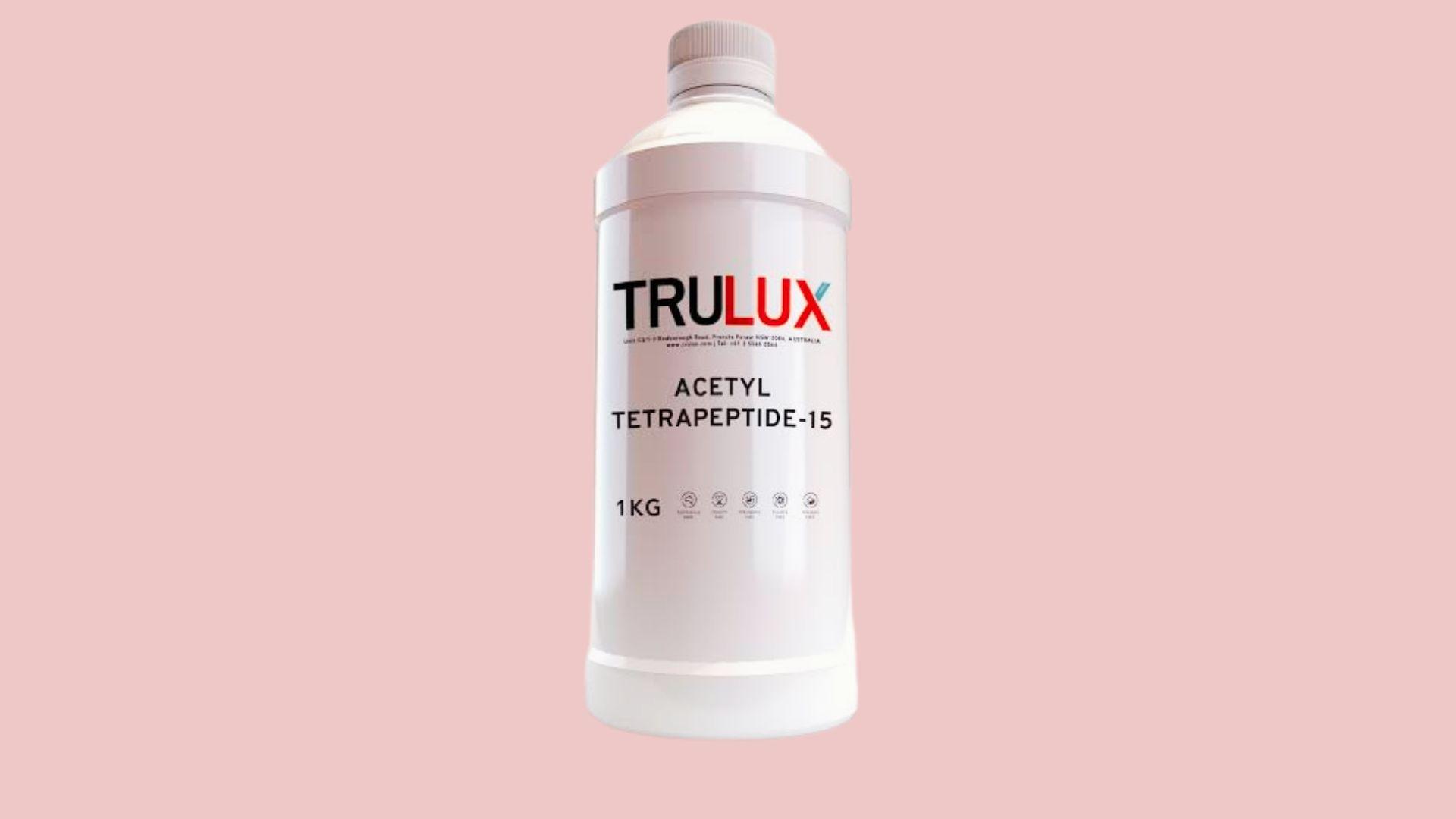
Acetyl Tetrapeptide-15 is a good option for skin that reacts easily to products. It soothes irritation, reduces sensitivity, and strengthens the skin barrier. It works gently without causing further reactions, making it suitable for delicate acne-prone skin types.
Matrixyl for Acne Scars and Skin Renewal
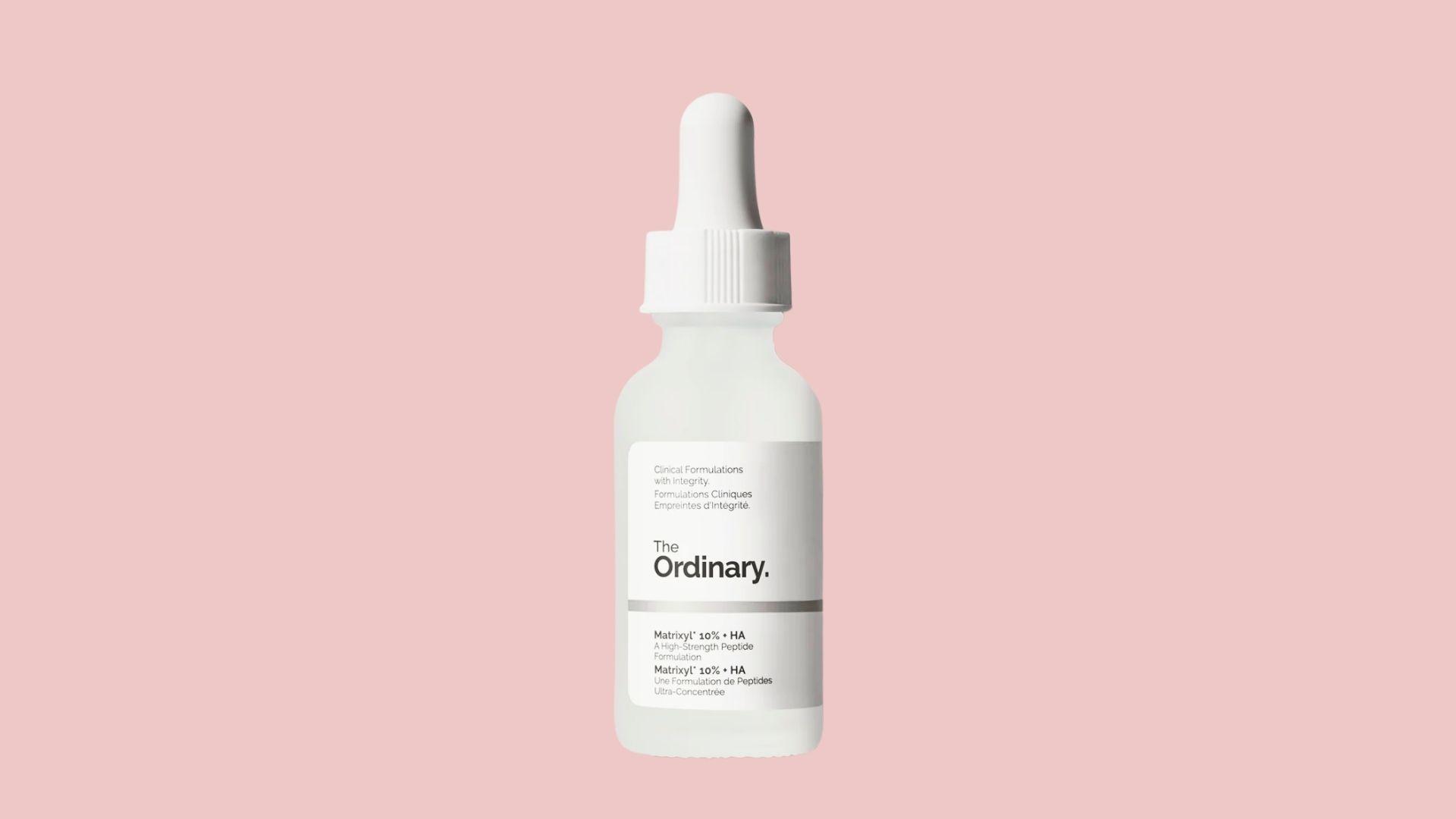
Matrixyl stimulates collagen production, which helps fill in acne scars over time. It supports cell renewal and improves overall skin texture. With regular use, skin looks firmer, and old acne marks gradually become less visible and more faded.
How Peptides Help With Acne Scars
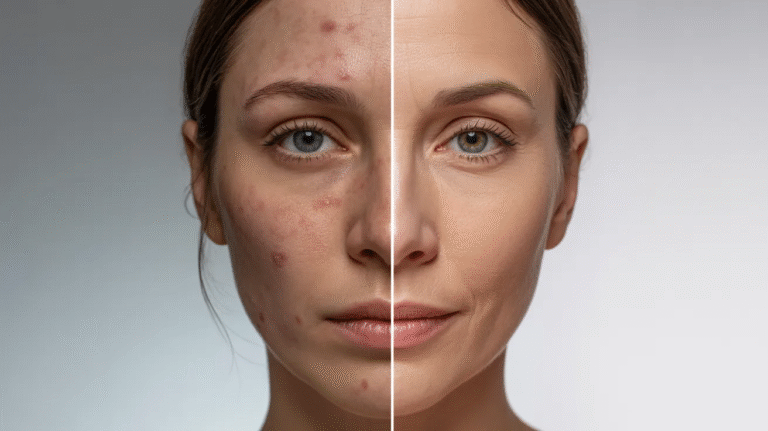
Peptides play a strong role in reducing acne scars over time. They boost collagen production, which helps fill in depressed scars and firm up the skin. As collagen levels rise, skin starts to look plumper and more even.
Peptides also speed up cell turnover, pushing fresh skin cells to the surface faster. This fades dark spots and post-acne marks gradually.
With regular use, skin texture becomes smoother and tone becomes more consistent, giving skin a healthier and clearer appearance.
Potential Side Effects and Safety Considerations
- Peptides are generally safe for daily use and work well for most skin types. They are mild in nature and rarely cause serious reactions when used correctly.
- Some people may notice mild redness or irritation when starting a new peptide product. This usually settles down within a few days as the skin adjusts.
- Allergic reactions are rare but possible, especially with products that contain multiple active ingredients. Always check the full ingredient list before adding a new product to your routine.
- Do a patch test before applying any new peptide product to your face. Apply a small amount on your inner arm and wait 24 hours to check for any reaction.
- Avoid mixing peptides with strong acids like AHAs or BHAs in the same step. Using them at separate times of the day gives better results and reduces the risk of irritation.
Conclusion
Peptides are a smart and gentle addition to any acne-focused skincare routine. They reduce inflammation, fight bacteria, fade scars, and strengthen the skin over time.
Picking the right peptide depends on your specific skin concerns. Start slow, be consistent, and give your skin time to respond.
If you are serious about clearing your skin, peptides are worth trying. Check our range of peptide-based products and take the first step toward calmer, clearer skin today.
Frequently Asked Questions
Can peptides be used on acne-prone skin every day?
Yes, peptides are gentle enough for daily use. They rarely cause irritation and work well for most skin types, including sensitive and acne-prone skin.
How long does it take for peptides to show results on acne?
Most people start seeing improvements within 4 to 6 weeks of consistent use. Scars and marks may take a little longer to fade noticeably.
Can peptides replace my acne medication or treatment?
Peptides work best as a supportive part of your skincare routine. For severe acne, they should be used alongside prescribed treatments, not as a replacement.
Are peptides safe to use with other skincare ingredients?
Peptides are generally safe to combine with most ingredients. However, avoid using them at the same time as strong acids like AHAs or BHAs to prevent irritation.
Which peptide is best for acne scars specifically?
Matrixyl and copper peptides are well known for helping with acne scars. They boost collagen production and support cell renewal, which gradually reduces the appearance of scars over time.