Rosacea vs Acne: Symptoms, Causes, and Key Differences

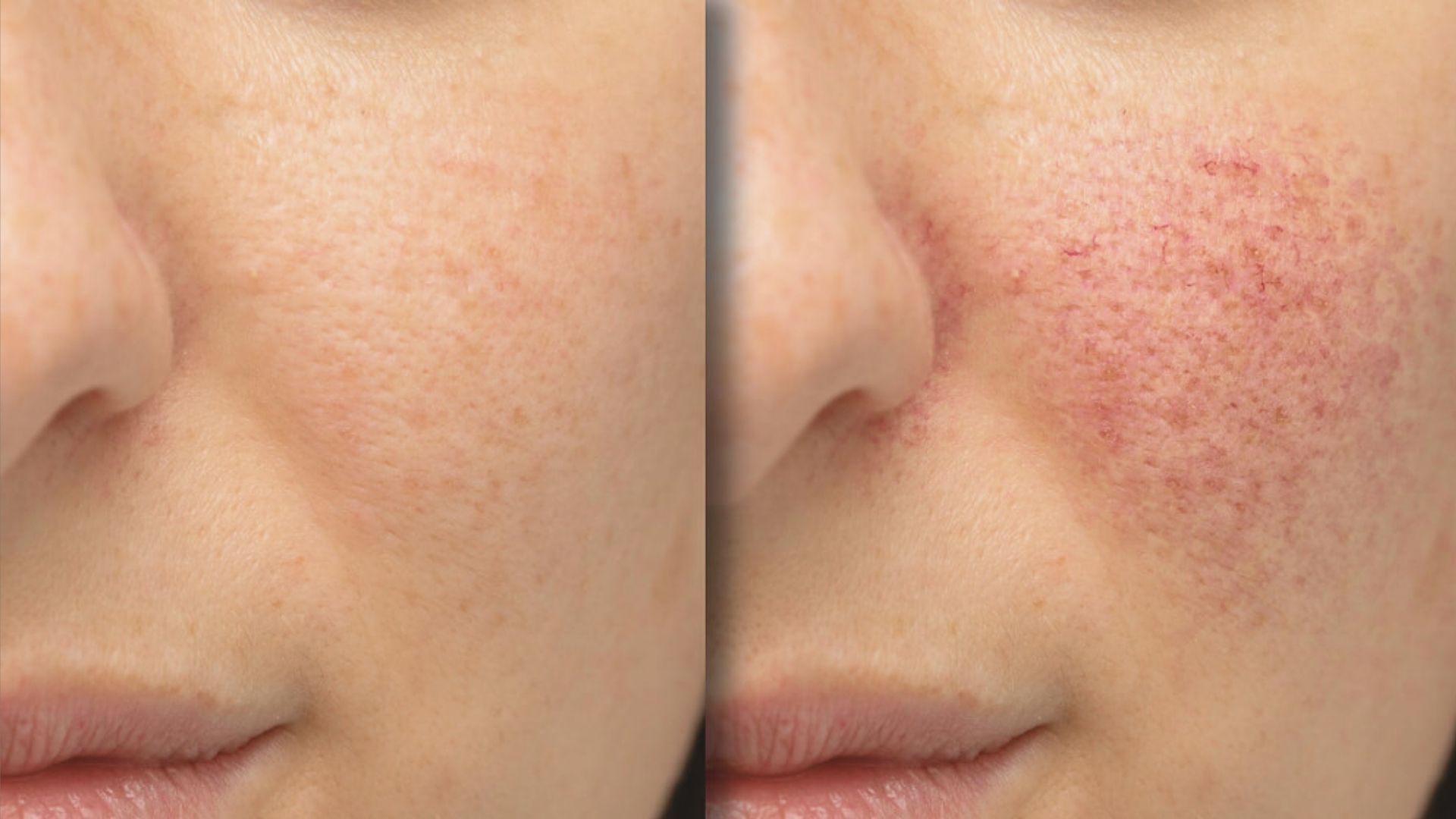
I remember staring at my red, bumpy skin and feeling completely confused.
Was it acne? Something else? I tried every acne treatment out there, but nothing worked.
Turns out, I had rosacea all along. If you’re dealing with facial redness and breakouts, you might be in the same boat.
Here’s what I’ve learned: rosacea and acne look alike, but they’re totally different conditions. And using the wrong treatment can actually make your skin worse.
In this guide, I’ll show you how to tell them apart and finally get the relief you need.
Let’s get started.
Rosacea vs Acne: Comparison Table
A quick comparison of rosacea and acne to help you identify key differences in symptoms, triggers, and appearance.
|
Feature |
Acne |
Rosacea |
|
Blackheads / Whiteheads |
Present |
Not present |
|
Redness |
Around pimples |
Persistent facial redness |
|
Where It Appears |
Face + body (chest, back, shoulders) |
Center of face only |
|
Age It Starts |
Teens to early 20s |
After age 30 |
|
Eye Symptoms |
None |
Possible (burning, redness, styes) |
|
Triggers |
Hormones, food, stress |
Sun, heat, alcohol, spicy foods |
What Is Acne?
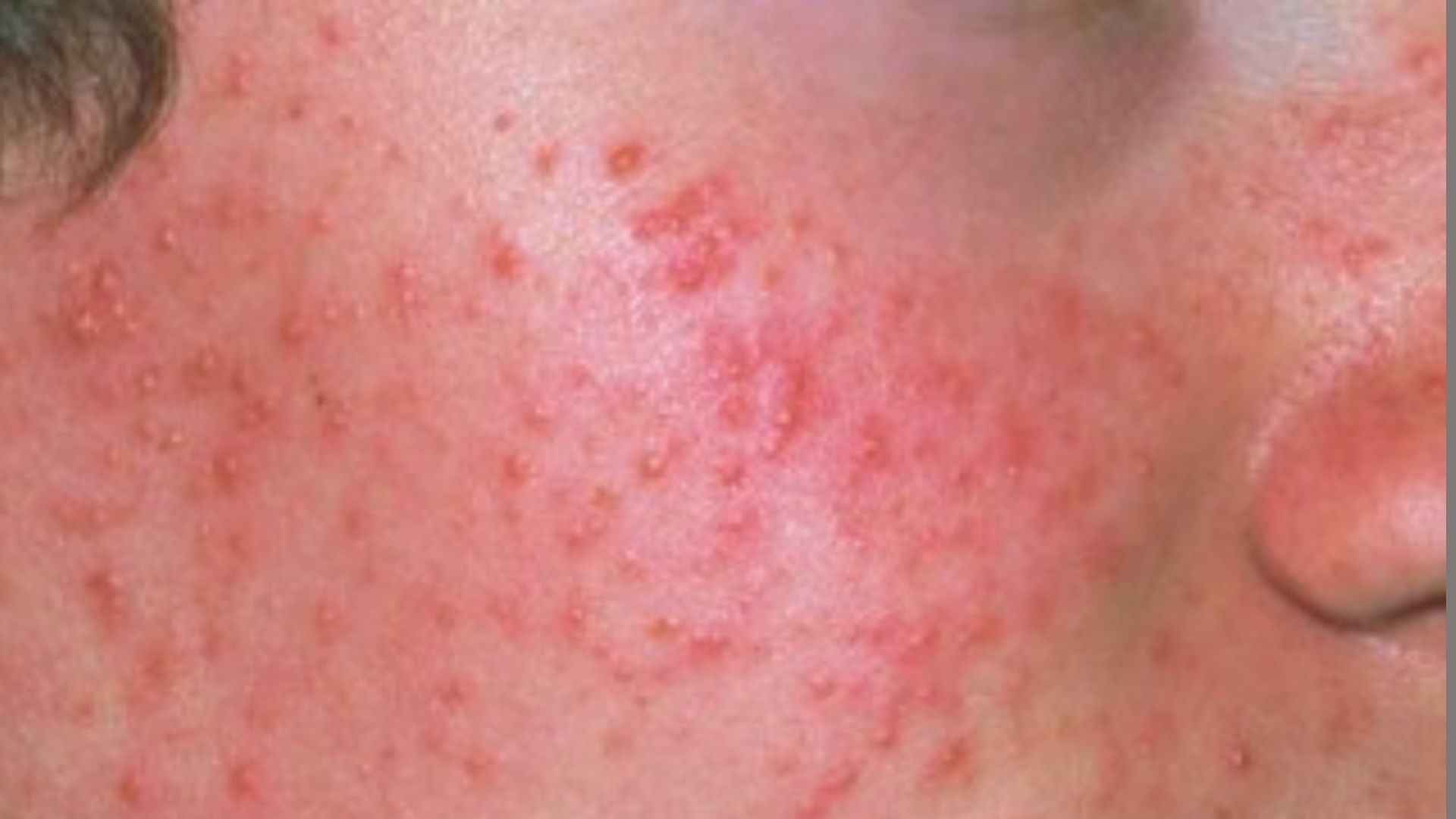
Acne is an inflammatory skin condition that affects millions of people worldwide.
It shows up most often on your face, but can also appear on your chest, back, and shoulders. While it’s commonly linked to teenage years, adults get it too.
Types of Acne
Not all acne looks the same. Here are the main types:
- Comedonal acne: includes blackheads and whiteheads. These form when your pores get clogged with oil and dead skin cells.
- Inflammatory acne: shows up as red, swollen bumps and pustules filled with pus. These are more painful than comedonal acne.
- Nodulocystic acne: is the most severe type. It creates deep, painful nodules or cysts under your skin that can lead to scarring.
Symptoms and Appearance
Acne can show up in different ways. You might notice whiteheads, blackheads, red bumps, or pimples filled with pus.
In severe cases, it leaves scars that stick around even after the breakouts clear up.
Most people first get acne during their teen years or early twenties when hormones are most active.
Causes of Acne
Several factors trigger acne breakouts:
- Hormonal changes play a big role. Puberty, menstruation, and pregnancy all cause hormone fluctuations that lead to breakouts.
- Your skin produces excess oil that clogs your pores. When dead skin cells mix with this oil, pimples form.
- Bacteria, especially C. acnes, multiply in clogged pores and cause inflammation.
- Your diet, stress levels, and certain medications can also make acne worse.
What Is Rosacea?
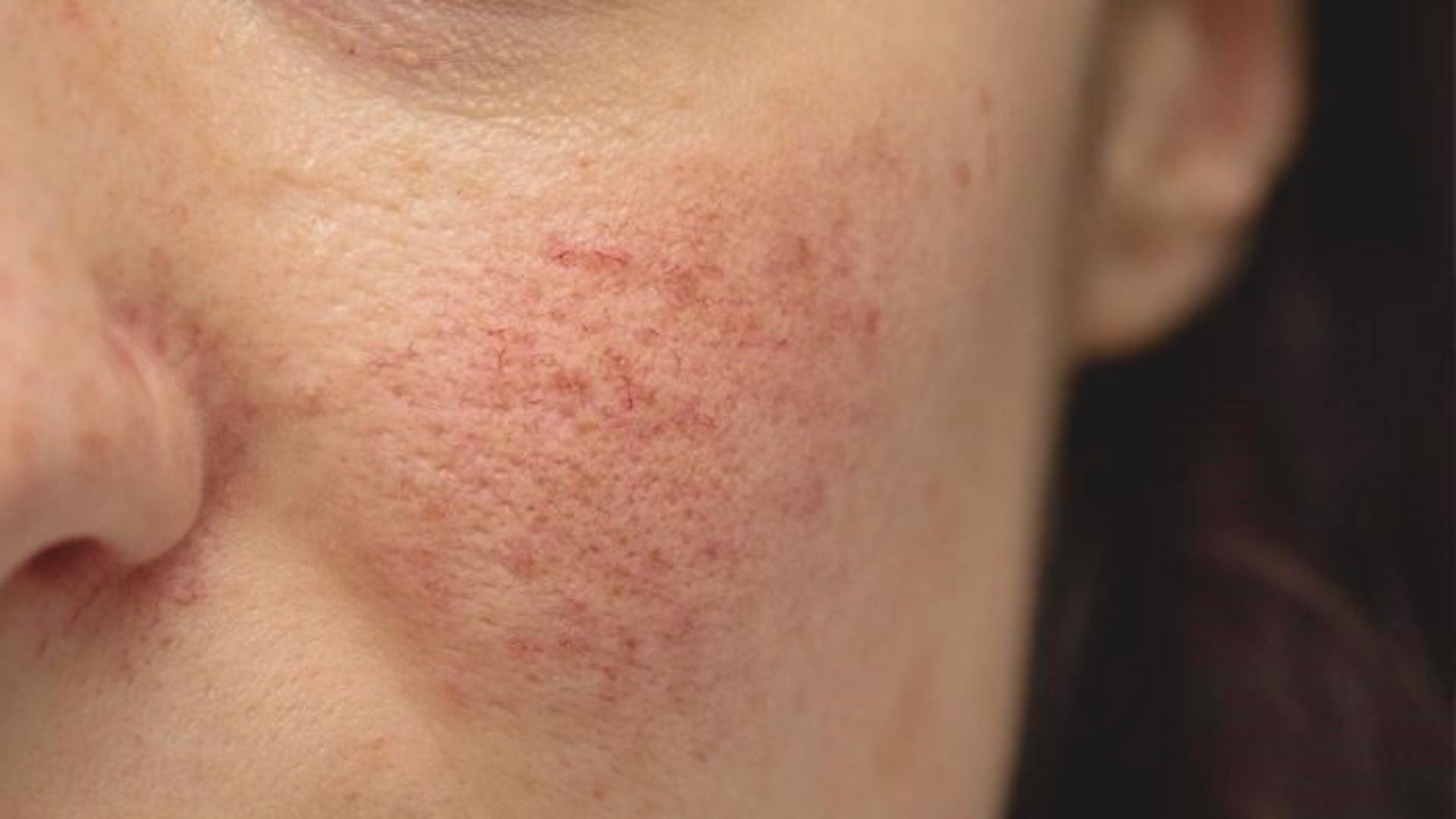
Rosacea is a chronic skin condition that affects your face. People often mistake it for acne or sunburn because of the redness.
Unlike acne, rosacea typically shows up in adults over 30.
Symptoms and Appearance
The main sign is persistent redness and flushing that doesn’t go away. You’ll notice bumps that look like acne, but without any blackheads or whiteheads.
In advanced cases, your skin may feel rough or look thickened, especially on your nose and cheeks. Some people also get ocular rosacea, which affects the eyes and causes irritation.
Types of Rosacea
- Erythematotelangiectatic: causes redness, flushing, and visible blood vessels on your face.
- Papulopustular: creates bumps that look like acne with redness and swelling.
- Phymatous: makes your skin thick and bumpy, usually on the nose and cheeks.
- Ocular: affects your eyes, causing burning, redness, and irritation.
Causes of Rosacea
Your immune system overreacts and causes inflammation. Facial blood vessels dilate more than they should, creating that flushed look.
Certain triggers make it worse: sun exposure, heat, alcohol, and spicy foods all cause flare-ups.
Demodex mites and imbalances in your skin or gut microbiome also play a role. If rosacea runs in your family, you’re more likely to develop it too.
Rosacea vs Acne: How to Tell the Difference
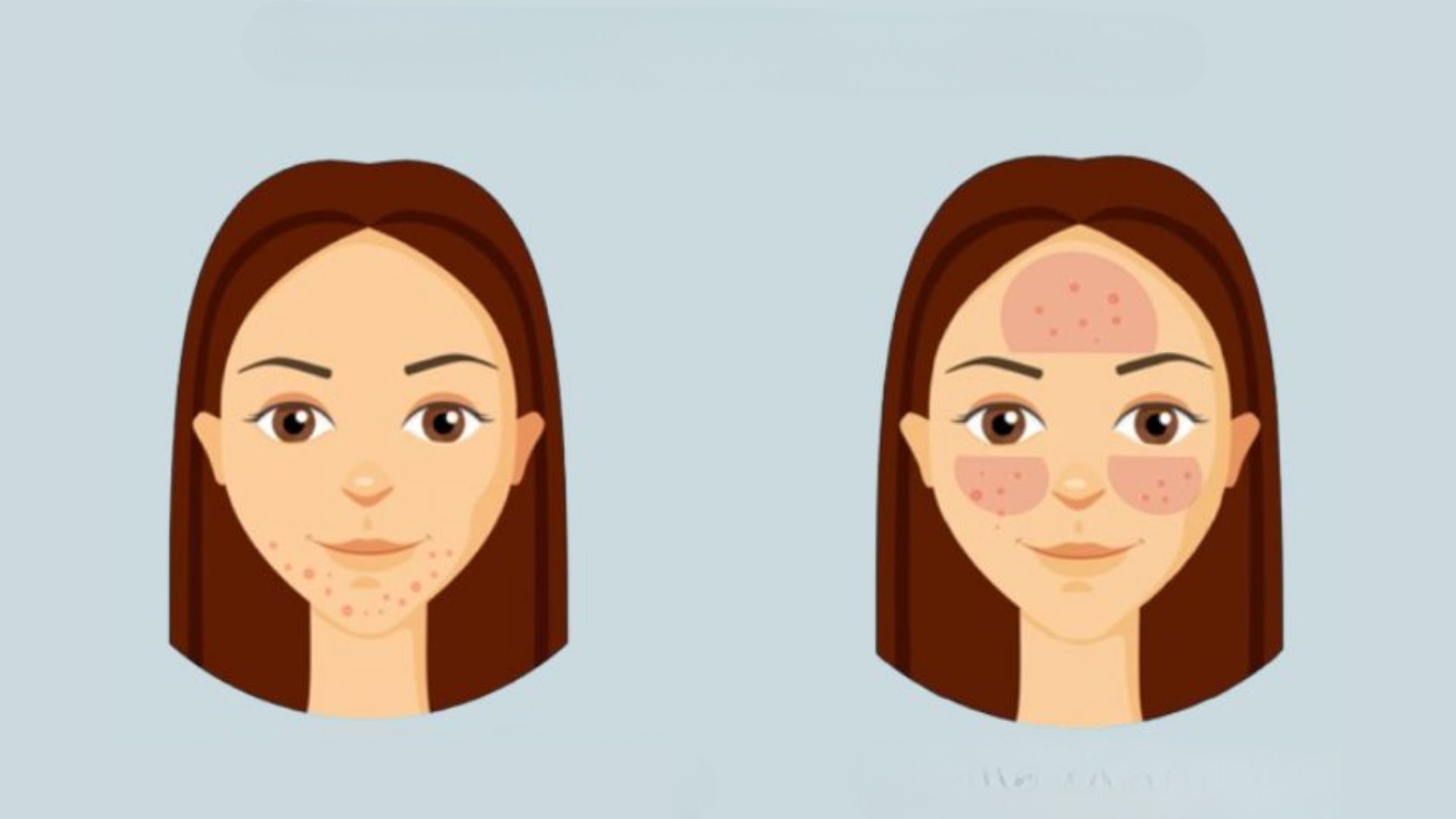
Now that you know what each condition is, let’s compare them side by side so you can identify which one you’re dealing with.
Key Visual Differences
Acne always includes blackheads and whiteheads. You’ll see those clogged pores clearly on your skin.
Rosacea never has blackheads or whiteheads. Instead, you’ll notice persistent redness that stays even when bumps aren’t present.
Distribution on the Body
Acne spreads beyond your face. It shows up on your chest, back, shoulders, and sometimes even your buttocks.
Rosacea stays on the center of your face only. It affects your cheeks, nose, forehead, and chin but doesn’t spread to other body parts.
Age of Onset
Acne typically starts during your teen years or early twenties when hormones are most active.
Rosacea develops later in life. Most people first notice symptoms after age 30.
Eye Symptoms
Acne doesn’t affect your eyes at all.
Rosacea can cause eye problems. Your eyes may burn, turn red, feel gritty, or develop styes. This is called ocular rosacea.
Triggers and Flare-Ups
Acne flares up due to hormonal changes, certain foods, and stress.
Rosacea gets worse with sun exposure, heat, alcohol, spicy foods, and emotional stress. These triggers cause your face to flush and turn red.
Can You Have Both Acne and Rosacea?
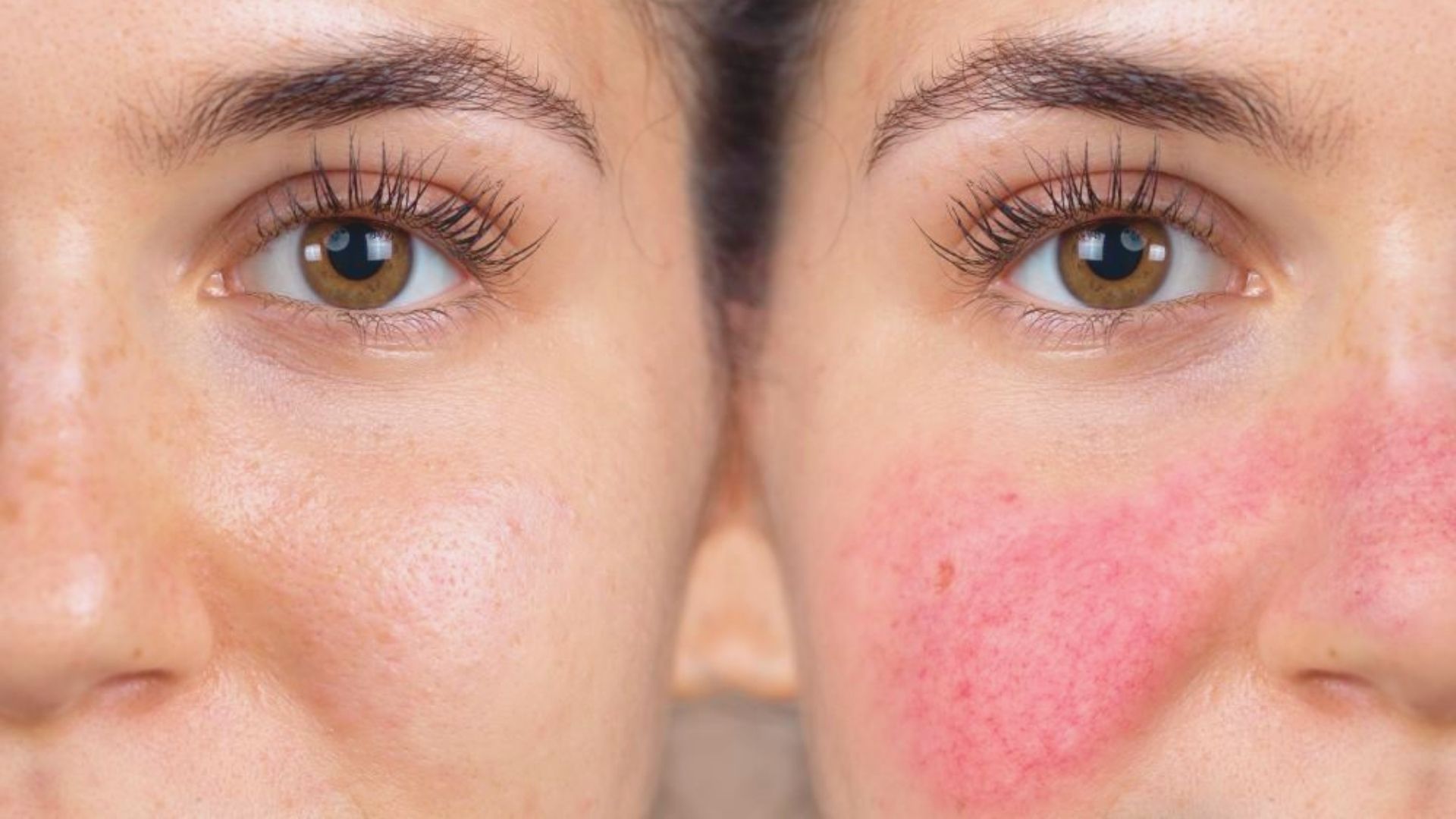
Yes, you can have both conditions at the same time, though it’s not common. Adult hormonal acne sometimes appears alongside rosacea, making your skin issues more complicated.
This is why seeing a dermatologist matters. They can tell the difference between the two conditions and create a treatment plan that addresses both.
Using the wrong products for one condition might make the other worse. A professional diagnosis helps you avoid this problem and get your skin under control faster.
Prevention Tips
- Wash your face gently with non-comedogenic products to prevent acne. Avoid touching or picking at your skin, which spreads bacteria and causes more breakouts.
- Cut back on sugar and high-glycemic foods that trigger acne flares. Managing stress through exercise also helps keep hormonal breakouts under control.
- Stay away from rosacea triggers like sun exposure, heat, alcohol, and spicy foods. These cause your face to flush and make symptoms worse.
- Always wear sunscreen and use gentle skincare products if you have rosacea. Harsh products irritate your sensitive skin and lead to flare-ups.
- Watch for eye symptoms like burning or redness and treat them right away. Ocular rosacea can get worse if you ignore the early signs.
Conclusion
Getting the right diagnosis changed everything for my skin.
Once I knew I had rosacea instead of acne, I could finally use products that actually helped instead of making things worse.
If you’re still confused about what’s going on with your skin, don’t wait like I did.
Book an appointment with a dermatologist who can give you a proper diagnosis. The sooner you know what you’re dealing with, the faster you’ll see results.
Your skin deserves the right care. Take that first step today and get the answers you need.
Frequently Asked Questions
Can rosacea turn into acne or vice versa?
No, rosacea and acne are separate conditions that don’t turn into each other. However, you can have both at the same time, which is why getting a proper diagnosis is important.
Why does my face look red all the time if I have rosacea?
Rosacea causes your facial blood vessels to dilate more than normal, creating persistent redness. Triggers like sun, heat, and certain foods make this redness worse.
Can I use acne products if I have rosacea?
Most acne products are too harsh for rosacea-prone skin and cause severe irritation. Stick to gentle, rosacea-specific treatments instead of using benzoyl peroxide or salicylic acid.
At what age should I worry about rosacea instead of acne?
If you’re over 30 and experiencing facial redness with bumps but no blackheads, it’s likely rosacea. Acne typically starts in your teens or twenties.
Is rosacea curablṣe or will I have it forever?
Rosacea is a chronic condition with no cure, but you can manage it effectively with proper treatment. Avoiding triggers and following a gentle skincare routine helps keep symptoms under control.