13 Homemade Lip Mask Recipes for Soft Lips


Dry, chapped lips are frustrating. I know because I’ve dealt with dark, peeling lips for years, and nothing seemed to work.
That’s when I started making my own homemade lip mask at home, and honestly, it changed everything.
In this blog, I’ll share 13 easy recipes using ingredients you already have in your kitchen. I’ll also cover which mask works best for your specific lip concern, how often to use them, and tips to get real results.
These recipes are natural, affordable, and actually work. I’ve tested them myself. Let’s get started.
What Is a Homemade Lip Mask & Why Use It?

A homemade lip mask is a natural treatment you apply to your lips for 10 to 20 minutes, then wipe off. Unlike lip balm, it goes deeper.
It exfoliates dead skin and adds moisture at the same time. Regular use reduces dryness, flakiness, and darkness, leaving your lips smoother and healthier.
Lip balms only coat the surface, but masks actually treat the skin. Common ingredients include honey, coconut oil, aloe vera, sugar, shea butter, and fruits like strawberry and kiwi.
Simple stuff that works better than most products on the shelf.
How to Make a Homemade Lip Mask at Home

Follow this simple method and avoid common mistakes for the best results.
Basic formula (exfoliation + hydration)
Every good lip mask has two parts. One ingredient exfoliates (removes dead skin), and one hydrates (adds moisture). Sugar exfoliates. Honey hydrates. That combo works every time.
How to choose the right ingredients
Pick ingredients based on your concern. Dry lips need oils. Dark lips need lemon or kiwi. Chapped lips need aloe vera and honey.
Easy homemade lip mask method
- Mix your ingredients in a small bowl.
- Apply a thick layer to clean lips.
- Leave on for 10 to 20 minutes.
- Wipe off gently with a damp cloth.
- Apply a light oil or balm after.
Mistakes to avoid
Do not leave citrus-based masks on too long. Avoid applying masks on open cuts. Do not rub too hard when removing the mask.
List 13 Best Homemade Lip Mask Recipes for Soft Lips
From kitchen staples to overnight treatments, these 13 recipes cover everything your lips need.
1. Honey and Coconut Oil

Mix 1 tsp honey with 1 tsp coconut oil and apply to your lips for 15 minutes. This combo locks in moisture and works great for daily hydration.
2. Aloe Vera and Olive Oil

Mix 1 tsp aloe vera gel with a few drops of olive oil and leave on for 15 minutes. It soothes irritated lips and keeps them soft and calm.
3. Shea Butter and Almond Oil
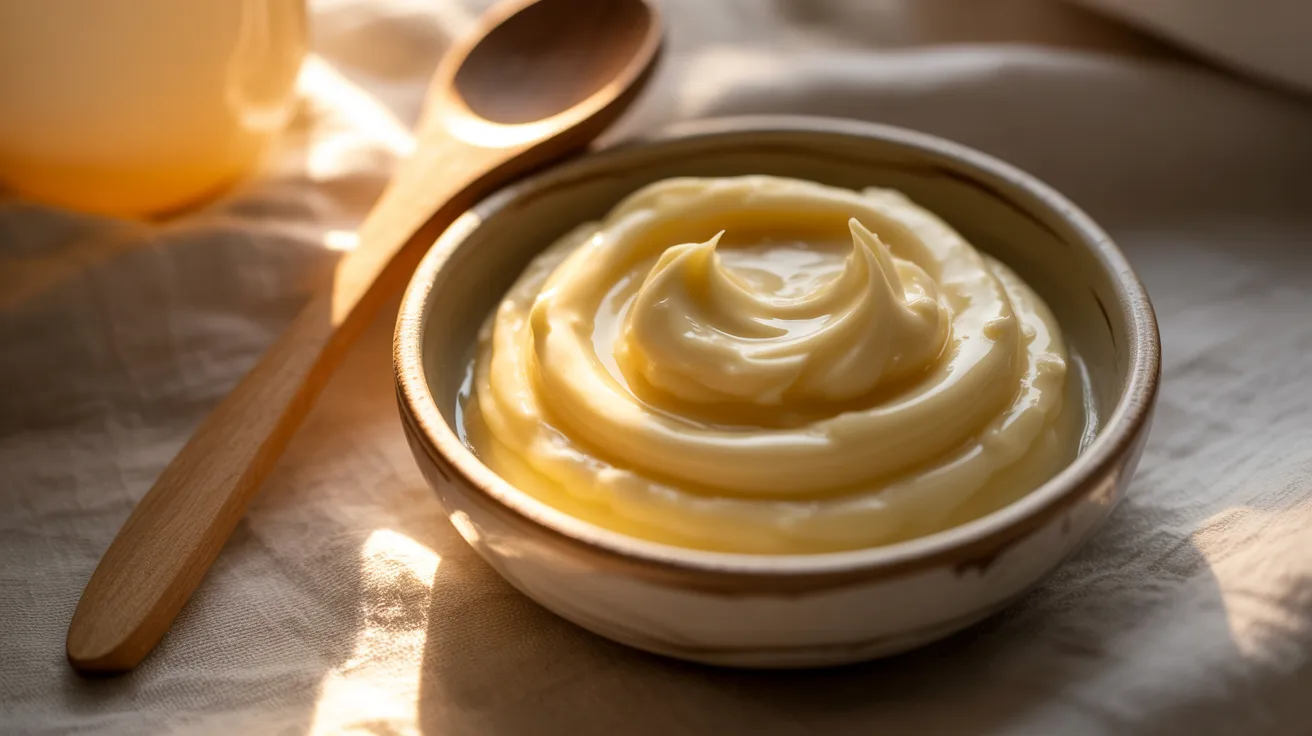
Melt 1 tsp shea butter and blend it with 5 drops of almond oil. Apply overnight for deep hydration on very dry or flaky lips.
4. Chocolate and Sugar
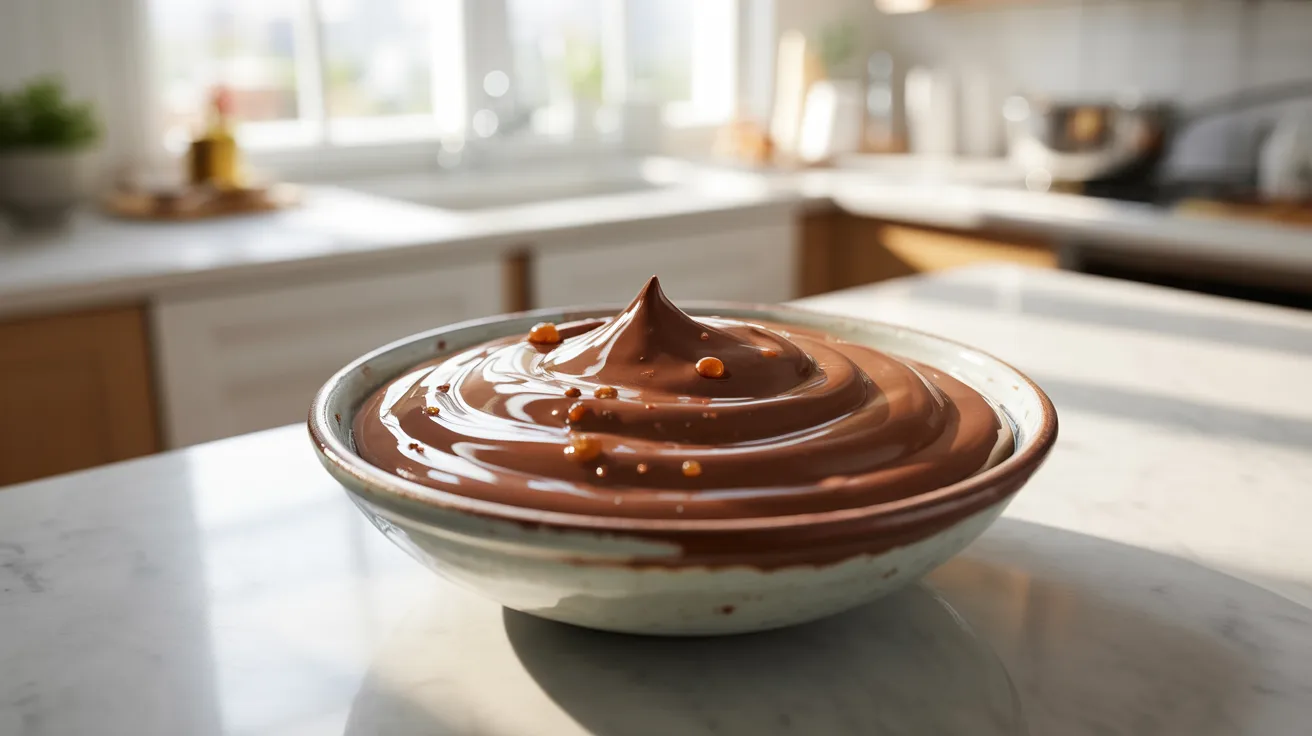
Mix 1 tsp cocoa powder, 1 tsp sugar, and a few drops of honey into a paste. This gentle scrub removes dead skin while leaving your lips feeling smooth.
5. Strawberry and Honey
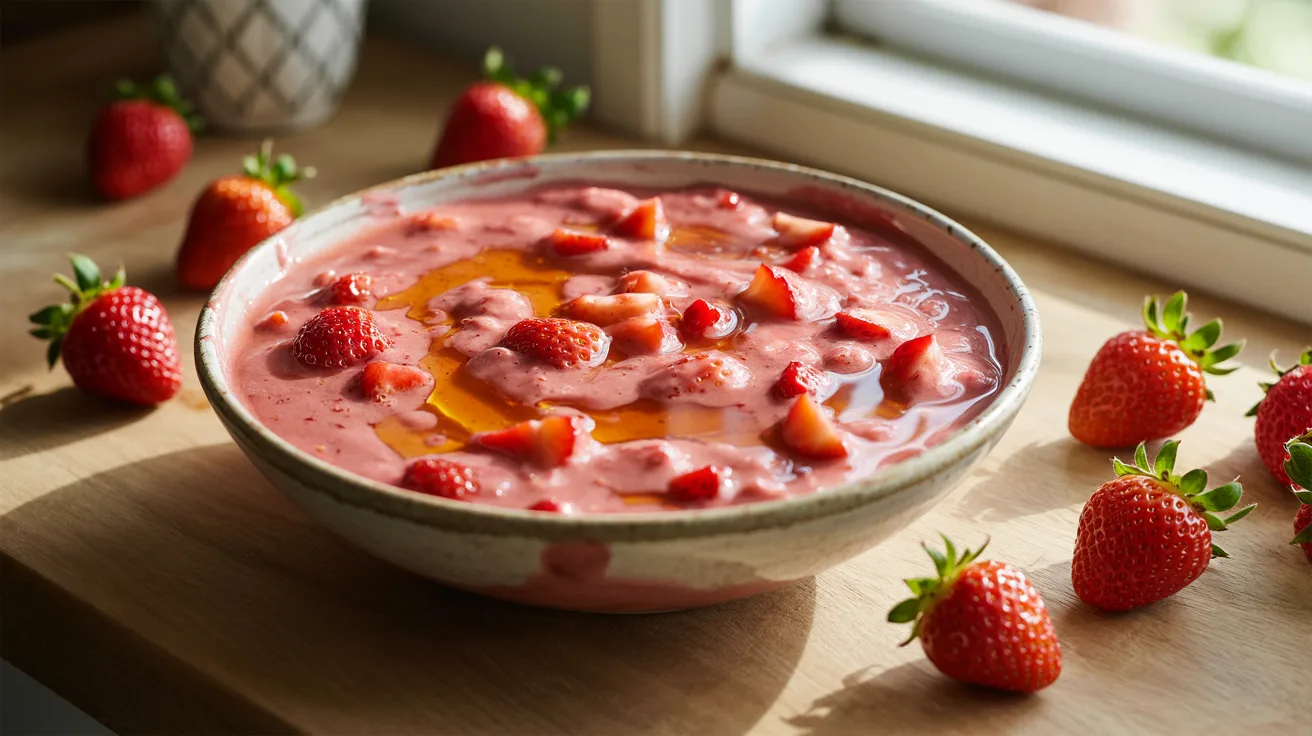
Mash one fresh strawberry and mix it with 1 tsp honey. Rich in Vitamin C, this mask brightens dull lips and adds a natural glow.
6. Honey and Avocado
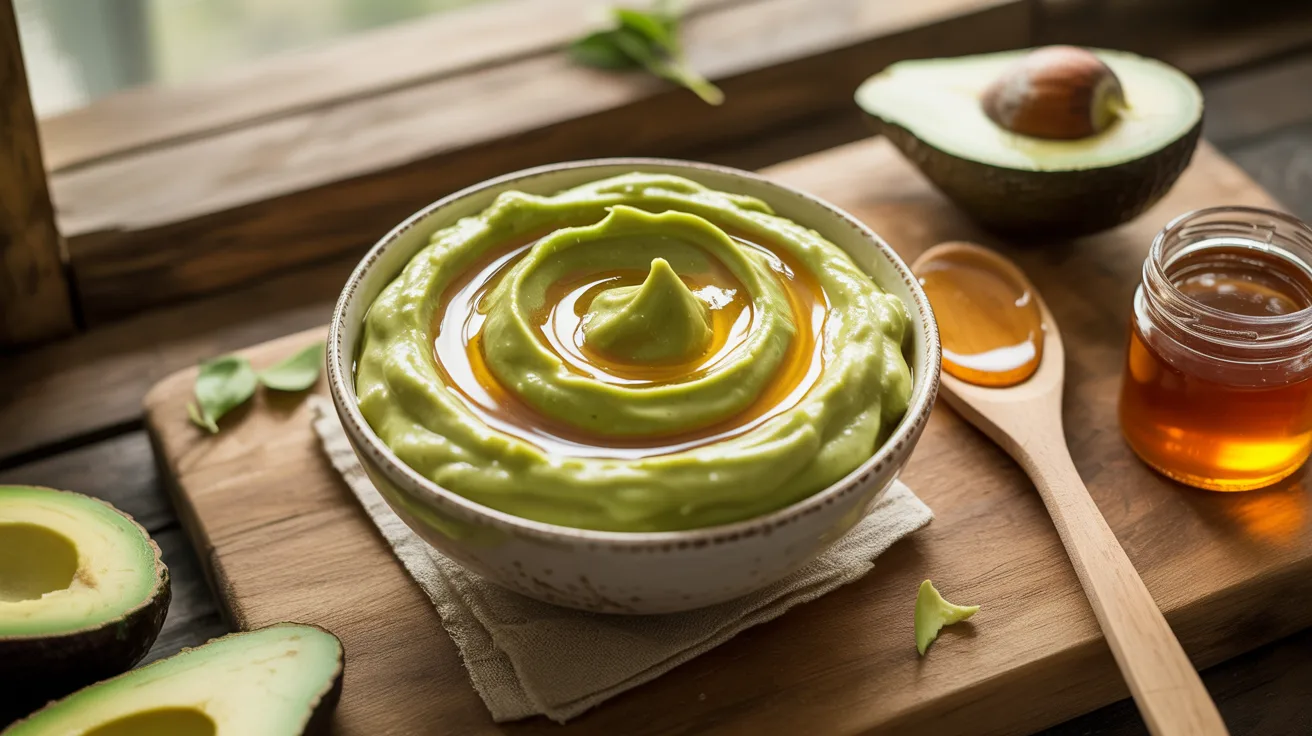
Mix 1 tsp mashed avocado with 1 tsp honey and apply for 15 to 20 minutes. This is one of the most nourishing masks for cracked or peeling lips.
7. Rose Petal Mask
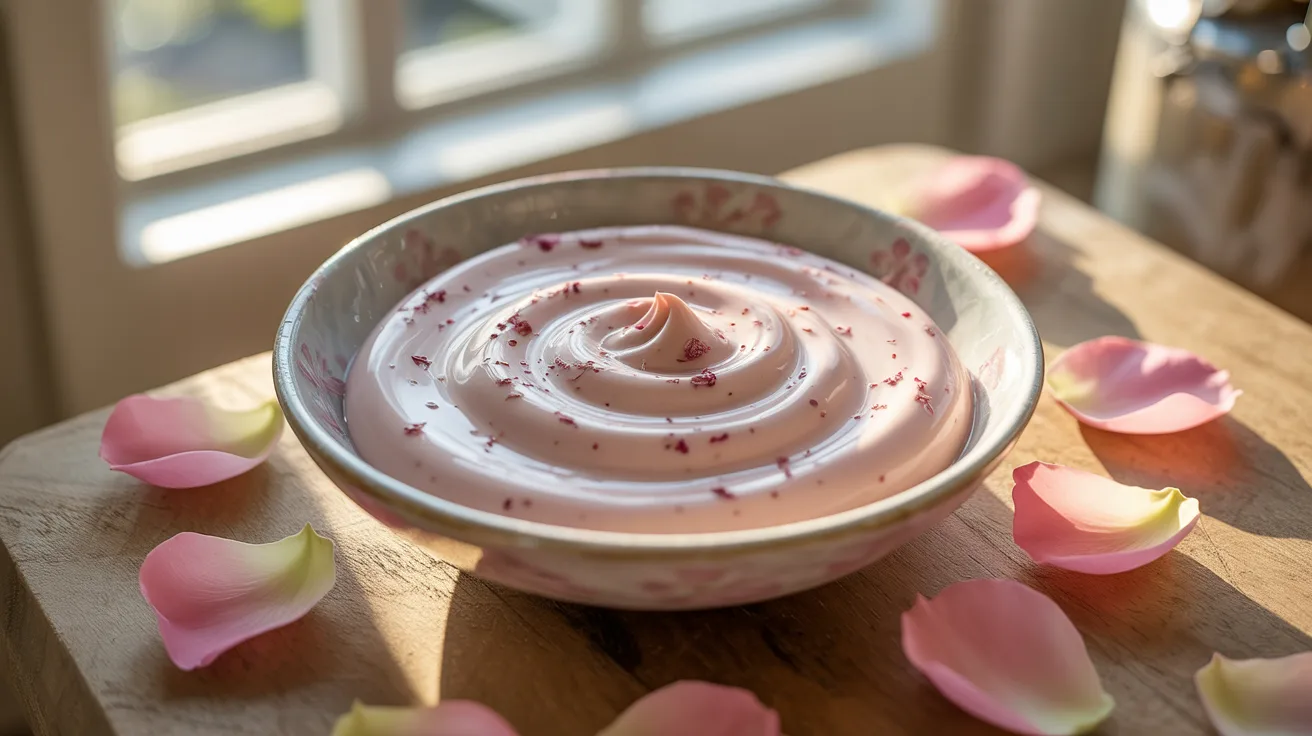
Soak rose petals in milk overnight, then blend into a smooth paste and apply. Regular use helps lighten dark lips and keeps them soft.
8. Yogurt and Kiwi

Mash half a kiwi with 1 tsp plain yogurt and apply for 10 to 15 minutes. It gently exfoliates and brightens lips over time.
9. Cucumber and Honey
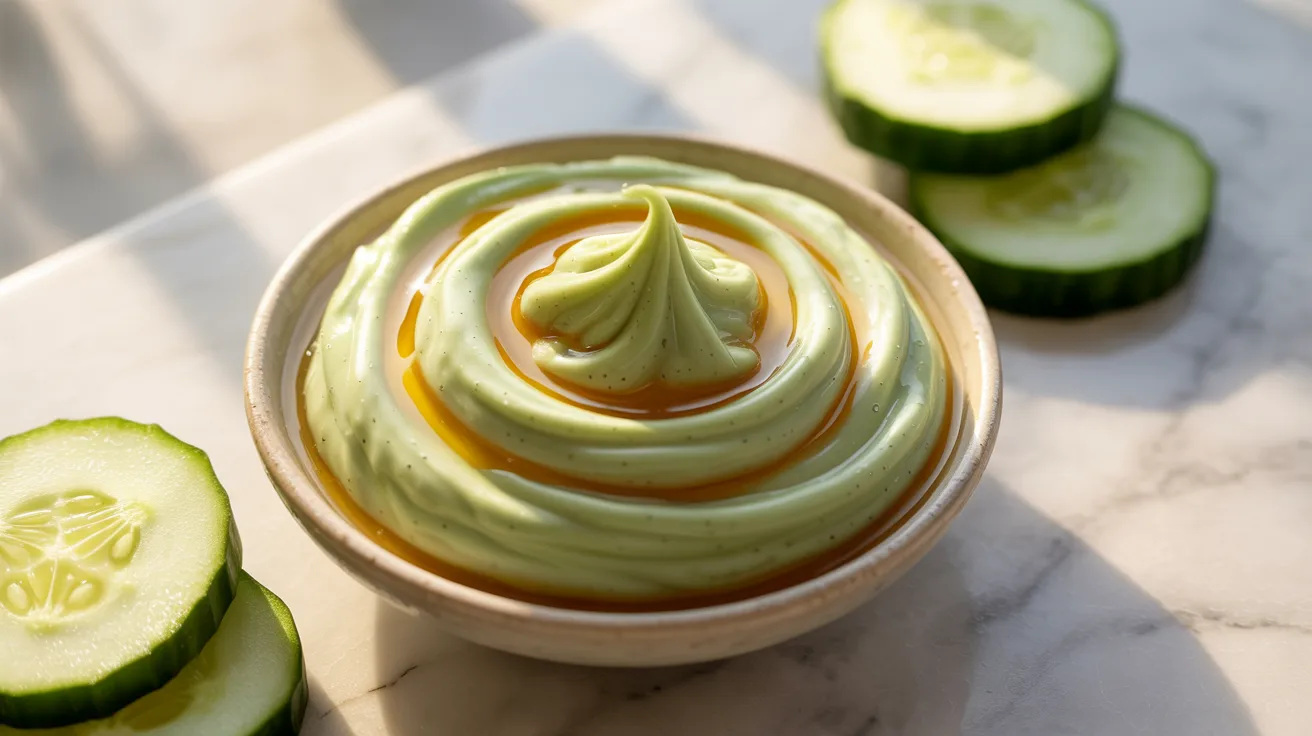
Blend cucumber into a paste and mix in 1 tsp honey before applying. This cooling mask is perfect for summer or for lips that feel dry and puffy.
10. Vitamin E Mask

Pop open a Vitamin E capsule and mix the oil with 1 tsp coconut oil. Apply overnight to repair damaged, dull, or aging lip skin.
11. Aloe Vera and Sugar

Mix 1 tsp aloe vera gel with 1 tsp sugar and gently massage onto your lips. This simple scrub removes dead skin and leaves lips smooth and fresh.
12. Homemade Lip Mask Without Honey
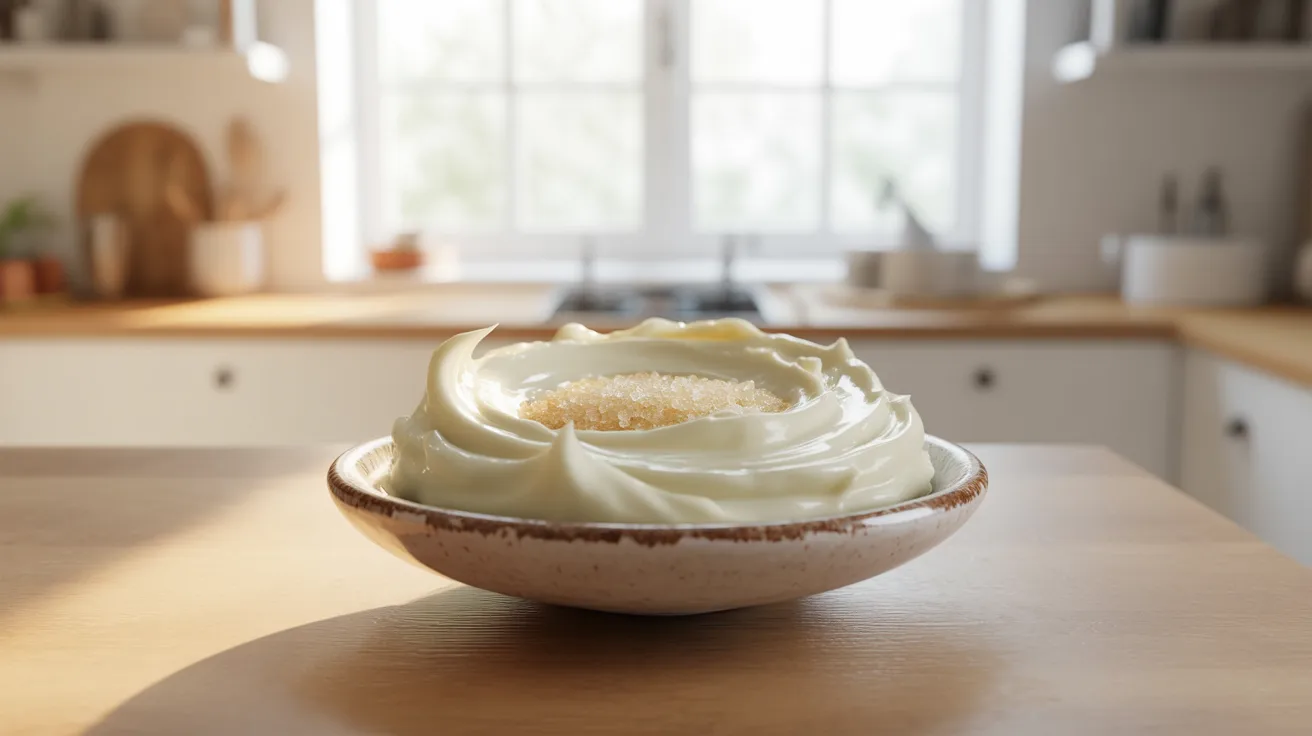
Mix 1 tsp coconut oil with 1 tsp shea butter and a pinch of sugar. This is the perfect option for anyone allergic to honey but still wanting soft lips.
13. Homemade Lip Mask with Vaseline

Mix 1 tsp Vaseline with a few drops of almond oil and a pinch of sugar. It is one of the most affordable and effective masks for dry, chapped lips.
Homemade Lip Mask for Different Lip Concerns
Find the right recipe based on what your lips actually need.
Homemade Lip Mask for Dry, Chapped & Dark Lips

For dry lips, use oil-heavy masks like shea butter and almond oil or honey and coconut oil twice a week. Chapped or cracked lips do better with aloe vera and honey, as they heal and calm the skin.
For dark lips, try yogurt and kiwi or cucumber masks consistently for two to three weeks to see a visible difference.
Homemade Lip Mask for Pink Lips & Overnight Treatments
Strawberry and honey or rose petal masks work well for getting softer, pinker lips over time. For overnight care, go with thicker masks like Vitamin E, shea butter, or the Vaseline mix.
Apply before bed and wipe off in the morning for noticeably smoother lips.
Common Ingredients in Homemade Lip Masks & Their Benefits

Know what you’re putting on your lips and why it works.
Honey and Aloe Vera for Healing & Soothing
Honey is a natural humectant that pulls moisture into the skin and has antibacterial properties to help heal cracked lips. Aloe vera is gentle and cooling, making it ideal for lips that feel red, irritated, or dry.
Oils and Fruits for Moisture & Glow
Oils like coconut, almond, and olive create a barrier that locks moisture into the skin. Fruits like strawberry, kiwi, and cucumber bring Vitamin C and antioxidants that brighten lips and improve overall skin texture.
Sugar and Coffee for Exfoliation
Sugar granules gently lift dead skin off the lips without causing irritation. Coffee grounds work the same way but are slightly stronger, so use either one just once or twice a week for best results.
Tips to Get the Best Results from Homemade Lip Masks
Small habits make a big difference. Here’s how to get the most out of your routine.
- Use a lip mask two to three times a week. Once a week is enough if your lips are already in good shape.
- Exfoliate when your lips feel rough or flaky. Hydrate when they feel tight or dry. Do not exfoliate more than twice a week.
- Thinner, fruit-based masks work well during the day. Thicker oil-based masks are best applied at night so they have time to absorb.
- Always patch test before using a new mask. Apply a small amount on your inner arm and wait 20 minutes to check for any reaction.
- Always use fresh batches. Do not store leftover masks for more than one to two days.
- Use clean fingers or a brush every time you apply. This keeps bacteria away from your lips and the mask itself.
Conclusion
I started using a homemade lip mask after nothing else was working for my dry, dark lips, and honestly, I wish I had tried it sooner.
These simple recipes completely changed my routine. You don’t need expensive products or fancy tools. Your kitchen already has most of what you need.
Pick one recipe this week, try it for a few days, and see the difference yourself. Stick with it consistently, and your lips will thank you.
Share this with a friend who needs softer lips and drop a comment telling me which recipe worked best for you. I’d love to know!
Frequently Asked Questions
How long should I leave a homemade lip mask on?
Most masks work well in 10 to 20 minutes. Overnight masks can stay on until morning. Avoid leaving citrus-based masks on for too long.
Can I use a homemade lip mask every day?
It’s better to use it two to three times a week. Daily use, especially with sugar scrubs, can make lips sensitive over time.
Which homemade lip mask is best for dark lips?
Rose petal masks, yogurt and kiwi, and cucumber-based masks help lighten dark lips with regular use over a few weeks.
Are homemade lip masks safe for sensitive lips?
Yes, but always patch tests first. Stick to gentle ingredients like aloe vera, honey, and coconut oil if your lips are sensitive.
Can kids use homemade lip masks?
Yes, simple masks like honey and coconut oil are safe for kids. Avoid citrus or coffee-based masks on young or sensitive skin.