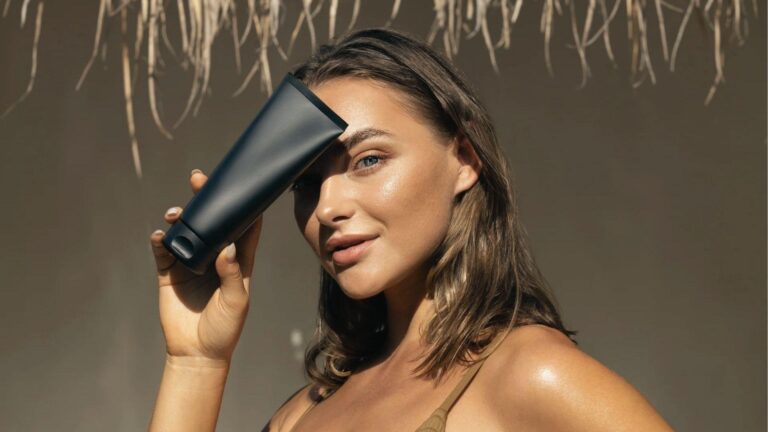
Tanning for Fair Skin: Best Self-Tanners Reviewed

I have fair skin, and finding a self-tanner that actually works took me way too long. Most left me looking orange, patchy, or just plain wrong.
So I tested and researched until I found what truly works for pale skin tones. In this guide, I will walk you through tanning for fair skin the right way.
You will learn why fair skin reacts differently to self-tanner, how to pick the right product, and how to apply it without streaks or patches.
I will also cover the best products, common mistakes to skip, and tips for a natural-looking glow.
With years of personal testing behind me, I am confident this guide will save you from bad tan mistakes.
Why Self Tanning for Fair Skin Is Different
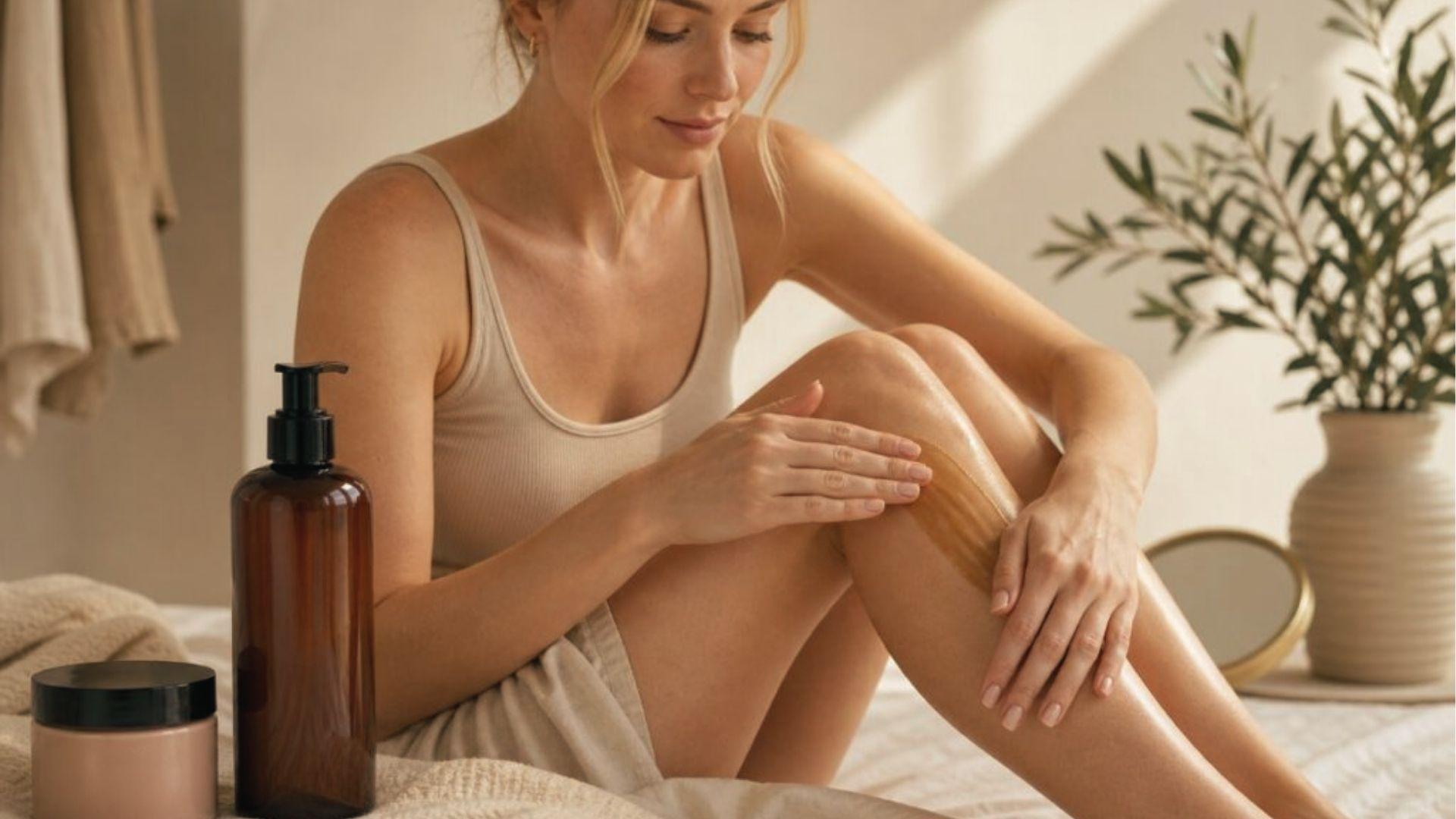
Choosing the right self-tanner for fair skin comes down to a few key factors. You need to look at the DHA level, the formula type, and the undertone of the product.
Fair skin reacts differently to self-tanners, so what you pick matters more than how much you apply.
A gradual tanner works better for beginners, while a mousse gives more control for experienced users.
Green or olive-based formulas help keep the finish warm and natural.
Knowing what to look for before you buy saves you from orange results, wasted money, and the stress of trying to fix a bad tan.
How to Choose the Best Self Tanning for Fair Skin

Picking the right self-tanner for fair skin means knowing what to look for and what to skip.
Why Undertones Matter for Fair Skin
Fair skin usually has cool or neutral undertones. Self-tanners with red or warm bases tend to look orange on pale skin.
Look for formulas described as "olive," "green-based," or "cool bronze." These cancel the orange and give a more realistic finish.
Best Self-Tanner Formats for Pale Skin
Gradual tanners work best for beginners. They build color slowly so you can control the depth.
Mousses are great for more experienced users. They dry fast and blend well with a mitt.
Drops mixed into moisturizer are very popular for fair skin because you can adjust how much color you add each day.
Buildable vs Dark Self-Tanners
Avoid products labeled "dark" or "ultra dark" if you have very pale skin. These are made for medium-to-dark skin and often leave fair skin looking unnatural.
Always start with a light or medium formula. Build the color over multiple sessions.
Ingredients That Help Create a Natural Glow
Look for these on the label:
- DHA (dihydroxyacetone) at lower concentrations (around 3 to 5 percent)
- Erythrulose, which develops slower and fades more evenly
- Aloe vera, hyaluronic acid, and glycerin to keep skin hydrated
Hydrated skin holds color longer and fades more evenly.
Best Self Tanning for Fair Skin Products Reviewed
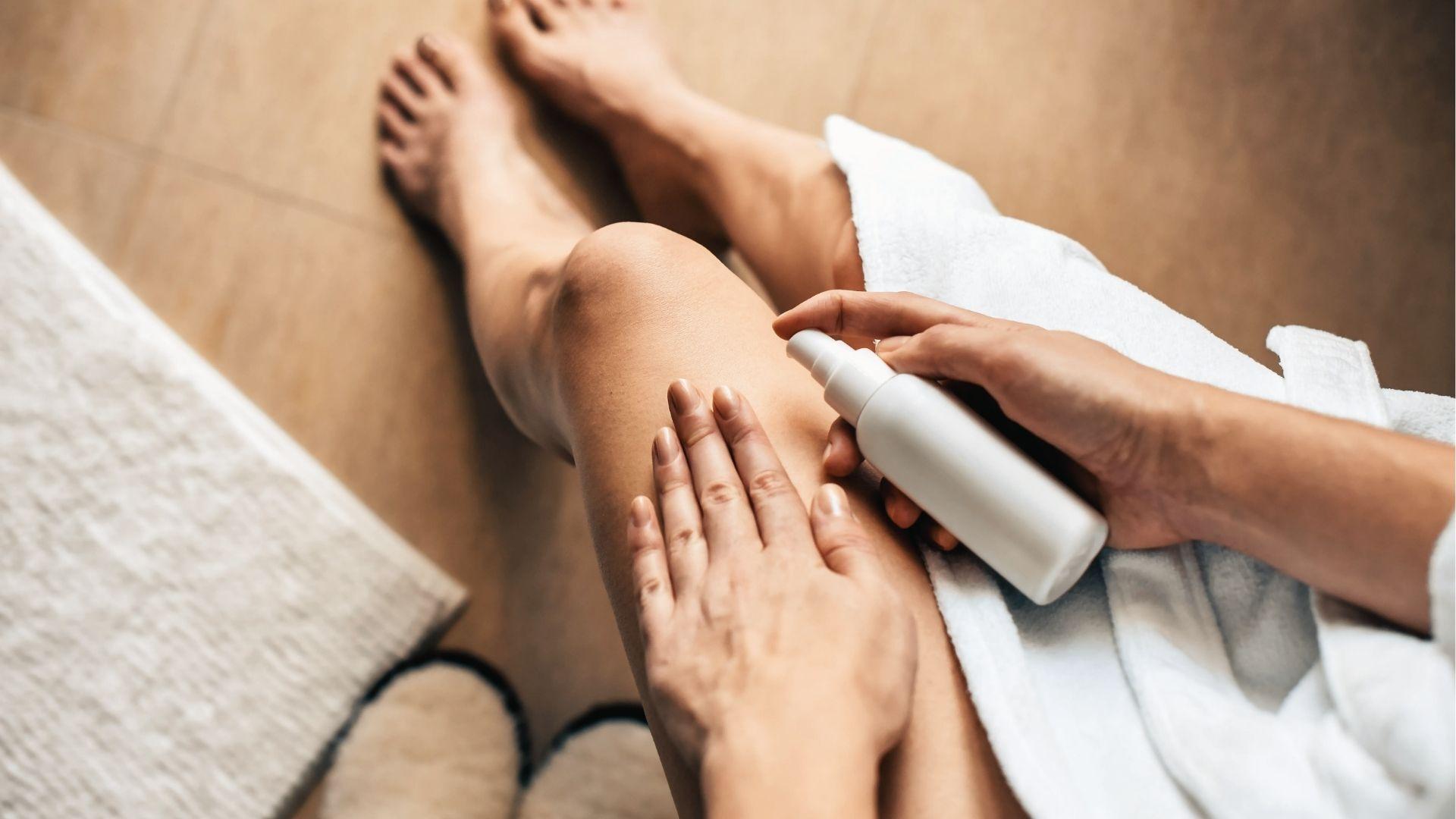
These are the top-rated products that work specifically well on fair and pale skin tones.
Best Overall Self-Tanner for Fair Skin
St. Tropez Self Tan Purity Bronzing Water Mousse is a top pick. It has a light formula with a natural finish.
It does not go orange on pale skin, develops over four to six hours, and fades evenly.
Best Gradual Tanner for Beginners
Jergens Natural Glow Daily Moisturizer in Fair to Medium is ideal for those just starting out. It adds color gradually over several days. Mistakes are not visible and it is very affordable.
Best Self-Tanning Mousse for Fair Skin
Bondi Sands Light/Medium Self Tanning Foam is made specifically for lighter skin tones. It develops a golden, natural-looking tan without going brassy.
Best Face Tanner for Fair Skin
Isle of Paradise Self-Tanning Drops in Light are a great option for the face. You mix a few drops into your moisturizer and build color slowly. No greasy feel, no orange, and kind to sensitive skin.
Best Affordable Self-Tanner for Fair Skin
Loving Tan Deluxe Bronzing Mousse in Light gives salon-quality results at a mid-range price. It smells good, develops well on fair skin, and lasts around five to seven days.
Best Luxury Self-Tanner for a Bronzed Glow
Sienna X Self-Tan Mousse in Light is a premium option. It uses a blend of DHA and erythrulose for a slow, even development. The color looks very natural on pale skin and fades beautifully.
Common Self Tanning for Fair Skin Mistakes to Avoid
Small mistakes make a big difference on fair skin. Here is what to watch out for.
- Too Dark Too Fast. Always start with a light or medium shade. Build up slowly after you see how it looks on your skin.
- Too Much Product. Less is more for fair skin. A thin, even layer works far better than applying too much at once.
- Skipping Moisturizer. Dry skin soaks up more product and causes dark patches. Apply a light, oil-free moisturizer to knees, elbows, and ankles first.
- Tight Clothes Too Soon Wear loose, dark clothing right after applying. Wait two to three hours before putting on anything fitted.
- Forgetting to exfoliate, Old tan builds up and fades unevenly. Always exfoliate gently before reapplying to start with a clean base.
Self Tanning for Fair Skin Routine for a Streak-Free Glow
Follow this simple routine for the best results every time.
How to Prep Your Skin Before Tanning

Exfoliate 24 hours before you tan. Use a gentle scrub or exfoliating mitt. Focus on rough spots like elbows, knees, and ankles.
Shave or wax at least 24 hours before as well. On the day you tan, shower but skip body lotion.
Best Way to Apply Self-Tanner Evenly
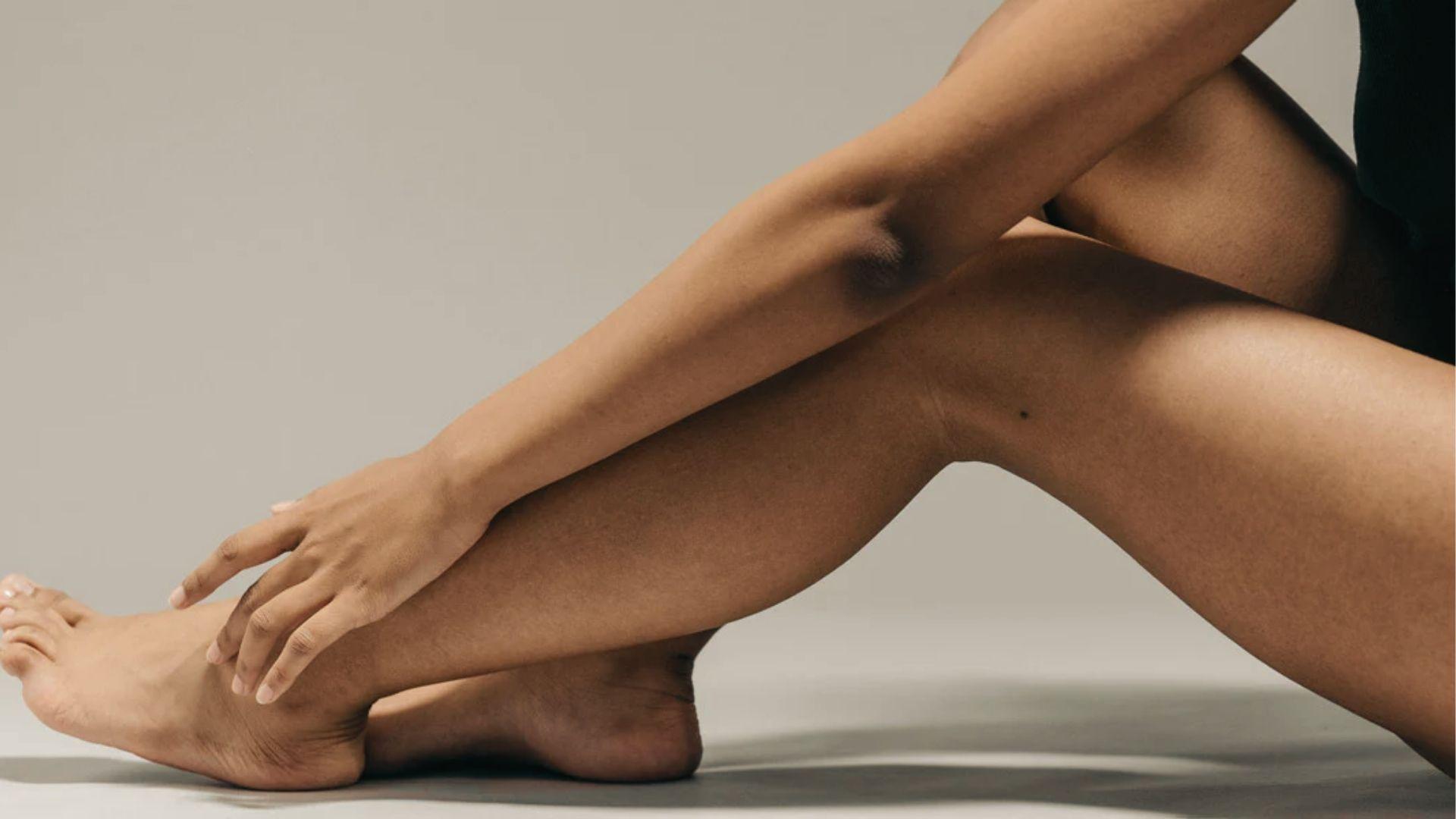
Always use a tanning mitt. Apply products in circular motions, working in sections. Start at your ankles and work upward.
Do not apply too much in one go. Thin, even layers always work better than thick ones.
How to Tan Hands, Feet, Knees, and Elbows
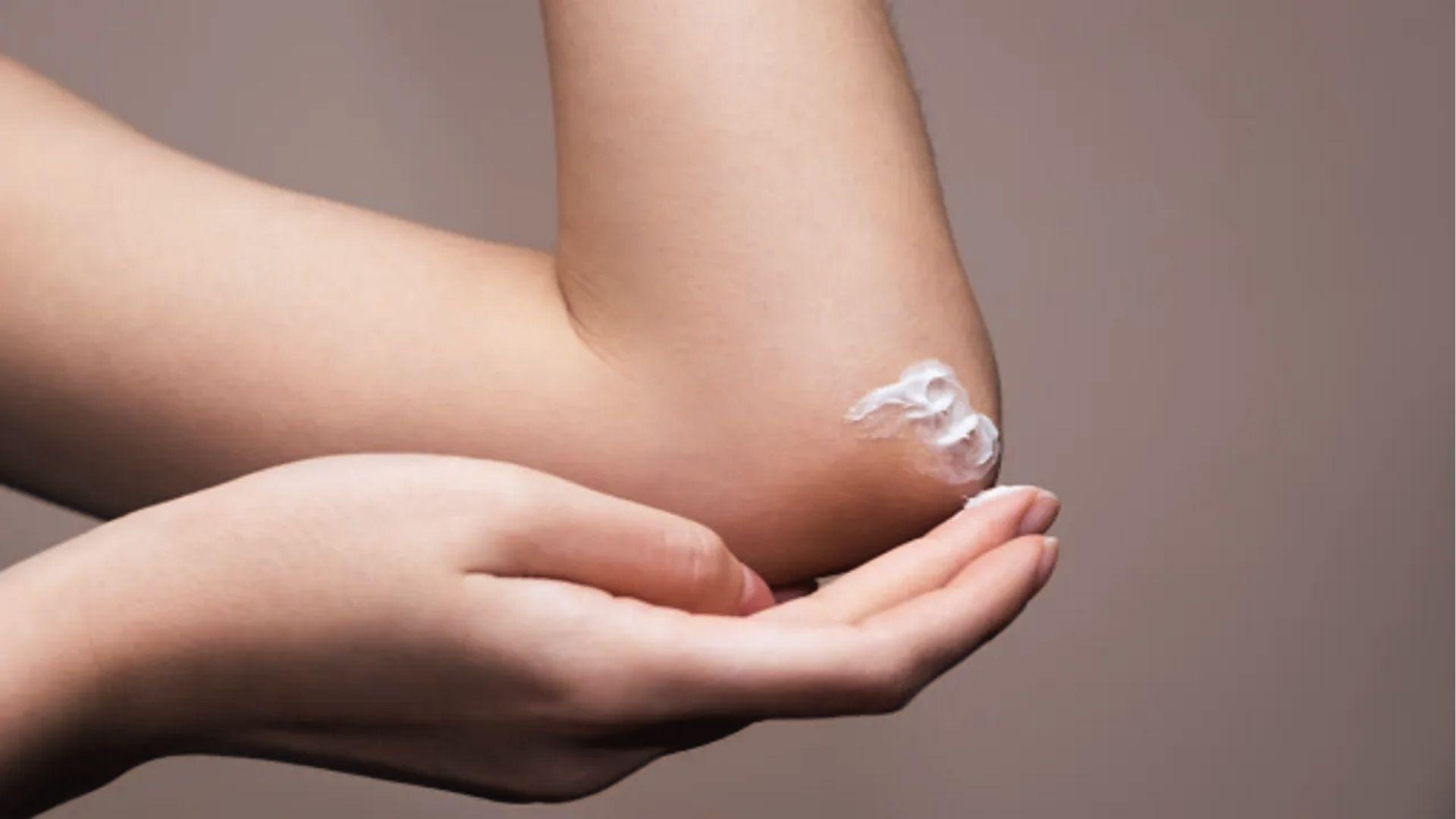
These areas absorb more product and can go darker or orange fast. Use a tiny amount of tanner on these spots. Blend quickly and wipe off any excess with a damp cloth right after.
How Long to Leave Self-Tanner On
Most self-tanners need six to eight hours to fully develop. You can leave them on overnight for the deepest color. After development, rinse off with warm water. Do not use soap at this step.
How Often to Reapply Self-Tanner
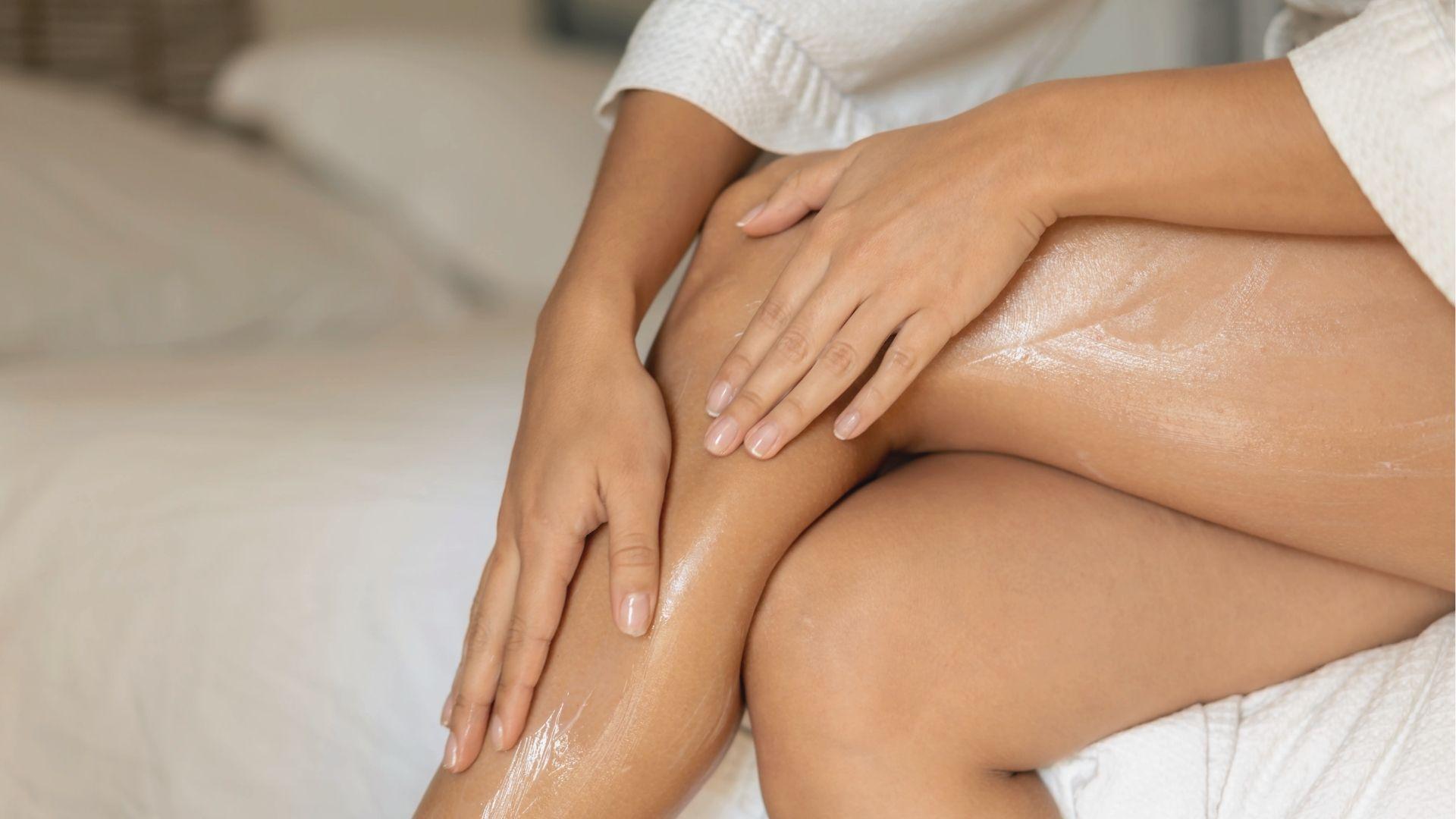
For fair skin, reapplying every five to seven days is usually enough. You can do a quick touch-up with a gradual tanner in between to keep the color even.
Tips for Natural-Looking Self Tanning for Fair Skin
Getting a natural-looking tan on fair skin comes down to technique as much as product choice.
- Start with a thin layer and wait to see how the color develops before adding more product.
- Use a slightly damp tanning mitt to blend smoothly and avoid harsh lines at joints.
- Pay extra attention to dry areas like elbows, knees, and ankles by using less product and blending fast.
- Pick formulas with green or olive undertones, as these cancel out orange tones on fair skin.
- Use a gradual tanner every two to three days between full applications to keep color fresh and buildup-free.
Conclusion
Tanning for fair skin does not have to be stressful. I have been through the orange disasters and the patchy fades, and I know how frustrating it gets.
But once you find the right product and routine, it actually becomes fun. Start light, prep your skin, and build color slowly.
That is the real secret. If you have tried any of the products I mentioned, drop a comment and let me know how it went.
I would love to hear what worked for you. Share this post with a friend who is also figuring out self-tanning.
Frequently Asked Questions
What is the best self tanning for fair skin?
St. Tropez Purity Bronzing Water Mousse and Isle of Paradise Drops in Light are both great options for fair skin. They give a natural color without going orange.
How do I avoid orange self-tanner on pale skin?
Choose formulas with low DHA levels and green or olive undertones. Always start with a light shade and build color slowly over a few sessions.
Which self-tanner lasts longest on fair skin?
Products that combine DHA with erythrulose, like Sienna X, tend to last longer and fade more evenly on pale skin.
Can sensitive skin use self-tanner?
Yes, but look for fragrance-free and alcohol-free formulas. Isle of Paradise and St. Tropez both have gentle options that work well on sensitive skin types.
How often should fair skin self-tan?
Most people with fair skin get the best results reapplying every five to seven days. Using a gradual tanner in between helps keep the color even.