Can You Tan in UV 5? Expert Guide for Safe Sun


After testing sun exposure at different UV levels for over five years, I can tell you exactly what happens at UV 5.
Can you tan in UV 5? Yes, and I’ll show you how to do it right.
This guide covers tanning speed for your specific skin type, safe session lengths, and protection methods that actually work.
You’ll learn how quickly you can tan in UV 5, what to expect from cloudy days, and which myths keep you from good results.
I’ve burned myself learning these lessons, so you don’t have to. We’ll discuss sunscreen, tanning oils, timing strategies, and realistic expectations based on real science.
My goal is simple. Help you build color safely without the painful mistakes I made.
Let’s get started.
Understanding the UV Index and UV 5
The UV index measures how strong the sun’s rays are on any given day. It runs from 0 to 11+, with higher numbers meaning more intense radiation.
UV 5 falls in the moderate category, not too weak, not dangerously high. At this level, your skin can produce melanin and darken over time.
Most people think moderate UV means no risk, but that’s wrong. You still need protection because UV damage builds up slowly.
How Fast Can You Tan in UV 5?
Tanning Speed by Skin Type
Your skin type controls how quick you can tan in UV 5. Celtic skin burns almost immediately and rarely tans.
Nordic skin burns easily but can develop a light tan with patience around 10 minutes at first. Mixed skin tans moderately well within a few days of regular exposure.
Mediterranean skin tans quickly and deeply. How quickly can you tan in UV 5 with this type? Often within 2-3 sessions.
Dark skin darkens gradually with minimal burn risk. Black skin has maximum protection but tans slowly since melanin levels are already high.
Expected Tan Results
How much can you tan in UV 5? Think gradual, not instant. You won’t go from pale to bronze overnight.
Most people see subtle darkening after 3-4 days of 15-minute sessions. The color builds layer by layer as your melanin responds to UV exposure.
This slow pace actually works in your favor, it reduces burn risk and creates a more even tone. How well you can tan in UV 5 depends on consistency.
Daily short bursts work better than one long session.
Ideal Tanning Duration
How long can you tan in UV 5 without damage? Start with 10-15 minutes max. Fair skin should stick to the lower end.
Darker skin types can push toward 20 minutes, but I wouldn’t go beyond that initially. Build up slowly over a week.
If you’re not burning, add 5 minutes to your next session. Never exceed 30 minutes in UV 5 conditions, even with darker skin.
Your goal is color, not crispy skin.
Tanning Safety Tips at UV 5
Sunscreen and Protection
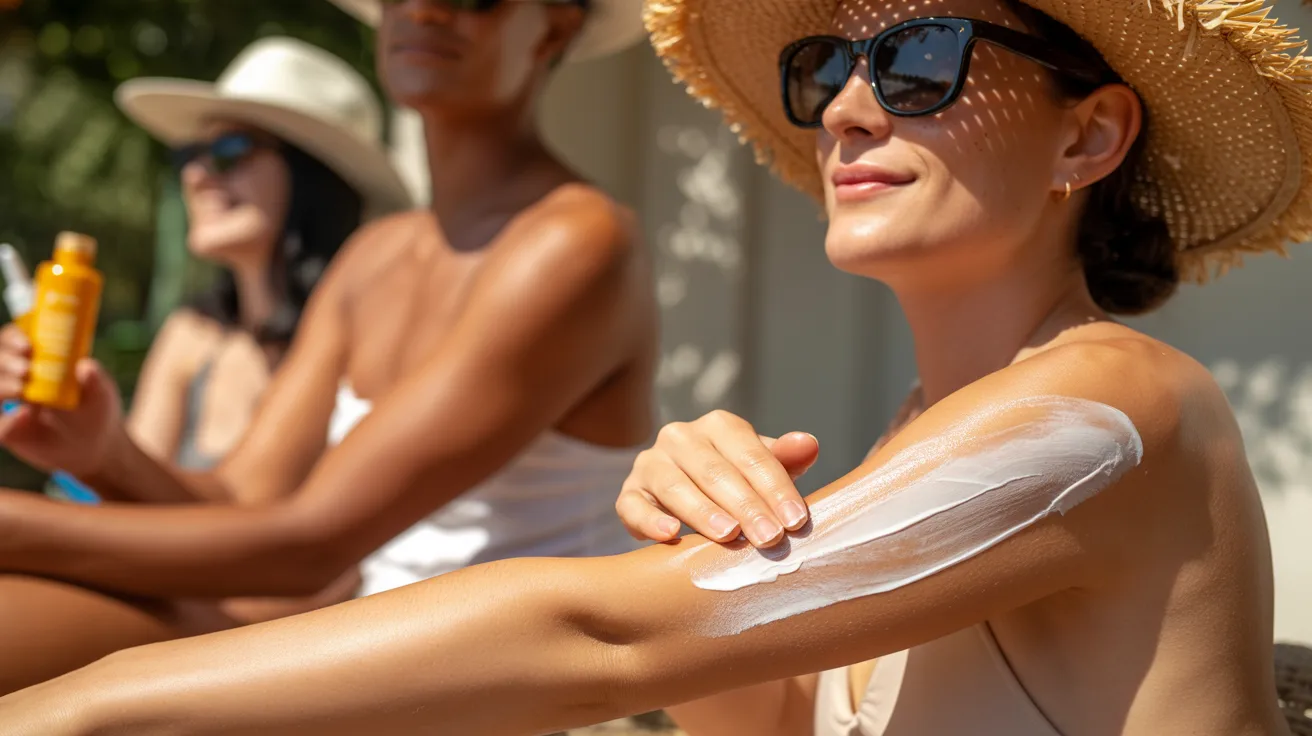
You absolutely need SPF 30 or higher, even in moderate UV. Can you tan in UV 5 with sunscreen? Yes, you can.
Sunscreen blocks burning rays while letting some UV through to trigger melanin. Your tan develops slower but safer.
Tanning Oils and Accelerators
Tanning oils attract and intensify UV rays on your skin. Can you tan in UV 5 with tanning oil? Definitely, you’ll darken faster.
But most oils offer zero sun protection. Apply sunscreen first, then add oil on top.
Sunglasses and Protective Clothing
Your eyes need protection just as much as your skin. UV rays damage the retina over time, leading to cataracts.
Wear sunglasses with UV400 rating whenever you’re tanning. A wide-brimmed hat shields your face and scalp.
Cloudy Days and UV 5 Tanning
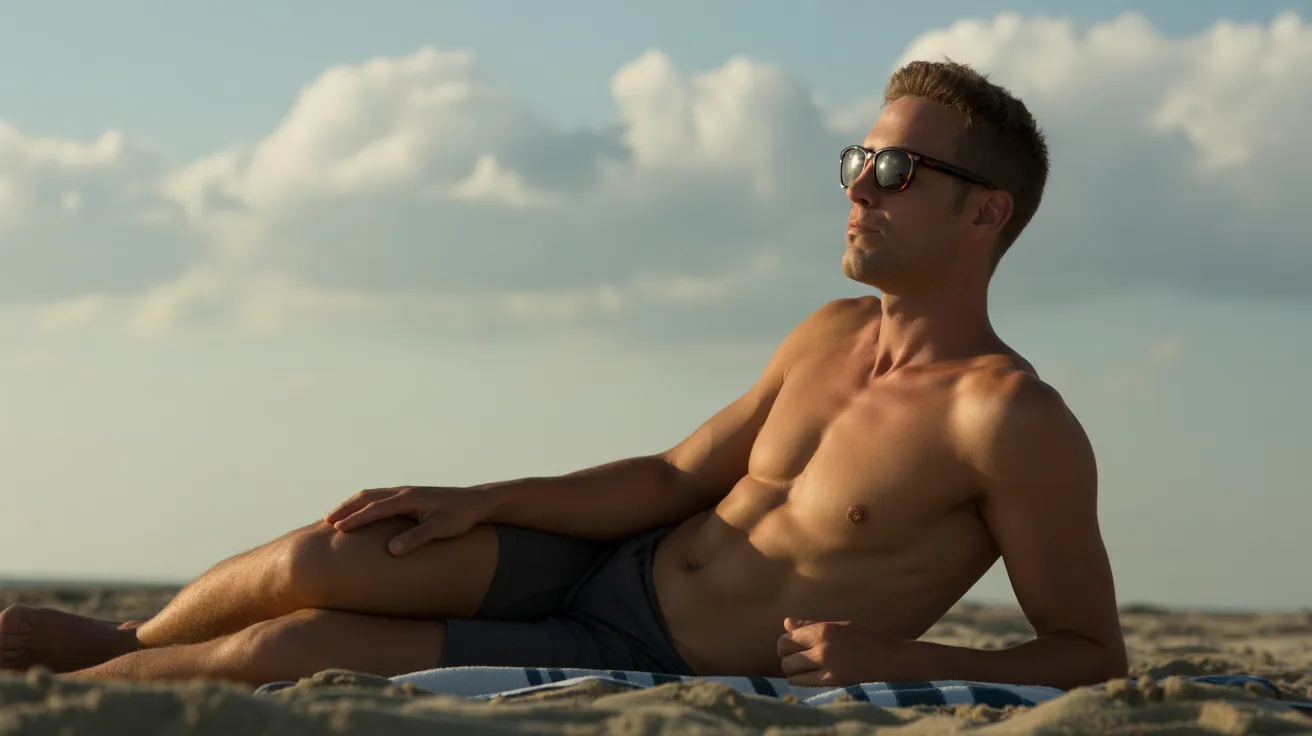
Clouds block some UV rays but not all of them. Up to 80% of UV radiation punches through cloud cover.
So can you tan in UV 5 cloudy conditions? Yes, you absolutely can.
I’ve gotten some of my best tans on overcast days because I stayed out longer, thinking I was safe.
Can you tan in UV 5 and cloudy weather without burning? Only if you still use sunscreen and limit your time. Don’t let gray skies fool you into skipping protection.
Common Myths About Tanning in UV 5
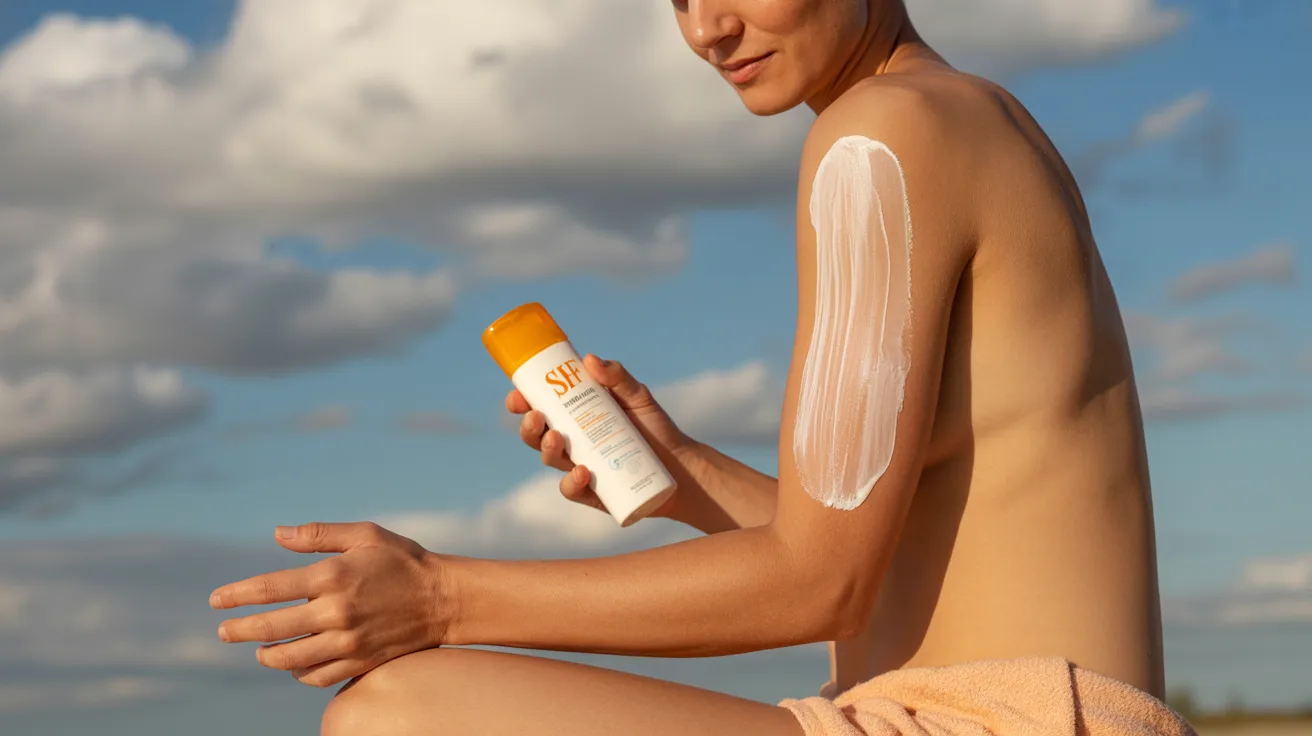
These widespread beliefs about UV 5 could be putting your skin at serious risk.
Myth: UV 5 Is Too Weak to Tan
This is completely false. UV 5 provides enough radiation to stimulate melanin production in all skin types except the very fairest.
The “moderate” label doesn’t mean ineffective, it means balanced. You get tanning power without the extreme burn risk of UV 8 or 10.
People who believe this myth often skip sun protection at UV 5 and end up with unexpected burns.
Myth: Tanning Oils Provide Protection
Oils accelerate tanning by intensifying UV exposure on your skin. They don’t block harmful rays. Some oils contain SPF, but most don’t.
Assuming oil protects you is dangerous. You’ll tan faster, sure, but you’ll also burn faster and increase skin damage.
Always pair tanning oil with proper sunscreen if you choose to use it.
Practical Tips for a Safe and Quick Tan in UV 5
- Start with 10-15 minute sessions and track your skin’s response. Add time gradually if you’re not burning.
- Exfoliate the night before tanning. Dead skin cells create patchy color, so a gentle scrub helps your tan develop evenly.
- Hydrate your skin inside and out. Drink water and moisturize after sun exposure to keep your tan from flaking off.
- Rotate your position every few minutes. This prevents tan lines and ensures even coverage across your body.
- Avoid peak sun hours (10am-4pm). Early morning or late afternoon gives the same results with better control over exposure.
Conclusion
Tanning at UV 5 works when you respect your skin and follow smart timing. I’ve seen too many people rush the process and regret it later.
Your skin will darken naturally if you give it consistent, protected exposure. Start slow, use sunscreen, and pay attention to how your body responds.
Can you tan in UV 5 safely? Absolutely, just don’t skip the basics. Now get out there and build that color the right way.
Drop a comment below about your tanning routine or share this with someone planning beach time.
Frequently Asked Questions
Can you get a tan in just one UV 5 session?
Most people won’t see noticeable color after one session. You need repeated exposure over several days. Darker skin types might show slight changes faster, but one day isn’t enough for a real tan.
Does SPF 50 completely block tanning at UV 5?
No, SPF 50 still allows some UV through. You’ll tan slower than without sunscreen, but color will develop. High SPF protects you from burns while your melanin gradually builds.
Is UV 5 safe for kids to tan?
Kids have thinner, more sensitive skin that burns easily. I don’t recommend intentional tanning for children at any UV level. Protection and shade should be the priority, not color.
Can you tan through a car window at UV 5?
Glass blocks most UVB rays but lets UVA through. You might get slight darkening from UVA, but it won’t be a proper tan. You also won’t get the vitamin D benefits.
How long does a UV 5 tan last?
A tan from UV 5 lasts about 7-10 days before it starts fading. Moisturizing daily and avoiding excessive exfoliation helps extend it. Your skin naturally sheds cells, taking the tan with it.