Types of Gel Nails You’ll Love to Try Everytime

Love nails that turn heads and stay flawless for weeks? Choosing the right gel can make all the difference between a manicure that lasts and one that chips too soon.
From soft, flexible gels for a natural, everyday look to strong, sculpting options for dramatic length, each type has its own magic.
After years of testing different gel formulas on my own nails and learning what actually works, I’m sharing everything I wish I’d known from the start.
In this guide, I’ll walk you through the main types of gel nails, share tips to pick the perfect one for your nail health and lifestyle, and give you simple secrets to make them last longer.
Let’s learn your perfect gel match and nail your game effortlessly.
What Are Gel Nails?
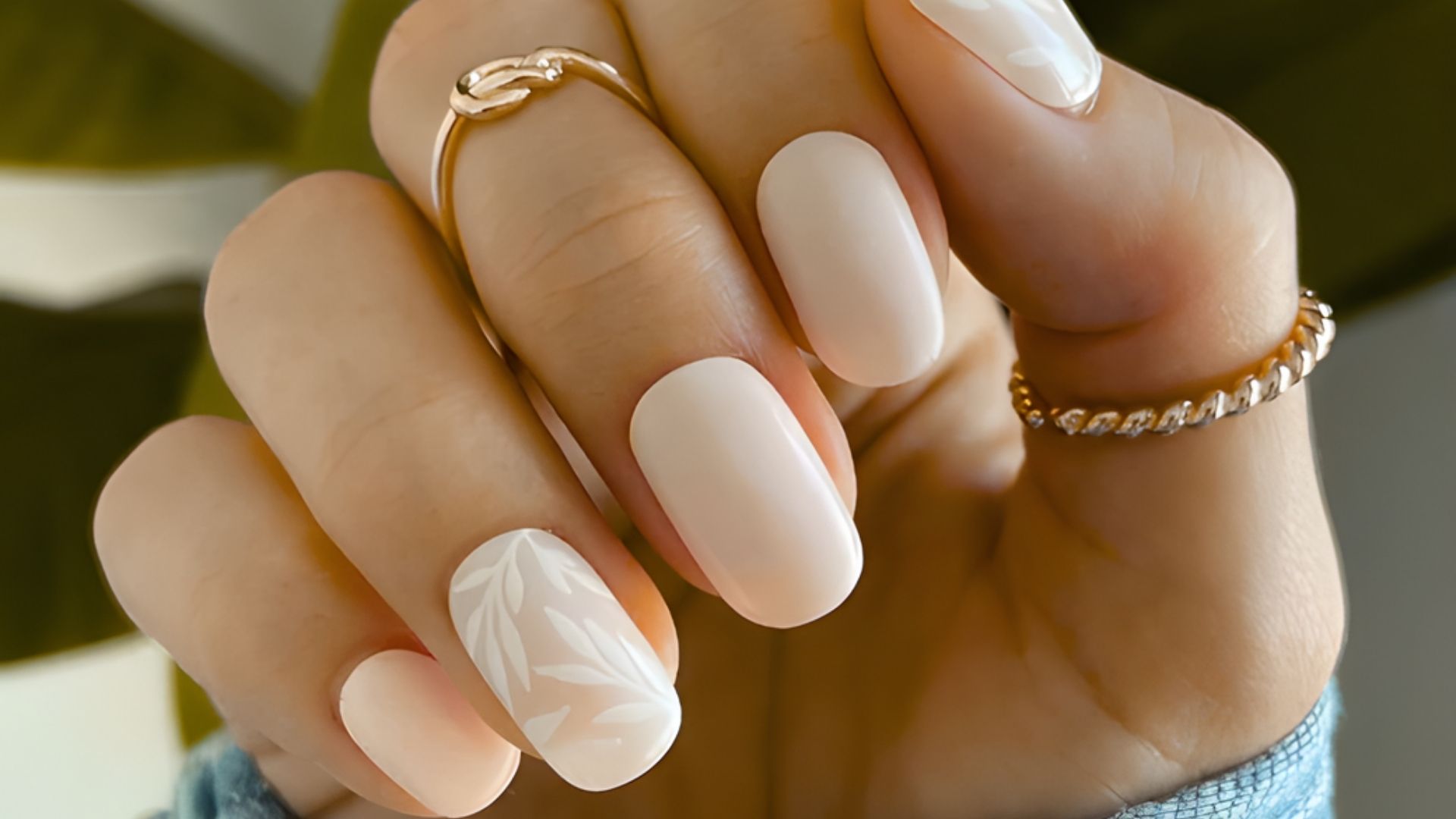
Gel nails are a type of manicure that uses a gel-based polish to give your nails a long-lasting, shiny finish.
Unlike traditional nail polish, which dries on its own and chips easily, gel nails are cured under UV or LED light, making them much stronger and more durable.
Compared to acrylics, gel nails are gentler on natural nails and offer flexibility while still providing strength.
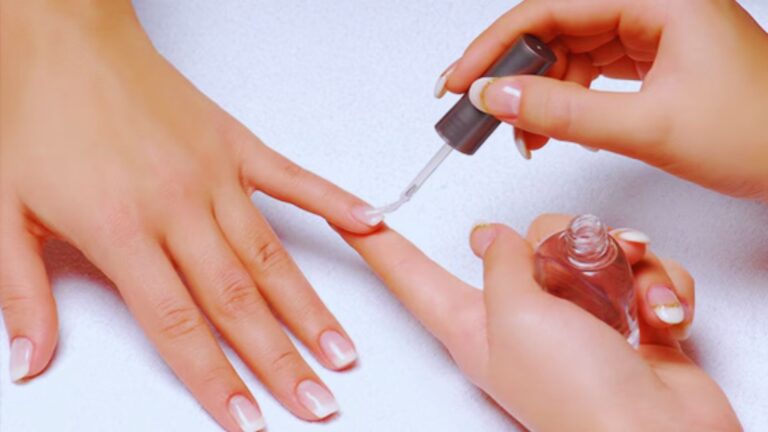
Gel nails work by applying thin layers of gel polish that are cured under a UV or LED lamp. This process hardens each layer, giving a glossy, durable finish that can last up to three weeks.
Benefits of gel nails include:
- Long-lasting durability that resists chips and peeling
- A high-shine finish that stays glossy
- Flexibility that reduces the risk of nail breakage
- Protection for weak or brittle nails
The Main Types of Gel Nails
Gel nails come in different types, each designed for specific nail needs and styles. Understanding their differences helps you pick the right one for strength, length, or look.
1. Soft Gel (Soak-Off Gel)
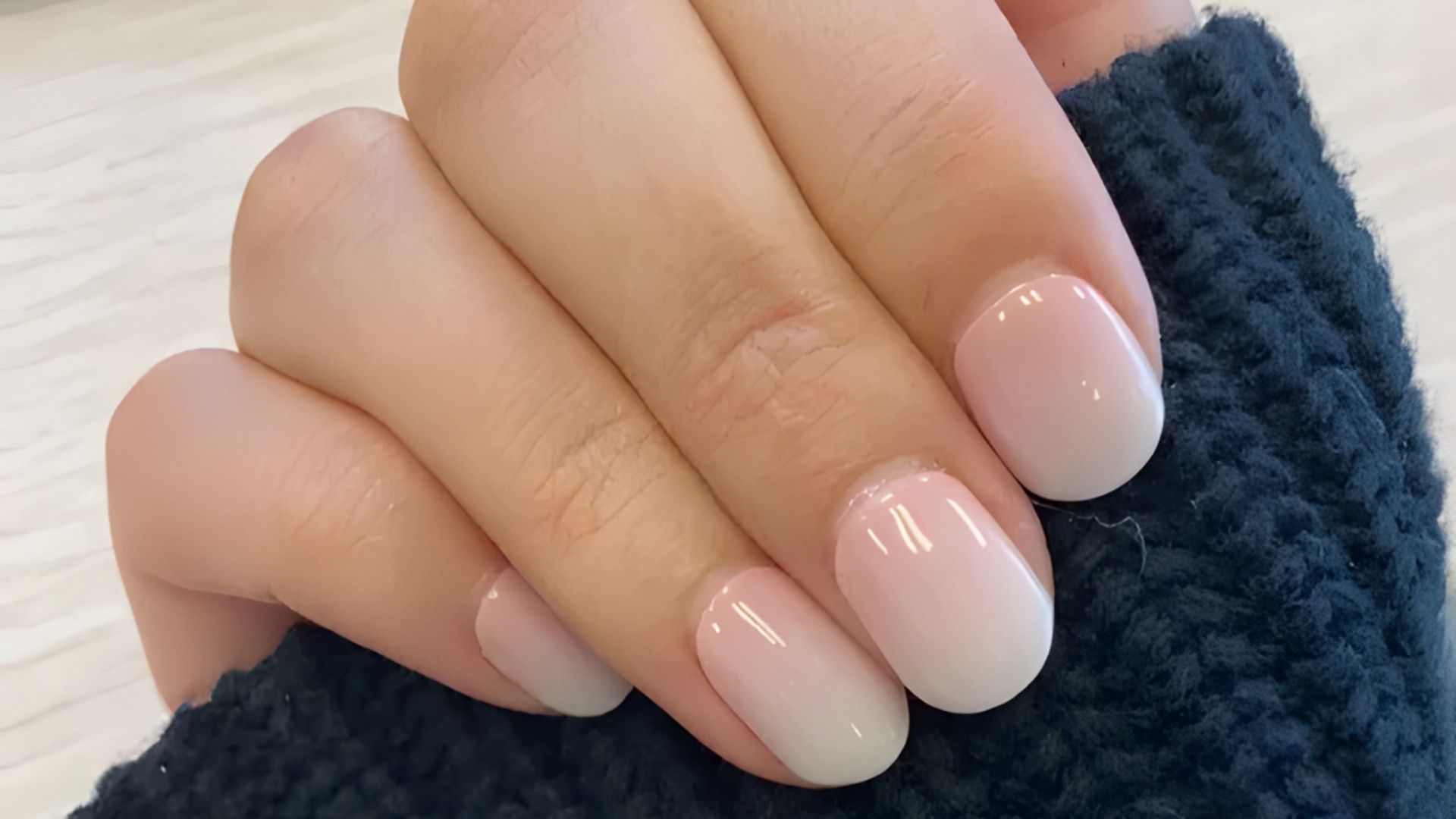
Soft gels, often called soak-off gels, are thin, flexible gels applied like nail polish and cured under UV or LED light.
They are ideal for natural nails, overlays, or adding color coatings without extensions. The biggest advantage is easy removal using acetone, which is gentle on nails.
They provide a glossy finish and some protection but are less durable than hard gels. Soft gels are perfect for frequent color changes or natural, flexible nails, but not for building length.
2. Hard Gel
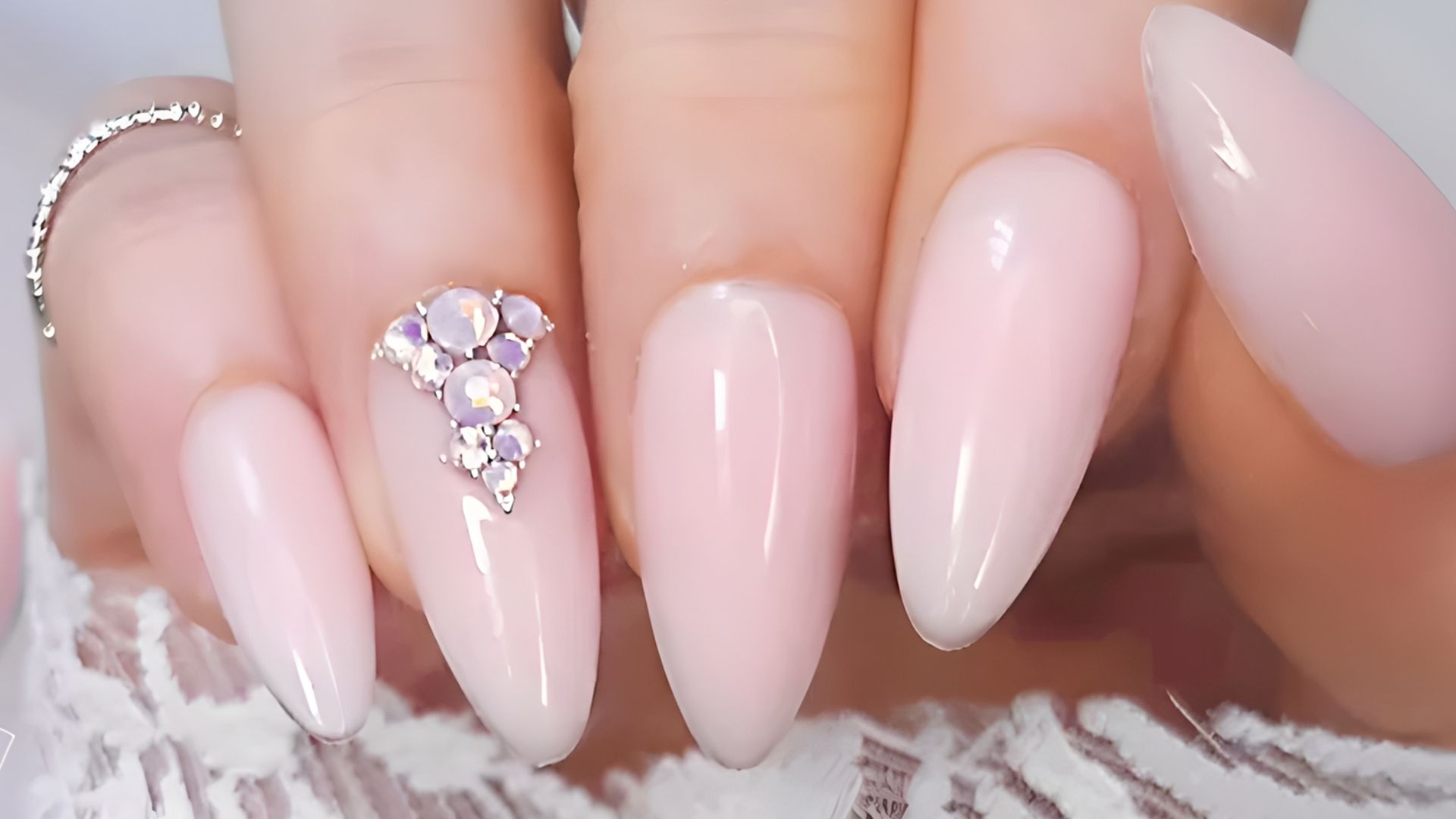
Hard gels are thick, rigid gels designed to build and extend nails. They provide strong overlays and durable manicures, making them ideal for long-lasting nail art or sculpted extensions.
Hard gels must be filed or e-filed for removal since they cannot soak off, which requires care to avoid damaging nails.
Their strength and ability to hold custom shapes make them popular in salons, especially for clients seeking dramatic lengths or long-lasting manicures that resist daily wear and tear.
3. Builder Gel
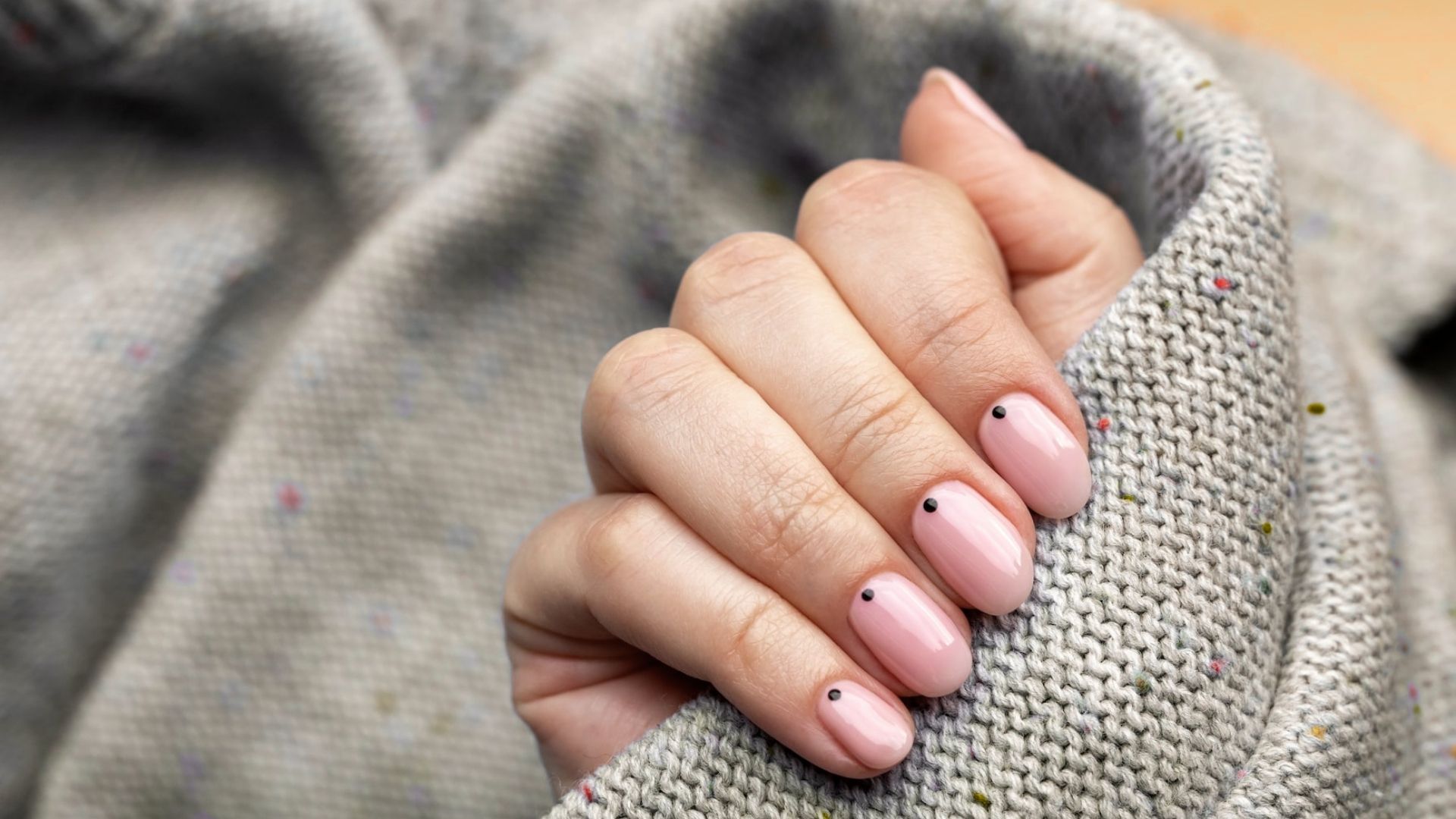
Builder gels are thicker gels used to strengthen and sculpt natural nails.
They come in soft and hard varieties: soft builder gel offers flexibility, while hard builder gel gives rigid support.
Builder gels are great for creating an apex, repairing cracks, and adding minor extensions. Depending on type, they can soak off or require filing.
These gels are versatile, allowing customization of thickness and shape, but require some skill to avoid stickiness and uneven application.
Ideal for increasing nail strength while maintaining a natural look.
4. Polygel (Acrygel)
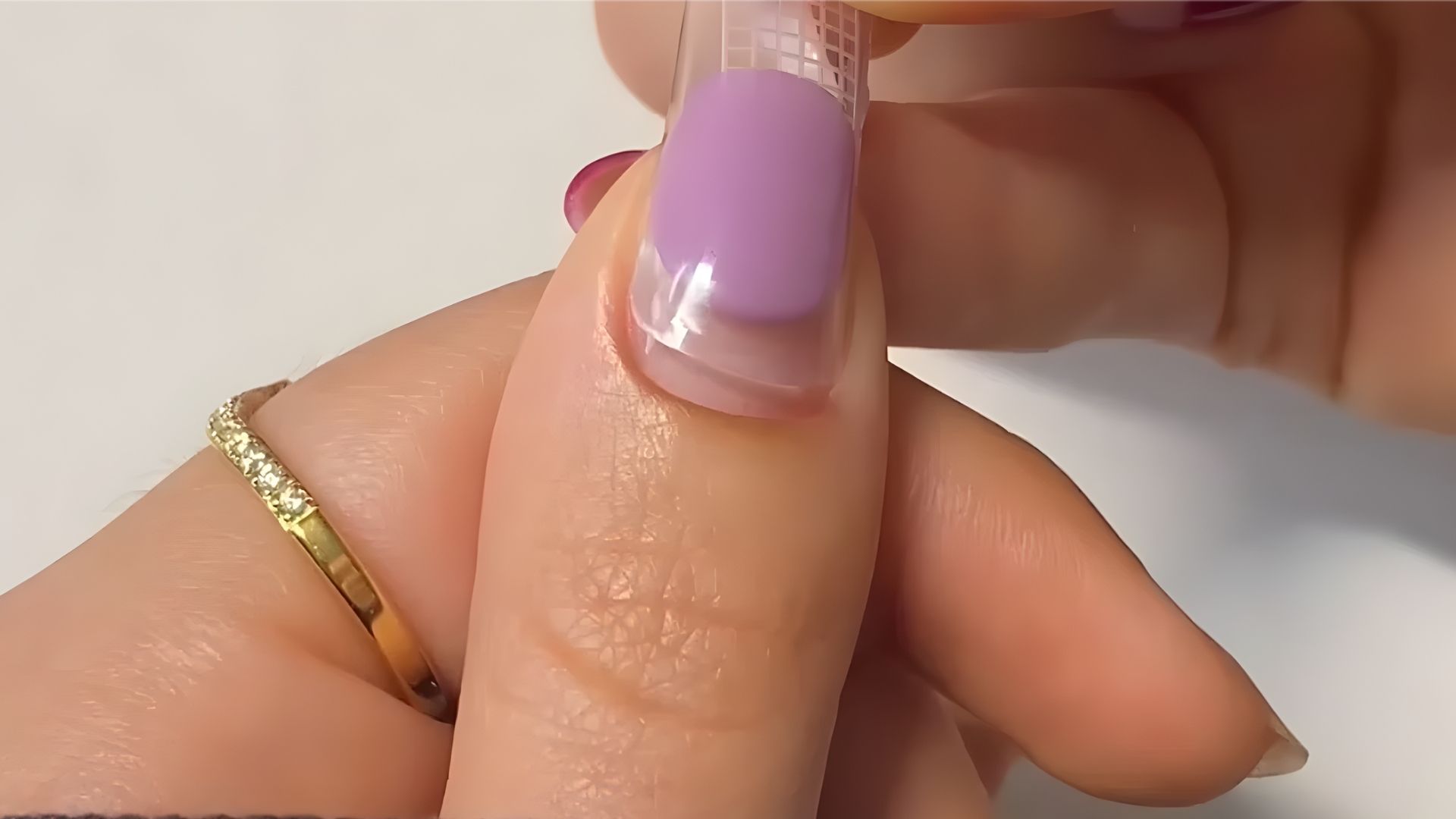
Polygel, also called Acrygel, is a hybrid between acrylic and gel, with a putty-like consistency for sculpting nails.
It is used to create extensions, overlays, and custom nail shapes with a brush and slip solution. Polygel is lighter than acrylics and produces flexible yet strong nails.
Removal requires filing, as it is resistant to acetone. Its low odor, strength, and lightweight nature make it a salon favorite.
Polygel needs practice for precise application but gives professional-looking results and durable, long-lasting nails.
5. Rubber Base Gel

Rubber base gel is a soft, flexible gel primarily used on natural nails to strengthen weak or thin nails.
It acts as a protective layer, preventing breakage and providing a smooth base for color application.
This gel is flexible, making it gentle on delicate nails and reducing the risk of splits or cracks.
While it cannot be used to add length or sculpt extensions, it is excellent for nail health and increasing manicure durability without stressing natural nails, making it ideal for fragile hands.
6. Jelly Gel
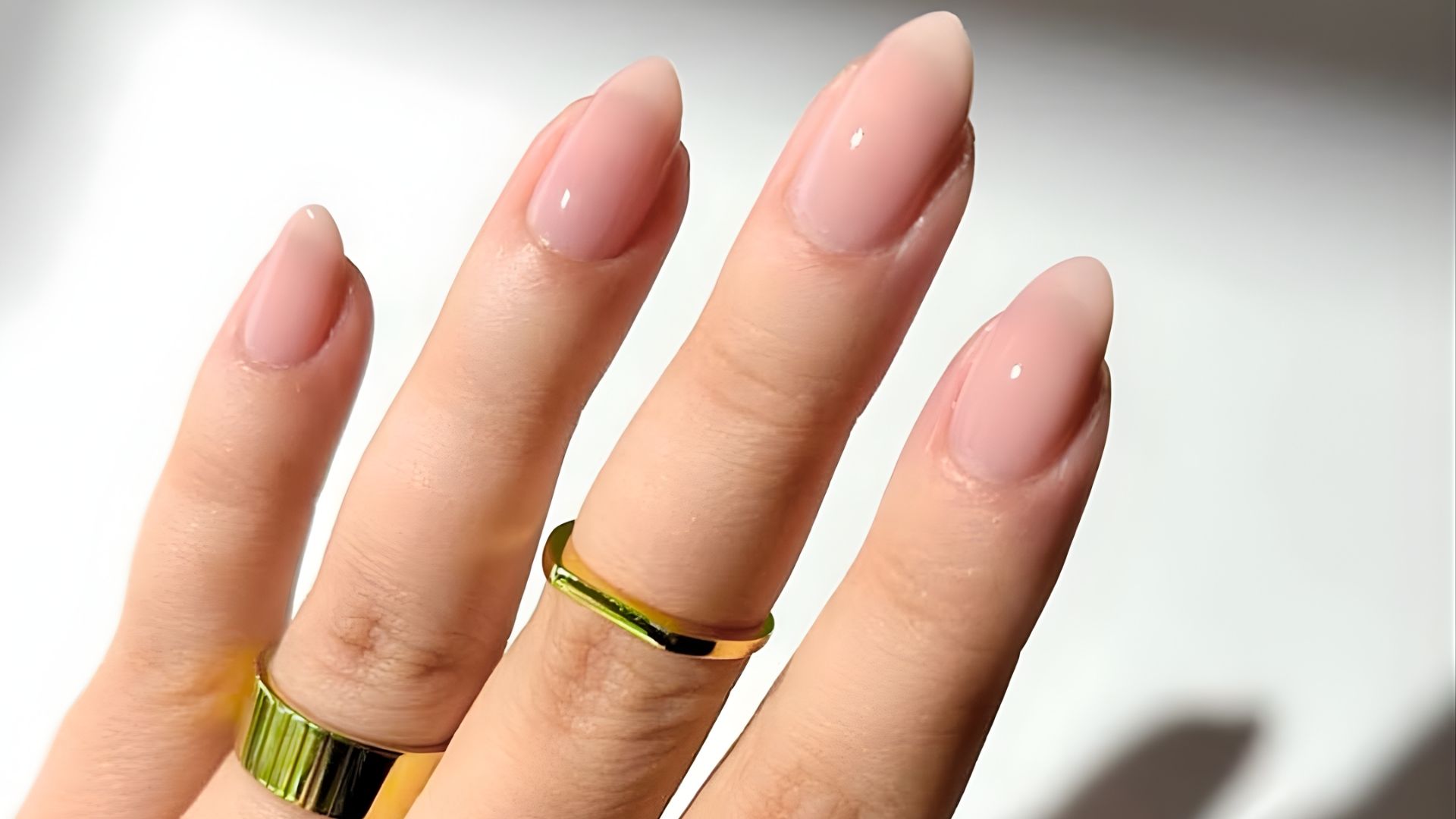
Jelly gels are transparent, soft gels that create a glossy, see-through effect on nails.
They are often used for trendy manicures, layering over colors, or creating 3D designs for an uncommon appearance.
While visually striking and easy to layer, jelly gels are not very strong, providing minimal structural support.
Their transparency allows creative designs, and they pair well with other gels to achieve customized finishes with a modern, stylish appeal.
Comparison of Types Of Gel Nails At a Glance
This table shows how different gel nail types compare in flexibility, longevity, and removal. It helps you choose the right option based on real use.
|
Gel Type |
Flexibility |
Longevity / Stay |
Removal |
Pros |
Cons |
|
Soft Gel |
High |
2-3 weeks |
Soak-off |
Natural feel, easy removal, flexible wear |
Not suitable for extensions |
|
Hard Gel |
Low |
3-4 weeks (with fills) |
Filing |
Very strong, holds length and shape well |
Filing removal, less flexibility |
|
Builder Gel |
Medium |
2-3 weeks |
Soak-off or filing |
Adds structure, customizable thickness |
Needs skill, may feel bulky |
|
Polygel |
Medium |
3-4 weeks (with fills) |
Filing |
Strong yet lightweight, low odor |
Requires practice, no soak-off |
|
Rubber Base Gel |
High |
2-3 weeks |
Soak-off |
Protects weak nails, flexible support |
Cannot add length |
|
Jelly Gel |
High |
1-2 weeks |
Soak-off |
Trendy, glossy, see-through effect |
Minimal strength |
Each gel type works differently. Choose the one that matches your nail needs and maintenance preference.
How to Choose the Right Gel Nail Type for You
Choosing the right gel nail type depends on how you use your hands, your nail condition, and your style preference.
Consider Your Lifestyle:
Soft gels are suitable for frequent color changes and a natural look. Hard gels work best for durability and long nail extensions.
Builder gels are ideal for strengthening nails. Hybrid systems suit active lifestyles that need both flexibility and strength.
Nail Health & Maintenance:
Weak or brittle nails should start with builder gels for support. Strong nails can use soft or hard gels based on desired length.
Proper care, including cuticle oil, gentle handling, and timely fills, helps prevent damage.
Desired Nail Length and Style:
Natural, short nails pair well with soft gel polish. Long, sculpted nails need hard gels or hybrid systems. Artistic designs work best when specialty gels are layered over the right base.
Tips to Make Your Gel Manicure Last Longer
Proper care helps your gel manicure stay neat and strong for longer. Small daily habits can prevent lifting and early wear.
- Use gloves when cleaning or washing dishes
- Apply cuticle oil daily to maintain nail flexibility
- Avoid using nails as tools
- Schedule regular fills to maintain structure
- Follow your nail technician’s aftercare advice
- Keep nails at a practical length to reduce stress
- Avoid hot water right after a fresh gel manicure
- Do not peel or pick at lifting gel
- Moisturize hands regularly to prevent dryness
- Opt for professional gel removal to protect natural nails
Conclusion
Choosing the right gel manicure comes down to understanding your nails and how you use your hands every day.
From flexible soft gels to strong hard gels and supportive builder options, each choice serves a clear purpose.
Once you know what fits your routine and nail health, results feel effortless and reliable. After years of seeing different nail needs,
I know informed choices matter most.
Learn the types of gel nails and book a professional consultation to get results that truly last!
Frequently Asked Questions
Can I switch between soft gel and hard gel nails?
Yes, you can switch between soft and hard gels safely. The key is proper removal of the existing gel and correct nail prep before applying the new type.
Do gel nails need breaks between applications?
Gel nails do not require mandatory breaks if applied and removed correctly. However, occasional breaks help assess nail health and prevent hidden damage.
Is UV or LED light harmful for gel nails?
UV and LED lamps used for gel nails are considered safe with controlled exposure. Using sunscreen on hands or UV-protective gloves adds extra protection.
Can gel nails be done at home safely?
Yes, soft gels and some builder gels can be done at home with proper tools and technique. Hard gels and Polygel are best left to professionals due to filing and shaping risks.
What happens if gel nails lift early?
Early lifting usually happens due to poor prep, excess moisture, or improper application. Ignoring lifting can lead to moisture buildup and nail damage, so repairs should be done promptly.