What’s a Pedicure? Complete Beginners Guide


Your feet work hard every day, yet they are often the most ignored part of your body. This guide breaks it all down in a simple, clear way.
With years of experience in foot care content, we know what real questions people ask.
Here is what you will find inside: what a pedicure actually is, the full step-by-step process, and every type of pedicure explained clearly.
Whether you are a first-timer or just need a refresher, this article will help you make the right choice for your feet.
What is a Pedicure?
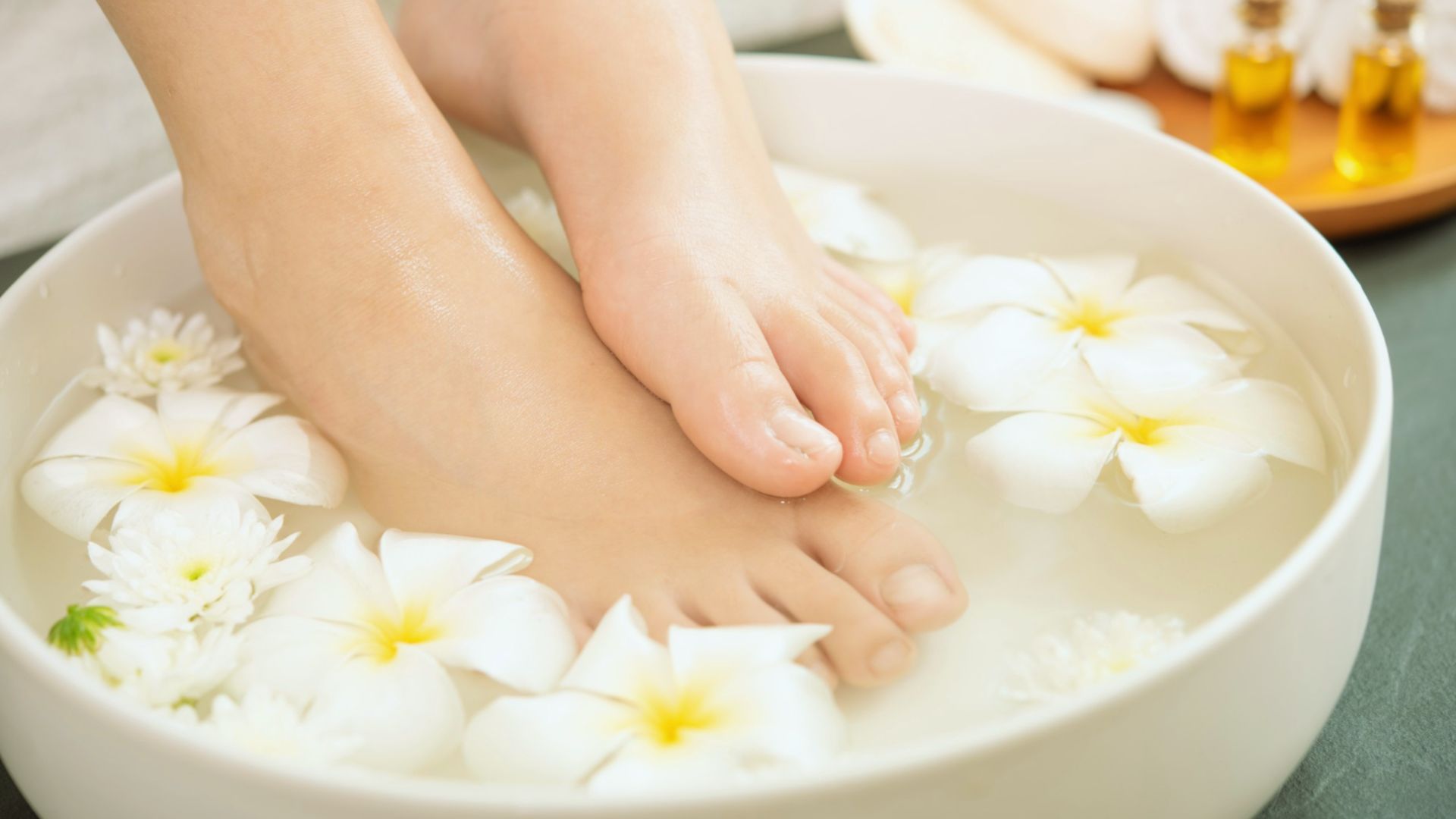
A pedicure is a foot care treatment that cleans, shapes, and beautifies your feet and toenails. It is one of the simplest ways to take care of a part of your body that works hard every single day.
A pedicure usually starts with soaking your feet in warm water to soften the skin. Dead skin is then gently removed from the heels and soles using a scrub or a pumice stone.
The toenails are trimmed, filed, and shaped neatly, and the cuticles are cleaned and pushed back to keep the nail area tidy.
A foot massage follows to help with blood flow and relax tired muscles. Finally, a moisturizer is applied to keep the skin soft, and nail polish can be added as a finishing touch.
What is a Pedicure Like? Step-by-Step Process
A pedicure follows a simple, relaxing process that takes care of your feet from start to finish. Knowing each step helps you feel more comfortable, especially if it is your first time.
Step 1: Foot Soaking and Cleansing
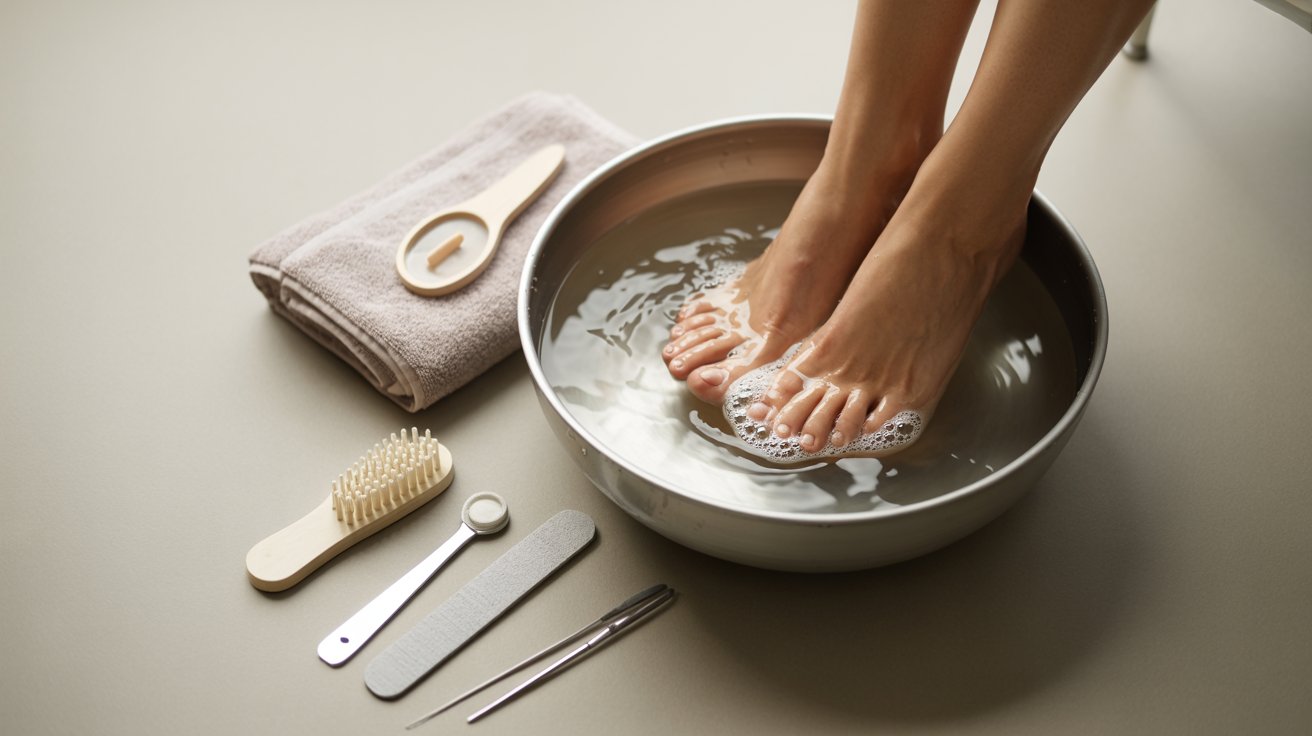
Your feet are placed in a basin of warm water to soften the skin and loosen dirt. Some salons add salts or mild soap for a deeper clean.
This step also helps you settle in and relax before the rest of the treatment begins.
Step 2: Exfoliation and Removal of Dead Skin
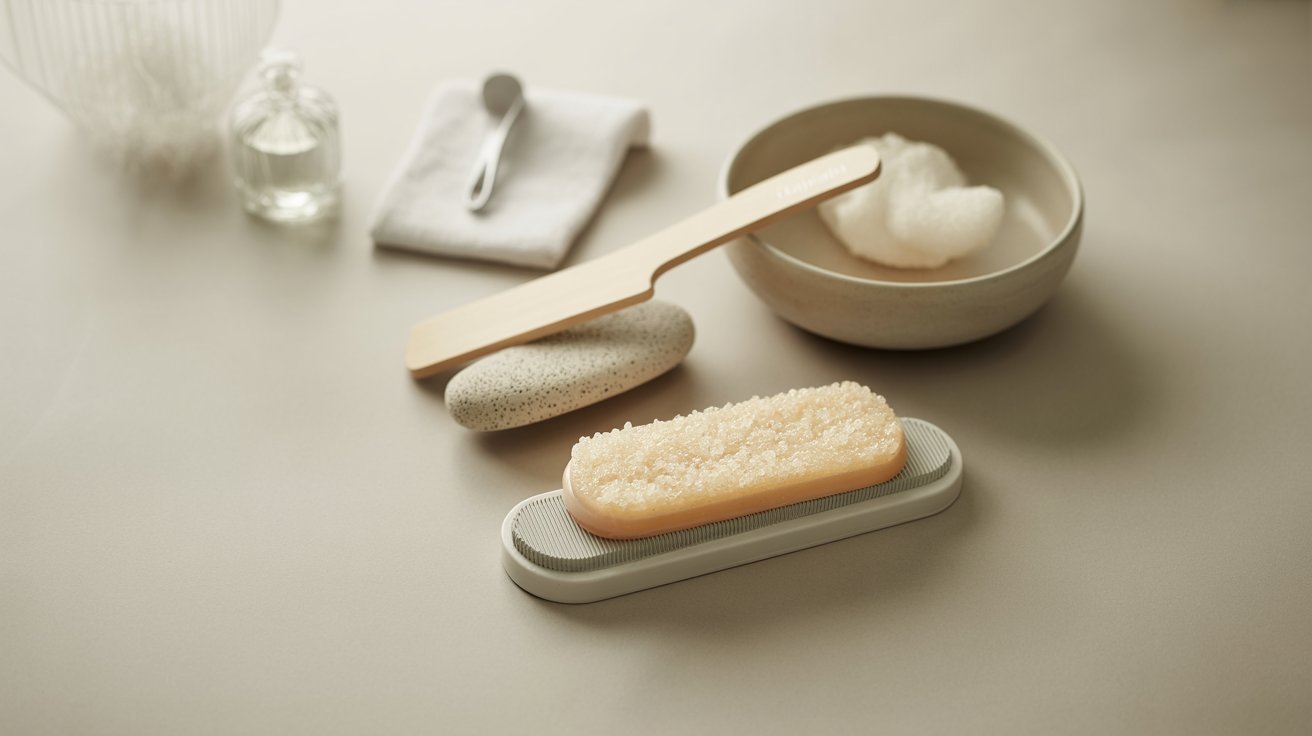
A scrub or pumice stone is used to remove dead skin from your heels, soles, and sides of the feet. This leaves your skin feeling smooth and fresh.
It also helps prevent cracked heels from getting worse over time.
Step 3: Nail Trimming, Shaping, and Cuticle Care
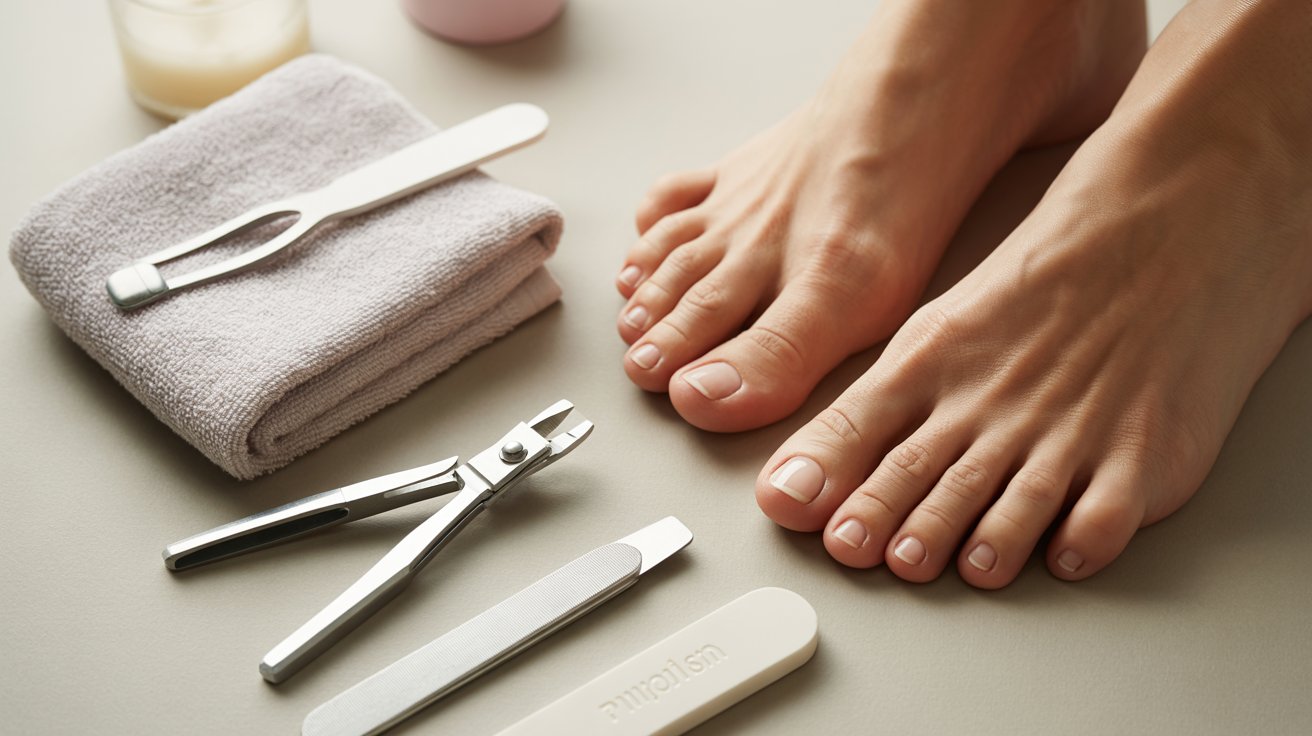
Your toenails are trimmed, filed, and shaped straight across to help prevent ingrown nails. The cuticles are then gently pushed back and cleaned up. This keeps the nail area neat and healthy.
Step 4: Foot Massage and Relaxation
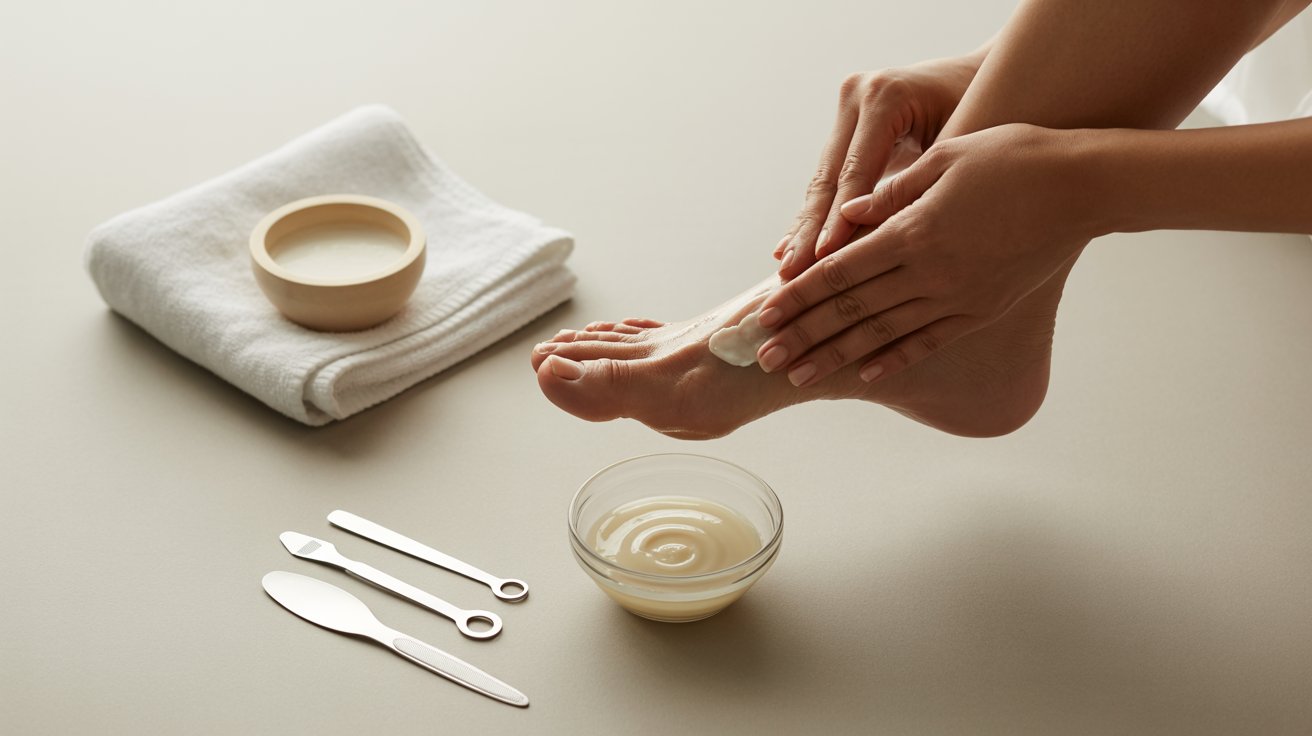
A lotion or oil is used to massage your feet and lower legs. This is often the most enjoyable part of the session. It eases soreness, improves circulation, and helps the moisturizer absorb into the skin.
Step 5: Nail Polish Application
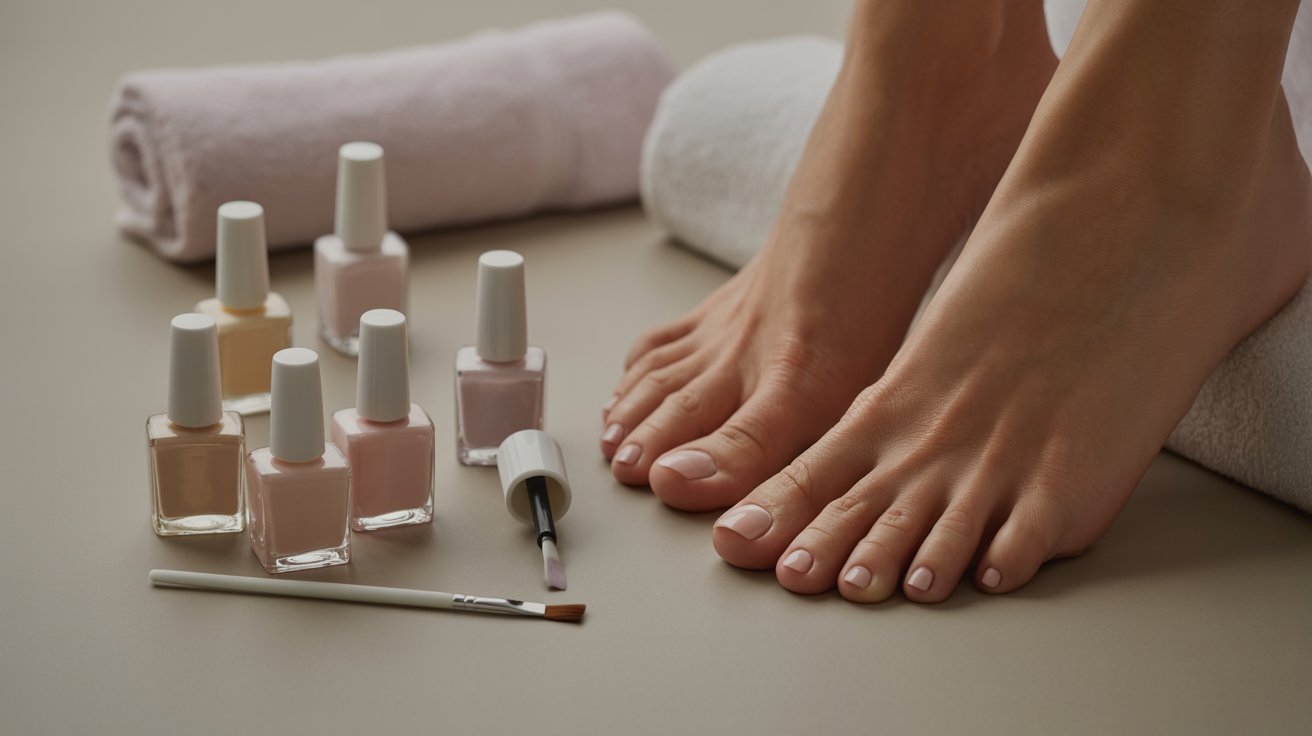
This step is optional. A base coat, color, and top coat are applied to finish the look. If you prefer a natural finish, a clear coat works just as well. Either way, your feet will look and feel great.
Types of Pedicures You Should Know
Not all pedicures are the same. Each type is designed for a different need or preference. Here is a simple breakdown to help you pick the right one.
Type 1: Basic Pedicure
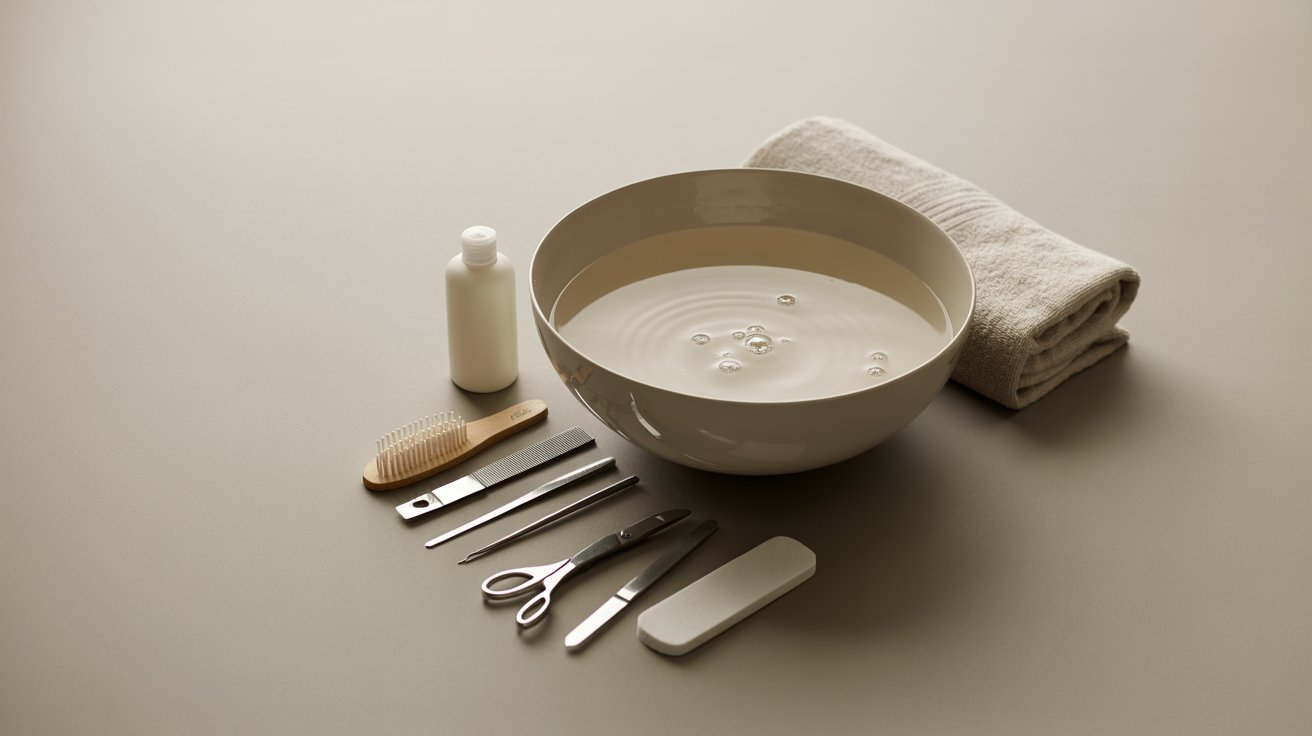
This is the standard option most salons offer. It covers soaking, exfoliation, nail trimming, and a light moisturizer. A great starting point for simple, clean foot care.
Type 2: Spa Pedicure

A spa pedicure adds extras like a longer massage, hydrating mask, or premium scrubs. It is more relaxing and indulgent. A good choice when you want to treat yourself.
Type 3: Gel Pedicure
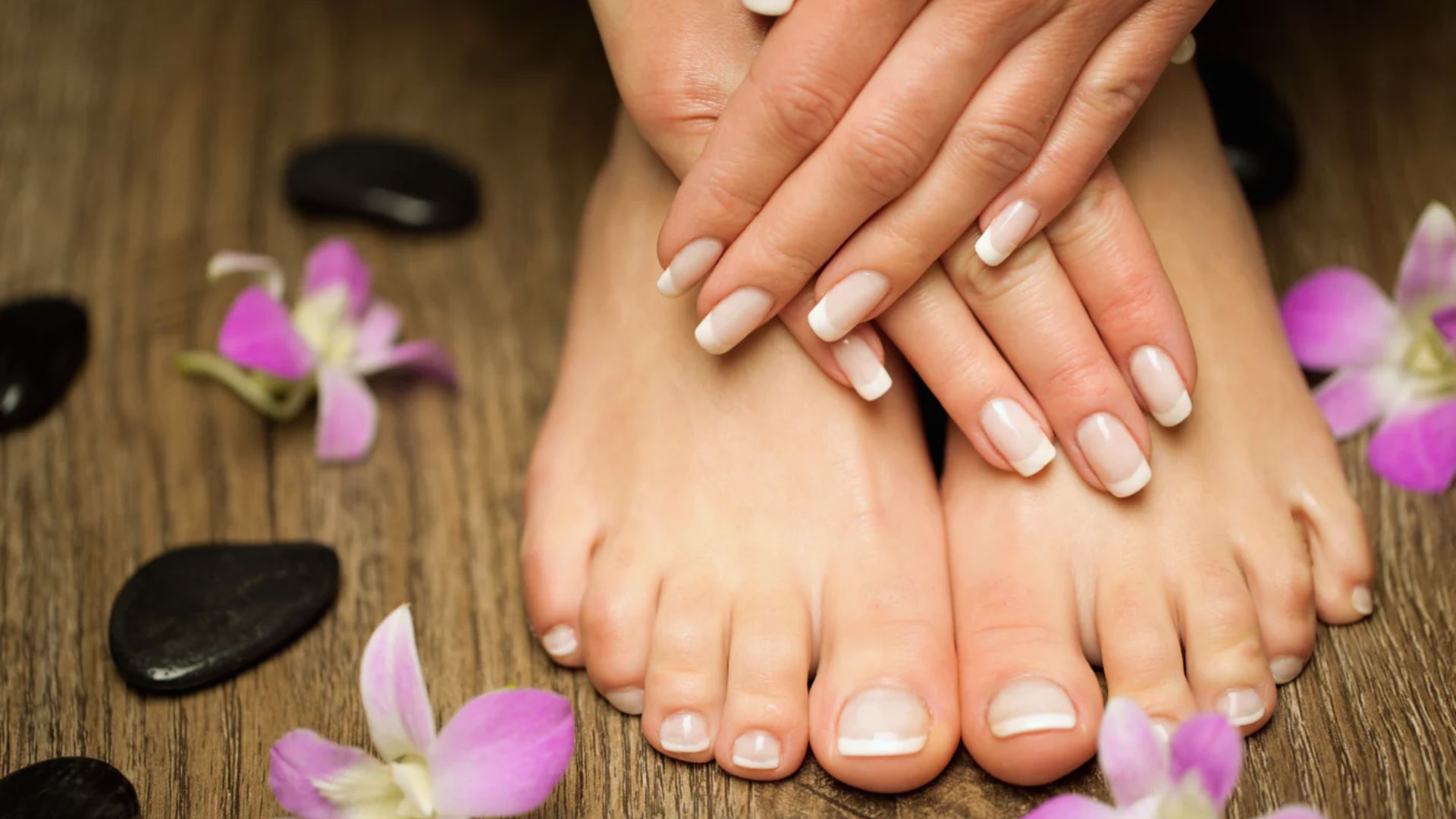
A gel pedicure uses gel-based polish that is set under a UV or LED lamp. It stays chip-free for up to four weeks. Perfect for people who want a long-lasting finish.
Type 4: Paraffin Wax Pedicure
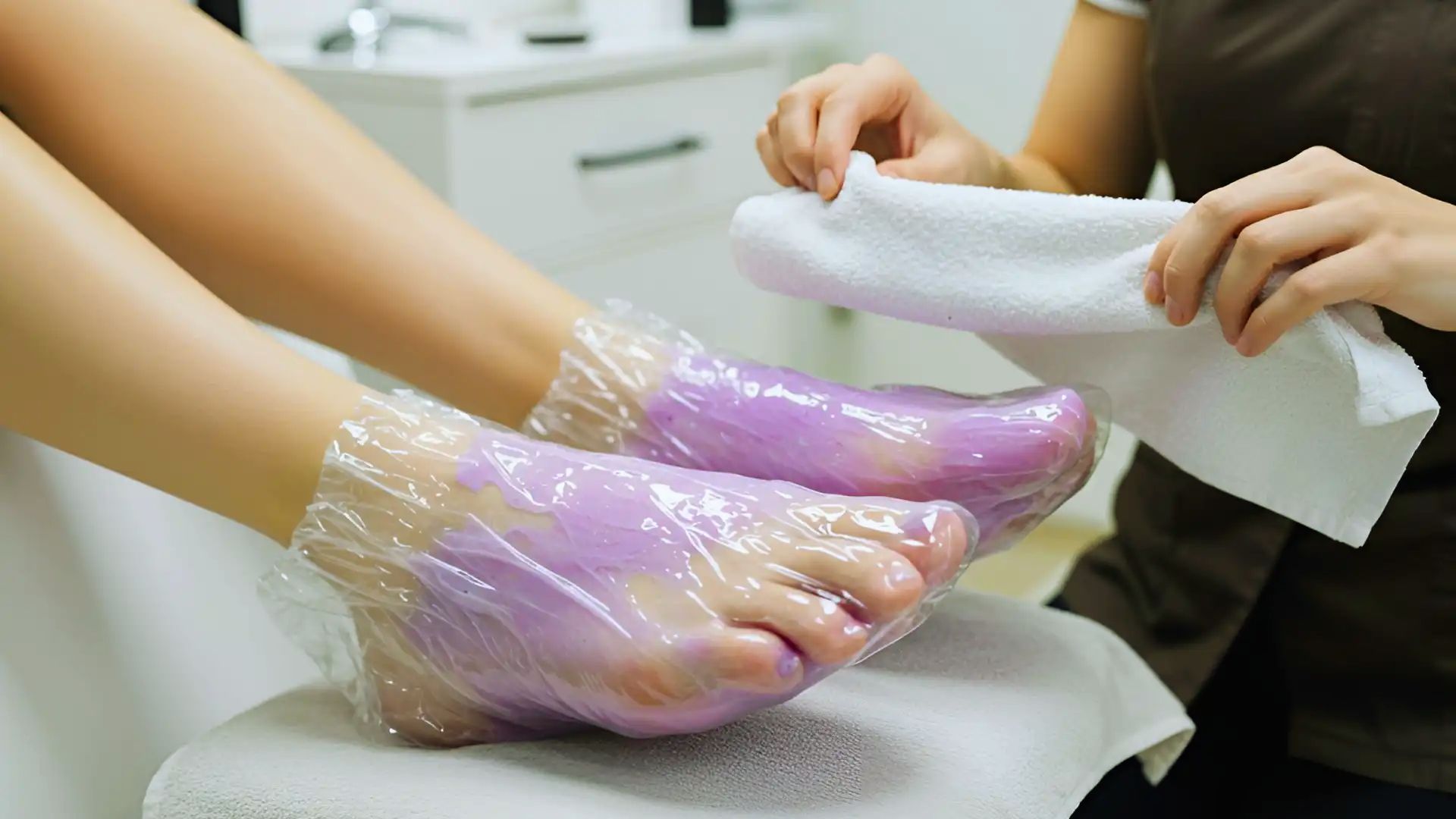
Your feet are dipped in warm paraffin wax after the basic steps. The wax locks in moisture and leaves skin feeling very soft. Great for dry or cracked feet.
Type 5: Waterless Pedicure
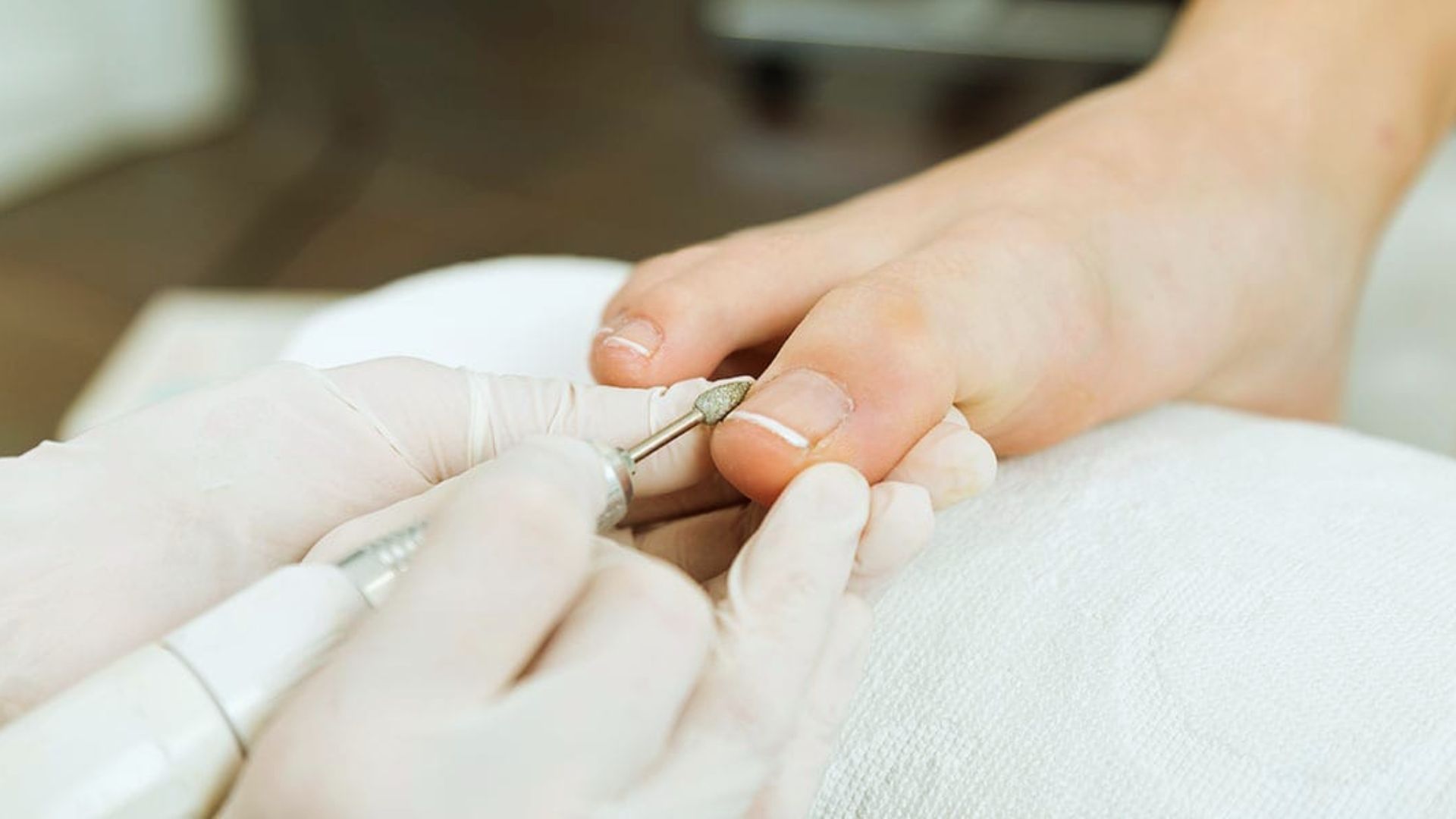
This type skips soaking and uses creams to soften and clean the skin instead. It is more hygienic and faster than a regular pedicure. A solid pick for people with a tight schedule.
Type 6: Athletic Pedicure
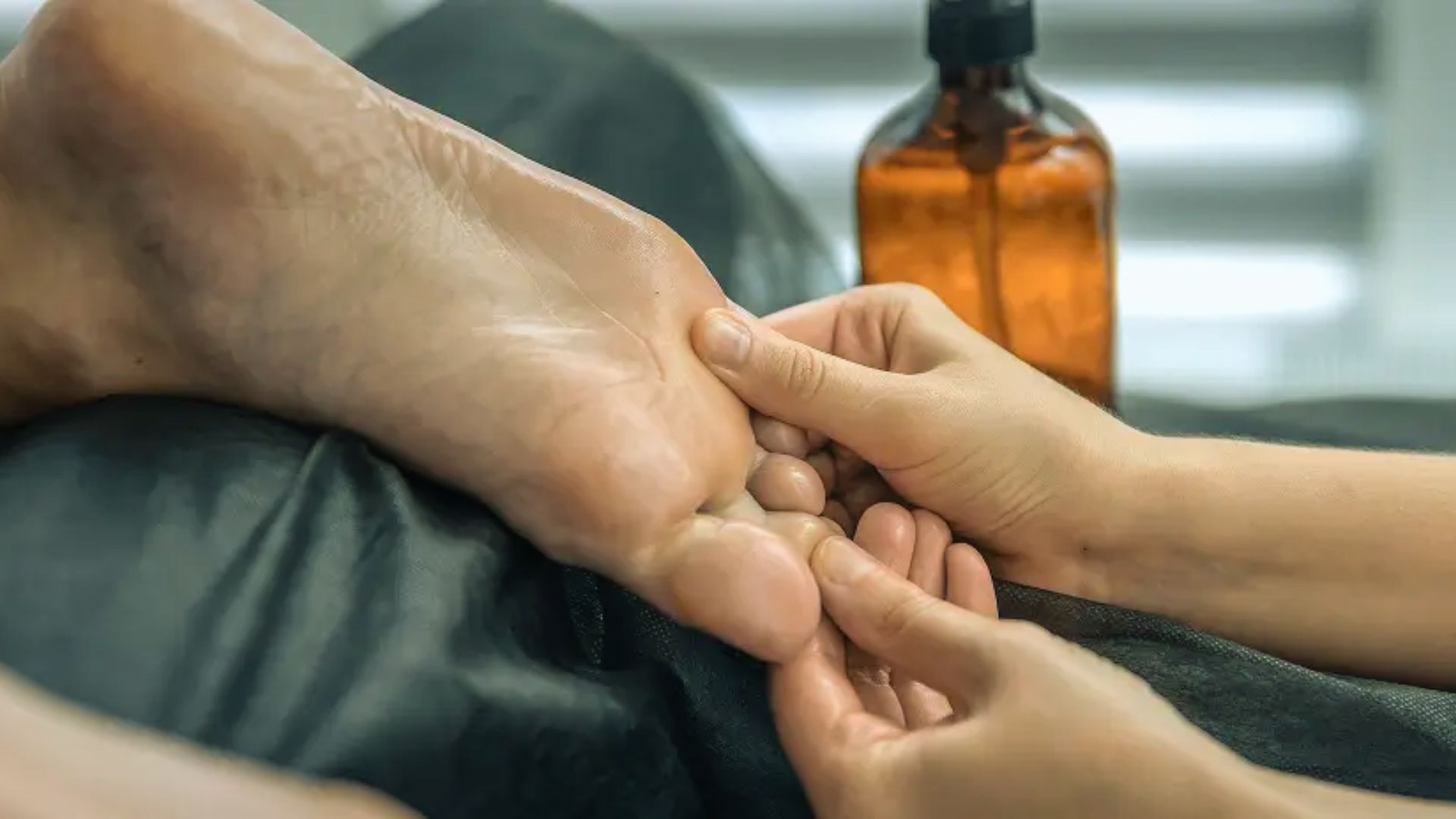
Built for people who spend a lot of time on their feet. It targets calluses, blisters, and thick skin with deeper exfoliation and stronger moisture care. Ideal for runners and active individuals.
Benefits of Getting a Pedicure
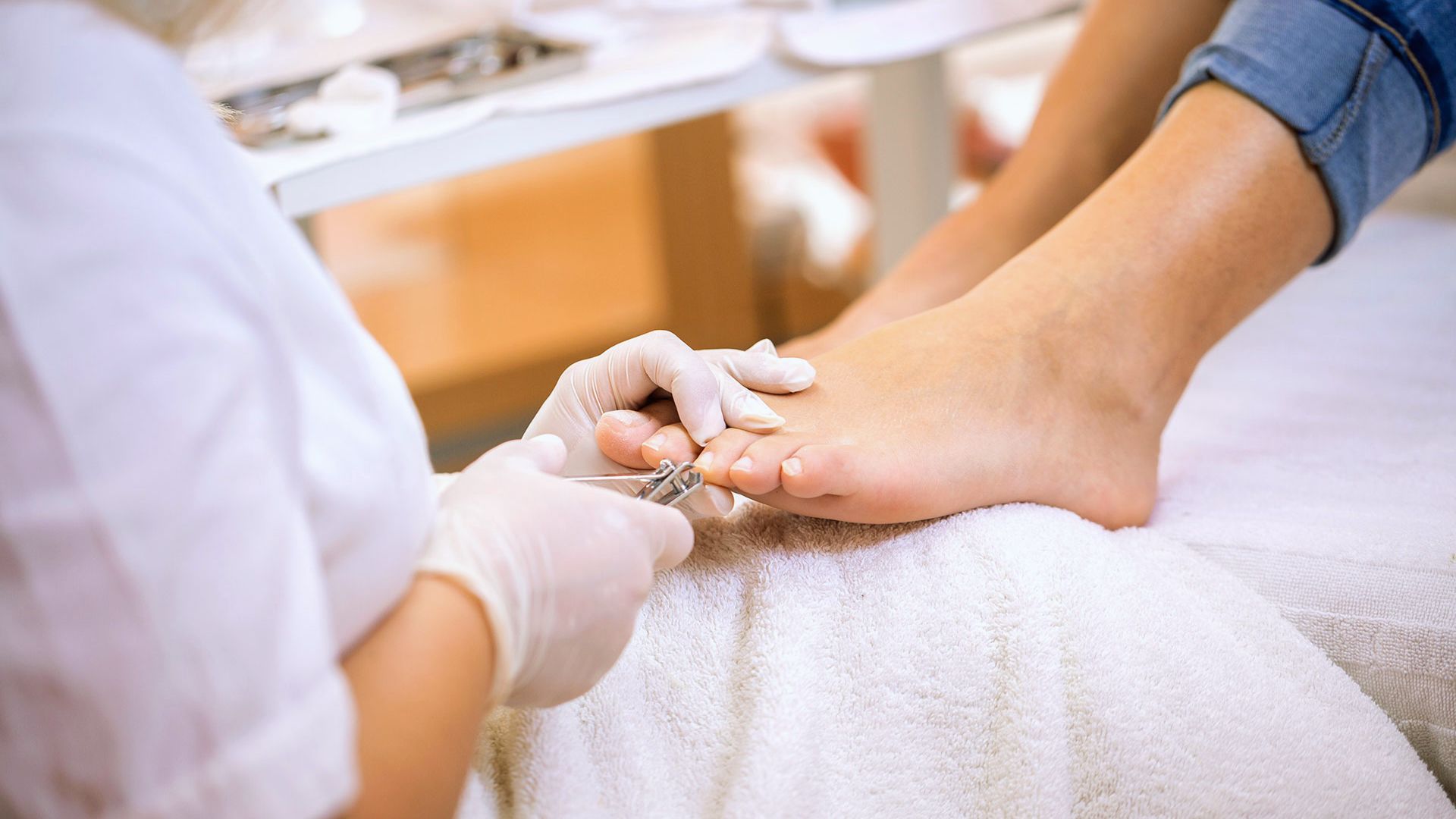
A pedicure does more than make your feet look good. It has real benefits for your health and well-being.
Improves Foot Health and Hygiene
Regular pedicures keep your feet clean and free from dirt and bacteria. Trimmed nails and clean skin lower the risk of infections and other foot problems over time.
Prevents Calluses and Cracked Heels
Exfoliation during a pedicure removes dead skin before it builds up. This helps prevent painful cracked heels and thick calluses from forming on your soles.
Helps With Relaxation and Stress Relief
The massage and warm soak involved in a pedicure do more than care for your feet. They help ease tension, improve blood flow, and leave you feeling genuinely relaxed.
Improves Overall Appearance
Clean, well-groomed feet make a noticeable difference in how you look and feel. It is a small detail that adds to your overall confidence and personal care routine.
How to Choose the Right Pedicure
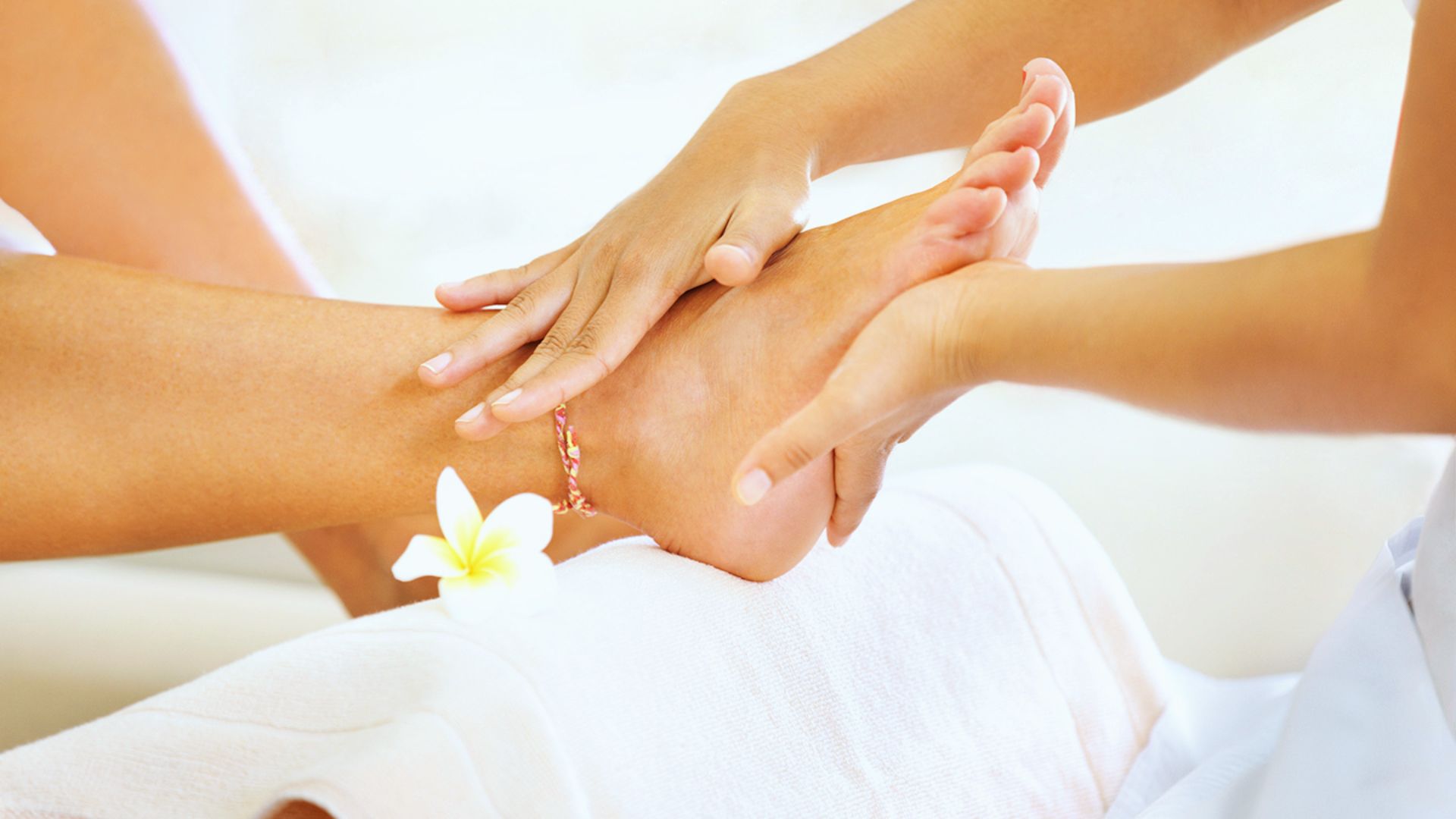
Picking the right pedicure does not have to be confusing. A little clarity goes a long way.
Based on Your Foot Condition
Look at the current state of your feet first. Dry or cracked skin benefits from a paraffin wax treatment. For calluses or soreness, go with an athletic pedicure. For general upkeep, a basic pedicure works just fine.
Based on Budget and Preferences
A basic pedicure is the most budget friendly option. For something more relaxing or long lasting, a spa or gel pedicure is worth considering. Pick what suits your needs before spending extra.
How to Pick a Good Salon
Look for a clean, well maintained space with sanitized tools. Read a few reviews before booking. A good technician will ask about your preferences before starting.
Tips to Maintain Your Pedicure at Home
Small daily habits can keep your feet looking and feeling great between salon visits.
- Wash and dry your feet daily, especially between the toes, to prevent bacteria buildup.
- Apply moisturizer every night to keep skin soft and prevent cracked heels.
- Trim your toenails straight across and file rough edges every few weeks.
- Wear clean socks and breathable footwear to help your pedicure last longer.
- Book your next pedicure every three to four weeks to stay on top of foot care.
Conclusion
Honestly, the first time I got a pedicure, I did not expect to enjoy it as much as I did. But walking out with soft, clean feet felt surprisingly refreshing.
Your feet carry you everywhere. They deserve real attention.
Now you know exactly what a pedicure is, what to expect, and how to keep up with it at home. Give it a try and see how it feels for yourself.
Found this helpful? Share it with someone who needs a little foot care inspiration.
Frequently Asked Questions
How long does a pedicure usually take?
A basic pedicure takes about 30 to 45 minutes. Spa or specialty types can take up to an hour depending on the treatments included.
Is a pedicure safe for people with sensitive skin?
Yes, but let your technician know about any skin concerns before the session starts. They can adjust the products used to suit your skin type.
How often should I get a pedicure?
Every three to four weeks is a good routine for most people. If you are very active, you may benefit from going a little more often.
Can I get a pedicure if I have ingrown toenails?
It is best to consult a doctor first if your ingrown nail is painful or infected. A trained technician can handle mild cases with proper care during the session.
What is the difference between a manicure and a pedicure?
A manicure focuses on the hands and fingernails while a pedicure is all about the feet and toenails. Both follow a similar process but target different areas of the body.