Gel Top Coat Over Regular Polish: Does It Work?


You painted your nails with regular polish and now want that glossy, long-lasting gel finish. Makes sense. But will a gel top coat actually work over regular polish?
I’ve tested this myself, and the answer is not a simple yes or no.
In this article, you’ll find out what’s really going on, why it often fails, and the right way to apply it if you want to try.
I have spent years working with nail products, so you’re getting real answers here, not guesswork.
Can You Use Gel Top Coat Over Regular Polish?
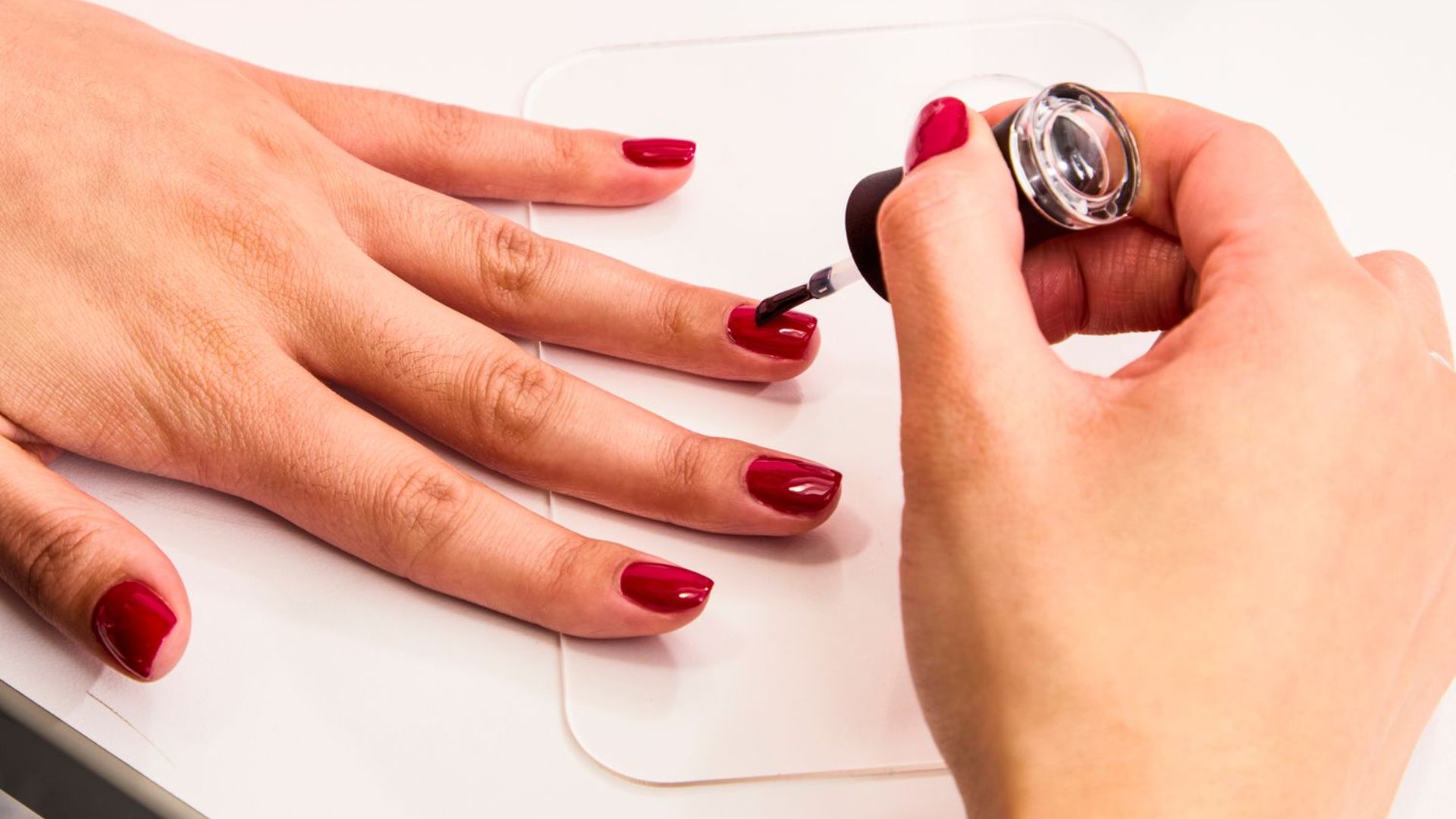
Applying a gel top coat over regular polish sounds like a smart shortcut. But the results depend on a few key factors most people overlook.
Yes, it can work. But only if your polish is completely dry. Not just dry to the touch. Fully cured. That takes 12 to 24 hours.
Most nail professionals advise against this combination. Gel and regular polish are two different formulas. Gel cures fast under a lamp.
Regular polish dries slowly through evaporation. Seal it too soon and you trap moisture inside, leading to smudging, bubbling, and peeling.
Why Gel Top Coat Over Regular Polish Often Fails
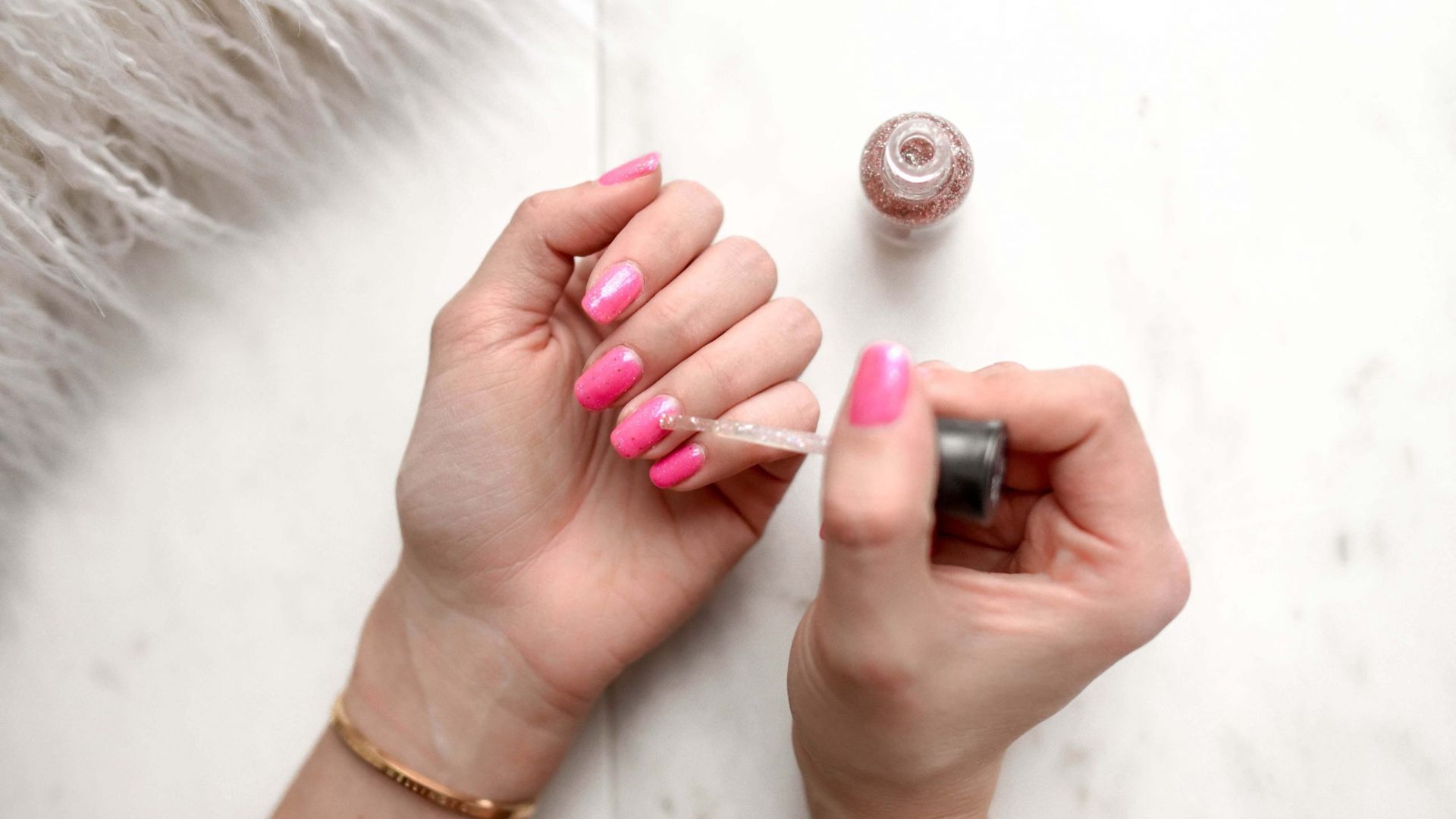
Here’s a quick look at why this combination tends to go wrong, even when you’re careful.
Regular Polish Takes Up to 24 Hours to Fully Dry
Most people think regular polish is dry after 10 to 15 minutes. It feels dry. But it’s not.
The top layer hardens fast. The layers underneath keep drying for hours. Full evaporation can take anywhere from 12 to 24 hours depending on how thick you applied it and the temperature in your room.
Gel Top Coat Cures Instantly Under UV/LED
Gel top coat does not dry. It cures. When you put your nails under a UV or LED lamp, the gel hardens in seconds.
This is great for gel nails. But when used over regular polish, that fast cure locks in whatever moisture is still sitting underneath.
Trapped Moisture Causes Smudging and Peeling
Once moisture is trapped under the gel layer, there’s no way out. The polish continues trying to evaporate, but the gel won’t let it.
This causes smudging under the gel surface, air bubbles forming, and peeling at the edges within a few days. The gel may look perfect right after curing. The problems show up later.
Does Gel Top Coat Over Regular Polish Work If You Wait?
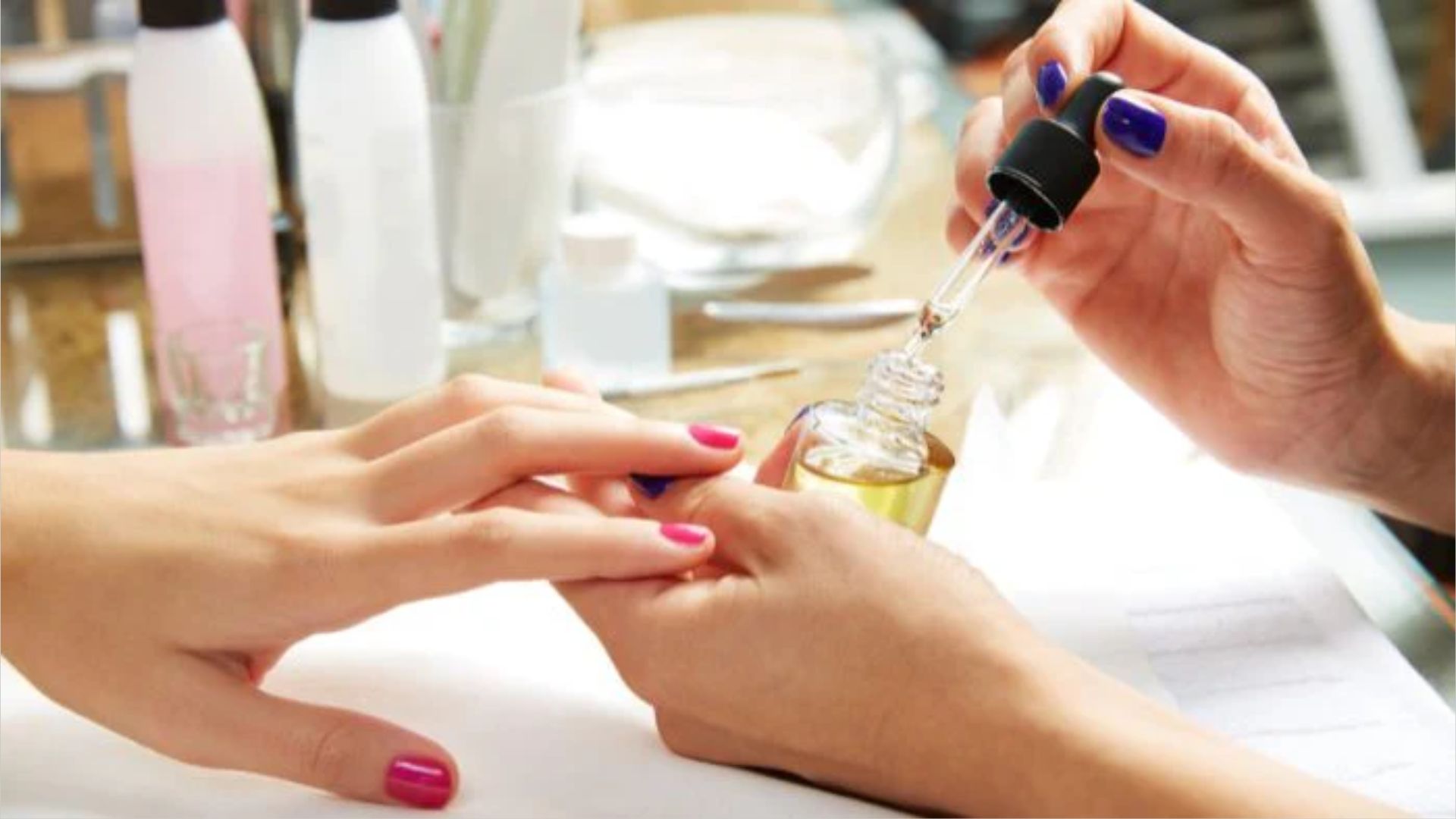
Waiting longer does help. But it’s still not a perfect solution.
If you let your polish dry fully for 12 to 24 hours, results improve. The polish is more stable, there’s less trapped moisture, and the gel bonds better. Shine lasts longer and wear time can extend by a few days.
But even then, results are not guaranteed. Regular polish stays slightly flexible. Gel cures rigid. These two layers move differently on your nail, causing the gel to lift at the tips or peel off over time.
You may get 3 good days or 10. It depends on your polish brand, nail shape, and how you use your hands.
How to Apply Gel Top Coat Over Regular Polish (Correct Method)
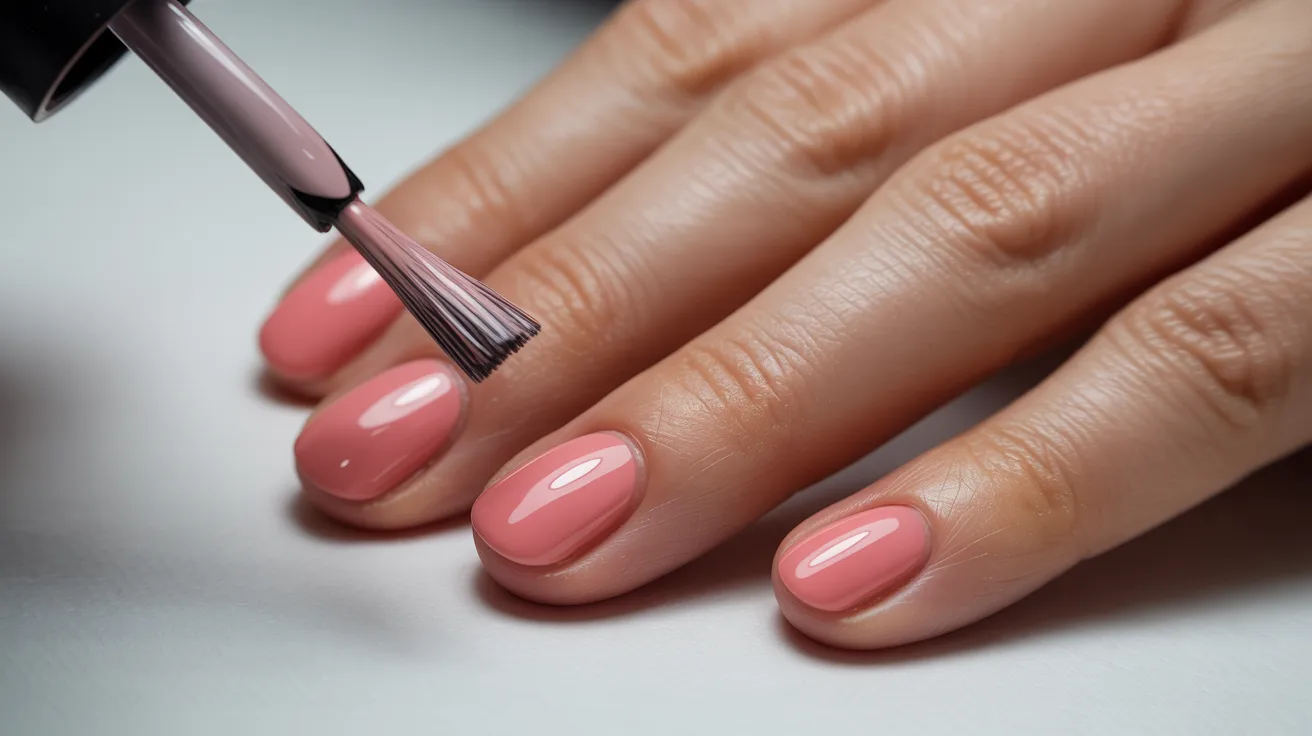
If you want to try this, follow these steps carefully. Skipping any one of them increases the chance of failure.
Apply Thin Layers of Regular Polish
Thick layers take much longer to dry. They also trap more moisture.
Apply two thin coats instead of one thick coat. Let each layer dry for at least 5 minutes before adding the next. Thin layers dry faster and give the gel a more stable base.
Let Polish Fully Dry Before Sealing
This is the most important step. Do not rush it.
Wait at least 12 hours. 24 hours is better. Leave your nails uncovered in a well-ventilated room. Avoid lotion, water, or anything that could slow drying.
Apply a Thin Gel Top Coat
When your polish is fully dry, apply a thin, even layer of gel top coat. Do not glob it on.
Cap the free edge of your nail by running the brush along the tip. It helps seal the edge and slows down peeling.
Cure Properly Under UV/LED Lamp
Follow the instructions on your gel top coat. Most need 30 to 60 seconds under an LED lamp or 2 minutes under UV.
Make sure every nail gets full exposure. Rotate your hand if needed. Undercured gel stays tacky and peels faster.
Are There Gel Top Coats That Work Better?
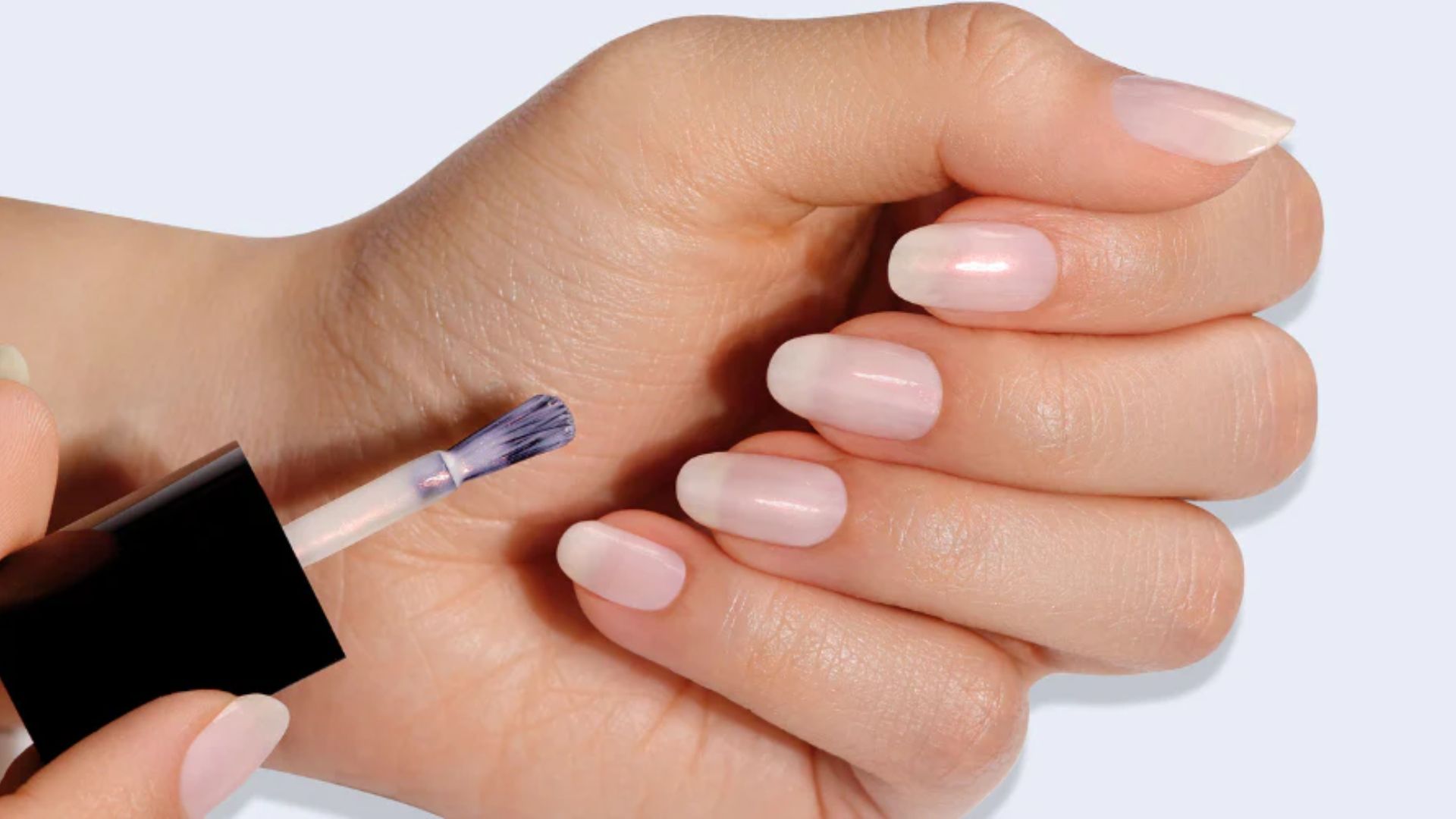
Not all gel top coats behave the same. Some are made specifically to work over regular polish.
Hybrid gel top coats are more forgiving. They bond with regular polish without requiring a completely rigid cure. They still need your polish to be fully dry, but they flex slightly, which reduces the chance of peeling.
Look for products labeled “gel-effect” or “no-lamp gel top coat.” These often skip UV or LED curing and work much better with regular polish.
Before buying, check that it says “compatible with regular polish” on the label. A no-wipe or flexible hybrid formula is a good sign. Avoid standard gel top coats made only for gel base coats. They are far more likely to peel over regular polish.
Common Mistakes to Avoid
Small mistakes here can ruin the whole result. Here are the most common ones to watch out for.
- Applying gel over semi-dry polish. The lower layers are still wet even when the surface feels dry, leading to smudging and bubbling within 24 to 48 hours.
- Using thick layers of regular polish. They take much longer to dry and create an unstable base for the gel.
- Applying a thick gel top coat. Harder to cure fully and more likely to peel.
- Skipping proper curing time. Undercured gel stays soft underneath and leads to a dull, peeling finish.
- Rushing the process. Patience is the most important part of making this combination work.
Gel Top Coat vs Regular Top Coat: Which Is Better?
Choosing between the two comes down to what matters most to you.
A gel top coat wins on shine and durability. It gives a glass-like finish that a regular top coat rarely matches. But a regular top coat is easier to apply, bonds naturally with regular polish, and needs no lamp or long wait time.
For everyday nails, a high-quality regular top coat is often the simpler and more reliable choice.
Removal is another big difference. The regular top coat comes off with standard nail polish remover. Gel top coat needs soaking or filing, which takes more time and can dry out your nails. If you change your nail color often, a regular top coat is the more practical option.
Conclusion
I get it. You want that glossy, salon-like finish without starting over from scratch. I’ve been there, standing at my nail table at midnight, wondering if I could just seal everything with gel and call it done. Sometimes it works. Sometimes it doesn’t.
If you try it, wait the full 24 hours and go thin on every layer. That’s the real secret.
Have you tried gel top coats over regular polish? Drop your experience in the comments. I’d love to know what worked for you.
Frequently asked questions
Can I apply gel top coat directly over regular nail polish?
Yes, but only if the regular polish is completely dry. Applying gel over wet or semi-dry polish traps moisture and leads to peeling and bubbling within days.
How long should I wait before applying gel top coat over regular polish?
Wait at least 12 to 24 hours. The polish needs to be fully cured, not just dry to the touch, before you seal it with a gel top coat.
Will gel top coats make regular polish last longer?
It can. When applied correctly over fully dried polish, a gel top coat adds shine and extends wear time. But results vary depending on the polish brand and application method.
Do I need a UV or LED lamp to use gel top coat over regular polish?
Yes, if you’re using a standard gel top coat. It needs to be cured under a lamp to harden. Some hybrid or no-lamp formulas are the exception and work differently.
Why is my gel top coat peeling off regular polish so fast?
The most likely cause is that your regular polish wasn’t fully dry before you applied the gel. Trapped moisture under the gel layer causes it to lift, peel, or bubble within a short time.