Why Do Hairdressers Hate Box Dye? Hidden Truths


I walked into a salon once and casually mentioned I’d been using box dye for years. The hairdresser didn’t say much. But her expression said everything.
That reaction sent me down a rabbit hole.
Turns out, why do hairdressers hate box dye is one of the most searched questions in hair care, and the Reddit threads alone are filled with stories that will make you put the box back on the shelf.
So what do they actually know that most of us don’t? The answer is more eye-opening than I expected.
Let’s get started.
What Is Box Dye and How Does It Work?
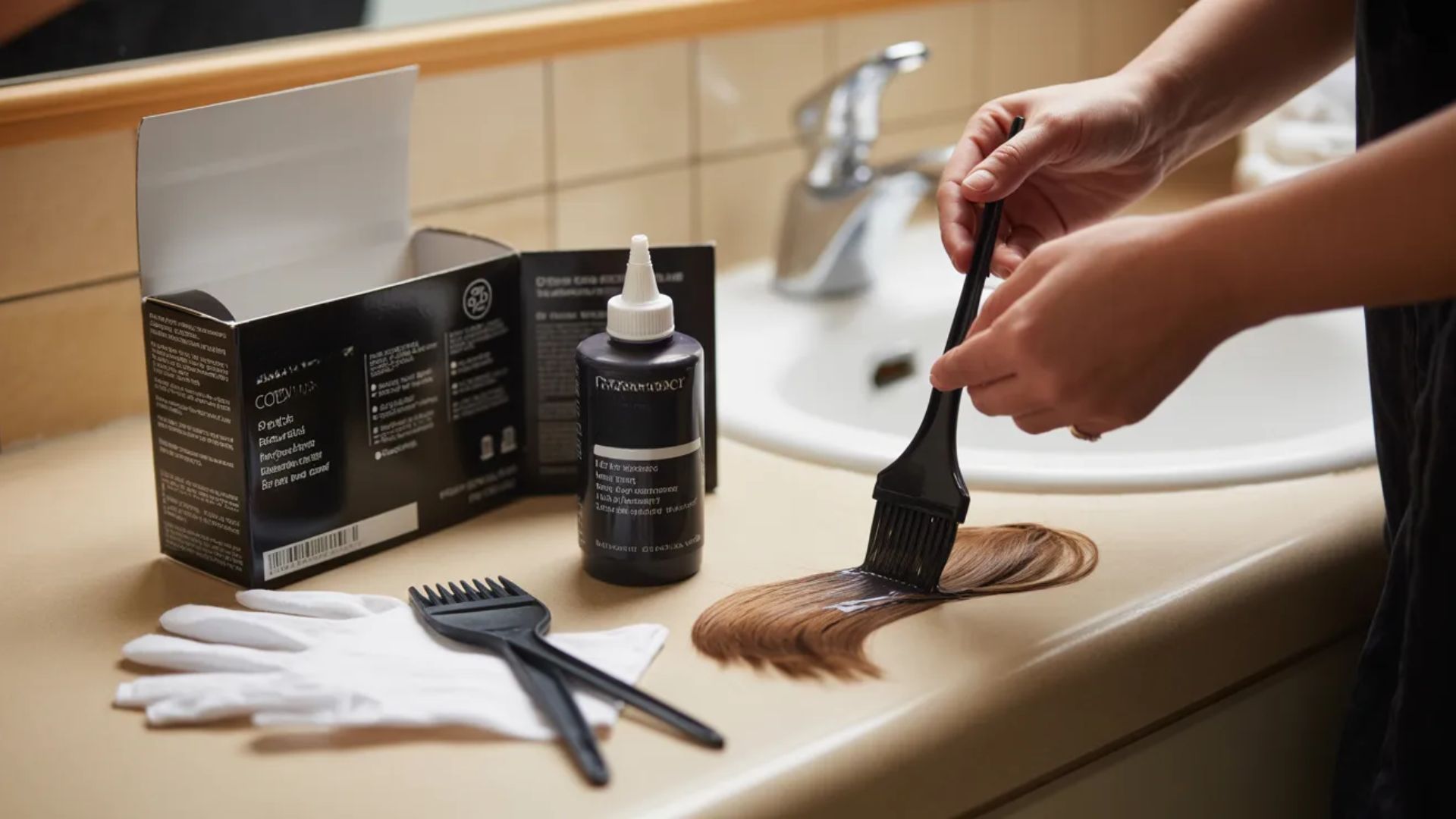
Box dye is an at-home hair coloring kit sold in drugstores and supermarkets.
It typically comes with a pre-mixed developer, color formula, and instructions designed to work for everyone, regardless of hair type or condition.
It comes in two main forms: permanent and semi-permanent.
Permanent box dye uses a high-volume developer to open the hair cuticle and deposit color deep into the strand. Semi-permanent sits more on the surface and fades over time.
The key difference between box dye and professional color is the formula.
Box dyes are made with a one-size-fits-all approach. Professional dyes are mixed specifically for your hair type, current color, and desired result.
Box dye also tends to contain higher concentrations of certain chemicals to compensate for the fact that it has to work on every hair type.
That broad approach is where many of the problems begin.
Reasons Hairdressers Dislike Box Dye
There’s more than one reason this conversation keeps coming up. Here’s what professionals are actually concerned about.
1. Hair Damage and Weakening
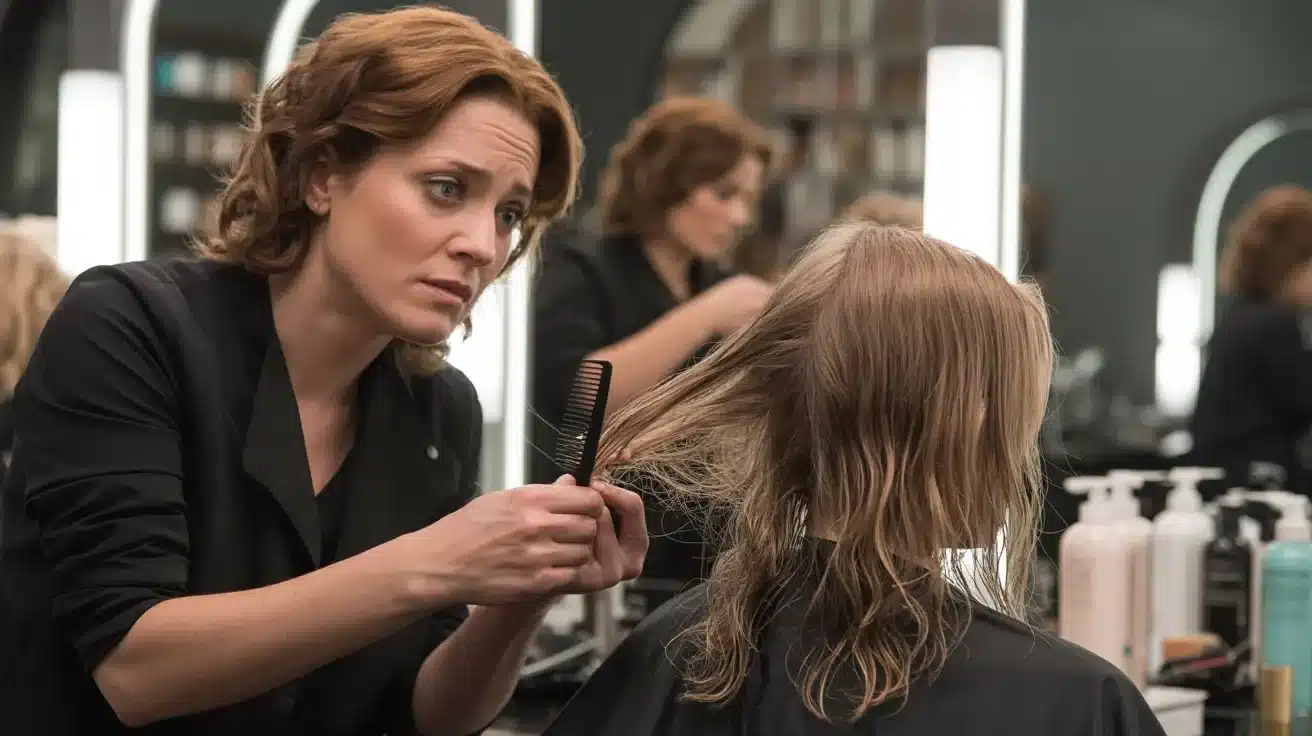
Box dyes often use a stronger developer than necessary. For fine or already processed hair, that excess strength strips moisture and protein from the strand, leaving it dry, brittle, and prone to breakage.
Professional dyes are formulated with conditioning agents designed to minimize damage during the color process. Box dye formulas skip much of this because there’s no way to know in advance what condition your hair is in.
Over time, repeated box dye use can leave hair porous and uneven in texture. This makes future coloring, whether at home or in a salon, much harder to do well.
2. Uneven Color Results
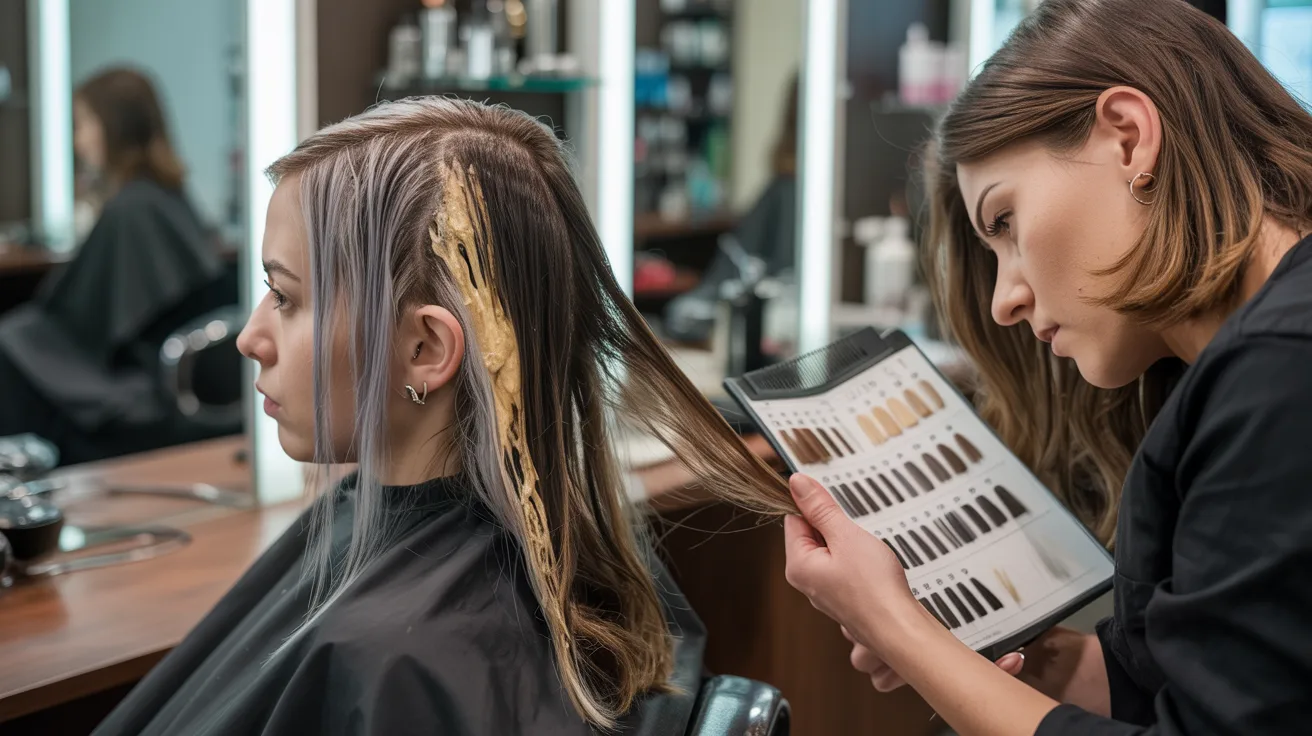
Box dye is mixed at a fixed ratio and applied to all of your hair at once. It doesn’t account for previously colored sections, highlights, or areas where the hair is more porous.
The result is often patchy. Some sections grab the color too quickly and go darker, while others resist and stay lighter. On highlighted or bleached hair, this can turn into a muddy, uneven mess.
Brassiness is another common issue, especially when going darker with box dye. The underlying warm tones in the hair aren’t neutralized properly, and they push through within a few weeks.
3. Difficulty Correcting Mistakes
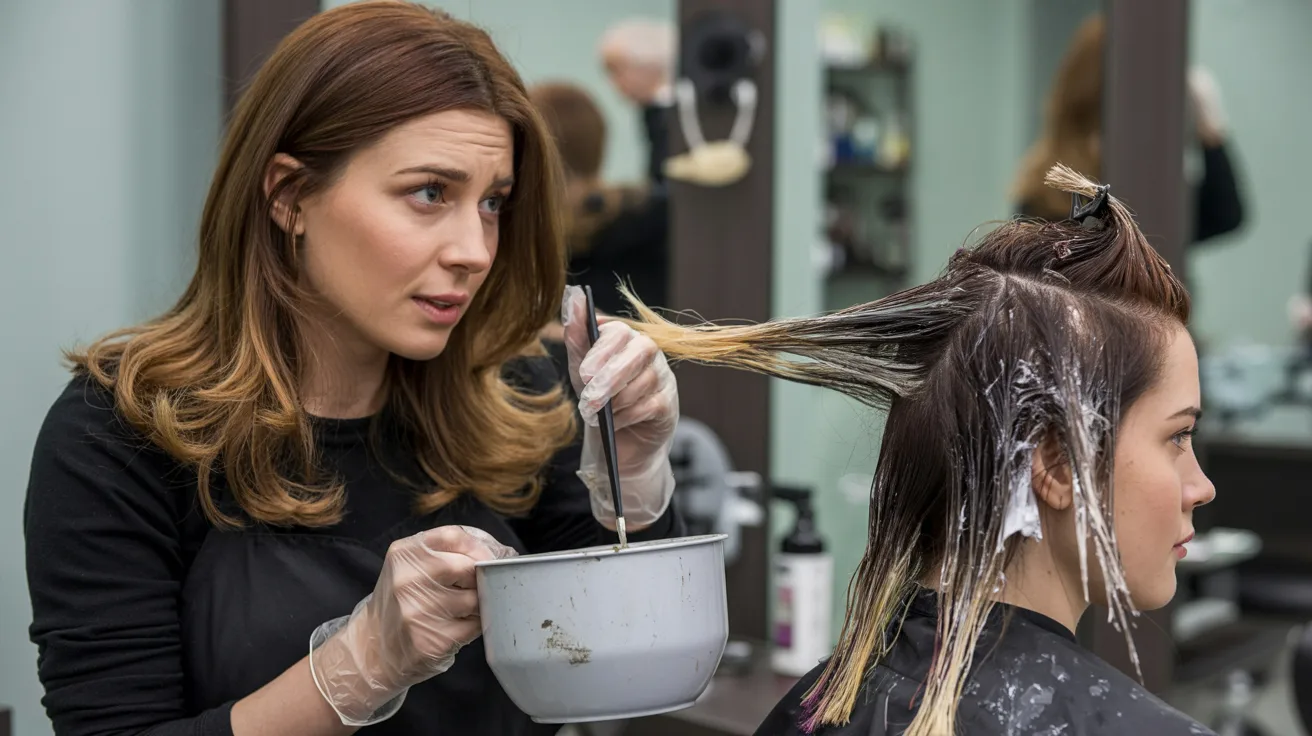
This is one of the biggest reasons why do hairdressers hate box dye comes up so often in professional circles. Fixing a box dye result is genuinely difficult and time-consuming work.
The metallic salts found in many box dye formulas can react unpredictably with professional color products. In some cases, applying bleach or a new color over box dye causes severe breakage or an unexpected color result.
Correction appointments often take multiple hours and cost significantly more than a standard color service. What felt like a money-saving decision at home can end up costing far more at the salon.
4. Limited Color Options and Customization
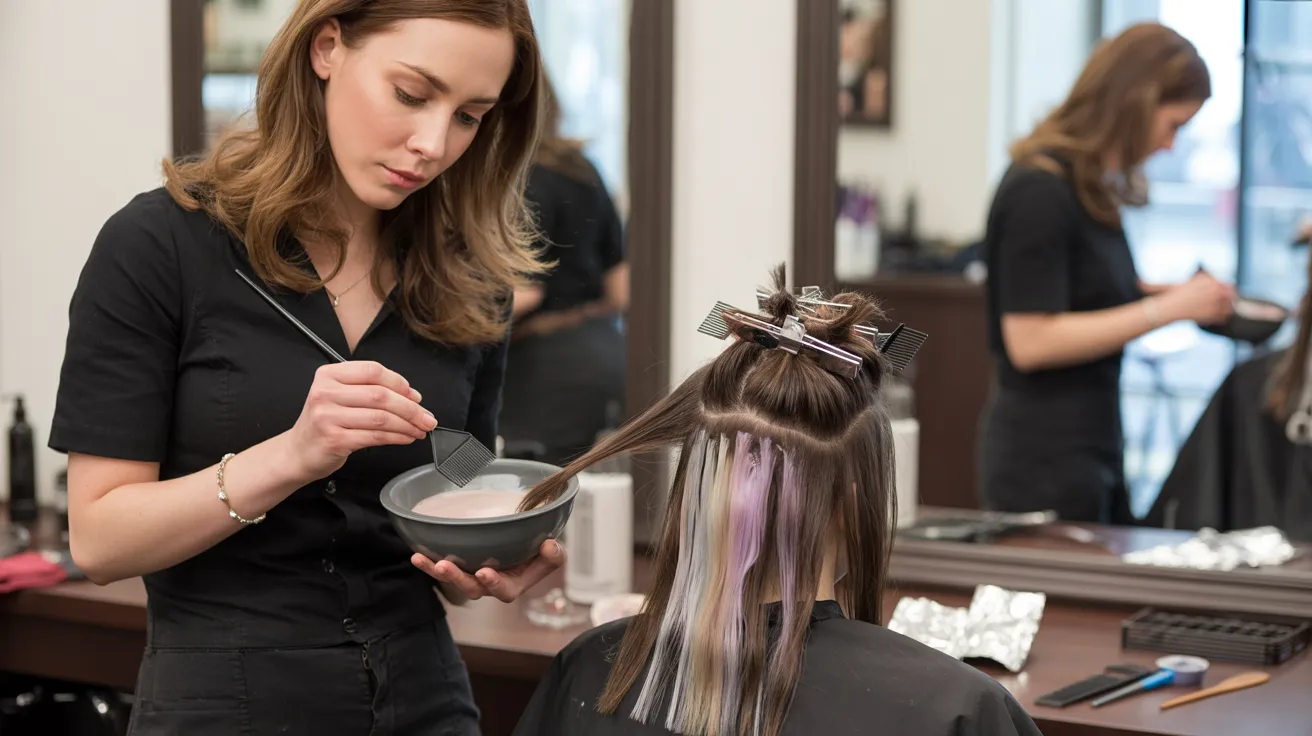
When you buy a box, you get one fixed formula. There’s no adjusting the tone, depth, or finish to suit your specific features or skin tone.
A professional colorist can mix and layer multiple shades to create dimension, warmth, or a color that’s been specifically matched to you. Box dye simply can’t replicate that level of personalization.
This is especially limiting for people who want balayage, highlights, or any technique that requires sections of the hair to be treated differently. Box dye applied all over is a blunt tool for what should be a precise job.
5. Chemical Composition Concerns
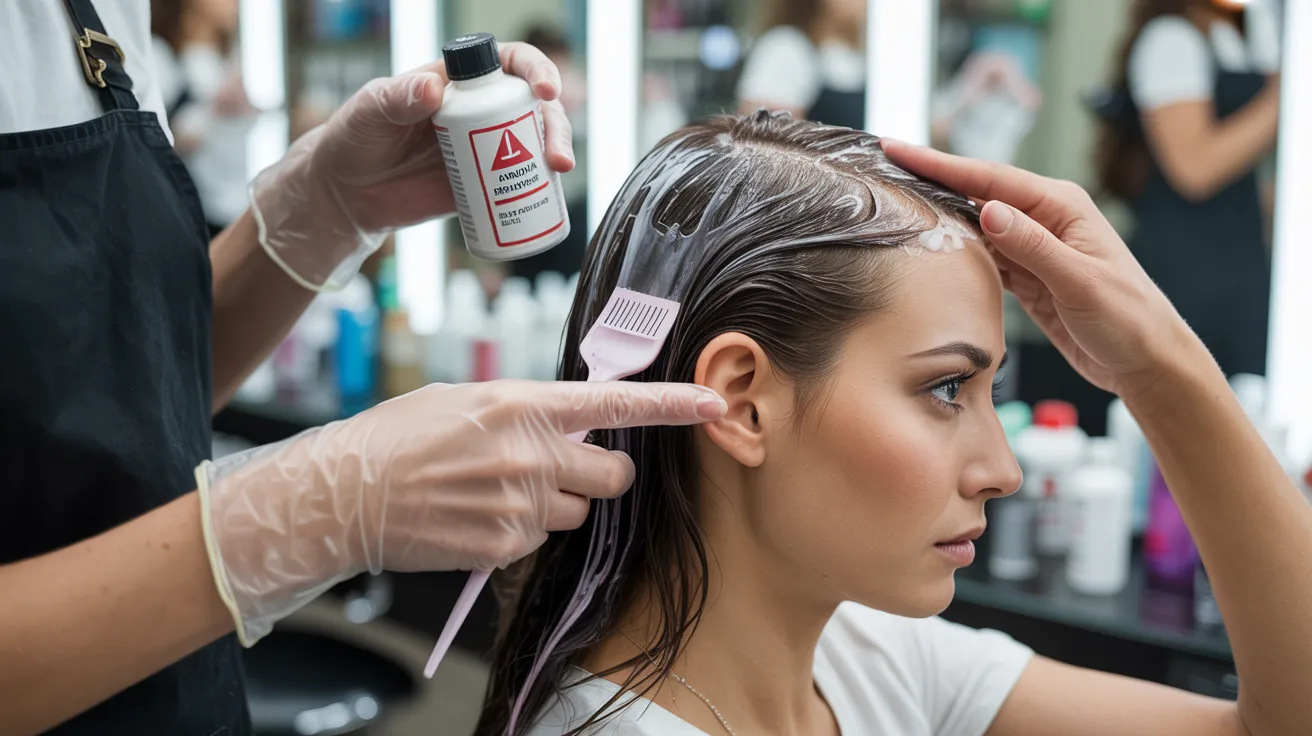
Many box dyes contain higher levels of ammonia, peroxide, and PPD (paraphenylenediamine) than professional products.
These ingredients are necessary for the dye to work, but in higher concentrations they increase the risk of scalp irritation and allergic reactions.
Professional-grade color is formulated to deliver predictable results with more controlled ingredient levels. Salons are also trained to do patch tests and assess any risk before starting the color process.
People with sensitive scalps or existing skin conditions are particularly vulnerable to reactions from box dye. And because the formula is fixed, there’s no way to adjust it even if you know you react badly to certain ingredients.
Common Misconceptions About Box Dye
A lot of people defend box dye based on ideas that don’t quite hold up under scrutiny.
- Myth 1: Box dye is just as good as salon dye. The ingredients, ratios, and application methods are fundamentally different. The results reflect that difference, especially over time and on processed hair.
- Myth 2: DIY coloring always saves money. It can in the short term. But one correction appointment at a salon often costs more than several professional color services would have. The math shifts quickly once something goes wrong.
- Myth 3: Box dye is safe for all hair types. It’s not. Fine hair, bleached hair, and chemically treated hair are all more vulnerable to damage from the stronger formulas used in box dye kits.
Knowing the reality behind these myths makes it a lot easier to make a genuinely informed decision about your hair.
How Hairdressers Recommend Coloring Hair Safely
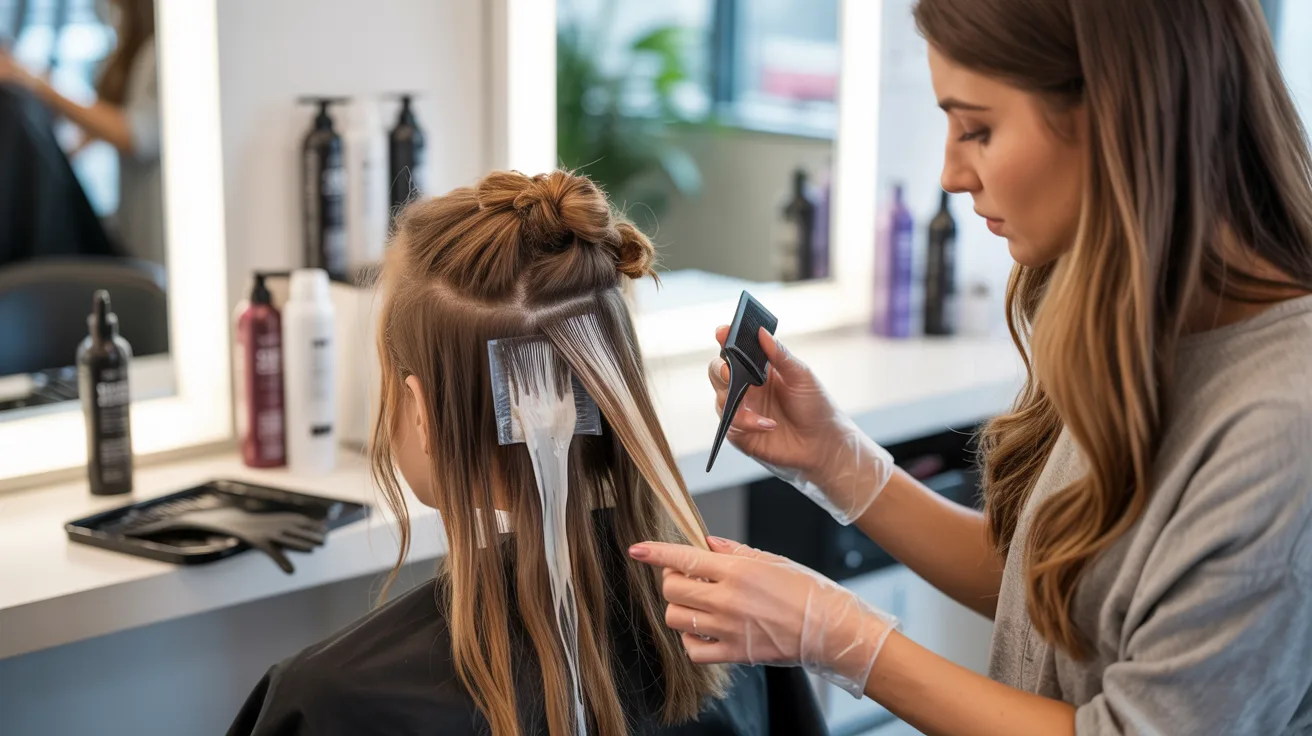
If you’re set on coloring at home, there are ways to reduce the risk. Most hairdressers aren’t trying to push every client into a salon chair. They just want people to be careful.
Always do a patch test at least 48 hours before applying any at-home color. Allergic reactions to hair dye can be severe, and a patch test is the only way to know in advance.
Do a strand test too. Apply the dye to a small hidden section before doing your whole head. This tells you how the color will actually look on your hair before you commit to the full application.
If you’re going to use box dye, choose a shade as close to your natural color as possible. Dramatic changes, like going from dark brown to light blonde, should always be done by a professional. The risk of serious damage is too high to attempt at home.
When in doubt, book a consultation. Many salons offer them for free or at low cost. A professional can look at your hair and give you honest advice about what’s actually achievable without causing damage.
Conclusion
That quiet moment in the salon chair stayed with me for a long time. It was the moment I realized I’d been making decisions about my hair without really understanding the consequences.
You don’t have to give up convenience completely. You just have to go in with your eyes open.
Now you know why do hairdressers hate box dye. What you do with that is up to you.
Tried box dye and loved it? Or has it ever gone seriously wrong? Drop your story in the comments. I read every single one.
Frequently Asked Questions
Can Box Dye Ruin My Hair Permanently?
In most cases, damage from box dye is not permanent, but repeated use can cause long-term dryness, porosity, and breakage that takes months to recover from. Severe cases, especially involving bleach or chemical relaxers mixed with box dye, can cause irreversible damage.
Is It Safe to Use Box Dye Over Previously Dyed Hair?
It can be, but the result is unpredictable. Previously colored hair absorbs dye differently, which increases the risk of patchiness, uneven color, and unwanted tones.
Why Do Professional Hairdressers Avoid Fixing Box Dye Mistakes?
It’s not that they avoid it, it’s that correction work is complex, time-intensive, and sometimes limited by the unpredictable reactions that metallic salts in box dye can cause with professional products.
Are There Any Safe Box Dye Brands Recommended by Stylists?
Some stylists point to ammonia-free or PPD-free formulas as gentler options for occasional use. However, most professionals still recommend patch testing any brand before full application.
How Often Can I Safely Color My Hair at Home?
Most hair care professionals suggest waiting at least four to six weeks between at-home color applications to give the hair time to recover. More frequent coloring, especially with permanent dye, increases the risk of cumulative damage.