How Long Does Purging Last? Causes & Treatment


Started a new skincare product and breaking out? You’re not alone. I’ve been there too, staring at my face wondering if this is normal or if I should stop. How long does purging last is probably your biggest question right now.
Here’s the good news. I’m going to walk you through exactly what to expect. This article covers purging timelines for tretinoin, retinol, accutane, salicylic acid, and more.
You’ll learn how to tell if it’s real purging or just irritation. Plus, I’ll share tips to make the process easier. I’ve spent years working with skincare, and I’m here to help you get through this.
Understanding Skin Purging

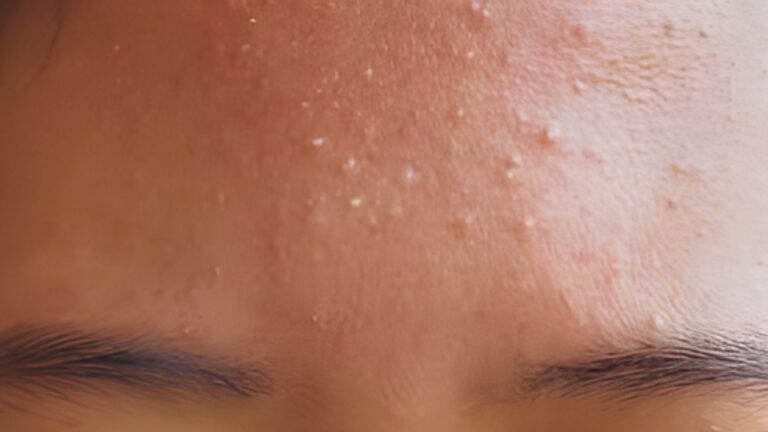
What is skin purging? It’s when your skin gets worse before it gets better after starting active ingredients.
Common ingredients that cause purging Retinoids like retinol, tretinoin, and adapalene, Accutane (isotretinoin), salicylic acid, benzoyl peroxide (PanOxyl), and AHAs like glycolic acid and lactic acid.
Purging only happens with products that increase cell turnover. Regular moisturizers won’t cause it.
How Long Does Purging Last?
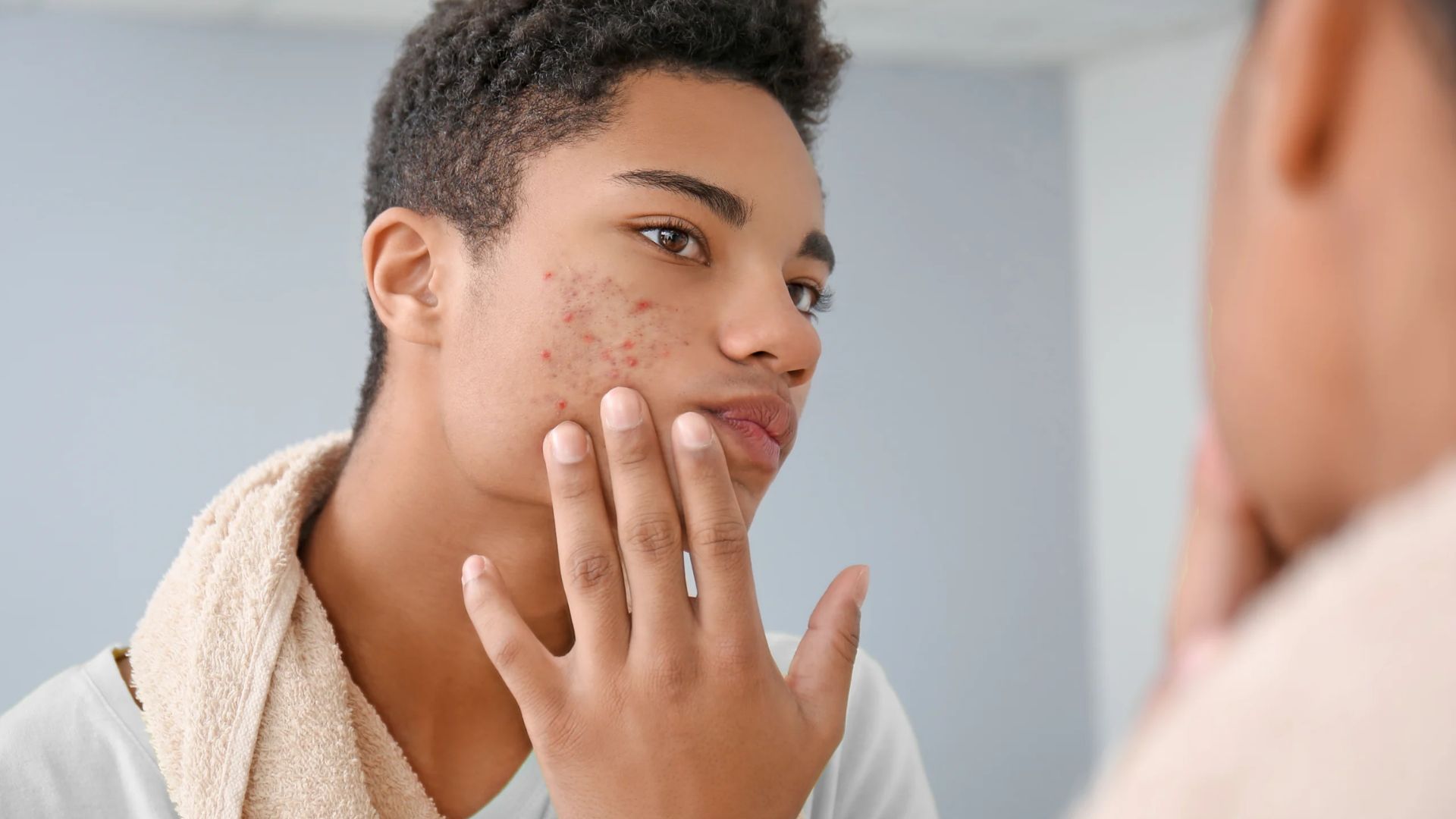
Most people see purging for 2 to 6 weeks. This is the typical range.
Your skin has a natural cycle of 28 to 40 days for new cells to reach the surface. Purging follows this cycle. Some people experience it for up to 8 weeks with stronger activities or sensitive skin.
When does it stop being purged? If breakouts continue past 8 weeks, something else is going on. You might be having a reaction or using the wrong product.
The timeline depends on the active ingredient you’re using, how strong it is, how often you apply it, and your skin type.
How Long Does Purging Last With Tretinoin?
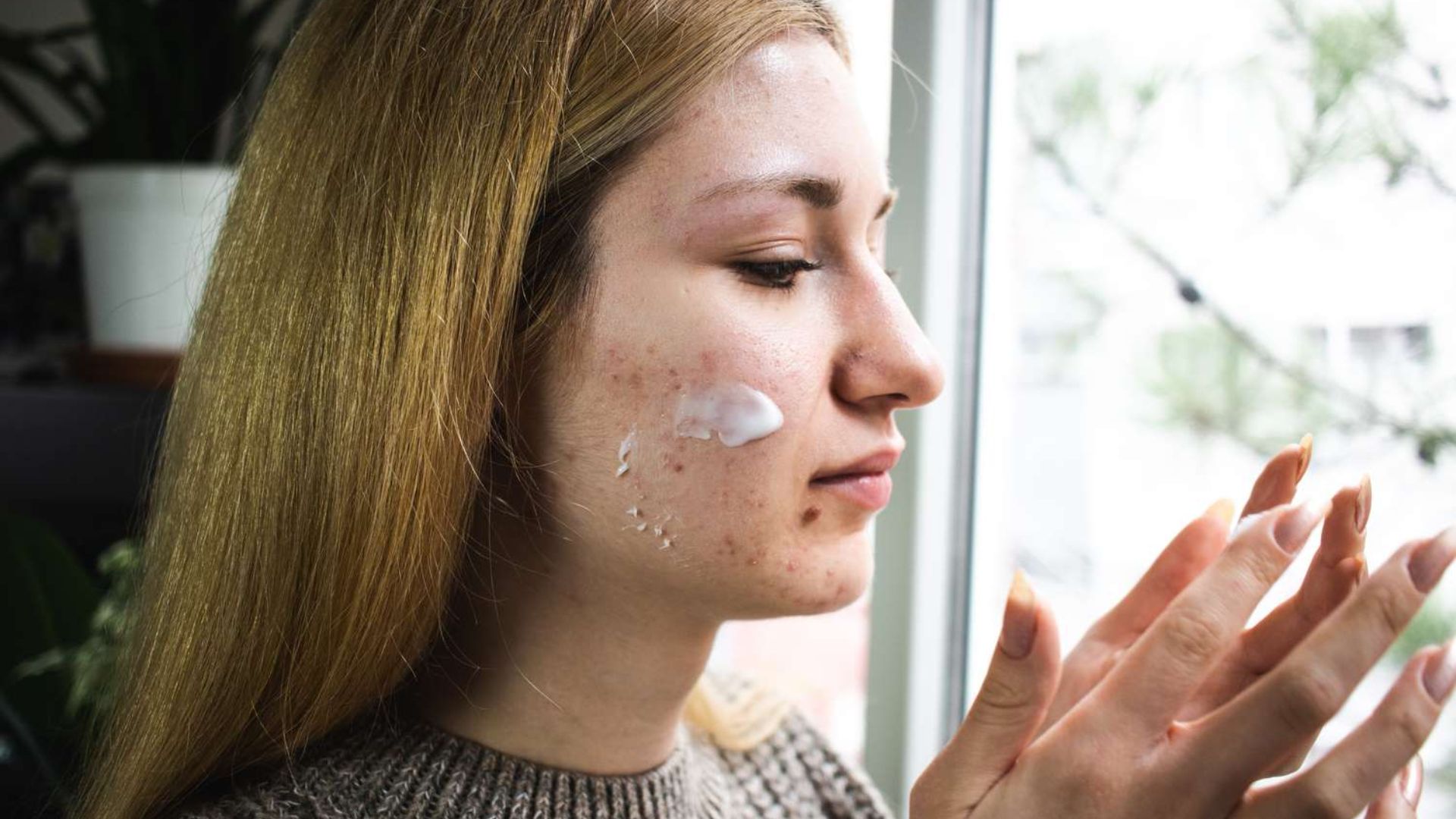
Tretinoin purging typically lasts 4 to 8 weeks. This is the average adjustment period.
Tretinoin is a prescription-strength retinoid. It’s more powerful than over-the-counter options, so the purging phase can be intense.
Factors that affect duration The strength matters. Higher concentrations (0.1%) may cause longer purging than lower ones (0.025%). How often you use it plays a role too.
Starting every other night gives your skin time to adjust. Your skin type also makes a difference. Oily skin might purge faster while dry or sensitive skin might take longer.
Most people see improvement after week 6. Be patient. The results are worth the wait.
How Long Does Purging Last With Retinol and Adapalene?
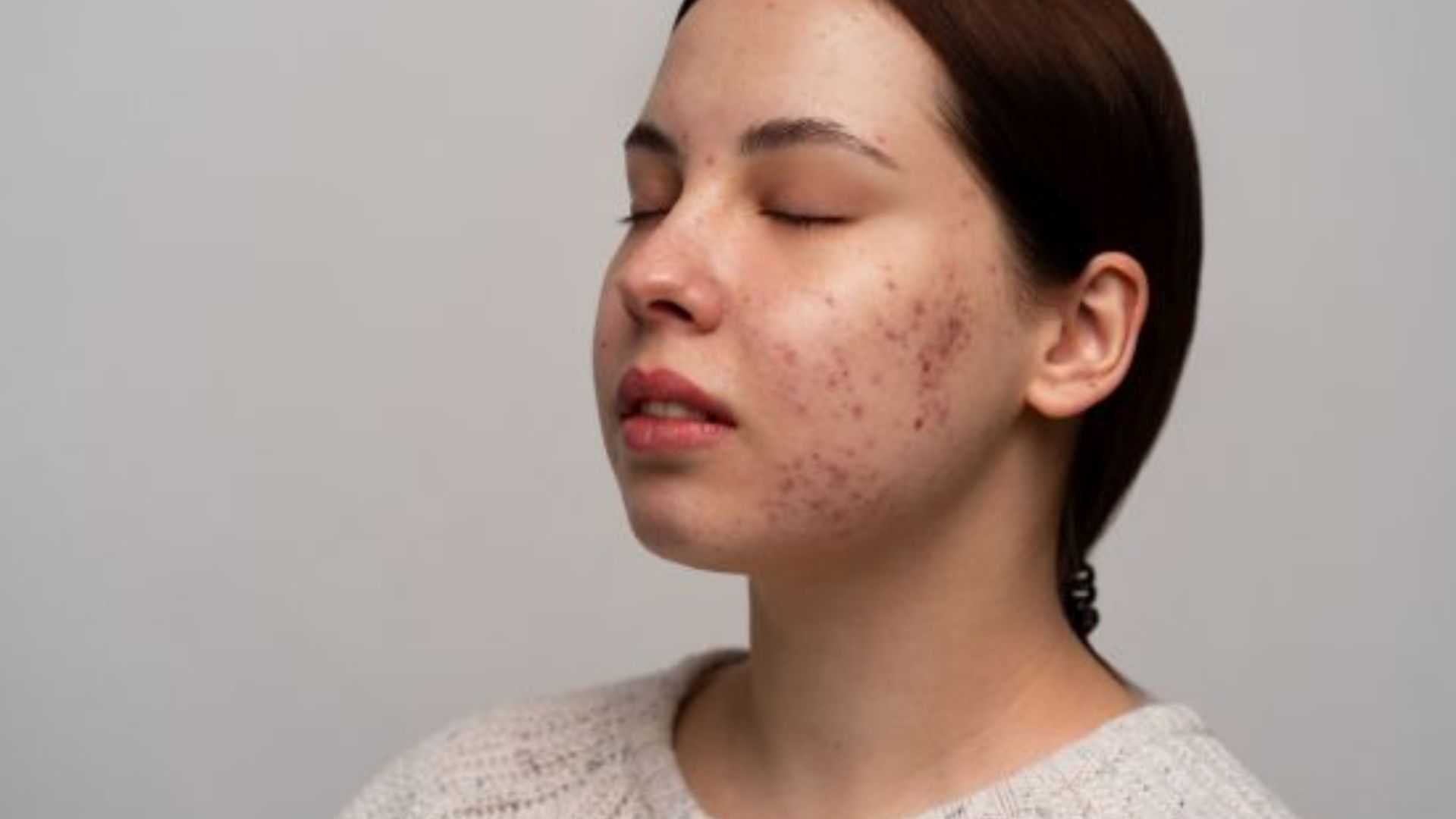
Over-the-counter retinoids cause milder, shorter purging than prescription options.
Retinol
Retinol purging usually lasts 2 to 6 weeks. It’s gentler than prescription retinoids and available over the counter. The purging is often milder and shorter, making it a good starting point for beginners.
Adapalene
Adapalene purging takes about 4 to 8 weeks. Adapalene (Differin) is stronger than retinol but gentler than tretinoin. You can buy it without a prescription now. It sits between retinol and tretinoin in strength.
Over-the-counter products cause shorter, milder purging. Prescription strength works faster but may purge longer. Start slow with any retinoid. Your skin needs time to build tolerance.
How Long Does Purging Last With Accutane?

Accutane purging typically lasts 4 to 8 weeks. This initial flare is common.
Isotretinoin (Accutane) works differently than topical treatments. It shrinks oil glands from the inside out, bringing deep acne to the surface fast. The purge can feel intense. Some people see their worst breakouts during weeks 2 to 4.
Why does isotretinoin cause temporary worsening? The medication is clearing out years of built-up congestion. Everything has to come out.
After the initial flare, things improve dramatically. Most people see major clearing by month 3. Stay in close contact with your dermatologist. They can adjust your dose if needed.
How Long Does Purging Last With Salicylic Acid and PanOxyl?
Both typically cause purging for 2 to 4 weeks, shorter than retinoid purging.
Salicylic Acid
Salicylic acid purging commonly lasts 2 to 4 weeks. It’s a beta hydroxy acid (BHA) that gets deep into pores and clears them out. The purging happens as those clogs surface.
PanOxyl
PanOxyl purging follows a similar timeline of 2 to 4 weeks. It contains benzoyl peroxide, which kills acne bacteria and helps unclog pores. Like salicylic acid, it works fast.
Purging vs irritation
Purging brings up existing clogs in your usual problem areas. Irritation creates new redness, burning, stinging, or excessive peeling. If your skin feels irritated, scale back your use. If you’re getting pimples where you normally break out, that’s likely purging. Stick with it.
How to Tell If It’s Purging or a Breakout?
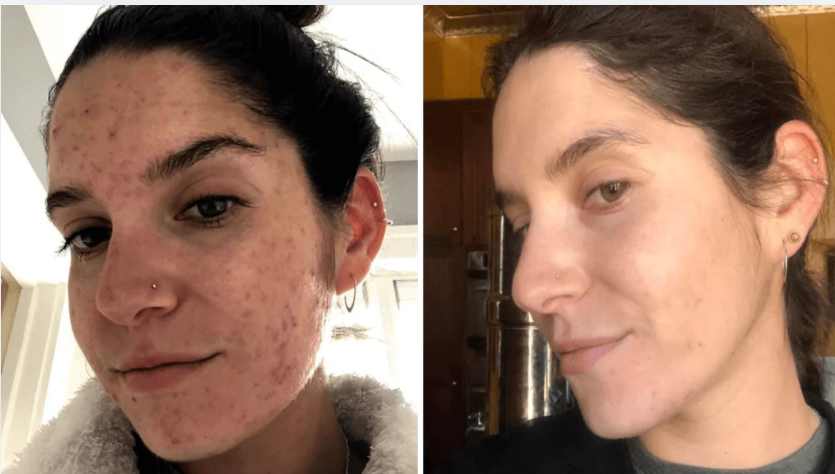
Location matters. Purging happens where you normally break out. New breakouts in unusual spots suggest a reaction.
Type of blemishes. Purging brings up whiteheads, blackheads, and small pimples. Large, painful cystic acne isn’t typical purging.
Duration beyond 6 to 8 weeks. Real purging improves after this timeframe. Ongoing breakouts mean something else is wrong.
Signs of irritation or allergic reaction. Extremely red and hot skin, hives or rashes, excessive peeling or rawness, or non-stop itching and burning. These are bad reactions, not purging. Stop the product immediately.
Trust your instincts. If something feels wrong, it probably is.
Tips to Manage Skin Purging Safely
Here are five ways to support your skin through the purging process.
- Start activities gradually. Use your new product 2 to 3 times per week at first and build up slowly.
- Keep your routine simple. Stick to cleanser, treatment, moisturizer, and sunscreen. Don’t add multiple new products.
- Support your skin barrier. Use a moisturizer with ceramides or hyaluronic acid. Avoid over-exfoliation and skip physical scrubs.
- Use daily SPF. Apply SPF 30 or higher every morning. Purging-causing actives make your skin sun-sensitive.
- See a dermatologist if purging lasts longer than 8 weeks, you develop severe cystic acne, or you’re unsure if it’s purging or a reaction.
Conclusion
Purging is tough, but it’s temporary. I know it’s hard to see your skin get worse when you’re trying to make it better.
But here’s what I’ve learned from my own experience: patience pays off.
Most purging clears up within 2 to 6 weeks, and what comes after is worth it. Stick with your routine, be gentle with your skin, and give it time. If you’re worried or things aren’t improving after 8 weeks, talk to a dermatologist. They can help adjust your approach.
Your clearer skin is coming. Trust the process. Have questions? Drop them in the comments below!
Frequently Asked Questions
Is skin purging a good sign?
Yes, purging means the active ingredient is working. It’s speeding up cell turnover and bringing clogs to the surface. This temporary phase leads to clearer skin.
Can moisturizer cause purging?
No, regular moisturizers don’t cause purging. Only products that increase cell turnover trigger it. If you’re breaking out from moisturizer, it’s clogging your pores or causing irritation.
Should I stop using a product if I’m purging?
No, keep using it unless you see signs of irritation. Purging is normal and temporary. Stopping too soon means you won’t get the benefits.
Does purging leave scars?
Purging itself doesn’t cause scars. But picking at purge breakouts can lead to scarring. Keep your hands off your face and let pimples heal naturally.
How can I speed up the purging process?
You can’t really speed it up. Your skin needs time to complete its cycle. What you can do is support the process with gentle care, good hydration, and sun protection.