Partial vs Full Balayage: Key Differences & How to Choose

Not sure which hair color method will suit you better?
If you are confused about partial vs full balayage, you are not alone. Many people struggle to choose the right option for their hair.
In this guide, you will learn how each method works, how they look, and which one fits your routine.
From coverage to upkeep, every detail matters. Based on years of seeing different hair types and results, I will help you understand what works best.
By the end, you will feel clear and ready to make the right choice for your next salon visit.
What Is Balayage?
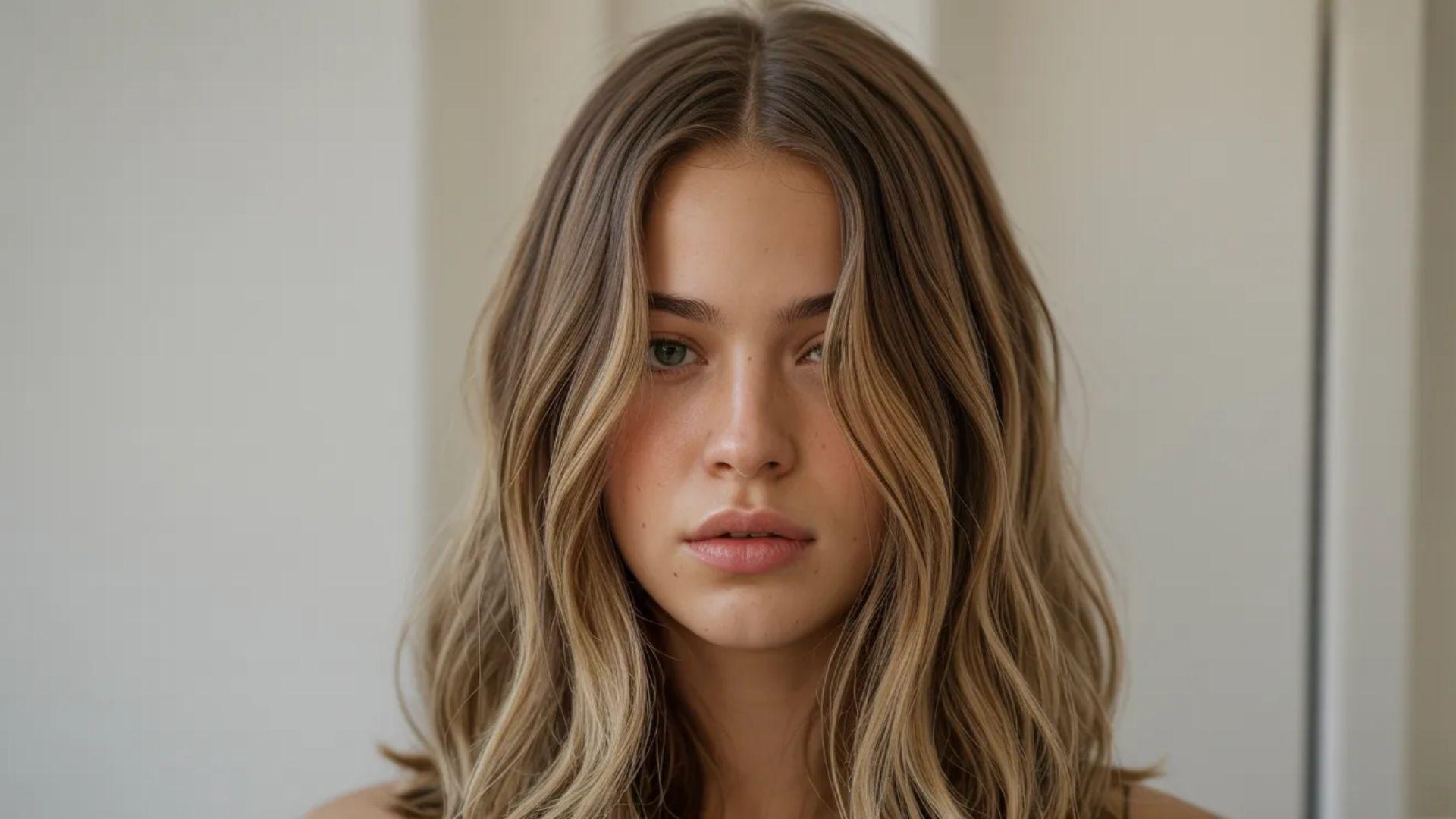
Balayage is a hair coloring method where color is painted onto the hair by hand instead of using foils. This technique gives a soft, natural look, like hair lightened by the sun.
The color is placed in a way that blends smoothly from darker roots to lighter ends, without harsh lines.
One of the main reasons people choose balayage is that it grows out gently, so it does not need frequent touch-ups.
The result looks smooth and well-blended compared to regular highlights.
Both partial and full balayage create this soft effect, but they differ in how much of the hair is covered and how bold the final look appears.
Partial vs. Full Balayage: Techniques & Process
Both methods use hand-painting, but differ in how hair is sectioned and colored. Knowing the process helps you understand the time, effort, and final result.
Partial Balayage
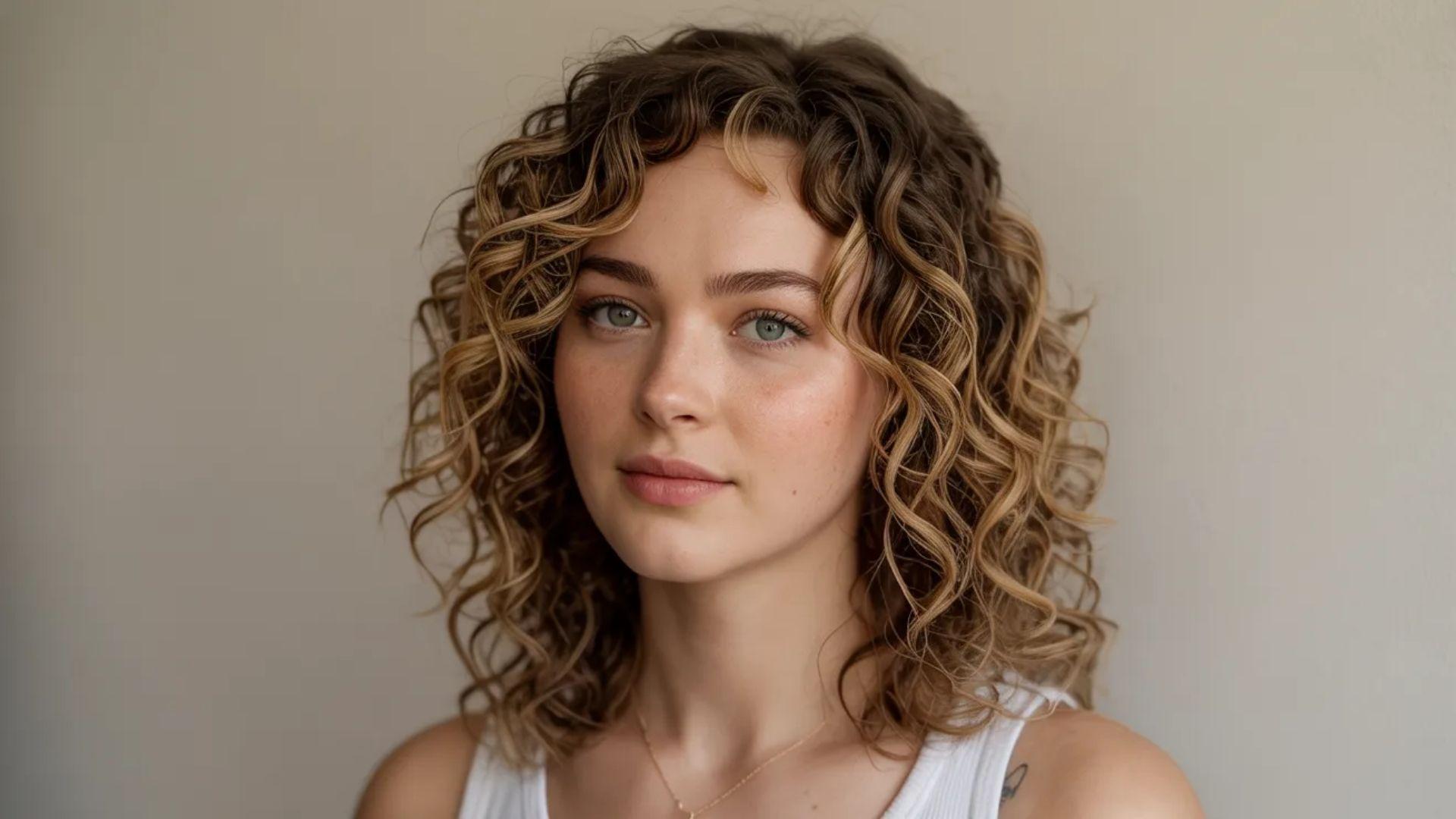
Partial balayage focuses on the top layers and strands around the face, where light naturally hits.
The stylist paints lighter pieces by hand to create soft contrast. Since fewer sections are colored, the process takes less time and gives a subtle, fresh finish.
Full Balayage
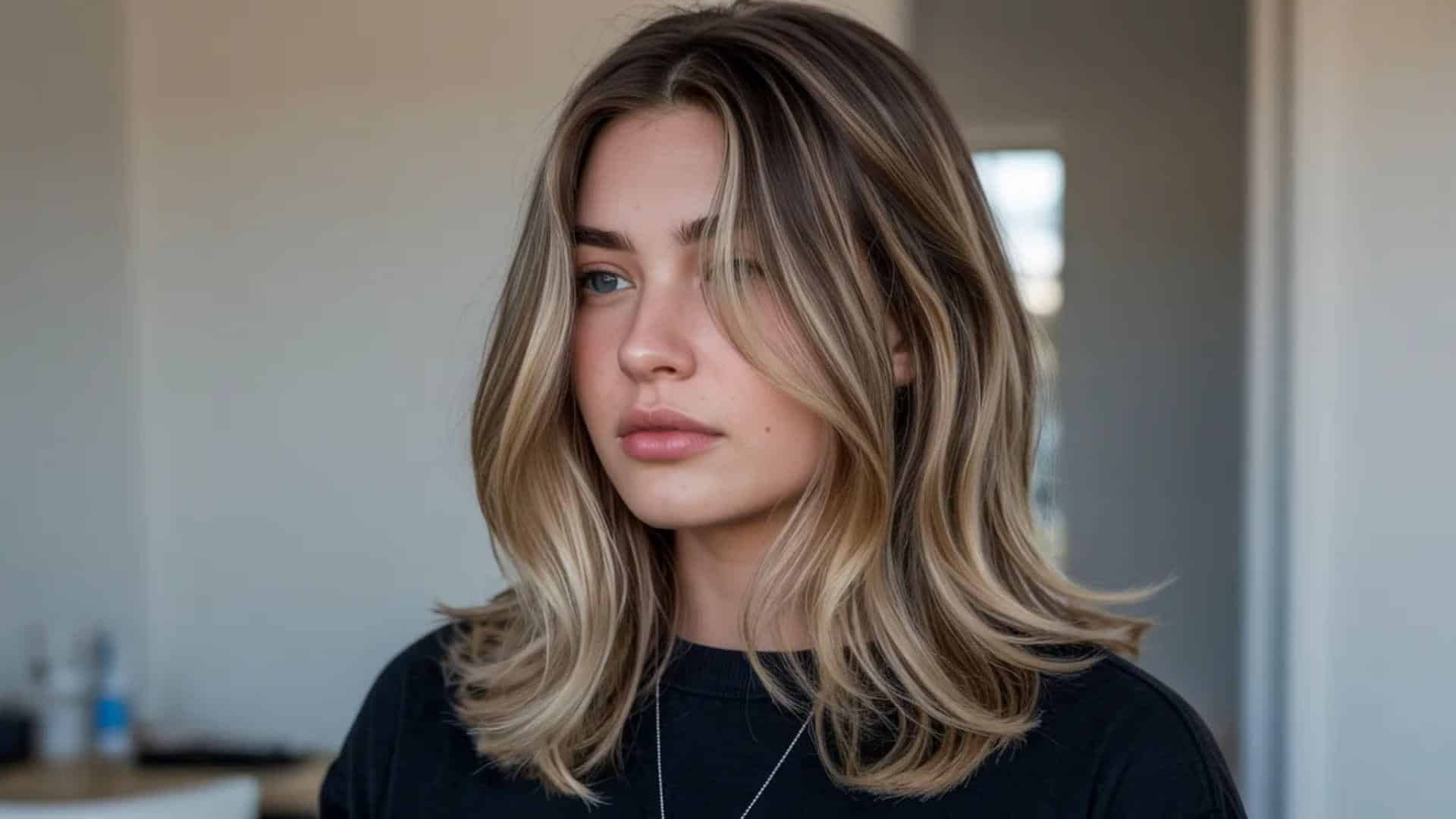
Full balayage covers the entire head, including inner and lower layers, for an even color flow. The stylist works through all sections to blend shades from roots to ends.
This method takes more time but creates a fuller, more noticeable change with consistent brightness throughout.
Choose partial for fine or short hair and a softer change. Full works better for thick or long hair with more depth.
Partial vs. Full Balayage: Outcomes & Visual Differences
The final look depends on how much of the hair is colored and where the color is placed. These changes affect brightness, depth, and how the hair looks in light.
Partial Balayage
Partial balayage gives a soft and natural finish, with lightness focused on the top and front sections.
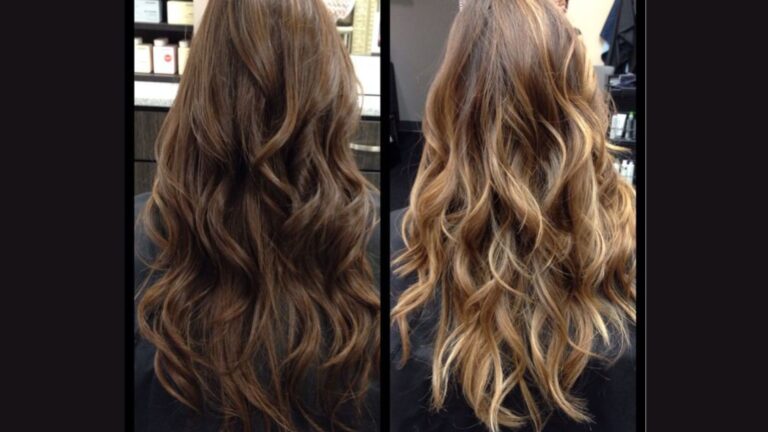
The contrast stays low, so the hair looks smooth with gentle depth. Light reflects mainly on the outer layers, and before-and-after results show a subtle change around the face.
Full Balayage
Full balayage creates a brighter and more even result across the entire head. The added coverage builds stronger contrast and deeper dimension through all layers.
Light reflects from every section, and before-and-after results clearly show a fuller, more balanced color from all angles.
Suitability for Different Hair Types
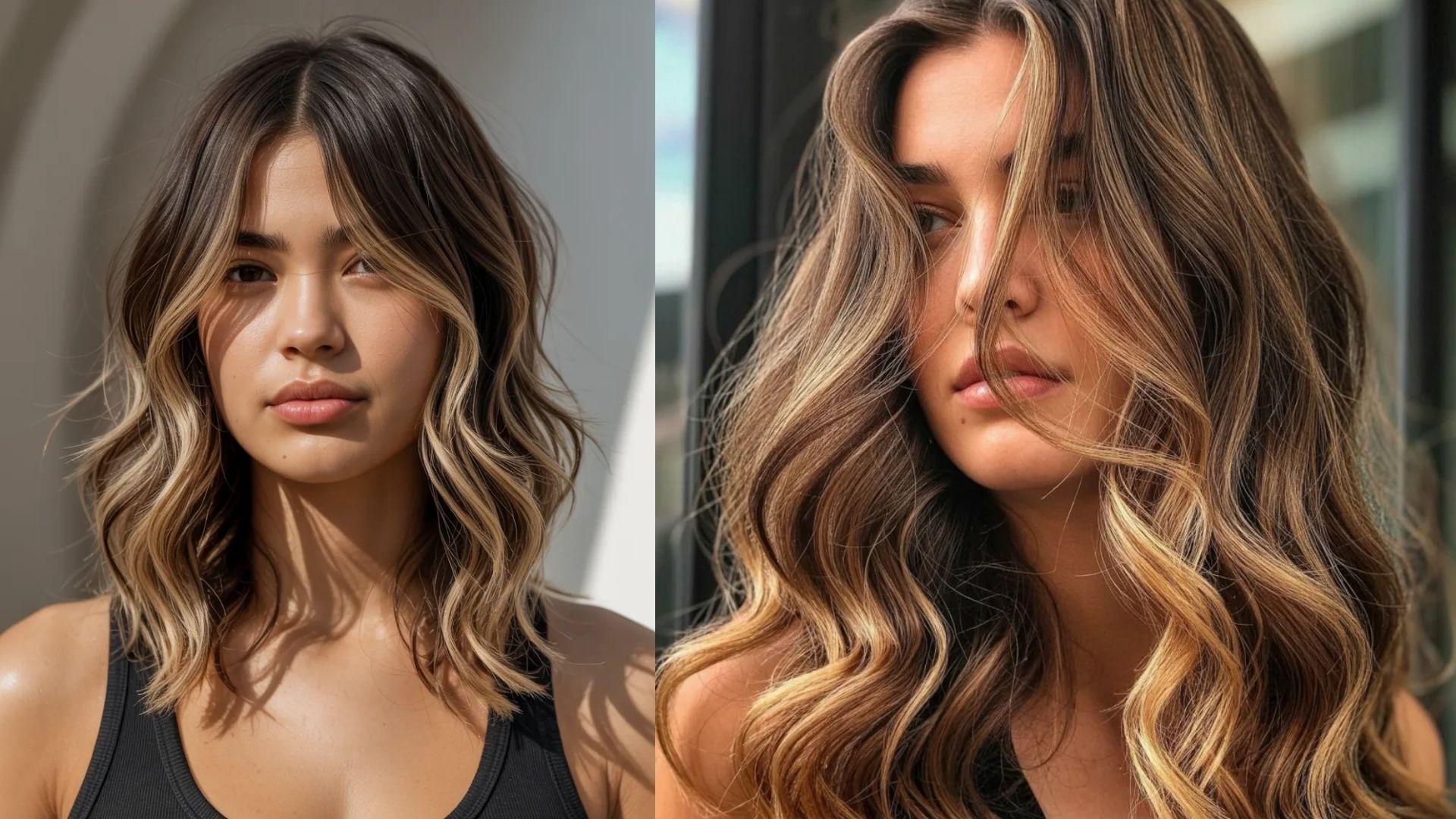
Hair type affects how balayage looks and how easy it is to maintain. Choosing the right option helps the color blend better and last longer.
Straight Hair: Partial balayage looks soft on the surface, while full balayage gives more depth and even color across all layers.
Wavy or Curly Hair: Partial highlights top curls, while full balayage adds color through all layers, making curls look more defined and fuller.
Fine vs Thick Hair: Fine hair suits a partial for a lighter look. Thick hair works better with full balayage for added depth and balance.
Hair Length Considerations: Short hair fits partial, medium suits both, and long hair works best with full for a smooth blend.
Picking the right type based on your hair helps you get a balanced and natural-looking result.
Partial vs. Full Balayage: Key Differences
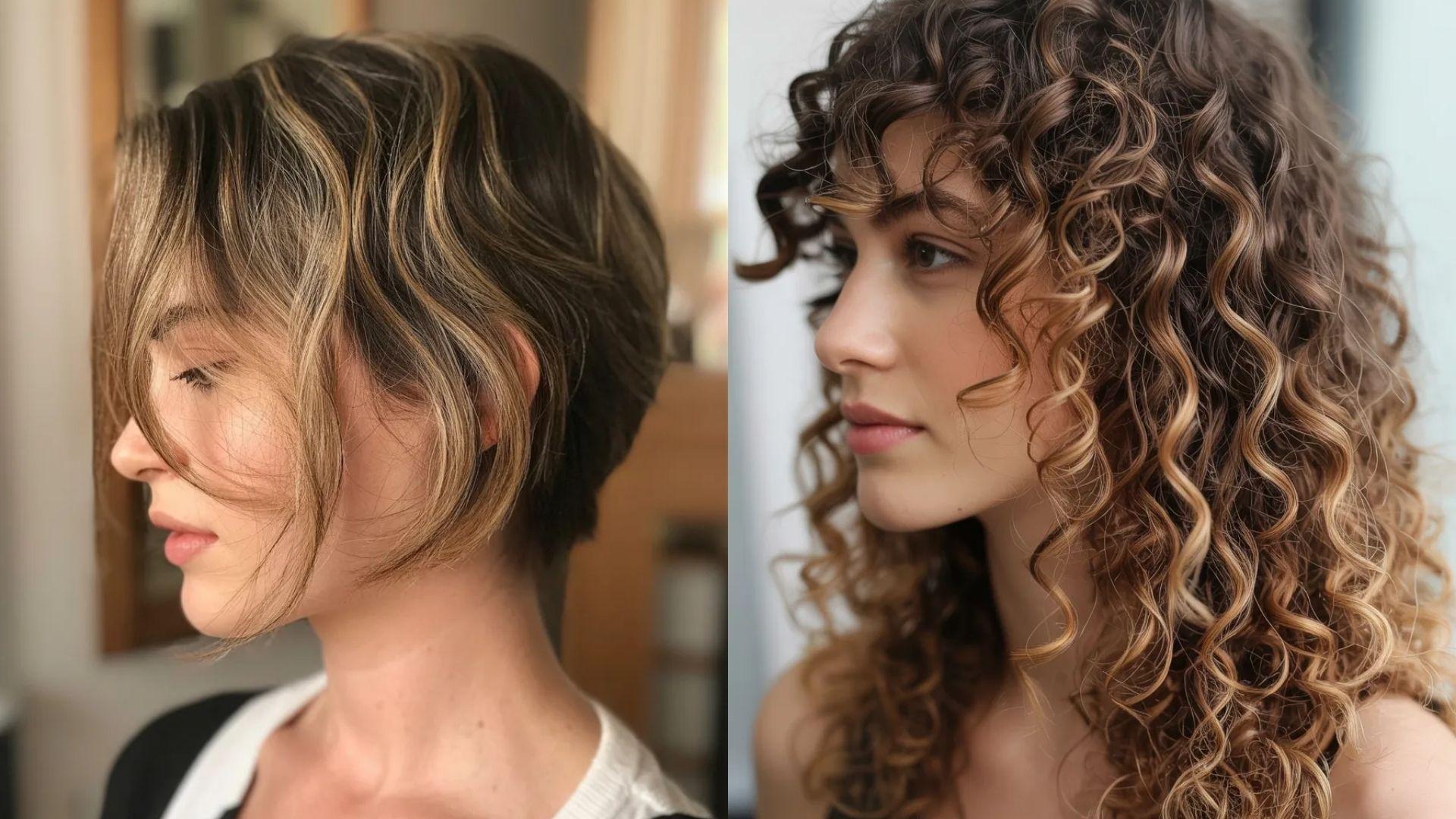
These two methods may look similar at first, but they differ in coverage, time, and upkeep. Understanding these points makes it easier to choose what fits your needs.
Coverage Comparison
Partial balayage focuses on the top and front sections, mainly around the face, so only visible areas are lightened. The result looks soft with limited color spread and keeps most of the natural base intact.
Full balayage covers the entire head, including inner and lower layers, so color is placed throughout the hair. This creates a more even look with consistent brightness from top to ends.
Best for
Partial balayage suits those who want a light change without adding too much color, especially for first-time color users. It works well if you prefer a simple look with less upkeep.
Full balayage is better for those who want a more noticeable and even result across all sections. It suits people ready for a fuller color effect with more visible depth.
Maintenance
Partial balayage needs fewer touch-ups since less hair is colored, and the grow-out looks soft. It is easier to maintain over time without frequent salon visits.
Full balayage may need more care to keep the color fresh and even across all layers. Regular toning or refreshing helps maintain the overall look.
Cost and Time
Partial balayage takes less time as only a few sections are worked on, which also keeps the cost lower. It is a quicker option for those with a tight schedule.
Full balayage takes longer due to full coverage, which increases both time and cost. More product and effort are needed to achieve an even result.
Partial Balayage vs. Full Balayage: Quick Comparison Table
This table gives a clear side-by-side view to help you compare both options quickly. It covers key points that matter when choosing between the two.
| Feature | Partial Balayage | Full Balayage |
|---|---|---|
| Coverage | Front and top layers only | Entire head |
| Maintenance | Lower upkeep | Moderate to high upkeep |
| Look | Soft, face-framing effect | More even, blended result |
| Best For | First-time color or light change | More noticeable overall change |
This quick comparison helps you see which option fits your needs and routine better.
How to Decide Which Balayage Is Right for You
Choosing between the two depends on your hair type, daily routine, and the look you want. A few simple factors can help you make the right choice.
Factors to Consider
A few key points can help you choose the option that fits your hair and routine.
Hair length and thickness: Short or fine hair often suits partial balayage for a lighter effect. Long or thick hair can handle full balayage better, as it adds depth across all layers.
Natural color and existing highlights: If your hair already has some highlights, partial balayage can blend them well. For a more even color from roots to ends, full balayage works better.
Desired level of brightness and contrast: Go for partial if you want a soft and low-contrast look. Choose full if you prefer a brighter and more noticeable result.
Lifestyle and maintenance preferences: Partial balayage is easier to manage with fewer touch-ups. Full balayage may need more care and regular salon visits to keep the color even.
Decision Guide
If you want a soft change with less upkeep and quicker salon time, partial balayage is a good choice. It works well for a simple, natural look without too much color.
If you prefer more brightness with full coverage and a stronger result, full balayage is the better option. It suits those who are fine with more time and care to maintain an even color.
Tips for Maintaining Your Balayage
Keep your hair care routine simple to help the color last longer. Small steps can make a big difference in how your hair looks over time.
- Use sulfate-free shampoos to help protect the color
- Plan touch-ups based on whether you have partial or full coverage
- Keep hair moisturized to prevent dryness and fading
- Limit heat styling to avoid dullness and damage
- Use a color-safe conditioner to maintain smoothness and shine
Consistent care helps your balayage stay fresh and even for longer.
Final Thoughts
From experience, choosing between partial vs full balayage depends on your hair type and daily routine.
A soft finish or a fuller result both work well when matched to your needs. Think about how much color you want and how often you can maintain it.
With the right choice and simple care, your hair can look smooth, fresh, and balanced without extra effort over time.
Pick your style with confidence and keep your hair care simple. Use this guide before your next salon visit for better results!
Frequently Asked Questions
Can Balayage Be Done On Very Dark Hair?
Yes, it can be done, but it may take more than one session to get lighter results.
Does Balayage Damage Hair More Than Highlights?
It can be less damaging than highlights, but it depends on how much the hair is lightened.
How Long Does A Balayage Appointment Take?
It usually takes around 2 to 5 hours, depending on hair length and coverage.
Can You Tie Your Hair After Getting Balayage?
It is best to avoid tight styles for a day or two so the color can settle well.
Will Balayage Work On Previously Colored Hair?
Yes, it works on colored hair, and a stylist can blend new shades with the old color.