Common Hair Care Mistakes That Cause Dryness and Breakage


Dryness and breakage usually start when the outer cuticle layer becomes rough, lifted, or worn down. The cuticle protects the inner fiber, so repeated heat, friction, strong cleansers, chemical services, and mineral buildup leave locks feeling dull, brittle, and harder to detangle.
A polished look matters in many social settings, including online dating spaces with Brazilian brides for marriage and serious dating, yet hair strength comes from everyday habits such as gentle washing, lower heat, and careful detangling. The most useful routine depends on texture, scalp needs, product ingredients, and styling habits rather than broad beauty trends.
Mistakes That Weaken the Locks
Most damage comes from repeated small choices rather than one bad wash day. A routine that combines overwashing, hot tools, rough towels, tight styles, and poor product balance creates stress along the shaft.
Washing Too Often
Overwashing strips away oils that help keep the hair shaft flexible. Hair needs cleansing when sweat, sebum, styling products, or pollution collect on the scalp, but daily shampooing with a strong cleanser leaves many lengths dry before the next wash. Fine hair, oily scalps, textured hair, and color-treated hair all respond differently.
A wash routine becomes easier to adjust when the warning signs are specific:
- Ends feel rough within a few hours of drying.
- Color fades faster after repeated washes.
- The scalp feels tight while the roots still become oily.
These signs point to a mismatch between cleansing strength and hair needs. The answer is choosing a milder routine that cleans the scalp without making the oldest parts of the strand feel stripped.
Heat Styling Too Hot
Heat styling damages locks when high temperatures are repeated without enough protection or spacing between sessions. Flat irons, curling wands, blow dryers, and hot brushes affect water inside the fiber and stress the cuticle. Many tools reach 400°F or higher, which is more heat than fragile, bleached, or already dry hair handles well.
Temperature control matters more than speed. Lower settings, full drying before flat ironing, heat protectant, and fewer passes reduce direct stress. Wet-to-dry straightening is especially harsh because damp hair is more vulnerable, and trapped water turns into steam inside the fiber.
Towel Friction
Rubbing wet hair with a cotton towel creates friction while strands are swollen and easier to stretch. The result is frizz, broken ends, and rougher texture near the surface. Hair is most vulnerable right after washing, especially when it has been bleached, relaxed, highlighted, or colored.
A better drying method removes water without scraping the cuticle. Pressing with a microfiber towel or soft cotton T-shirt reduces surface abrasion. Loose wrapping also keeps wet hair from being twisted tightly at the crown, where tension and weight create extra strain.
Brushing Wet Hair Roughly
Wet brushing breaks hair when tangles are pulled from the root downward with force. The strand stretches, the knot tightens, and the weak point snaps. Straight and wavy hair often does better after partial drying, while tightly curled and textured hair is commonly easier to detangle wet with conditioner and a wide-tooth comb.
Detangling works best when the method matches the hair structure:
- Wide-tooth combs reduce tension on knots.
- Slip from conditioner lowers friction during detangling.
- Sectioning thick hair prevents one large pull from the scalp.
- Starting at the ends keeps knots from stacking lower.
- Soft elastics reduce stress after detangling is finished.
Ignoring Product Balance
Locks need both moisture and strength, but too much of one side creates problems. Moisturizing products help flexibility and softness, while protein products support structure in damaged hair. Too much protein leaves strands stiff and snappy, while too little conditioning leaves them limp, rough, or frizzy.
Hard water adds another layer because calcium and magnesium minerals build up on the hair surface. This buildup makes shampoos lather poorly, dulls shine, and makes conditioner feel less effective. A periodic clarifying wash or chelating product helps when mineral residue, product film, or dry shampoo buildup blocks normal conditioning.
Skipping Split-End Control
Split ends do not seal permanently with oil, masks, or leave-in products. Products smooth the feel of the strand, but a split keeps spreading when friction and heat continue. Regular trims remove damaged ends before they create more breakage along the same fiber.
Protective styling also matters when hair rubs against scarves, collars, pillows, and tight accessories. Loose braids, low-tension buns, satin pillowcases, and covered ends reduce mechanical wear. Healthy-looking length comes from keeping the oldest hair protected, not only from adding more product after damage appears.
Better Habits Over Time
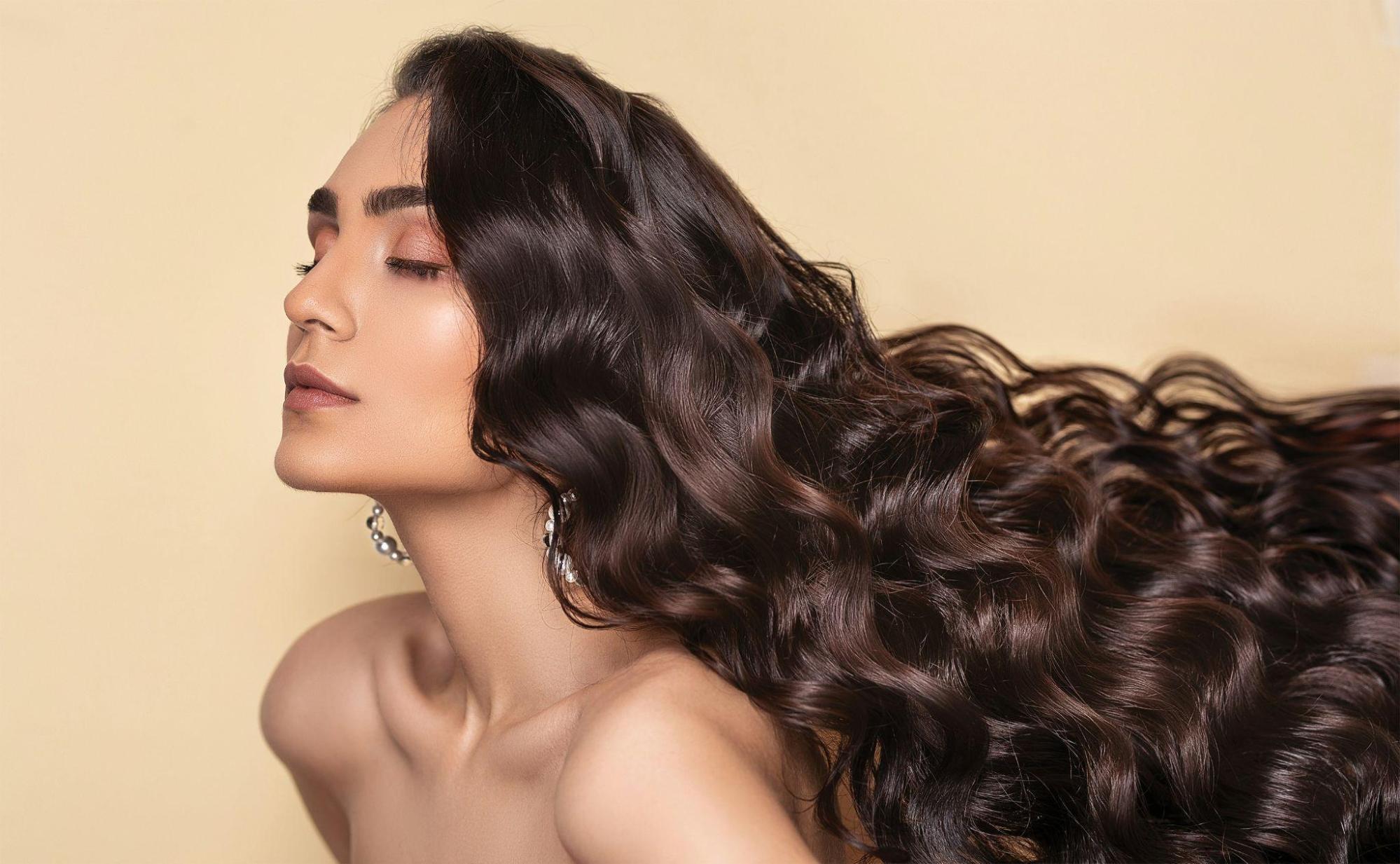
Dryness and breakage improve when the routine reduces repeated stress. Gentler washing, lower heat, careful drying, patient detangling, balanced conditioning, mineral-buildup control, and regular trims all protect the cuticle over time.
A strong routine does not need many products. It needs a clear match between hair texture, scalp condition, styling habits, and damage level. The best results come from noticing which daily actions leave the locks smoother and less prone to snapping.