Healthy Hair from Within: How Diet and Scalp Health Are Connected

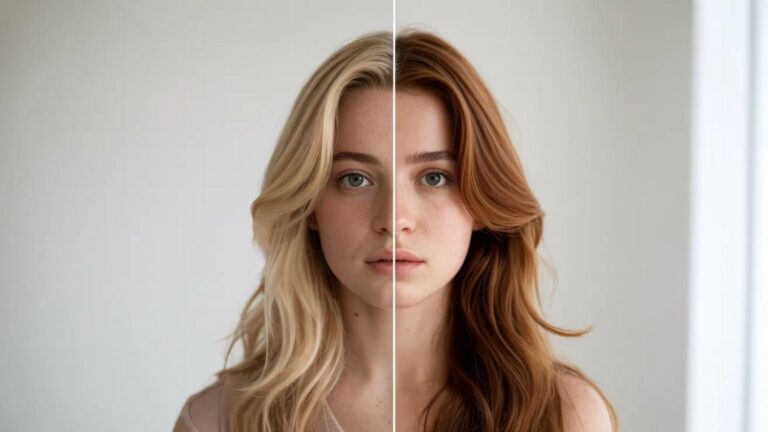
Most conversations about healthy hair revolve around serums, masks, and oils. However, strong, resilient hair doesn’t begin on the outside, it starts from within! This is because our hair is one of the fastest growing tissues in the body and is only second to bone marrow.
Hair follicles are also highly sensitive and absorb both nutrients and toxins, which affect everything from hair texture to growth rate. This is why people with internal health issues such as thyroid function, iron deficiency, or chronic stress often have very thin hair that is prone to breakage.
On the flip side, this also means that if you nourish your body with the right foods, your hair will be stronger and have a natural shine. In this guide, we’ll explore how diet affects scalp health and how you can get healthy hair from within.
Why Nutrition Matters More Than You Think
Hair reflects overall health because every strand of hair acts as a “biological archive”.
Each strand grows from a follicle deep in the scalp, and that follicle needs a steady supply of protein, healthy fats, vitamins, and minerals to function well. If your diet lacks any of these essentials, your hair can become weak and dull and will break easily
At its core, healthy hair growth depends on:
Protein
The main component of hair is keratin, which is a type of protein. When your diet does not contain sufficient protein, your hair becomes weaker and more brittle.
Healthy Fats
Healthy fats, particularly omega-3 and omega-6 fatty acids play a key role in scalp and hair health. These fats hydrate the scalp, reduce inflammation and nourish the hair follicles to support healthy hair growth.
Vitamins and minerals
B vitamins improve keratin production and improve scalp circulation while vitamin A promotes sebum production for a hydrated and healthy scalp. Minerals also play an important role, as iron is crucial for transporting oxygen to hair follicles while selenium protects follicles from damage.
The Link between Poor Diet and Common Scalp Conditions
Scalp health is closely tied to diet, and persistent or recurring scalp conditions are often influenced by dietary deficiencies or inflammatory food triggers.
Conditions like scalp eczema and excessive shedding are associated with impaired skin barrier function and inflammation. This in turn, is often caused by deficiencies in essential fatty acids, zinc, and vitamin D that weaken the skin barrier.
Similarly, unhealthy diets that are high in refined sugars and unhealthy fats, especially processed foods, are linked to systemic inflammation. This can lead to conditions like dandruff and seborrheic dermatitis.
Even minor but common scalp problems, such as a dry and itchy scalp is likely to be caused by nutritional deficiencies, most commonly a deficiency in omega-3 fatty acids.
Building Better Hair from the Inside Out
Shampoos and medicated treatments address scalp surface symptoms but understanding the role of nutrition in hair health will help you get hair that has a healthy shine. The main nutrients needed for healthy hair are protein, healthy fats, and several vitamins and minerals, including B vitamins, iron and zinc.
Foods That Feed Your Follicles
Protein:
Protein should form the foundation of a hair-supportive diet, as keratin, the structural component of hair, is made from it.
Eggs are an excellent choice, offering both high-quality protein and biotin. Greek yogurt, lentils, chickpeas, tofu, and lean poultry are also reliable options that help maintain strength and reduce brittleness.
For those following plant-based diets, combining legumes, whole grains, nuts, and seeds ensures a broader spectrum of amino acids to support healthy growth.
Healthy Fats:
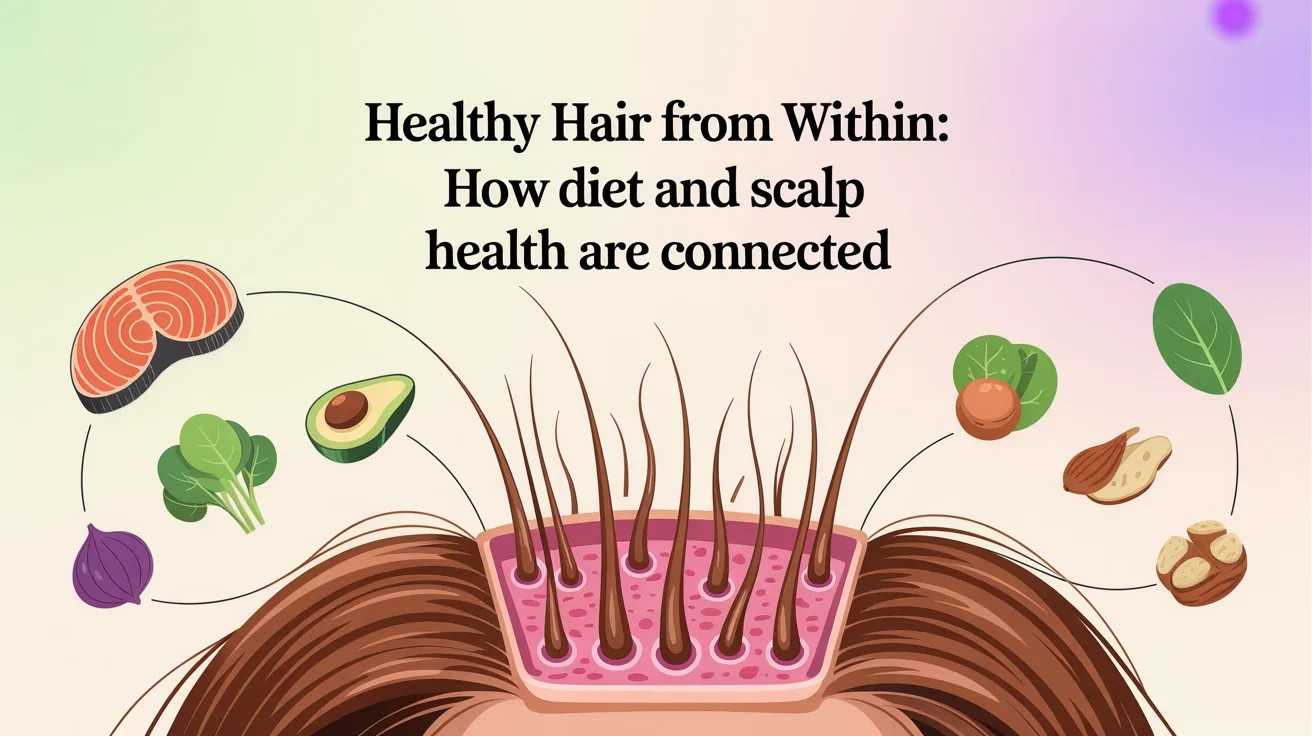
Healthy fats are equally important for maintaining a nourished scalp. Omega-3-rich foods such as salmon, sardines, walnuts, chia seeds, and flaxseeds help reduce inflammation and support hydration at the cellular level.
Avocados and extra virgin olive oil further contribute to maintaining the scalp’s natural moisture barrier.
Vitamins and Minerals:
Iron-rich foods such as spinach, lentils, pumpkin seeds, and moderate portions of red meat help transport oxygen to the follicles, while Brazil nuts and sunflower seeds provide selenium for protection against oxidative damage.
Whole grains and eggs supply B vitamins that aid keratin production and circulation.
Dark leafy greens, sweet potatoes, carrots, and pumpkin provide vitamin A for balanced sebum production.
When your plate is diverse and nutrient-dense, your scalp receives the support it needs, and healthy hair growth becomes a natural outcome rather than a cosmetic pursuit.
Foods That Weaken Hair from Within
Just as the foods mentioned above will nourish your scalp and strengthen your strands, other foods cause hair loss and thinning. A consistently imbalanced diet will also affect your hair growth cycle.
Highly processed foods are among the main culprits. Diets high in refined sugars, white flour, and packaged snacks increase inflammation and disrupt hormonal balance, which weakens follicles and contributes to hair loss.