Lupus Rash vs Rosacea: Key Differences Explained


Facial redness can be hard to figure out on your own.
Is it lupus rash? Is it rosacea? Many people ask the same question, and getting it wrong can delay the right treatment.
This guide breaks down both conditions clearly. We cover symptoms, causes, diagnosis, and treatment so you can stop guessing and start understanding.
I have gone through pages of medical research to bring you the most straightforward comparison possible. That is what makes this guide different.
By the end of this blog, you will know exactly how to tell the two conditions apart, what symptoms to watch for, and when to see a doctor.
Understanding Lupus Rash vs Rosacea

Both lupus rash and rosacea cause facial redness, making them easy to confuse. However, they are very different conditions.
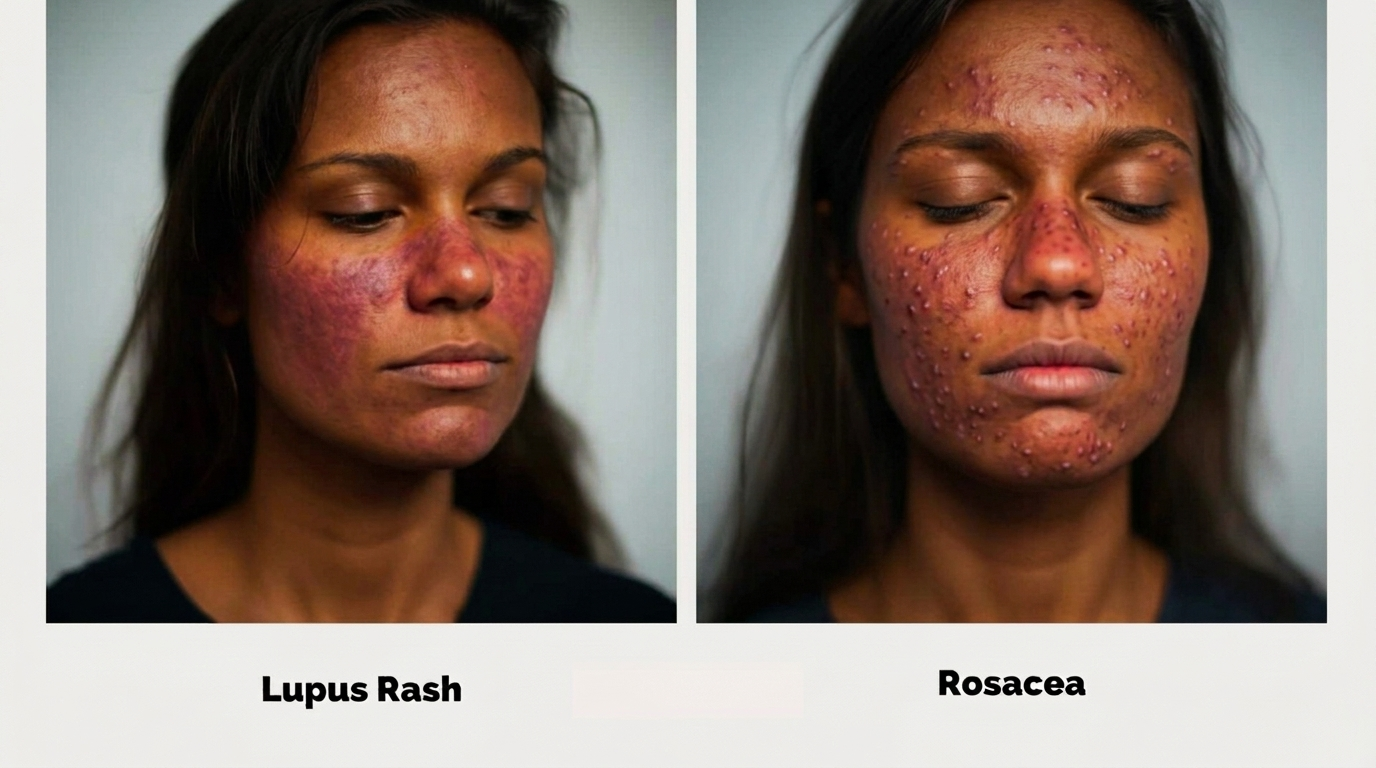
A lupus rash spreads across the cheeks and nose in a butterfly shape. It gets worse with sun exposure and often comes with joint pain and fatigue. It is tied to an autoimmune disease that can affect multiple organs.
Rosacea causes redness, visible blood vessels, and small bumps on the face. It flares up from triggers like spicy food, heat, or stress and stays limited to the skin.
Seeing a doctor is important if facial redness comes with body-wide symptoms like tiredness or joint pain.
What Is Lupus Rash?

Lupus rash is a skin symptom caused by an autoimmune disease. It occurs when the immune system mistakenly attacks the body's own tissues, including the skin.
Lupus Rash in SLE (Systemic Lupus Erythematosus)
SLE is the most common and serious form of lupus. It affects multiple organs like the skin, kidneys, heart, and joints.
The rash is one of the most visible signs and often appears during flare-ups. Not everyone with SLE develops a rash, but it is seen in a large number of people with this condition.
Butterfly (Malar) Rash Appearance on the Face
The malar rash spreads across both cheeks and over the nose in a butterfly shape. It appears flat or slightly raised and looks red or pink.
It usually does not affect the nasolabial folds. Sun exposure can make it worse.
Discoid Lupus vs Facial Lupus Rash
Discoid lupus causes round, thick, scaly patches that can scar the skin over time. These mostly appear on the face, scalp, and ears.
The SLE facial rash is flatter and rarely causes permanent scarring. Discoid lupus also does not come with internal organ symptoms.
Early Stage Lupus Rash Signs
Early lupus rash often looks like a mild sunburn on the cheeks and nose. The skin may feel warm or sensitive.
Some people notice mild puffiness. The rash comes and goes, which makes it easy to overlook at first.
What Is Rosacea?

Rosacea is a long-term skin condition that causes facial redness, visible blood vessels, and sometimes bumps. Unlike lupus, it is not a systemic autoimmune disease, though inflammation does play a role.
Early Stage Rosacea Symptoms
Early rosacea often looks like frequent blushing or flushing. The redness appears mostly in the center of the face. Skin may feel warm, tight, or sensitive.
These early signs are easy to confuse with just having sensitive skin.
Facial Redness, Flushing, and Visible Blood Vessels
Over time, the redness becomes more constant. Small broken blood vessels called telangiectasia may appear under the skin.
Flushing lasts longer and happens more often. In some men, the nose can thicken and become bumpy, a condition called rhinophyma.
Rosacea Acne-Like Bumps and Flare Patterns
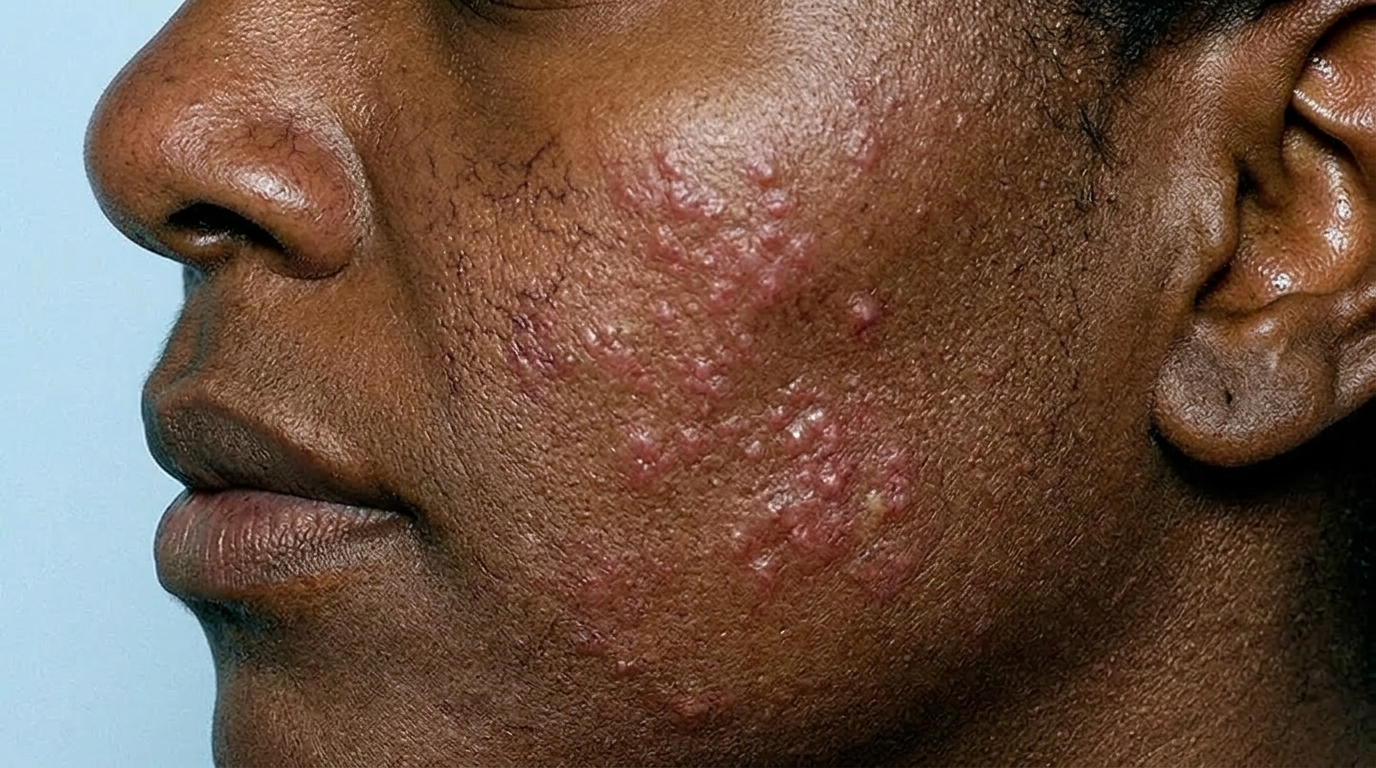
Some people with rosacea develop small red bumps and pus-filled pimples. These look like acne but are not caused by clogged pores and do not have blackheads.
They come and go in waves depending on triggers. Flare-ups can last days or even weeks.
Common Rosacea Triggers
Common triggers include sun exposure, spicy food, hot drinks, alcohol, stress, exercise, and harsh skincare products.
Triggers differ from person to person. Keeping a simple flare diary can help you spot your personal patterns and avoid future flares.
Lupus Rash vs Rosacea: How to Tell the Difference

Both conditions cause facial redness, but the differences become clear once you know what to look for.
| Feature | Lupus Rash | Rosacea |
| Rash pattern | Butterfly shape across nose and cheeks, avoids nasolabial folds | Broad central face redness, can spread to forehead and chin |
| Skin appearance | Flat, smooth redness | Bumps, flushing, visible blood vessels |
| Main trigger | Sun exposure | Food, heat, stress, alcohol, exercise |
| Body symptoms | Fatigue, joint pain, fever, hair loss | Skin only, no internal symptoms |
| Disease type | Systemic autoimmune disease | Skin inflammatory condition |
| Early signs | Looks like a mild sunburn, may come with fatigue | Frequent blushing, skin feels warm or tight |
| Confusion risk | Both look similar early on. Key sign: lupus flares come with body-wide symptoms, rosacea does not |
If your redness comes with joint pain or fatigue, see a doctor to rule out lupus. If it flares after spicy food or stress, rosacea is more likely.
Symptoms of Lupus Rash vs Rosacea

Understanding the full symptom picture helps identify which condition may be present.
Lupus Symptoms Beyond Skin (Fatigue, Joint Pain, Fever)
Lupus affects the whole body, not just the skin. People with SLE often feel extreme fatigue that does not improve with rest.
Joint pain and swelling, especially in the morning, are common. Low-grade fevers, chest pain, headaches, and leg swelling from kidney issues can also occur during flares.
Rosacea Symptoms (Burning, Stinging, Flushing)
Rosacea stays in the skin. The face may burn or sting even without a clear trigger. Flushing can happen suddenly.
Some people also develop eye irritation, known as ocular rosacea. The skin often feels dry, rough, or sensitive to most products.
Overlapping Symptoms That Cause Misdiagnosis
Both conditions cause facial redness, sun sensitivity, and warm skin. This is why they are sometimes mixed up.
Rosacea bumps can also look like a lupus rash at first glance. A proper medical history and blood work are the only reliable ways to tell them apart.
Causes and Risk Factors
The root causes of lupus and rosacea are different, even though both involve inflammation.
Autoimmune Causes of Lupus Rash (SLE)
Lupus occurs when the immune system mistakenly attacks healthy tissue, causing inflammation throughout the body.
Genetics, infections, and hormonal changes can all trigger it in people already at risk. Women of childbearing age are far more likely to develop lupus than men.
Rosacea Causes and Inflammatory Response
The exact cause of rosacea is not fully known. It involves an overactive inflammatory response in the skin, linked to blood vessel abnormalities, skin bacteria, and genetics.
Long-term sun damage may also play a role. Unlike lupus, rosacea does not involve the immune system attacking internal organs.
Who Is More Likely to Develop Each Condition
Lupus is most common in women aged 15 to 45, particularly those of African, Asian, or Hispanic descent.
Rosacea tends to affect fair-skinned adults of northern European descent, usually between ages 30 and 60. Both conditions can affect anyone, but these patterns can help guide diagnosis.
Diagnosis of Lupus Rash vs Rosacea

Getting an accurate diagnosis is important because the treatment plans are completely different.
How Lupus Rash Is Diagnosed
There is no single test for lupus. Doctors combine blood tests like the ANA test, anti-dsDNA antibodies, and urine tests to check for organ involvement.
A diagnosis is confirmed only after reviewing a pattern across multiple criteria.
How Rosacea Is Diagnosed
Rosacea is diagnosed by how the skin looks. A dermatologist checks for redness, visible blood vessels, and bumps. No blood tests are needed.
A skin history and flare pattern review are usually enough to confirm it.
Treatment Options for Lupus Rash vs Rosacea
Treatment targets the root cause of each condition, so the approaches are very different.
How Lupus Rash Is Treated
Hydroxychloroquine is the most common medication to reduce flares and protect organs. Severe cases may need corticosteroids or immune-suppressing drugs.
Sun protection and vitamin D supplements are also part of the plan. A rheumatologist manages treatment.
How Rosacea Is Treated
Topical creams like metronidazole or azelaic acid reduce redness and bumps. Oral antibiotics help in moderate to severe cases. Laser therapy targets visible blood vessels.
Avoiding personal triggers and using a gentle fragrance-free skincare routine helps manage symptoms daily.
Tips to Manage Lupus Rash vs Rosacea
Daily habits and smart choices can help you reduce flares and protect your skin.
- Wear SPF 30 or higher every day. Avoid peak sun hours between 10 AM and 4 PM. Use mineral sunscreens with zinc oxide or titanium dioxide for sensitive skin.
- Keep skincare simple. Use a fragrance-free cleanser and basic moisturizer. Avoid alcohol, strong acids, and fragrances. Patch-test new products before full use.
- Track your rosacea triggers such as spicy food, hot drinks, alcohol, and stress. A short flare diary helps spot patterns and reduce future flare-ups.
- Get enough sleep, manage stress, and eat well. For lupus, take medications consistently and keep all medical appointments.
- Do not rely on self-treatment if symptoms are getting worse. Redness with joint pain, fever, or fatigue needs medical attention right away.
Conclusion
Living with skin that constantly changes can feel frustrating and confusing. I have seen how easily lupus rash and rosacea get mixed up, even by people who have been dealing with symptoms for years.
The good news is that once you understand the differences, managing your skin becomes much less stressful.
Pay attention to what your skin is telling you. If something feels off beyond just redness, please see a doctor.
Did this help you? Drop a comment below or share this post with someone who needs it.
Frequently Asked Questions
Can lupus rash and rosacea appear at the same time?
Yes, it is possible to have both conditions together. A dermatologist or rheumatologist can run the right tests to identify each one separately.
Is lupus rash always in a butterfly shape?
Not always. Some people with lupus develop rashes in other areas too. The butterfly pattern is the most common sign but not the only one.
Can rosacea turn into lupus over time?
No, rosacea does not turn into lupus. They are two completely separate conditions with different causes and treatment plans.
How do I know if my facial redness needs a doctor's visit?
If your redness comes with fatigue, joint pain, or fever, see a doctor right away. Redness that does not respond to basic skincare also needs professional attention.
What is the best sunscreen for both lupus rash and rosacea?
Mineral sunscreens with zinc oxide or titanium dioxide work best for both conditions. They are gentle on sensitive skin and provide strong protection against UV rays.