The Science Behind GLP-1 Supplement Drinks for Managing Sugar Cravings

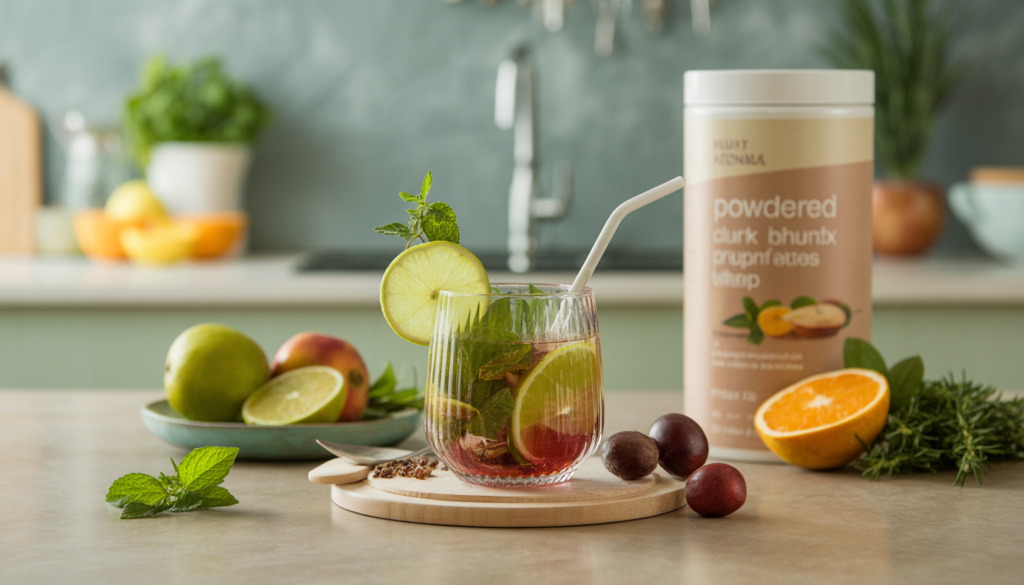
Sugar cravings can derail even the most disciplined eating habits. While willpower plays a role, emerging research suggests that hormonal signals—particularly those involving glucagon-like peptide-1 (GLP-1)—may be just as important in determining how intensely we crave sweets. GLP-1 supplement drinks have entered the wellness conversation as a potential tool for managing these cravings through natural mechanisms rather than restrictive dieting alone.
Understanding how GLP-1 functions in appetite regulation offers insight into why these drinks are gaining traction among people looking to reduce sugar intake without pharmaceutical intervention. This article examines the science behind GLP-1, explores how supplement drinks work, and evaluates their place in a broader strategy for managing cravings.
How GLP-1 Regulates Appetite and Sugar Cravings
Glucagon-like peptide-1 is an incretin hormone produced primarily in the intestinal L-cells. When food enters the digestive tract, GLP-1 is released into the bloodstream, where it performs several metabolic functions. It stimulates insulin secretion in a glucose-dependent manner, slows gastric emptying, and signals satiety to the brain through receptors in the hypothalamus.
The hormone’s influence on sugar cravings stems from its interaction with the brain’s reward pathways. GLP-1 modulates dopamine signaling in areas associated with food reward, particularly for palatable, high-sugar foods. By dampening the reward response to sugar, GLP-1 can reduce the psychological drive to consume sweets—a mechanism distinct from simple appetite suppression.
This dual action—regulating both physiological hunger and psychological craving—makes GLP-1 a compelling target for interventions aimed at reducing sugar consumption. Unlike stimulants or appetite suppressants that work through the central nervous system, GLP-1 operates through the body’s existing metabolic signaling pathways.
What GLP-1 Supplement Drinks Contain
GLP-1 supplement drinks don’t contain the hormone itself. Instead, they’re formulated with ingredients intended to stimulate the body’s natural production of GLP-1 or mimic its effects. These formulations vary widely, but most include some combination of the following:
- Soluble fiber: Compounds like glucomannan, psyllium, or inulin slow digestion and trigger GLP-1 release from intestinal cells.
- Protein peptides: Certain amino acid sequences can stimulate incretin secretion when they reach the small intestine.
- Polyphenols: Plant compounds found in green tea, berries, and other botanicals may enhance GLP-1 activity through anti-inflammatory pathways.
- Prebiotics: Fermentable fibers that feed beneficial gut bacteria, which in turn produce short-chain fatty acids that stimulate GLP-1 release.
The effectiveness of these drinks depends on formulation quality and individual metabolic response. Unlike pharmaceutical GLP-1 agonists used for diabetes and weight management, supplement drinks work indirectly and produce more modest effects. They’re typically consumed as powdered mixes added to water or as ready-to-drink beverages.
Practical Applications: Using GLP-1 Drinks Effectively
For those interested in trying GLP-1 supplement drinks, strategic timing and realistic expectations matter. These drinks work best when integrated into a broader approach to managing sugar intake rather than used as standalone solutions.
Consider these applications:
- Pre-meal consumption: Taking a GLP-1 drink 15-30 minutes before meals may enhance satiety signals and reduce the likelihood of overeating or reaching for dessert.
- Afternoon craving management: The mid-afternoon energy dip often triggers sugar cravings. A GLP-1 drink during this window can help stabilize appetite until dinner.
- Post-workout recovery: Combining GLP-1-stimulating ingredients with protein after exercise may support both muscle recovery and appetite regulation.
Several GLP-1 support drinks — including Ozzi, Supergut, and Pendulum Metabolics — have been formulated specifically to support natural GLP-1 production through a blend of fiber, botanicals, and other functional ingredients. When choosing among them, look for transparent labeling that lists ingredient amounts rather than proprietary blends.
Natural Strategies to Enhance GLP-1 Production
Supplement drinks represent just one approach to optimizing GLP-1 levels. Several dietary and lifestyle factors can naturally boost this hormone’s production and activity:
- Prioritize protein at breakfast: Starting the day with 25-30 grams of protein stimulates GLP-1 release and improves satiety throughout the morning.
- Increase dietary fiber gradually: Aim for 25-35 grams daily from vegetables, legumes, and whole grains. Sudden increases can cause digestive discomfort, so build up slowly.
- Include fermented foods: Yogurt, kefir, kimchi, and sauerkraut support gut bacteria that produce GLP-1-stimulating metabolites.
- Exercise regularly: Both aerobic and resistance training have been shown to increase GLP-1 sensitivity and production, particularly when performed before meals.
- Manage stress: Chronic cortisol elevation can impair GLP-1 signaling. Practices like meditation, adequate sleep, and time outdoors support hormonal balance.
These lifestyle modifications can produce meaningful improvements in GLP-1 function without supplementation. Combining natural strategies with targeted supplements may offer synergistic benefits.
GLP-1 Drinks vs. Injectable GLP-1 Agonists
The popularity of prescription GLP-1 medications like Ozempic and Wegovy has raised questions about how supplement drinks compare. The differences are substantial:
- Mechanism: Injectable medications are synthetic analogs that directly activate GLP-1 receptors with high potency. Supplement drinks aim to stimulate the body’s natural production through dietary components.
- Efficacy: Pharmaceutical GLP-1 agonists produce dramatic effects on appetite, weight loss, and metabolic markers. Supplement drinks offer more modest, variable results.
- Side effects: Prescription medications commonly cause nausea, vomiting, and gastrointestinal distress, especially during dose escalation. Supplement drinks typically have milder side effects, mainly digestive changes from increased fiber.
- Cost and accessibility: GLP-1 medications require prescriptions and can cost $900-$1,300 monthly without insurance. Supplement drinks are available over-the-counter at a fraction of the price.
For individuals with obesity or type 2 diabetes, prescription GLP-1 agonists may be medically appropriate and highly effective. For those seeking to manage sugar cravings and support weight maintenance without pharmaceutical intervention, supplement drinks offer a lower-intensity option worth exploring.
Additional Supplements for Sugar Craving Control
Beyond GLP-1-focused products, several other supplements have evidence supporting their use in managing sugar cravings:
- Chromium picolinate: This trace mineral improves insulin sensitivity and may reduce carbohydrate cravings, particularly in people with atypical depression or binge eating patterns.
- L-glutamine: An amino acid that can be converted to glucose in the liver, potentially reducing the brain’s perception of low blood sugar that triggers cravings.
- Magnesium: Deficiency in this mineral is associated with increased chocolate cravings and may impair insulin function. Supplementation can help normalize both.
- Alpha-lipoic acid: An antioxidant that improves insulin sensitivity and may reduce sugar cravings through better glucose regulation.
- Gymnema sylvestre: An herb traditionally used in Ayurvedic medicine that temporarily blocks sweet taste receptors and may reduce sugar absorption in the intestines.
These supplements work through different mechanisms than GLP-1 modulation, and some people find that combining approaches yields better results than any single intervention. As with any supplement regimen, consulting with a healthcare provider helps ensure safety and appropriateness for individual health conditions.
Setting Realistic Expectations
GLP-1 supplement drinks are not magic bullets for sugar addiction or weight loss. They function best as part of a comprehensive approach that includes whole-food nutrition, regular physical activity, stress management, and adequate sleep. People with significant metabolic dysfunction, eating disorders, or obesity may require more intensive interventions.
That said, for individuals looking to gain an edge in managing sugar cravings without prescription medications, these drinks offer a science-based option worth considering. The key is approaching them with realistic expectations, giving them adequate time to work (typically 2-4 weeks for noticeable effects), and integrating them into sustainable lifestyle changes rather than using them as temporary fixes.
As research into GLP-1 and metabolic health continues to evolve, we’ll likely see more refined formulations and better understanding of who benefits most from these interventions. For now, they represent one tool among many for people seeking to reclaim control over their relationship with sugar.