How to Get Rid of Frown Lines and Prevent Them


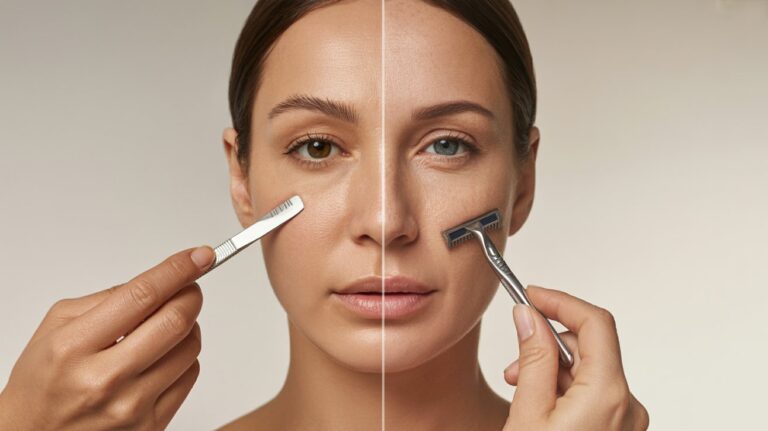
Frown lines can appear gradually over time, often becoming noticeable before you realize how much they have changed your appearance.
These lines typically develop between the eyebrows or across the forehead as a result of repeated facial expressions, aging, and environmental factors.
While they are a natural part of the aging process, many people want to reduce their appearance and prevent them from becoming deeper.
This guide explains what causes frown lines, effective natural remedies, skincare ingredients that may help, professional treatment options, and practical prevention strategies.
By the end, you'll have a clear understanding of how to manage frown lines and maintain smoother, healthier-looking skin.
What Are Frown Lines?

Frown lines are creases that typically appear between the eyebrows or across the forehead due to repeated facial expressions, aging, and reduced skin elasticity.
Often called "11 lines," they may first appear when you frown or squint but can become visible even when your face is relaxed.
Unlike wrinkles caused mainly by skin sagging, frown lines develop from repeated muscle movements and tend to deepen over time.
Factors such as sun exposure, stress, and genetics can also make these lines more noticeable as the skin ages.
While they are a natural part of aging, there are several ways to reduce their appearance and help prevent them from becoming deeper.
What Causes Frown Lines?

Repeated Facial Expressions
Every time you squint, frown, or furrow your brows, the muscles under your skin contract.
Over years of doing this thousands of times a day, the skin above those muscles starts to fold and crease. Those folds eventually leave a mark.
Natural Aging and Loss of Skin Elasticity
As you age, your skin produces less collagen and elastin. These are the proteins that keep skin firm and bouncy. Without them, skin can't spring back as easily after being folded. Lines that were once temporary start to stick around.
This process usually begins in your mid-to-late 20s and becomes more noticeable in your 30s and 40s.
Sun Exposure and Environmental Damage
UV rays from the sun break down collagen in the skin. This speeds up the aging process significantly.
People who spend a lot of time in the sun without protection tend to develop wrinkles earlier and more deeply.
Pollution and free radicals in the environment also damage skin cells over time.
Genetics and Skin Type
Your genes play a role too. If your parents developed frown lines early, you may be more likely to as well.
People with lighter or thinner skin often notice wrinkles sooner than those with darker or thicker skin.
Lifestyle Habits That Contribute to Frown Lines
Several everyday habits speed up line formation:
- Smoking: reduces blood flow and breaks down collagen
- Poor diet: lack of antioxidants and nutrients weakens skin
- Not sleeping enough: skin repairs itself during sleep
- Chronic stress: leads to repeated muscle tension in the face
- Dehydration: makes skin look drier and more lined
Signs That Frown Lines Are Becoming More Noticeable

Temporary vs. Permanent Lines
Early on, frown lines only appear when you make an expression. These are dynamic wrinkles. When you relax your face, they disappear. This is the best time to act.
Over time, if the skin continues to lose elasticity, the lines stay visible even at rest. These are called static wrinkles and are harder to reduce.
Factors That Can Make Lines Appear Deeper
Lines can look worse when you're:
- Tired or dehydrated
- Exposed to cold, dry air
- Wearing heavy makeup that settles into creases
- Stressed or tense
Lighting also plays a big role. Harsh overhead light can make any line look deeper than it is.
How to Get Rid of Frown Lines Naturally

Stay Hydrated for Healthier-Looking Skin
Drinking enough water is one of the simplest things you can do for your skin. When skin is well-hydrated, it looks plumper and smoother. Lines appear less deep.
Aim for around 8 glasses of water a day. Herbal teas and water-rich foods like cucumber and watermelon also help.
Follow a Consistent Moisturizing Routine
A good moisturizer helps your skin hold onto water. Look for products that contain hyaluronic acid, glycerin, or ceramides. These ingredients attract and lock in moisture.
Apply moisturizer morning and night. Don't skip it even if your skin feels oily, dehydrated oily skin is common and still needs moisture.
Use Daily Sun Protection
Sunscreen is one of the most proven ways to slow skin aging. Use an SPF 30 or higher every single day, even on cloudy days or when staying indoors near windows.
Reapply every two hours if you're outdoors. This one habit alone makes a major difference over time.
Improve Sleep Habits
Your skin repairs itself at night. Poor sleep leads to increased stress hormones, which break down collagen. It also leads to more tension in facial muscles while you sleep.
Try to get 7 to 9 hours of quality sleep per night. Sleeping on your back can also reduce sleep lines on your face.
Eat a Skin-Friendly Diet
What you eat directly affects how your skin ages. Foods rich in antioxidants protect skin from damage.
Key nutrients to focus on:
- Vitamin C:found in citrus, bell peppers, strawberries
- Vitamin E: found in nuts, seeds, avocado
- Omega-3 fatty acids: found in salmon, flaxseed, walnuts
- Zinc: found in legumes, seeds, whole grains
Reducing sugar and processed foods also helps. High sugar intake contributes to a process called glycation, which stiffens collagen.
Home Remedies for Frown Lines

Coconut Oil and Natural Oils
Coconut oil is a natural moisturizer that can help soften the appearance of fine lines. It contains fatty acids that support the skin barrier.
Other beneficial oils include:
- Rosehip oil:rich in vitamin A and antioxidants
- Argan oil: lightweight and hydrating
- Jojoba oil:closely mimics the skin's natural oils
Apply a small amount to clean skin at night and massage gently.
Avocado Face Masks
Avocados are packed with healthy fats and vitamins. Mashing half an avocado and applying it to your face for 15 to 20 minutes can temporarily plump and soften skin.
Mix it with a few drops of honey for extra moisture. Rinse with warm water.
Honey and Yogurt Face Treatments
Honey is a natural humectant, meaning it draws moisture into the skin. Plain yogurt contains lactic acid, which gently exfoliates and can improve skin texture over time.
Mix one tablespoon of each and apply to the face for 15 minutes. Use once or twice a week.
Things to Consider Before Trying Home Remedies
Home remedies can support your skin, but they won't reverse deep wrinkles. They work best as part of a broader skincare routine.
Always do a patch test on a small area before applying anything new to your face. If you have sensitive skin or any skin conditions, check with a dermatologist first.
Facial Exercises for Frown Lines
Forehead Relaxation Exercises
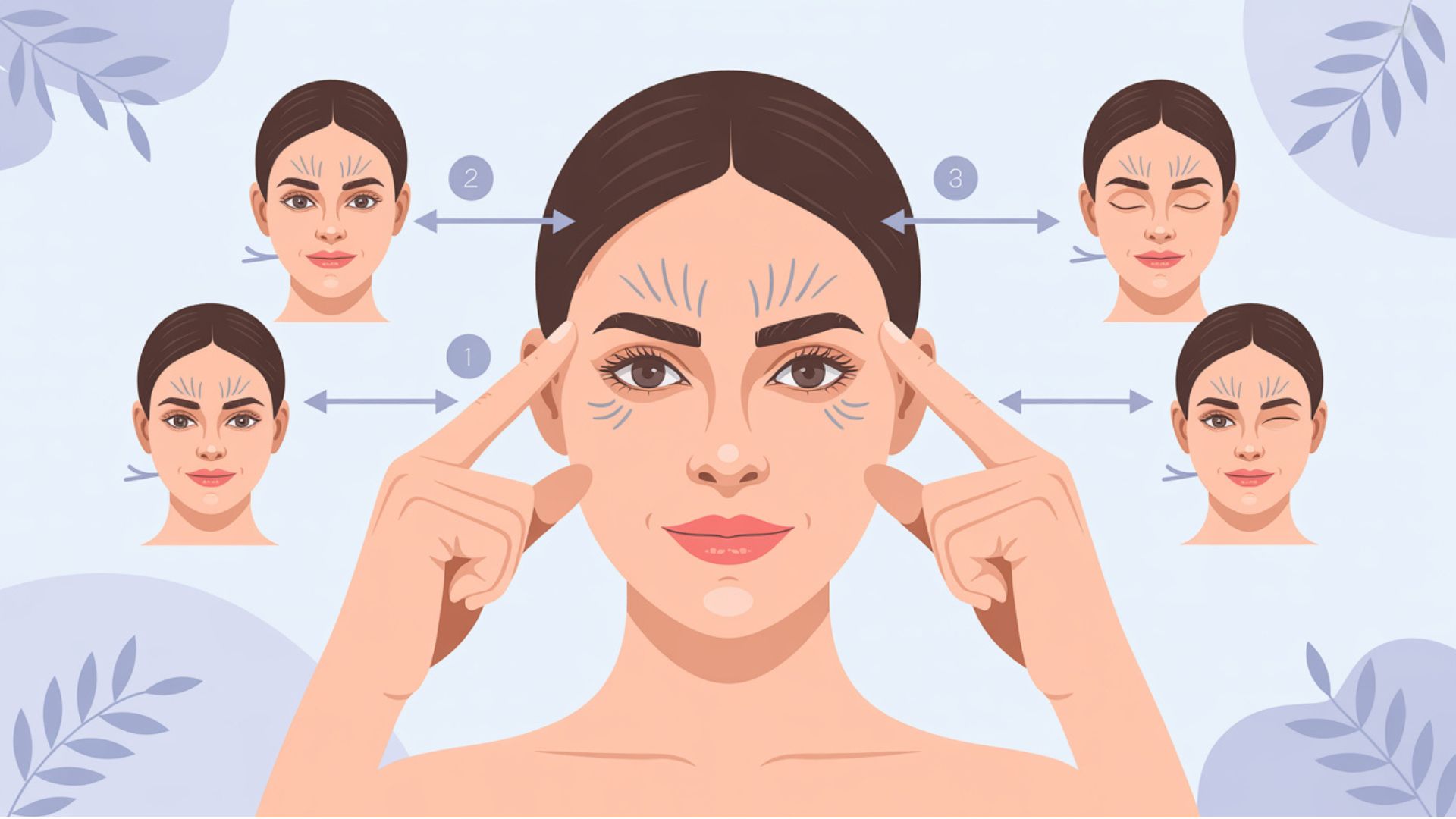
Place your fingertips gently above your eyebrows. Press lightly downward while trying to raise your eyebrows. Hold for a few seconds and release. This targets the forehead muscles that contribute to horizontal lines.
Another technique: consciously relax your forehead throughout the day. Many people hold tension there without realizing it.
Eye Area Stretching Techniques
For the area between the brows, try placing two fingers in a V-shape on either side of the frown line.
Gently pull the skin apart while squinting. This stretches the muscles and may reduce tension over time.
Do Facial Exercises Really Work?
The evidence is mixed. Some small studies suggest that targeted exercises can improve muscle tone and slightly plump the skin.
However, too much repeated movement can also deepen lines if done incorrectly. These exercises work best when combined with other skincare habits, not as a standalone solution.
Skincare Ingredients That May Help Reduce Frown Lines

Retinoids and Retinol
Retinol is one of the most researched ingredients for reducing wrinkles. It speeds up cell turnover and stimulates collagen production. Over time, consistent use can visibly reduce fine lines.
Start with a low concentration and use it at night. Sun sensitivity increases with retinol use, so sunscreen during the day becomes even more important.
Prescription retinoids like tretinoin are stronger and may show faster results. Talk to a dermatologist before using them.
Peptides for Skin Support
Peptides are short chains of amino acids that signal the skin to produce more collagen. They're gentler than retinol and suitable for sensitive skin.
Many good moisturizers and serums now include peptides.
Hyaluronic Acid for Hydration
Hyaluronic acid is found naturally in the skin. It holds up to 1,000 times its weight in water. Applied topically, it helps skin look fuller and more hydrated, which softens the look of lines.
It works well layered under a moisturizer. Apply to slightly damp skin for best results.
Antioxidants for Daily Protection
Vitamin C serums, niacinamide, and green tea extract all protect skin from free radical damage. They also support collagen production and even skin tone.
Use antioxidants in the morning before sunscreen for the best protective effect.
Professional Treatments for Frown Lines
Botox for Dynamic Wrinkles
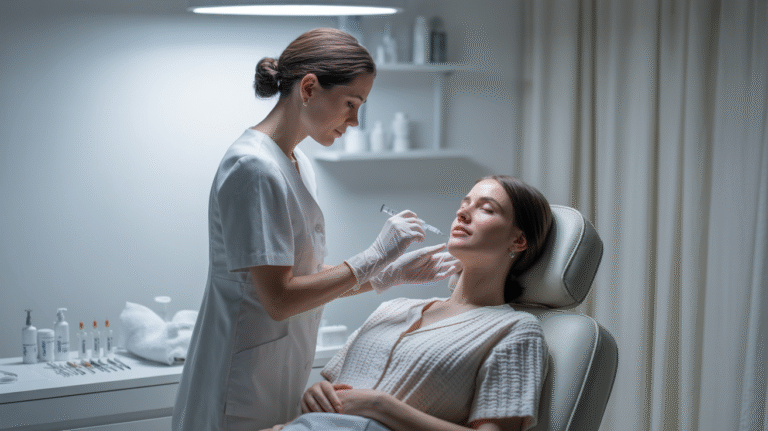
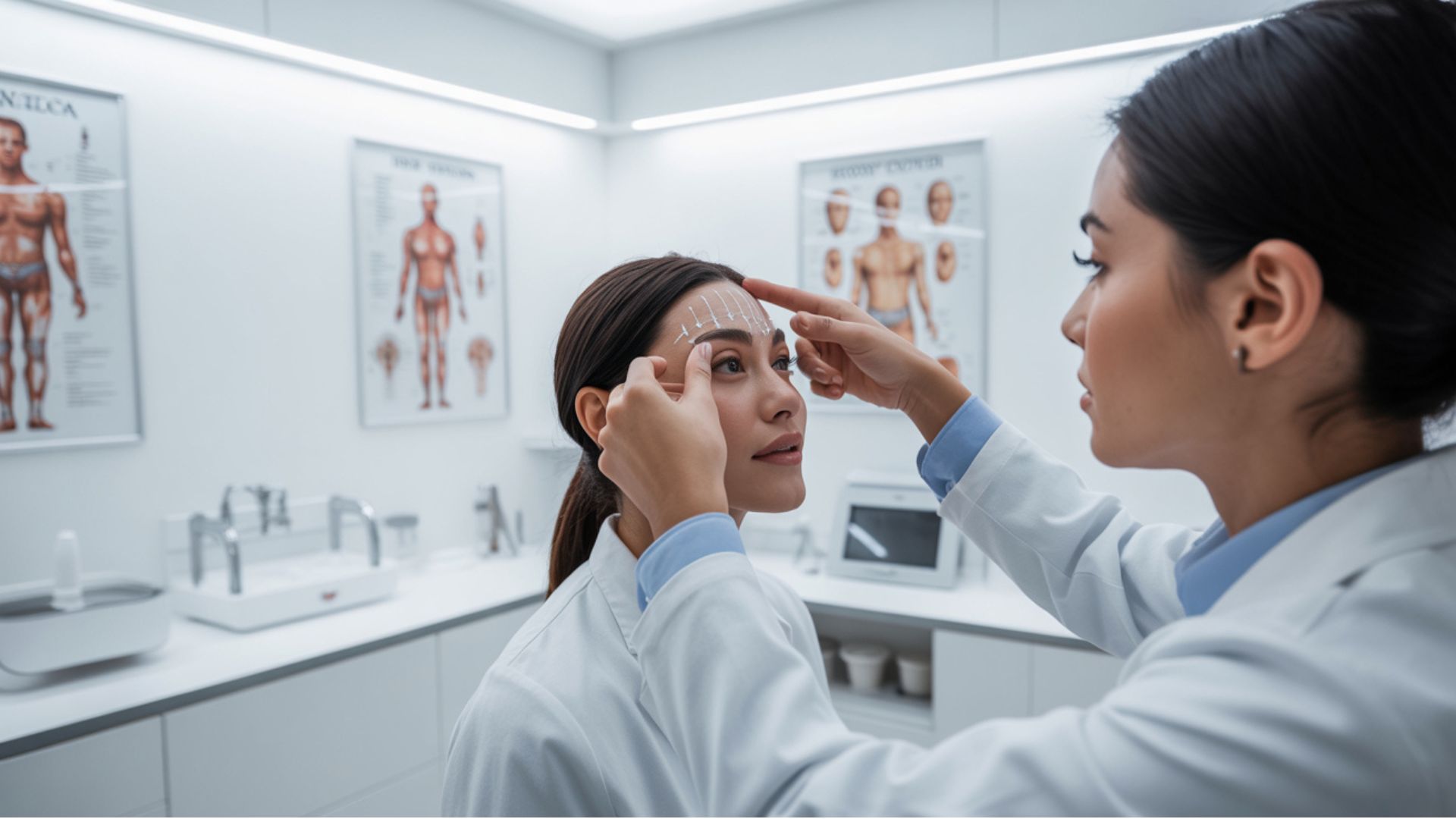
Botox is one of the most popular treatments for frown lines. It works by temporarily relaxing the muscles that cause the lines. Results typically last 3 to 6 months.
It's most effective on dynamic wrinkles lines that form with expression. It does not fill in static wrinkles that are already deeply set.
Side effects are generally mild. Consult a board-certified dermatologist or plastic surgeon for this treatment.
Dermal Fillers for Deeper Lines
For deeper, static frown lines, dermal fillers like hyaluronic acid-based products can add volume back to the area.
Results are visible immediately and can last 6 to 18 months depending on the product used.
Fillers work differently from Botox. They don't stop muscle movement, they physically fill in the crease.
Other Non-Surgical Treatment Options
Other professional options include:
- Chemical peels:remove the outer layer of skin to reveal smoother skin below
- Microneedling:creates small controlled injuries that trigger collagen production
- Laser resurfacing: removes damaged skin layers and tightens underlying tissue
- Radiofrequency treatments: stimulate collagen using heat energy
These treatments vary in downtime, cost, and results. A consultation with a qualified professional will help you figure out what's right for your skin.
How to Prevent Frown Lines
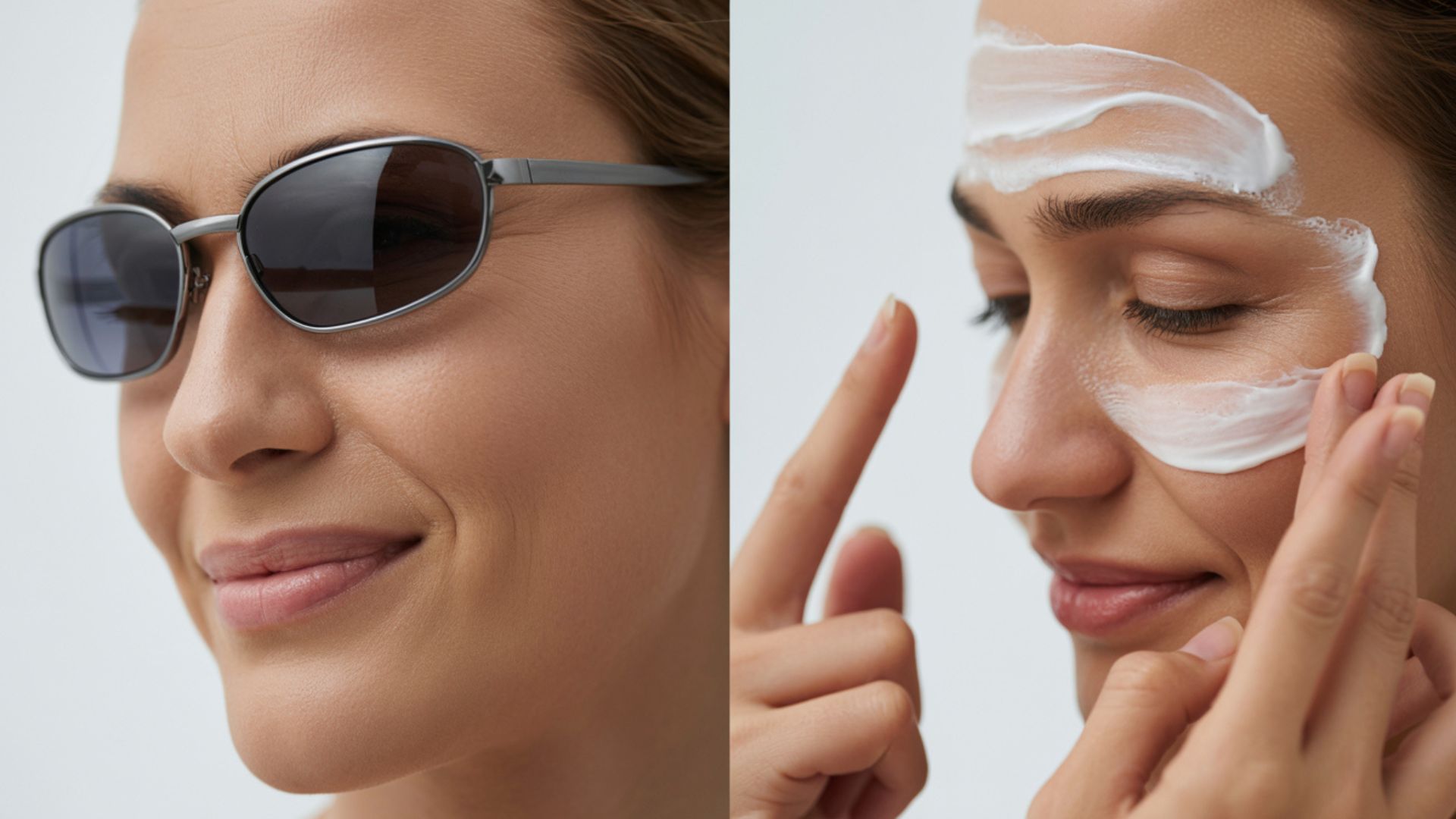
Avoid Excessive Squinting and Frowning
This sounds obvious, but many people aren't aware of their own habits. Pay attention to how often you squint at screens, phones, or in bright light. Adjusting screen brightness and font size can reduce unnecessary squinting.
Try to notice when you're frowning or furrowing your brows during stressful moments. Relaxing the face consciously throughout the day helps over time.
Wear Sunglasses Outdoors
Sunglasses do two things. They protect the delicate skin around the eyes from UV damage. They also reduce squinting in bright light. Wear them consistently, especially during peak sun hours.
Protect Skin From UV Damage
Beyond sunscreen, consider:
- Wearing wide-brimmed hats outdoors
- Staying in the shade during midday sun
- Avoiding tanning beds entirely
UV protection is the single most impactful preventive measure for skin aging.
Maintain a Healthy Lifestyle
Good habits build up over years. Staying active improves circulation, which supports skin health. Managing stress reduces cortisol, which is known to break down collagen.
Limiting alcohol helps too, as it dehydrates the skin and reduces vitamin A levels.
Follow a Long-Term Skincare Routine
Consistency matters more than using expensive products. A simple routine done every day outperforms an elaborate one done occasionally.
Your core routine should include:
- Cleanser:gentle, non-stripping
- Antioxidant serum: vitamin C or niacinamide in the morning
- Moisturizer with ceramides or hyaluronic acid
- Sunscreen: SPF 30 or higher, every morning
- Retinol at night, a few times a week
Common Mistakes That Can Make Frown Lines Worse
Skipping Sunscreen
It bears repeating. Skipping sunscreen even on overcast days accelerates skin aging faster than almost any other habit. UV rays pass through clouds and glass. Make SPF non-negotiable.
Smoking and Tobacco Use
Smoking restricts blood flow to the skin, depletes vitamin C, and breaks down collagen and elastin.
Smokers consistently show more and deeper wrinkles than non-smokers of the same age. Quitting smoking is one of the best things you can do for your skin and overall health.
Poor Hydration Habits
Not drinking enough water makes skin look drier and more lined. Drinking too much caffeine or alcohol can also dehydrate the skin. Replace some of those drinks with plain water.
Ignoring Early Signs of Skin Aging
The best time to act is before lines become deep. Many people wait until wrinkles are fully set before starting a skincare routine.
Starting early even in your 20s gives your skin the best chance of staying smooth longer.
When to Consider Professional Advice
If your frown lines bother you and home remedies aren't giving you the results you want, it's reasonable to consult a dermatologist.
A professional can assess your skin, recommend appropriate treatments, and help you avoid wasting money on products that won't work for your skin type.
You should also see a dermatologist if you notice any unusual skin changes, rapid aging, or skin reactions to products you're using.
Conclusion
Frown lines don't define you, and trust me, small daily habits truly make a difference. I've seen how something as simple as staying consistent with sunscreen and hydration can visibly improve skin over time.
You don't need dramatic measures to start seeing results. Whether you're just beginning your skincare journey or exploring professional treatments, the best step is simply starting today.
Have a tip that's worked for you? Drop it in the comments below and let's help each other glow!
Frequently Asked Questions
Can frown lines go away naturally?
Mild frown lines can improve with consistent hydration, sun protection, and a good skincare routine. Deep static lines are harder to reduce without professional treatment. Starting early gives the best results.
How long does it take to reduce frown lines?
With topical treatments like retinol and consistent skincare, visible improvement can take anywhere from 4 to 12 weeks. Professional treatments like Botox show results within days to weeks.
What is the best way to prevent frown lines?
Daily sunscreen use, staying hydrated, managing stress, and avoiding smoking are the most effective preventive steps. Adding retinol to your routine in your 20s or 30s also helps significantly.
Are home remedies effective for frown lines?
Home remedies can support skin health and soften the look of lines, but they won't reverse deep wrinkles. They're best used alongside a consistent skincare routine.
Can younger adults develop frown lines?
Yes. Frown lines can appear in your twenties, especially with frequent sun exposure, dehydration, or habitual expressions. Starting a basic skincare and sun protection routine early is one of the best ways to delay their appearance.