Common Skin Conditions That Should Never Be Ignored

Skin is often described as the body’s first line of defence, but it is also one of its most visible messengers.
A small rash, a stubborn patch, a changing mole, or an unusual bump may seem harmless at first, yet these signs can sometimes point to conditions that deserve timely attention.
While not every skin concern is serious, ignoring persistent or changing symptoms may allow discomfort, infection, scarring, or underlying illness to progress.
This listicle highlights common skin conditions that should never be brushed aside. It is not meant to create alarm, but to encourage awareness, early evaluation, and sensible care.
1. Changing Moles and Suspicious Skin Spots
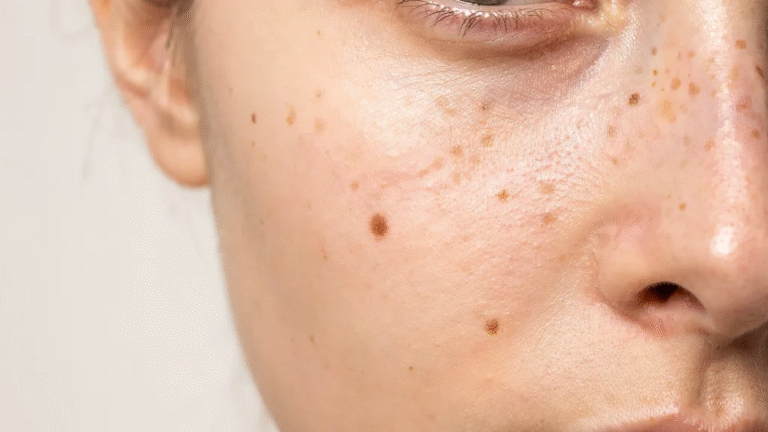
A mole that changes in size, shape, colour, texture, or sensation should always be taken seriously. Many moles are harmless, but changes can sometimes signal skin cancer, including melanoma, which is more treatable when detected early.
Signs to watch for
Use the ABCDE rule as a simple guide: asymmetry, irregular borders, uneven colour, diameter that appears larger than usual, and evolution over time. Other warning signs include itching, bleeding, crusting, tenderness, or a sore that does not heal.
New spots that look different from the rest of your skin should also be checked. A brief appointment can offer reassurance or lead to early treatment when it matters most.
2. Persistent Rashes That Do Not Improve
A rash can appear after heat exposure, irritation, allergies, infection, or contact with certain products. In many cases, it settles with basic care. However, a rash that lasts for several weeks, spreads quickly, becomes painful, or returns repeatedly should not be ignored.
Why it matters
Persistent rashes may indicate eczema, psoriasis, fungal infection, allergic contact dermatitis, autoimmune conditions, or medication reactions. If the rash is accompanied by fever, swelling, blisters, pus, or severe discomfort, professional evaluation becomes even more important.
3. Eczema That Becomes Severe or Infected
Eczema often causes dry, itchy, inflamed, or cracked skin. It may flare due to weather changes, stress, allergens, harsh soaps, or certain fabrics. Although eczema is common, it can become more than a minor irritation when scratching breaks the skin barrier.
When eczema needs attention
Seek medical advice if eczema becomes intensely painful, starts weeping fluid, forms yellow crusts, feels warm to the touch, or is accompanied by fever. These may be signs of infection. Severe eczema can also disturb sleep, affect confidence, and interfere with daily life, making proper management essential.
4. Psoriasis With Painful or Widespread Patches
Psoriasis is a long-term inflammatory skin condition that often causes thick, scaly patches on the elbows, knees, scalp, lower back, or other areas. It may come and go in cycles, but painful, widespread, or rapidly worsening symptoms should be reviewed by a dermatologist.
More than a skin concern
Psoriasis can affect quality of life and may be linked with joint pain in some people. If you notice swollen fingers, stiff joints, nail changes, or discomfort that makes movement difficult, do not dismiss it as a simple skin flare. Early care may help reduce symptoms and prevent complications.
5. Acne That Is Painful, Cystic, or Leaving Scars
Acne is often seen as a routine teenage problem, but it can affect people at any age. Mild breakouts may respond to gentle skincare and over-the-counter products, but deeper, painful acne needs more careful attention.
Red flags in acne
Cystic acne, nodules, repeated inflammation, dark marks, or scarring should not be left untreated. Acne can also affect emotional well-being, especially when it is persistent or visible. Professional treatment may reduce active breakouts, protect the skin from long-term scarring, and support healthier skin texture.
6. Skin Infections That Spread or Become Painful
Cuts, insect bites, shaving irritation, or minor wounds can sometimes become infected. Early signs may include redness, warmth, swelling, tenderness, pus, or increasing pain. If the affected area grows larger or red streaks appear, prompt medical care is important.
Do not delay treatment
Skin infections may worsen when bacteria enter through broken skin. Some infections require prescription treatment, especially if they are spreading, recurring, or accompanied by fever. People with diabetes, weakened immunity, or circulation problems should be particularly cautious.
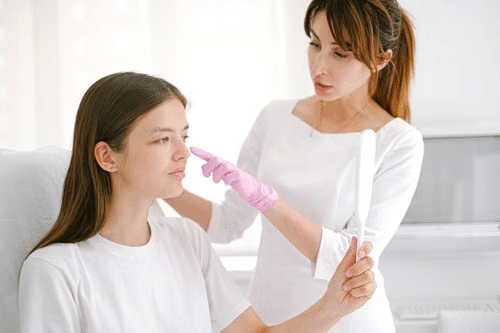
At this stage, many people wonder whether a skin concern is serious enough to be examined. When symptoms persist, change, or affect comfort and confidence, consulting a qualified Dermatology and Aesthetic Clinic can help connect visible skin changes with proper medical assessment, personalised treatment options, and practical guidance for long-term skin health.
7. Fungal Infections That Keep Coming Back
Fungal infections can affect the feet, groin, scalp, nails, or folds of the skin. They may cause itching, scaling, redness, cracking, peeling, or discoloured nails. Although common, recurring fungal infections should not be ignored.
Why recurrence matters
Repeated fungal infections may suggest incomplete treatment, reinfection from shoes or towels, excessive sweating, or an underlying health issue. Nail fungal infections, in particular, can be stubborn and may need professional treatment. Avoid sharing personal items, keep affected areas dry, and seek advice if symptoms persist.
8. Rosacea and Facial Redness That Worsens
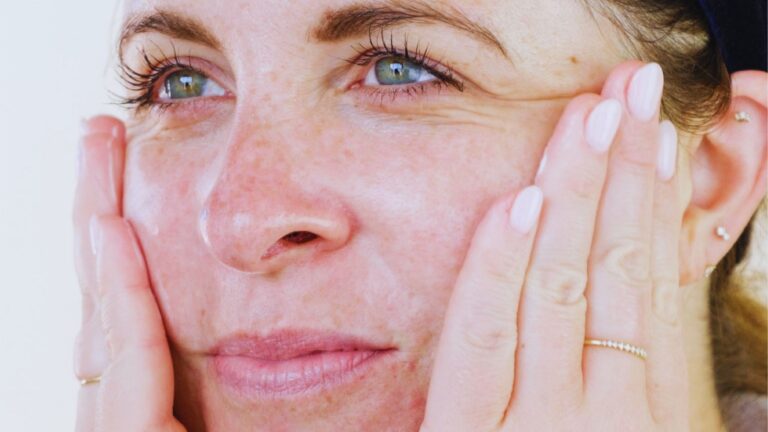
Rosacea often appears as facial redness, flushing, visible blood vessels, bumps, or sensitive skin. It commonly affects the cheeks, nose, forehead, and chin. While it may begin subtly, untreated rosacea can worsen over time.
Common triggers
Sun exposure, heat, spicy foods, alcohol, stress, and certain skincare products may trigger flare-ups. If facial redness becomes persistent, painful, or associated with eye irritation, burning, or swelling, it should be evaluated. Gentle skincare and targeted treatment can help control symptoms and prevent progression.
9. Hives or Allergic Skin Reactions
Hives are raised, itchy welts that may appear suddenly and shift from one area to another. They can be triggered by foods, medicines, infections, insect stings, or environmental factors. Many cases settle, but some reactions require urgent attention.
When it becomes urgent
Seek immediate medical care if hives occur with swelling of the lips, tongue, throat, breathing difficulty, dizziness, or tightness in the chest. These symptoms may indicate a serious allergic reaction. Recurrent hives should also be assessed to identify possible triggers and prevent future episodes.
10. Non-Healing Sores or Cracked Skin
A sore that does not heal, repeatedly bleeds, crusts over, or returns in the same place should not be overlooked. Non-healing skin changes can result from infection, poor circulation, repeated trauma, or, in some cases, skin cancer.
Pay attention to location and duration
Sores on sun-exposed areas such as the face, ears, scalp, neck, hands, and arms deserve particular attention. Cracked skin on the feet or hands can also invite infection if left untreated. Any wound that fails to improve within a reasonable time should be examined.
Final Thoughts
Skin concerns are easy to minimise because they are often familiar, visible, and seemingly ordinary. Yet the skin can reveal early signs of inflammation, infection, allergy, chronic disease, and even cancer. The key is not to panic over every blemish, but to pay attention to patterns: symptoms that persist, spread, bleed, hurt, change, recur, or interfere with daily life. Healthy skin care begins with observation, gentle habits, sun protection, and timely medical advice when something feels unusual. Listening to your skin can make the difference between delayed treatment and early, effective care.