Why Is My Face Always Red? Signs and Solutions

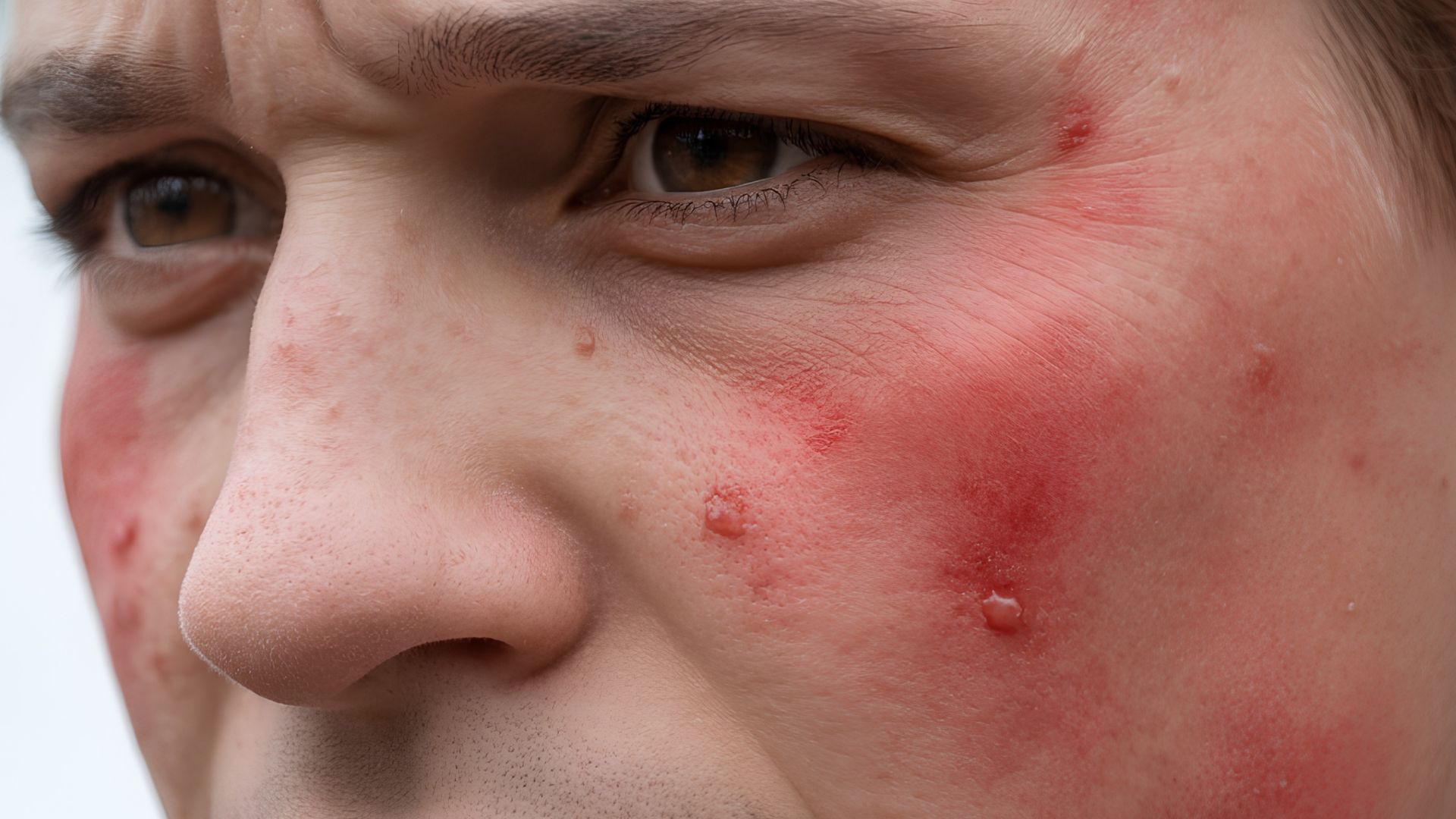
If you have been asking yourself *why is my face always red*You are not alone. I have talked with so many people who feel self-conscious about it every single day. The good news is that most causes are manageable once you know what is behind it.
In this blog, I will walk you through the *most common reasons for persistent facial redness*, from skin conditions like rosacea to everyday triggers like stress and sun exposure.
You will also find practical solutions that actually work. I have researched this topic closely, and I want to give you real answers, not guesswork.
What Does It Mean When Your Face Is Always Red?
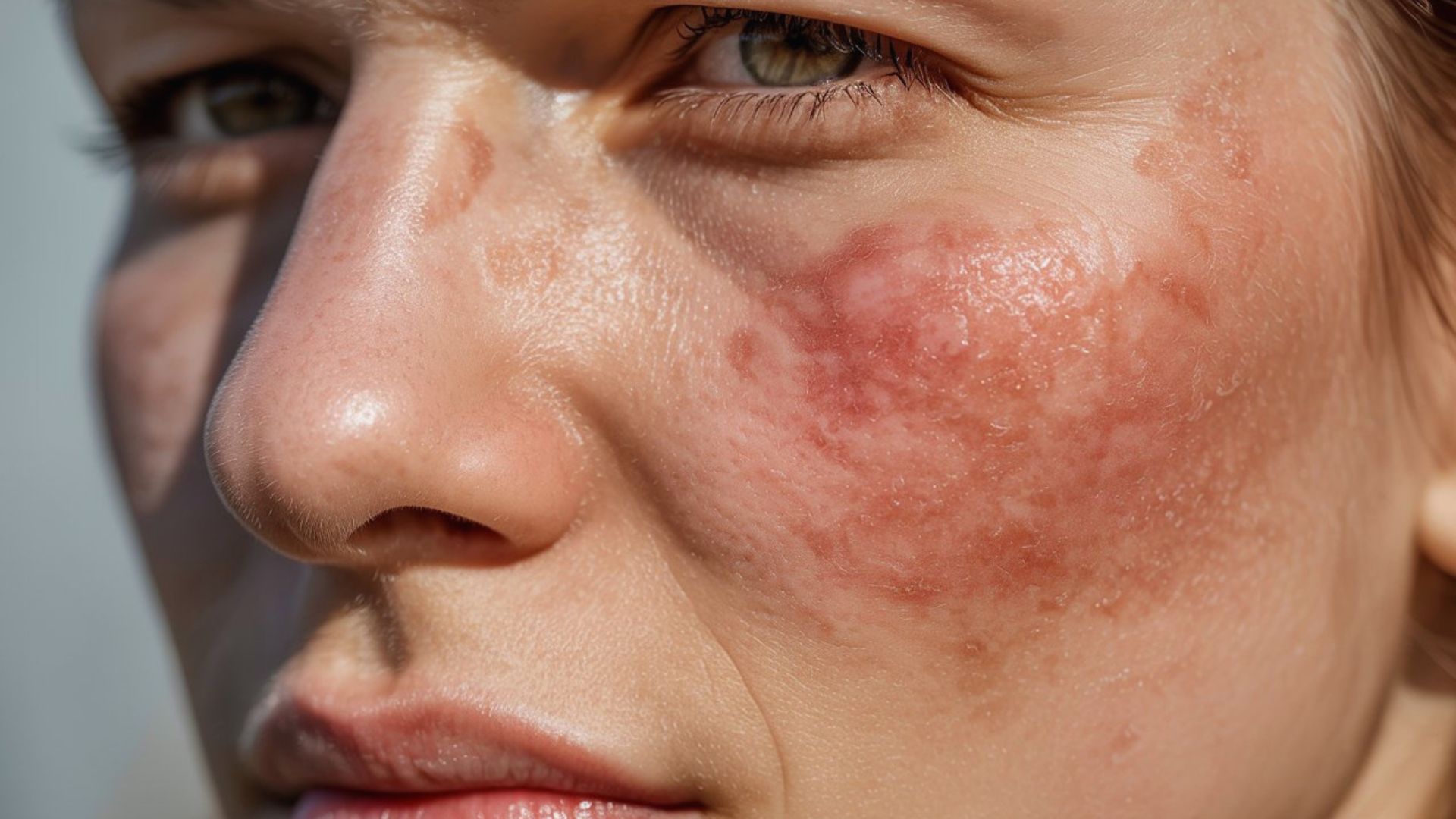
Facial redness is one of the most common skin concerns people experience, affecting people of all ages and skin types.
It can appear as a temporary flush after exercise or exposure to heat, or it may become a long-term issue that impacts your skin's overall appearance and comfort.
Sometimes the redness fades on its own within minutes or hours.
Common Reasons Why Your Face Is Always Red
Understanding the most common causes can help you identify potential triggers and choose the right treatment approach.
Rosacea

Rosacea is one of the top answers to the question of why is my face always red. It is a long-term skin condition that mainly affects the central face.
It can look like a bad sunburn that never goes away. Some people also develop visible blood vessels, eye irritation, or acne-like bumps that can be mistaken for regular breakouts.
There is no cure, but it can be managed well with the right treatment plan and trigger avoidance.People with rosacea flush easily, and over time that redness becomes more permanent.
Sensitive Skin and Skin Barrier Damage

Your skin has a protective outer layer called the skin barrier. When it gets damaged from over-washing, harsh products, excessive exfoliation, or environmental stress, your skin loses moisture and becomes reactive.
This leads to redness that seems to have no clear cause. You may also notice stinging, burning, or increased sensitivity to products you previously tolerated well.
Rebuilding the skin barrier with gentle, fragrance-free products usually helps significantly and can reduce redness over time.
Allergic Reactions and Contact Dermatitis

Sometimes the redness is your skin reacting to something it touches. This is called contact dermatitis. Common causes include fragrances, preservatives in skincare, metals in jewelry, certain cosmetics, and latex.
The redness usually appears where the irritant made contact and may be accompanied by itching, swelling, or a rash.
Identifying and removing the trigger is the first step to clearing it up. In some cases, allergy testing may be needed to determine the exact cause.
Acne and Post-Inflammatory Redness
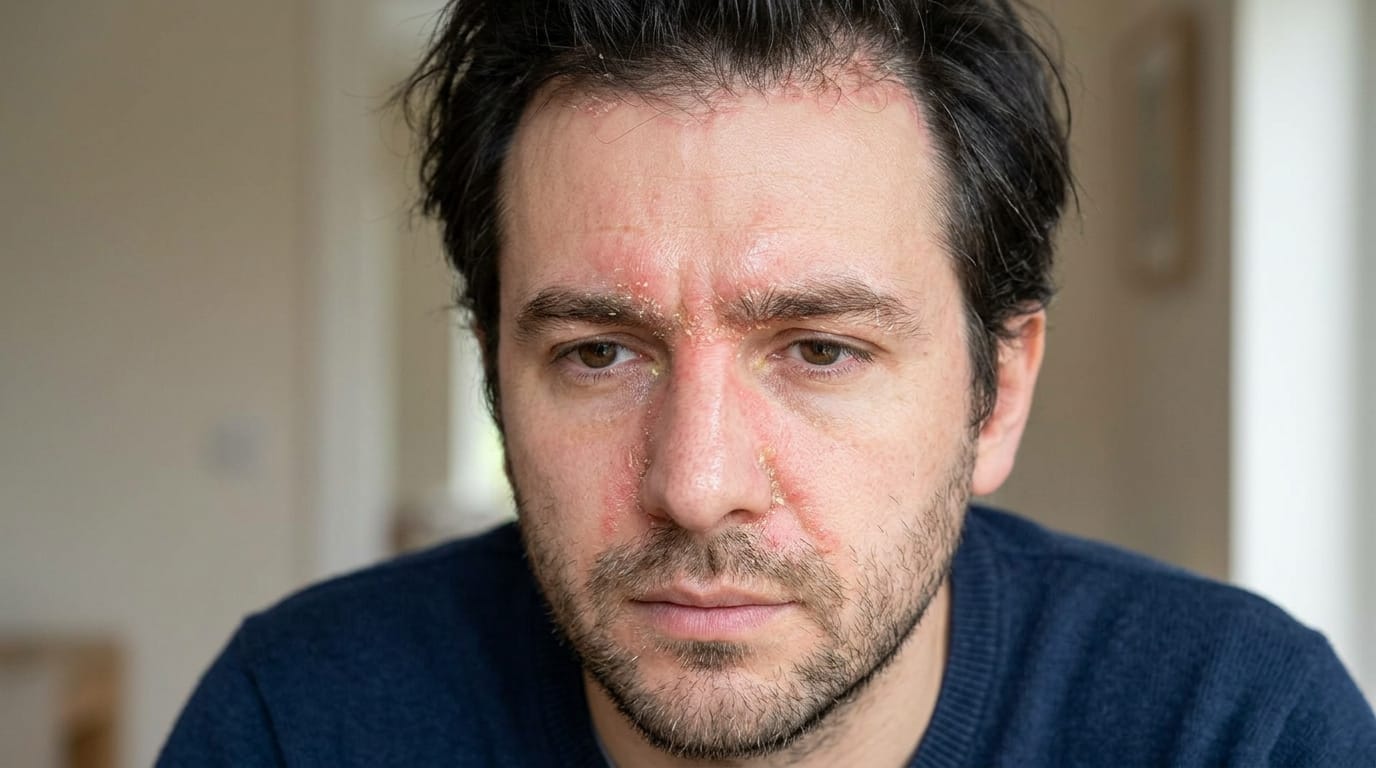
Even after a pimple heals, it can leave behind a red or pink mark. This is called post-inflammatory erythema. It is not a scar, but it can take weeks or months to fade, especially in people with fair or sensitive skin.
The redness tends to be more noticeable after inflammatory acne lesions. Products with niacinamide, azelaic acid, or sunscreen can help speed up the fading process and prevent the discoloration from becoming more prominent.
Seborrheic Dermatitis
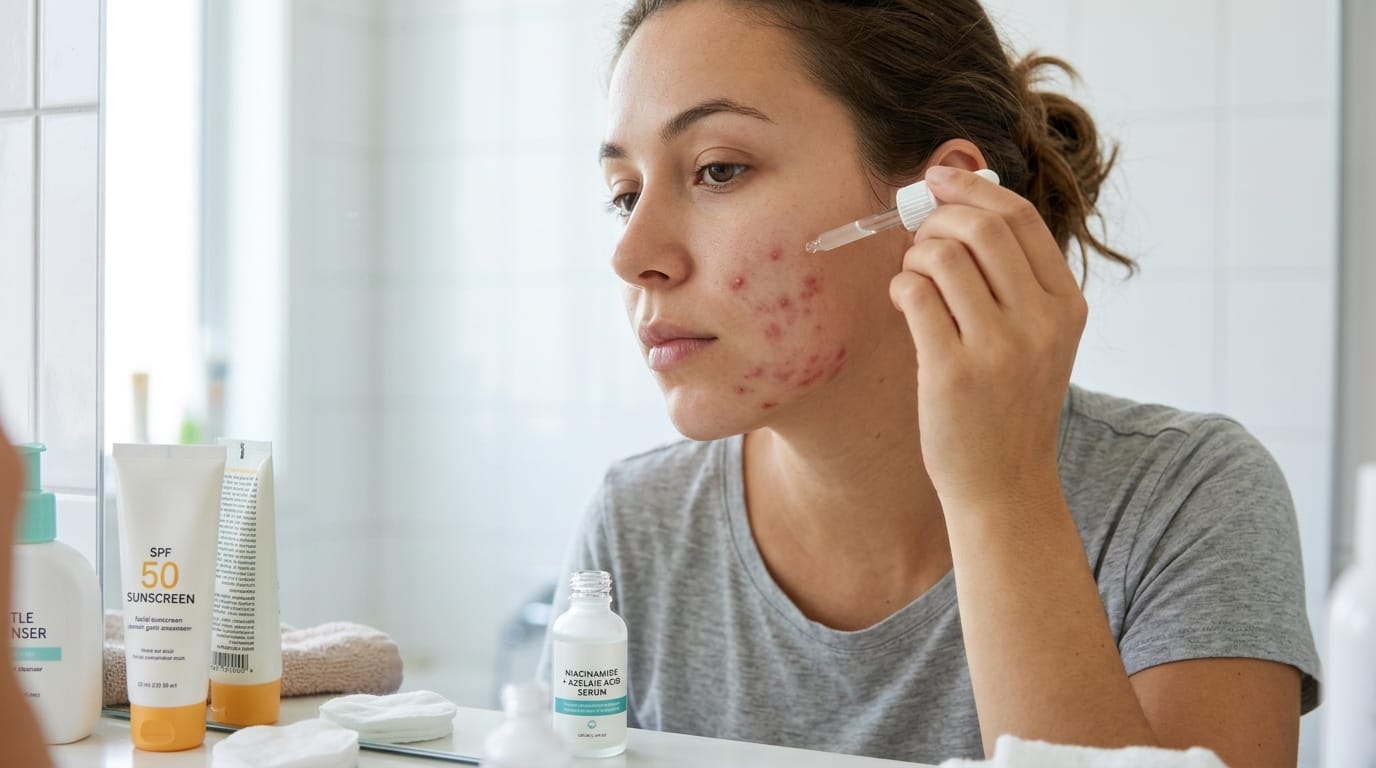
This condition causes redness and flaking around oily areas of the face, like the sides of the nose, eyebrows, and hairline. It is often mistaken for dry skin because of the flaky appearance.
However, it is linked to an overgrowth of yeast on the skin and an inflammatory response from the body.
Symptoms may come and go in cycles and often worsen during periods of stress or cold weather. It generally responds well to antifungal and anti-inflammatory treatments.
Eczema and Atopic Dermatitis

Eczema on the face causes intense redness, dryness, and itching. The skin may feel rough, irritated, or cracked during flare-ups. It often flares up due to allergens, stress, weather changes, or certain foods.
People with eczema usually have a family history of the condition alongside other allergic issues like asthma or hay fever.
Consistent moisturizing and avoiding triggers play a major role in managing symptoms and reducing facial redness.
Psoriasis on the Face
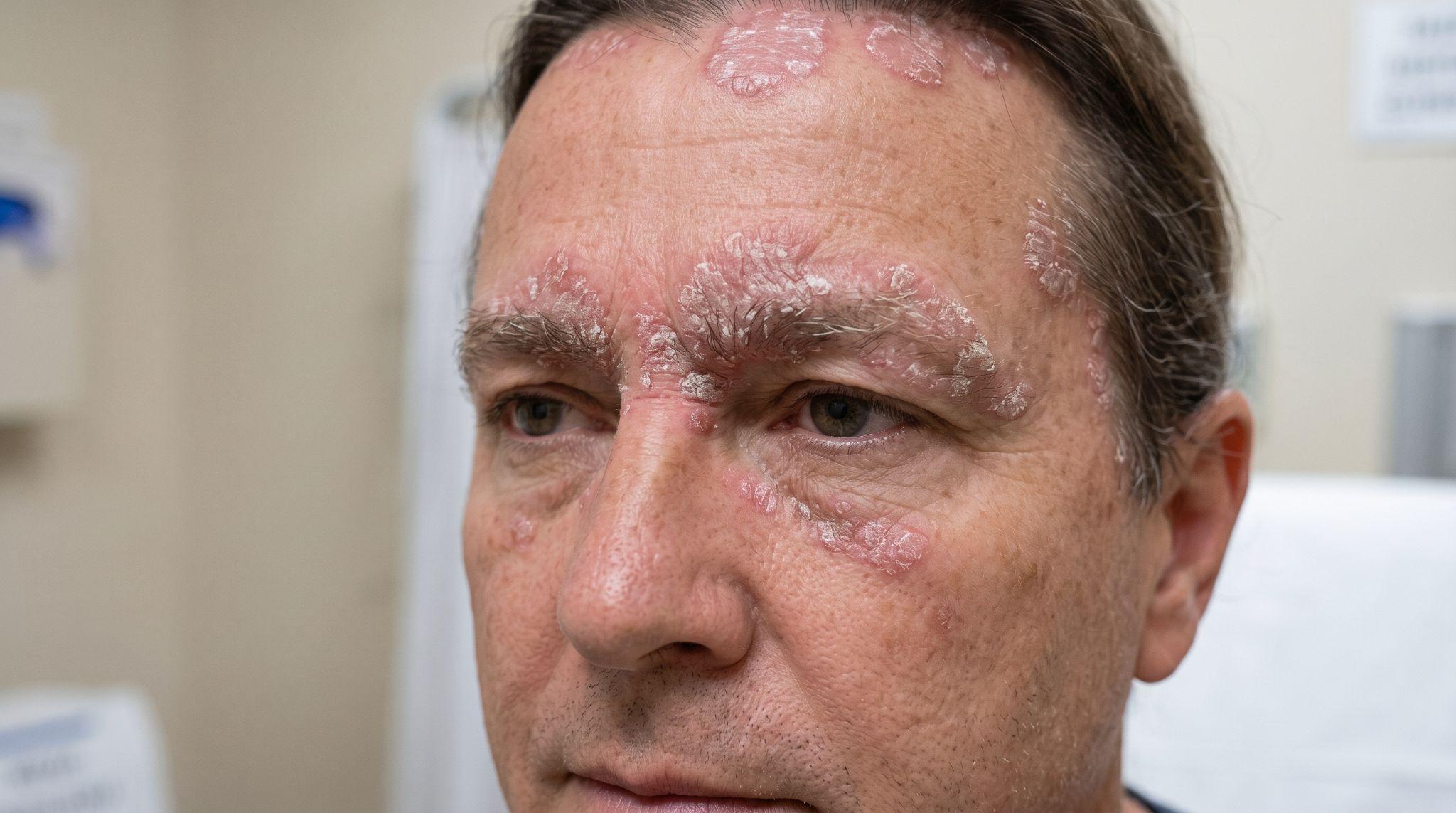
Facial psoriasis causes thick, red, scaly patches that can appear on the forehead, around the nose, or on the eyebrows. The patches may feel itchy, sore, or uncomfortable, and they often have a silvery-white scale on the surface.
Although facial psoriasis is less common than psoriasis on other parts of the body, it can have a significant impact on self-confidence.
It requires specific treatment from a dermatologist and should not be managed with regular moisturizers alone.
Lifestyle Factors That Can Make Your Face Red
Not all facial redness comes from a skin condition. Sometimes your daily habits, environment, and lifestyle choices play a bigger role than you might realize.
Stress, Anxiety, and Emotional Flushing

When you feel stressed or anxious, your body releases adrenaline and other stress hormones. These chemicals cause blood vessels to widen, which makes the face flush.
For some people, this happens regularly and creates a cycle of anxiety about the redness itself, making the problem even more noticeable.
Managing stress through quality sleep, regular physical activity, mindfulness practices, and breathing exercises can reduce how often these episodes occur.
Alcohol Consumption

Alcohol dilates blood vessels, especially in the face, which is why many people notice redness shortly after drinking.Even one or two drinks can cause noticeable flushing in some individuals. Certain types of alcohol, including red wine and spirits, tend to be stronger triggers than others.
For those with rosacea, alcohol is one of the most well-known causes of flare-ups.
Cutting back or avoiding trigger drinks often makes a visible difference within a few weeks and may help reduce long-term redness.
Spicy Foods and Hot Beverages

Hot drinks and spicy meals raise your body temperature and trigger the same flushing response as heat exposure. Foods containing chili peppers, cayenne, and other strong spices are common culprits.
Likewise, coffee, tea, and hot soups can sometimes trigger facial redness simply because of their temperature. If you notice your face turns red after eating or drinking, try tracking what you consume and when symptoms appear.
Switching to cooler foods and beverages can be a simple but effective way to reduce flare-ups.
Smoking and Its Effects on Skin

Smoking damages blood vessels and disrupts healthy blood flow to the skin. It also increases inflammation and reduces the skin's ability to repair itself properly. Long-term smokers often show signs of chronic facial redness, uneven skin tone, and premature aging.
Over time, smoking can make existing skin conditions more difficult to manage and may contribute to a dull or irritated complexion. It is one more reason the skin suffers from this habit over the years.
Vigorous Exercise and Increased Blood Flow

Exercise-related redness is usually normal and often a sign that your body is regulating its temperature properly. During physical activity, your body sends more blood to the skin to release heat, causing the face to become temporarily red.
This type of redness typically fades within 20 to 30 minutes after you stop exercising. Staying hydrated and exercising in cooler environments may help minimize flushing.
However, if the redness lasts much longer, becomes painful, or is accompanied by swelling, it may be worth discussing with a healthcare professional.
How to Reduce Facial Redness
You do not need a complicated plan to start reducing redness. Small, consistent changes often have the biggest impact on skin health.
Build a Gentle Skincare Routine
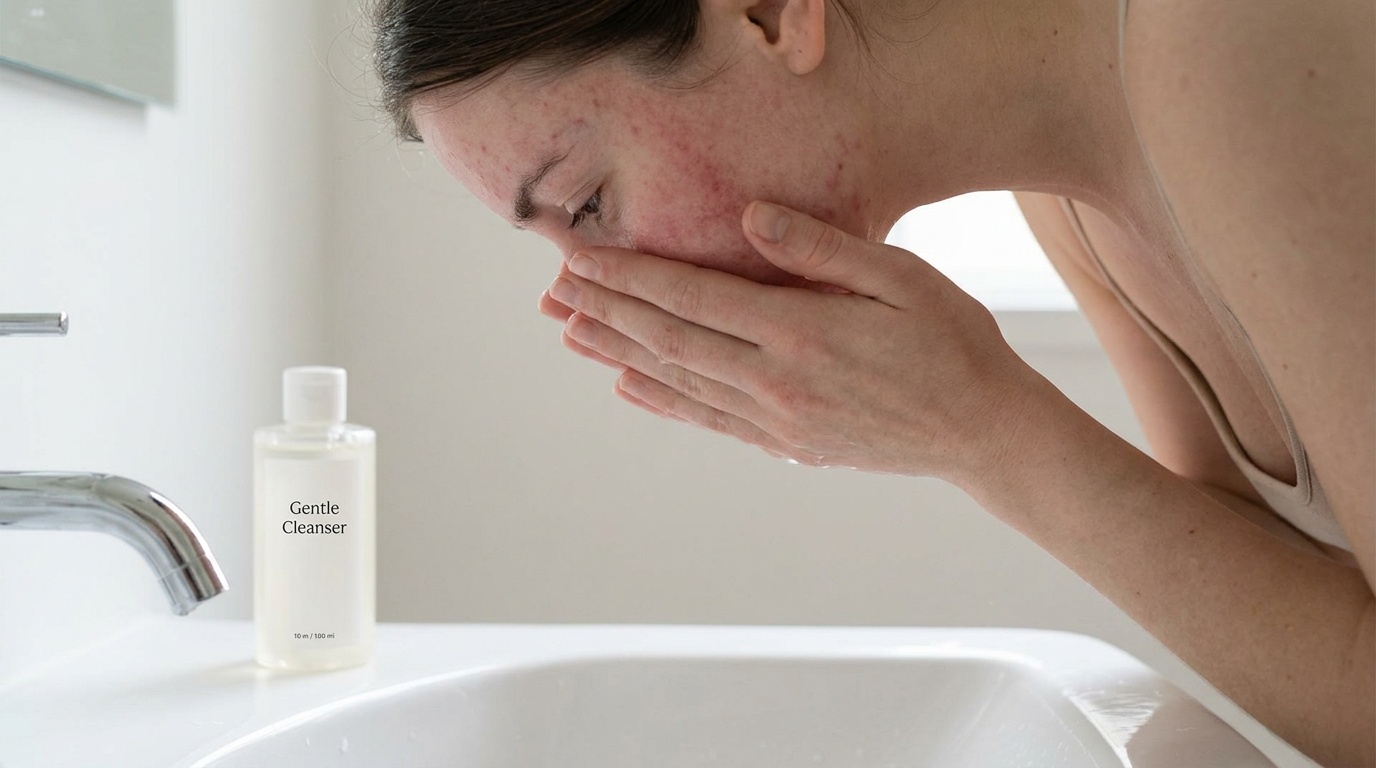
Simplify your routine. Use a gentle cleanser, a fragrance-free moisturizer, and sunscreen. Avoid strong activities like retinol, exfoliating acids, or harsh scrubs if your skin is already inflamed.
Overloading your skin with too many products can make redness worse rather than better. Give your skin barrier time to recover before introducing anything new, and add products one at a time so you can easily identify any potential irritants.
Use Sunscreen Every Day

This is non-negotiable. Sun damage directly worsens redness and can trigger flare-ups in conditions such as rosacea and sensitive skin.
Use a mineral sunscreen with zinc oxide or titanium dioxide, as these ingredients are generally less irritating than chemical sunscreen filters. Apply sunscreen every morning, even on cloudy days, and reapply when spending extended periods outdoors.
Avoid Known Triggers

Keep a simple diary. Write down when your face gets red and what happened before it. After a week or two, patterns will often start to appear. Common triggers include heat, alcohol, spicy food, stress, intense exercise, and certain skincare products.
Once you identify your personal triggers, it becomes much easier to reduce flare-ups and manage your symptoms more effectively.
Keep Skin Hydrated and Protected
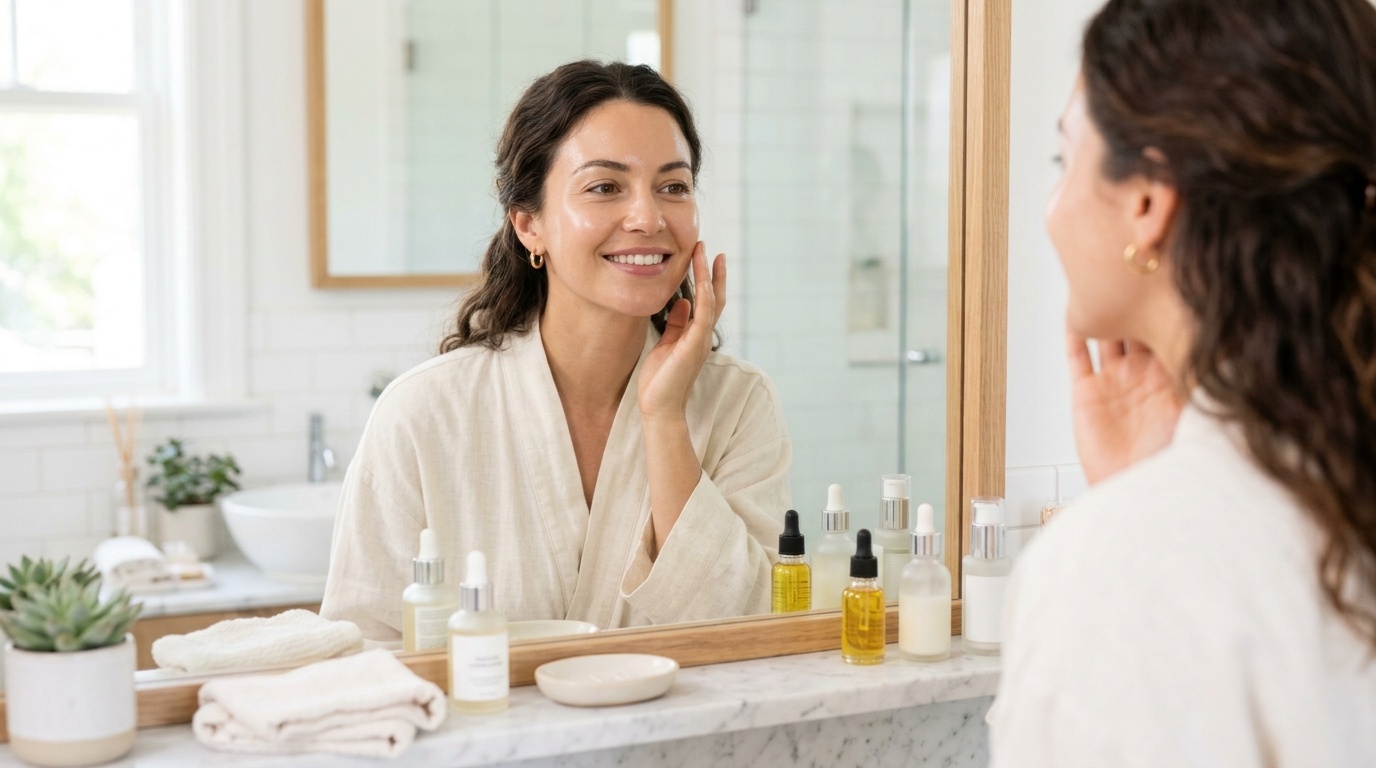
A well-moisturized skin barrier is more resistant to irritation and environmental stressors. Look for ingredients such as ceramides, hyaluronic acid, glycerin, and niacinamide.
These help restore the skin barrier, lock in moisture, and reduce sensitivity without causing additional irritation.
Applying moisturizer consistently, especially after cleansing, can help calm redness and improve overall skin comfort.
Manage Stress Effectively

Stress often shows on the face. When stress levels rise, the body releases hormones that can increase inflammation and trigger flushing. Regular movement, good-quality sleep, meditation, and simple breathing techniques can help keep stress under control.
Even small daily habits, such as taking short walks or practicing mindfulness for a few minutes, can lower overall inflammation and reduce how often stress-related redness occurs.
Conclusion
If you have been searching for answers to *why is my face always red*I hope this blog gives you real clarity. From rosacea and allergies to stress and sun damage, the causes are many but so are the solutions.
I have seen how much of a difference it makes when people stop guessing and start addressing the root cause. Start with gentle skincare, daily SPF, and tracking your triggers. If that is not enough, see a dermatologist.
You deserve clear answers and a clear face. Found this helpful? Share it with someone who needs it, or drop your question in the comments below.
Frequently Asked Questions
Why is my face always red even when I am not embarrassed?
Persistent redness that is unrelated to emotions is usually linked to a skin condition like rosacea, a damaged skin barrier, or an underlying health issue. It is worth seeing a dermatologist if it does not improve on its own.
Can stress make my face red all the time?
Yes. Stress triggers a hormonal response that widens blood vessels and causes flushing. Chronic stress can make redness feel almost constant. Managing stress has a direct positive effect on how your skin looks and behaves.
Is facial redness always a sign of rosacea?
No. Redness can also come from allergies, sun damage, eczema, seborrheic dermatitis, hormonal changes, and other conditions. Getting a proper diagnosis helps you treat the right thing rather than guessing.
How can I calm a red face quickly?
Apply a cool, damp cloth to the face. Use a calming moisturizer with centella asiatica or aloe vera. Stay out of heat and sunlight. Avoid rubbing the skin or applying anything with alcohol or fragrance when it is already inflamed.
When should I worry about persistent facial redness?
If the redness lasts more than a few weeks, gets worse over time, or comes with joint pain, fever, or a butterfly-shaped rash, see a doctor. These could point to an internal condition that needs attention.