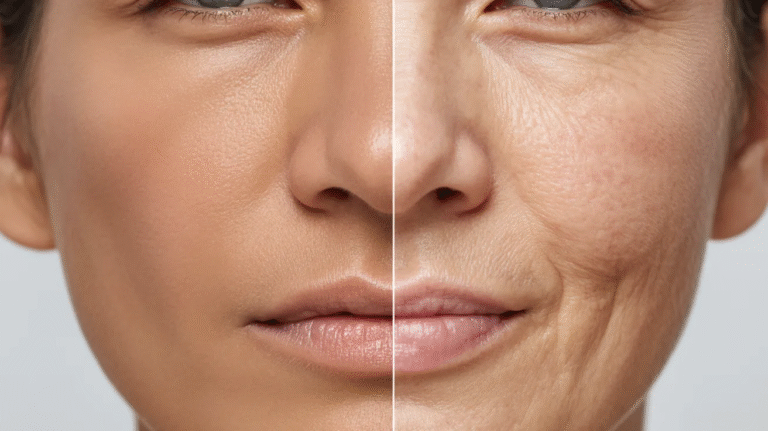
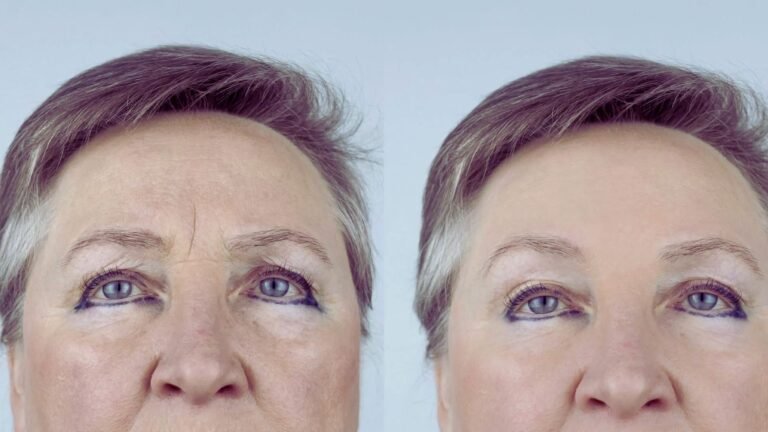
Temple Filler Before and After Guide


Looking at your reflection and noticing those hollow areas near your temples? You’re not alone.
Temple fillers have become a popular fix for sunken temples that make faces look tired or older than they feel.
People want to see real results before committing, which makes sense. Seeing actual before and after photos helps you understand what’s possible and sets realistic expectations.
Hollow temples can throw off your facial balance and add years to your appearance. The good news?
Temple fillers offer a quick solution that many find worth considering. Let’s look at what real results actually look like.
What Is a Temple Filler?

Temple filler restores volume to hollow areas on your forehead sides, creating a fuller, more youthful appearance through quick injections.
How Temple Fillers Work
The filler uses hyaluronic acid gel injected beneath your skin to plump up sunken temples.
It attracts water to maintain fullness and naturally breaks down over 12 to 18 months. Your body absorbs it safely while the treatment also encourages slight collagen production.
Who Is a Good Candidate?
You’re a good fit if you have visible temple hollowing and are in good health. Best results happen with mild to moderate sunkenness.
You should be over 21 with realistic expectations. Avoid this treatment if you’re pregnant, breastfeeding, or have active skin infections in the area.
Temple Filler Before and After Results

Real temple filler results show noticeable but natural-looking changes that refresh your appearance without looking overdone or fake.
What Realistic Results Look Like
Good results should look subtle and natural. Your temples will appear fuller, but you won’t look like a different person. The improvement smooths out hollow areas without creating an overfilled appearance.
Most people notice their face looks more balanced and refreshed. Friends might say you look well-rested rather than pointing out you had work done. That’s the goal with temple fillers.
Photos taken right after treatment may show swelling, so don’t judge final results immediately. The true outcome becomes visible after a few days.
Common Improvements Seen in Before & After Photos
When you compare before and after photos, several changes stand out:
- Restored fullness: Those sunken areas fill in, creating a smoother surface from your eyebrows to your hairline.
- Better facial balance: Your temples match the fullness of your cheeks and forehead, making your face look more proportional.
- Softer, more youthful contours: The harsh shadows and gaunt appearance disappear, replaced by a refreshed look.
How Long Results Typically Last
Temple filler results usually last between 12 and 18 months. Some newer formulas can last closer to two years with proper care.
Your metabolism affects how long results stick around since faster metabolisms break down filler quicker. The type of filler used also matters, as some formulas last longer than others.
Your lifestyle impacts longevity too. Regular exercise, sun exposure, and smoking can speed up how fast the filler breaks down. Touch-up treatments help maintain results once the original filler fades.
What to Look for in Before & After Temple Filler Photos

Not all before and after photos tell the same story. Knowing what to look for helps you spot quality results.
Natural vs. Overfilled Results
Natural results blend seamlessly with your face. The temples look fuller but not puffy or bulging. You should see smooth transitions from temple to forehead.
Overfilled temples create an unnatural rounded look with odd bumps. This happens when too much filler is used. Good photos show the person’s face still looks like their own, just refreshed.
Symmetry, Contouring, and Facial Proportions
Good temple filler creates balance between both sides of your face. The temples should look relatively even in fullness.
The contour should flow smoothly without harsh lines or bumps. Check if the temples match the volume in your cheeks and mid-face. Your whole face should look proportional.
Lighting and Angle Considerations in Photos
Lighting makes a huge difference in photos. Harsh overhead lighting creates shadows that make hollows look worse. Soft, even lighting shows accurate results.
Photos should be taken from the same angle in both shots. Be cautious of different lighting, angles, or facial expressions between shots. These tricks can exaggerate results. Look for consistent photo conditions to judge actual improvements.
What Happens During the Temple Filler Procedure

Understanding the process helps calm nerves and sets realistic expectations for your appointment.
Consultation and Assessment
Your doctor examines your temples and facial structure. They assess volume loss and discuss your desired results.
You’ll review your medical history, allergies, and medications. The doctor explains which filler works best and how much you need. They may take photos and mark injection points.
Injection Process
The doctor cleans your temple area and applies numbing cream. Some fillers contain lidocaine for additional comfort.
Using a fine needle, they inject small amounts of filler into different points. You’ll feel pressure and pinching. The doctor massages the area to distribute filler evenly and checks for balance.
Treatment Duration and Comfort Level
The entire procedure takes 15 to 30 minutes. Most people describe the sensation as mild pinching or stinging.
Discomfort is usually minimal thanks to numbing agents. You might feel pressure as the filler goes in, but severe pain is rare. Let your doctor know if you’re anxious so they can help keep you comfortable.
Risks and Side Effects to Know
- Swelling and bruising: These are the most common side effects. They usually appear right after treatment and fade within a few days to a week.
- Redness and tenderness: Your temples may feel sore and look slightly red at injection sites. This is normal and typically resolves within 24 to 48 hours.
- Lumps or bumps: Small irregularities can form if filler isn’t distributed evenly. Your doctor can massage these out or they settle on their own within a few weeks.
- Vascular occlusion: This rare but serious complication happens when filler blocks a blood vessel. It requires immediate medical attention to prevent tissue damage or vision problems.
- Infection: Though uncommon, infections can occur at injection sites. Watch for increasing pain, warmth, or pus and contact your doctor immediately if these develop.
- Choosing the right injector: Always pick a board-certified dermatologist or plastic surgeon with specific experience in temple fillers. Check reviews, ask about their training, and request to see their own before and after photos.
Conclusion
Temple fillers offer real benefits for people struggling with hollow temples and facial imbalance. The results can refresh your appearance and restore lost volume with minimal downtime.
However, success depends heavily on realistic expectations and choosing the right provider. Not everyone needs this treatment, and photos online don’t always reflect what you’ll experience.
Before committing, schedule a consultation with a board-certified professional who specializes in facial fillers.
They’ll assess your specific situation and help you decide if temple fillers make sense for your goals. Take your time researching, ask plenty of questions, and make sure you feel comfortable with your choice.
Frequently Asked Questions
How much does temple filler typically cost?
Temple filler costs range from $600 to $1,500 per session, depending on your location and the amount of filler needed. Most people need one to two syringes for both temples to achieve noticeable results.
Does temple filler hurt during the procedure?
Most people experience mild discomfort rather than actual pain. Numbing cream and fillers with built-in anesthetic help minimize any stinging or pressure you might feel during injections.
Can I go back to work immediately after temple filler?
Yes, you can return to work right away since there’s no real downtime. You might have some minor swelling or redness, but it’s usually minimal enough to cover with makeup if needed.
Will temple filler make my face look unnatural?
When done correctly by an experienced injector, temple filler looks completely natural. The goal is subtle enhancement that restores balance, not an obvious or overdone appearance that changes your features.
How soon will I see results from Temple Filler?
You’ll see immediate results right after your treatment session. However, final results appear after two to three days once any swelling goes down and the filler settles into place.