Sunken Cheeks: Causes, Treatments & How to Restore Volume


I remember the first time I noticed my cheeks looking more hollow in photos. It caught me off guard.
If you’re seeing the same thing when you look in the mirror, I get it. Sunken cheeks can make us look tired or older than we feel.
The good news? There are real ways to bring back that fullness.
I’ve researched what actually works, from medical treatments to cosmetic procedures and simple at-home methods.
Let me share what I’ve learned so you can find the right solution for you.
What Are Sunken Cheeks?
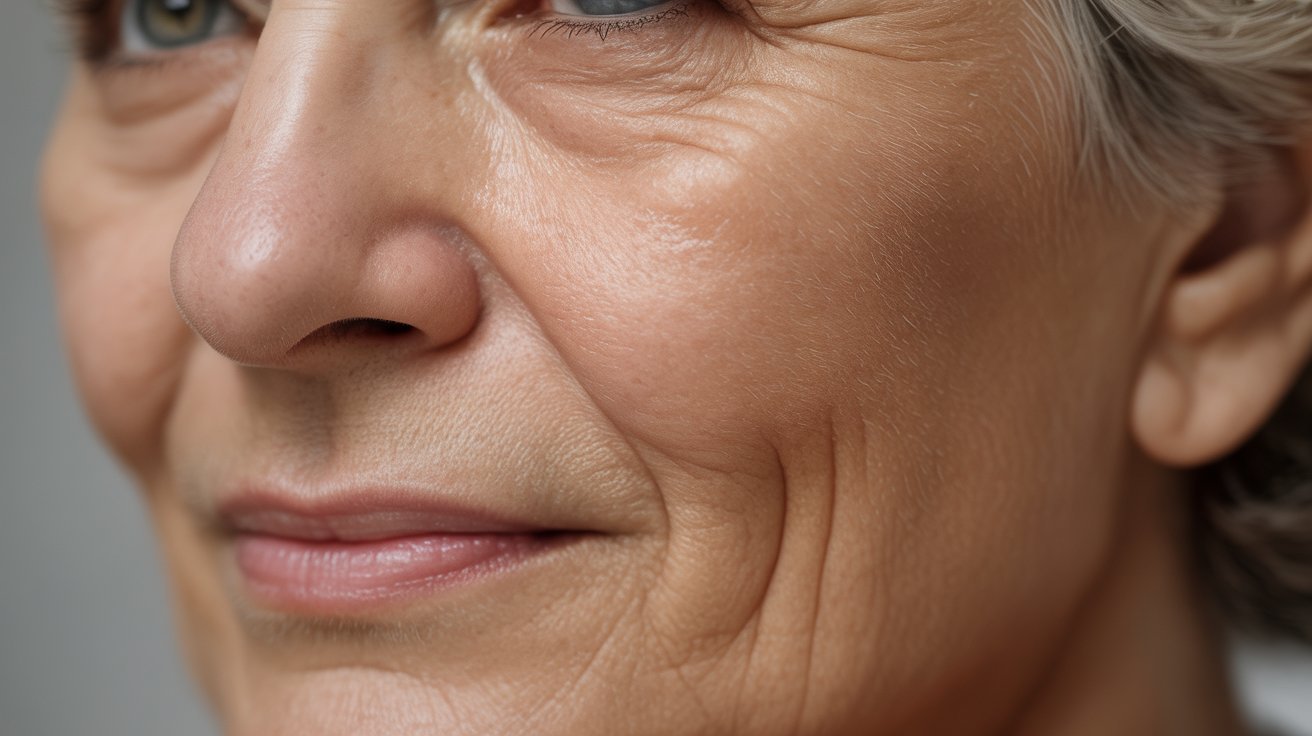
Sunken cheeks are exactly what they sound like. Your cheeks look hollow or drawn in, instead of full and rounded. This happens when you lose facial fat in the middle part of your face.
Your face has three main things that keep it looking plump: facial fat, collagen, and bone structure. When any of these decrease, your cheeks can start to sink inward.
You’ll notice some telltale signs. Your smile lines get deeper. You might see jowls forming along your jawline. The skin on your face starts to sag downward instead of staying firm and lifted.
I’ve seen how these changes can sneak up on you. One day your face looks fine, and the next you’re wondering where that fullness went.
Causes of Sunken Cheeks
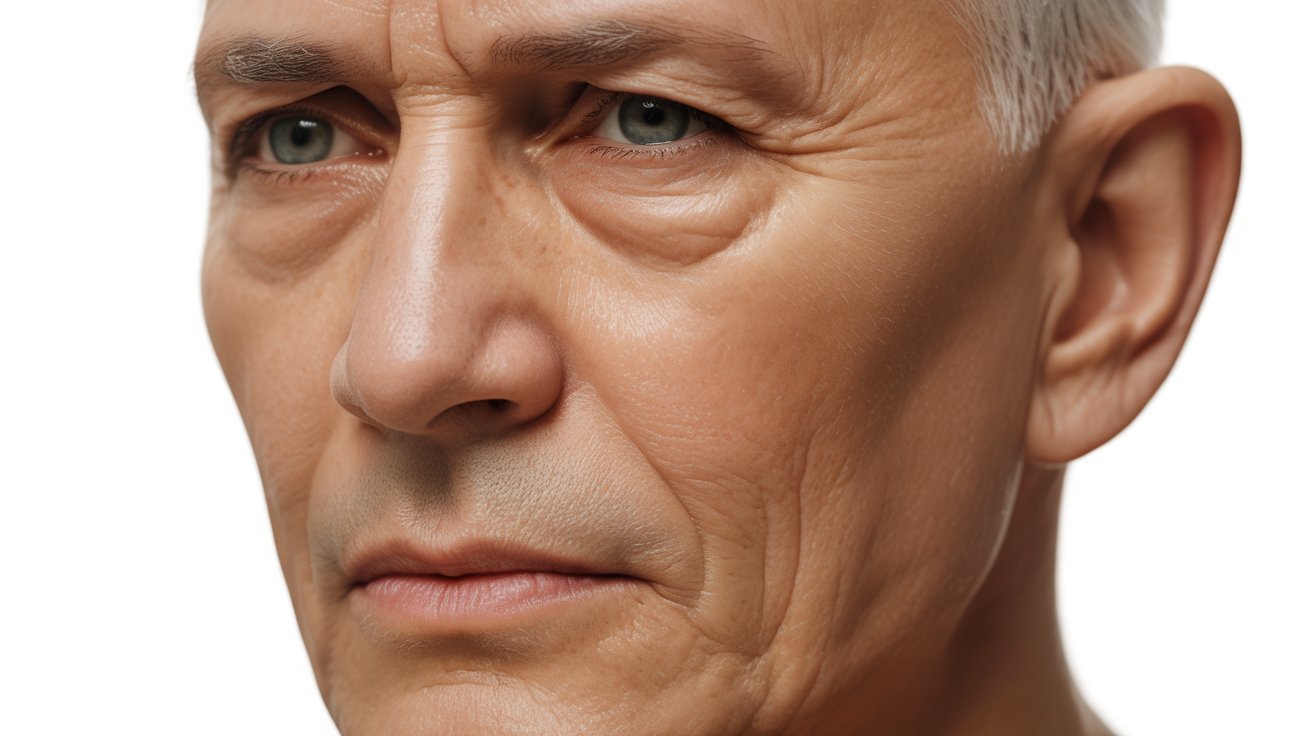
Several factors can make your cheeks lose volume. Let’s look at what might be causing yours so you can address it properly.
Natural Aging
Getting older is the most common reason. As we age, we lose the fat that sits just under our skin. This fat keeps our faces looking full.
Collagen breaks down over time too. It’s the scaffolding that holds everything up. When it depletes, your skin sags.
Your bones also shrink a bit as you get older. Less bone means less support for your facial tissues.
Medical Conditions
Some health conditions speed up facial fat loss. Ehlers-Danlos syndrome affects your connective tissue and can change your face shape.
Lipoatrophy causes fat loss in specific areas, including your face. People with HIV sometimes experience this.
Eating disorders like anorexia and bulimia cause rapid weight loss that shows in your cheeks. Tuberculosis can do the same.
Talk to your doctor if you think a medical condition is involved.
Lifestyle and Environmental Factors
Your daily habits matter more than you think. Heavy smoking breaks down collagen and restricts blood flow to your skin.
Extreme exercise or rapid weight loss can strip fat from your face. Poor sleep and dehydration affect how your skin looks. Constant sun exposure or harsh weather wears down your skin over time.
Medical and Cosmetic Treatments for Sunken Cheeks
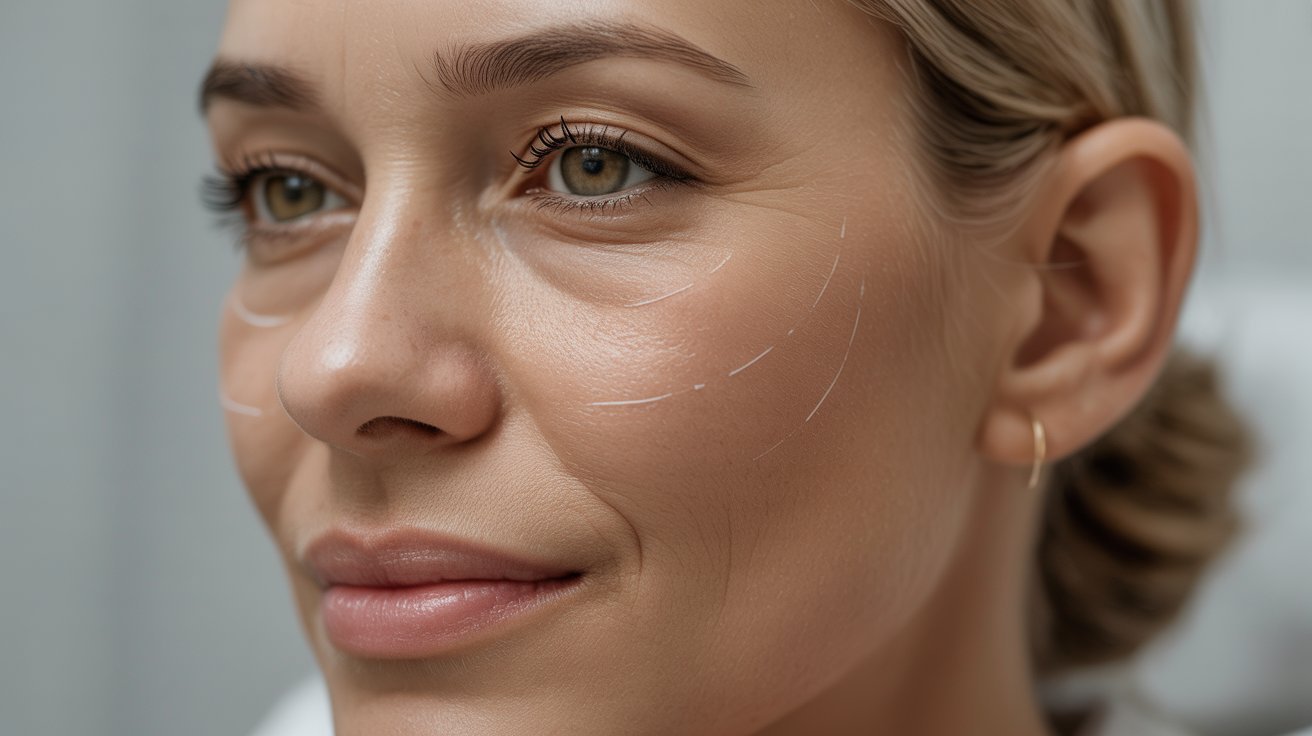
If home remedies aren’t enough, professional treatments can help. Here are the most effective options to restore volume to your cheeks.
Fat Grafting / Fat Transfer
This procedure takes fat from one part of your body and injects it into your cheeks. Your doctor harvests fat from areas like your thighs or abdomen.
The fat is processed and re-injected into your cheeks. Since it’s your own tissue, your body accepts it naturally. Results can last for years. Recovery takes about one to two weeks.
Dermal Fillers
Dermal fillers are quick and non-surgical. Most use hyaluronic acid, which plumps up your skin from the inside.
Popular options include Juvederm Voluma XC®, Restylane Contour, Restylane Lyft, and RHA fillers. The treatment takes about 30 minutes with minimal downtime. Results show up immediately and last 6 months to 2 years.
Biostimulatory Fillers
Sculptra and Radiesse trigger your body to make more collagen.
Results develop gradually over several months and look very natural. They can last two years or longer.
Non-Surgical Skin Tightening
These treatments use energy to firm up loose skin. Ultherapy and Sofwave use ultrasound. Thermage uses radiofrequency.
They heat deeper skin layers to trigger collagen production. Your skin gets tighter over time. They work well alone or combined with fillers for better results.
At-Home Options for Sunken Cheeks
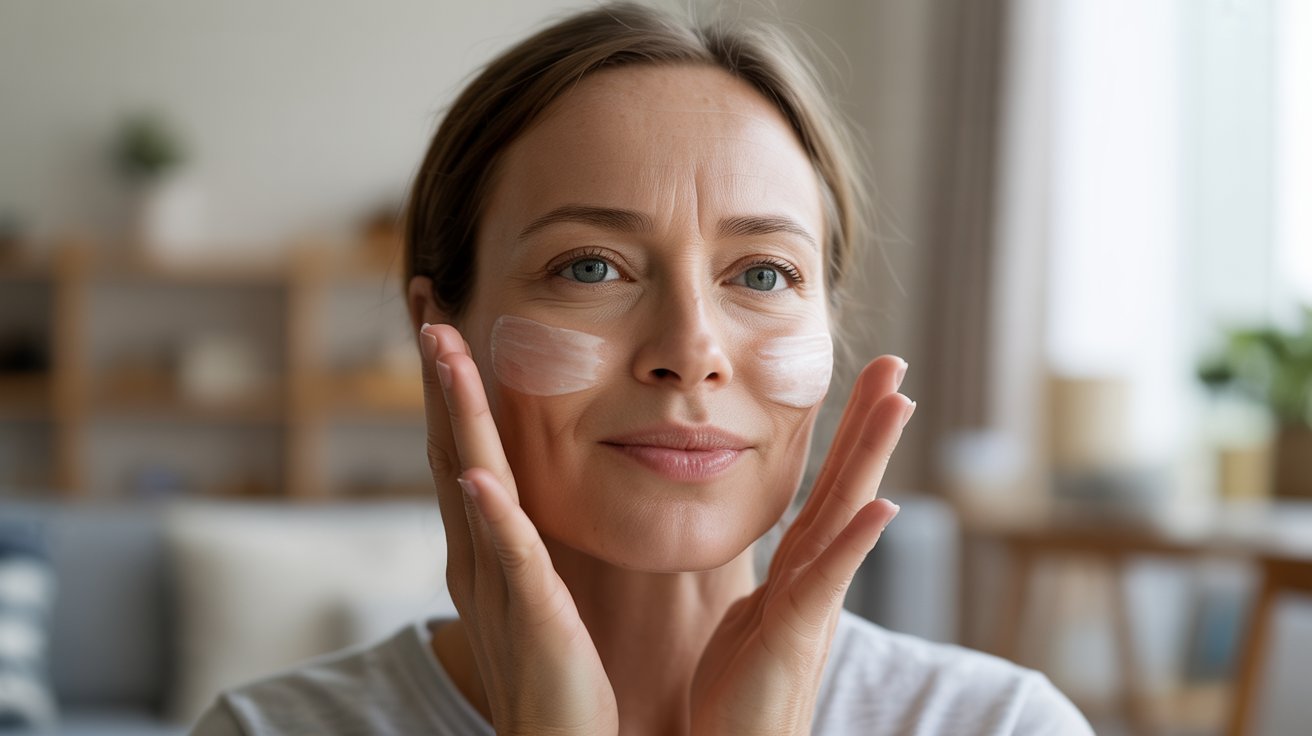
Not ready for professional treatments? There are some things you can try at home. Just know that these won’t give you the same dramatic results as medical procedures.
Facial Exercises
Facial exercises might help tone the muscles under your cheeks. Some people swear by them, though the results are subtle.
One simple exercise: Fill your cheeks with air and hold for 10 seconds. Move the air from one cheek to the other. Repeat this several times a day.
These exercises can strengthen facial muscles, but they won’t replace lost fat or collagen. Think of them as a maintenance tool, not a fix.
Nutrition and Hydration
What you eat and drink affects how your face looks. A balanced diet gives your skin the nutrients it needs to stay healthy.
Drink plenty of water throughout the day. Dehydrated skin looks more sunken and tired.
Maintaining a healthy weight helps too. Losing weight too quickly can hollow out your face. Gaining it back slowly might restore some fullness.
Topical Remedies
Some people drink aloe vera juice for skin elasticity. It might help your skin stay supple, but it won’t restore lost volume.
Face creams and serums can improve your skin’s texture and hydration. But they can’t rebuild fat or collagen from the outside.
Choosing the Right Treatment
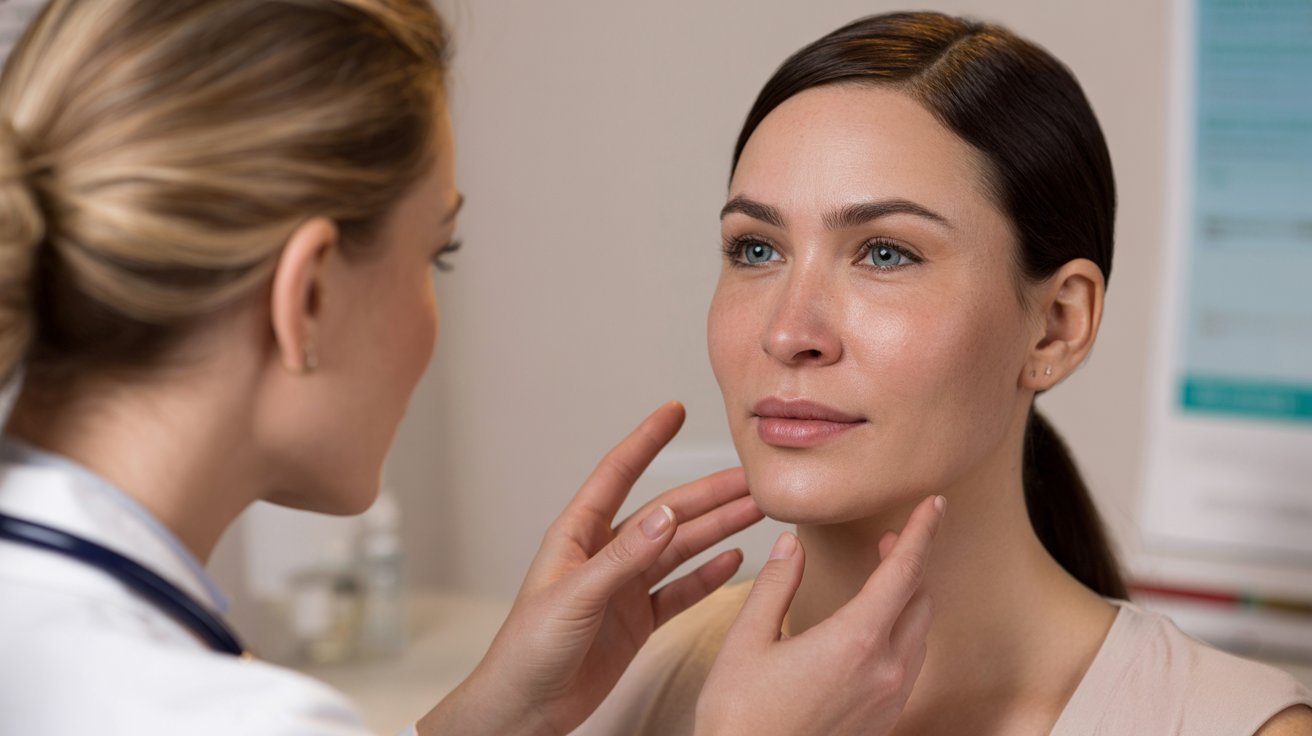
Your age, how hollow your cheeks look, and your lifestyle all affect which treatment works best for you.
I can’t stress this enough: talk to a board-certified dermatologist or plastic surgeon. They’ll assess your face and recommend the right approach.
Many people get better results by combining treatments. For example, fillers plus skin tightening can give you fuller, firmer cheeks. Your doctor will help you create a plan that fits your goals and budget.
Conclusion
Sunken cheeks can happen for many reasons, from natural aging to lifestyle choices and health conditions.
The good news is you have options, whether that’s professional treatments like fillers and fat grafting or at-home methods like facial exercises and better nutrition.
I’ve walked you through what works, but here’s my best advice: see a qualified dermatologist or plastic surgeon. They’ll give you safe, lasting results based on your specific needs.
Your face is worth the investment. Taking action now can help you feel like yourself again and boost your confidence for years to come.
Frequently Asked Questions
Can sunken cheeks be reversed naturally?
You can improve mild hollowness through facial exercises, proper nutrition, and staying hydrated. However, significant volume loss usually requires professional treatments like fillers or fat grafting for noticeable results.
How long do dermal fillers last in the cheeks?
Most hyaluronic acid fillers last between 6 months to 2 years, depending on the product used. Biostimulatory fillers like Sculptra can last even longer, sometimes up to 2 years or more.
Are there any risks with fat grafting procedures?
Fat grafting is generally safe since it uses your own tissue. Some risks include swelling, bruising, infection, or uneven results, which is why choosing an experienced surgeon matters.
At what age do cheeks start to look sunken?
Most people notice facial volume loss in their 30s or 40s as collagen and fat naturally decrease. However, genetics, lifestyle habits, and health conditions can make this happen earlier or later.
Do facial exercises really work for sunken cheeks?
Facial exercises can help tone muscles and might provide subtle improvements. They won’t restore lost fat or collagen, so they work best as a preventive measure rather than a solution for severe hollowing.