
Does Waxing Make Hair Thicker?

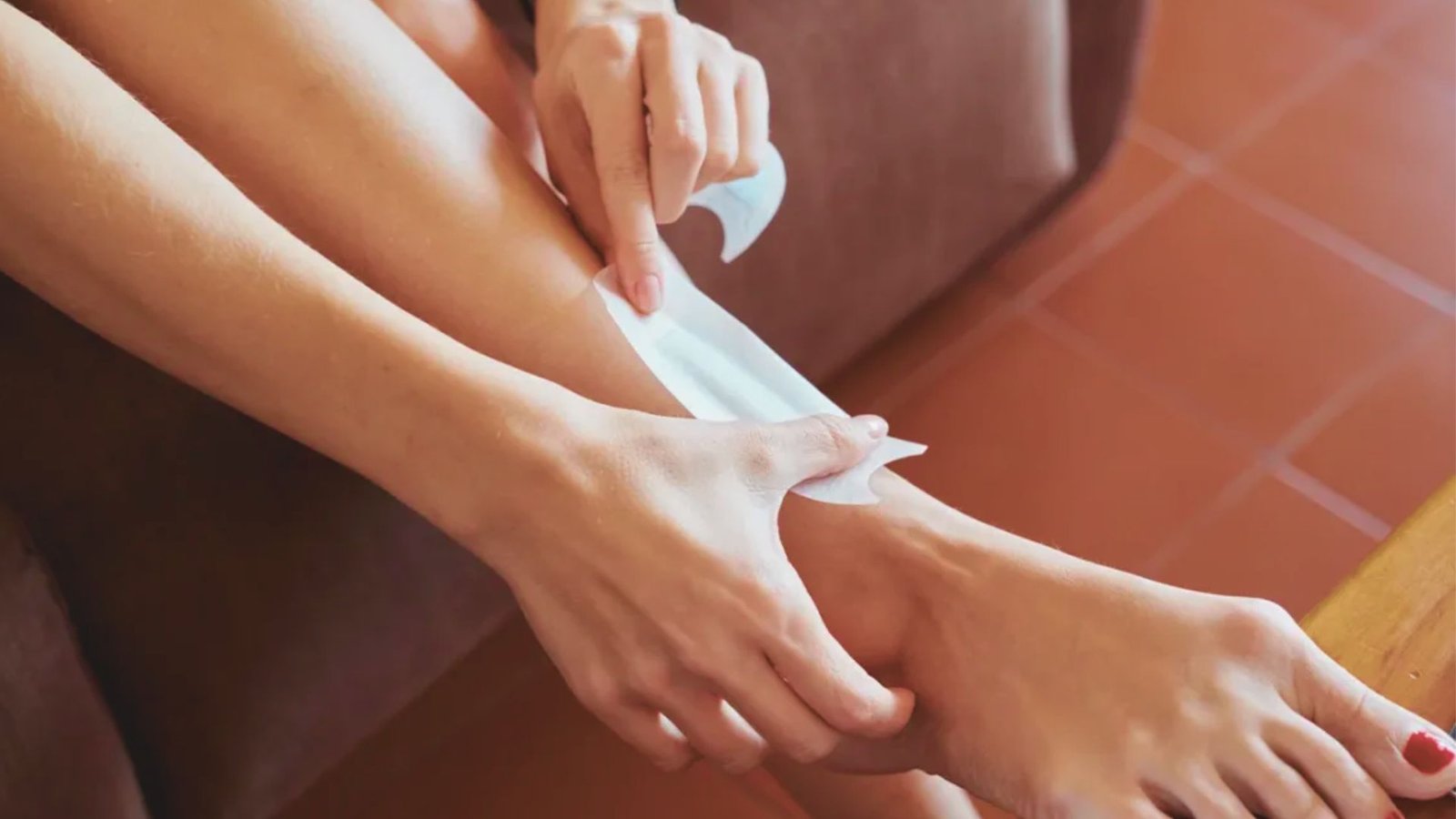
If you’ve ever wondered does waxing makes hair thicker, you’re not alone. I’ve heard this concern countless times, and I understand why it worries people. The good news? This is a myth we need to clear up. Hair doesn’t grow back thicker after waxing.
In this article, I’ll walk you through the science behind hair growth and explain exactly what happens when you wax.
You’ll learn about hair structure, growth cycles, and why waxing actually leads to finer regrowth over time.
Let’s get to the truth.
Understanding Hair Growth

Hair growth follows natural patterns that waxing cannot change. Your hair’s thickness comes from genetics, not your removal method.
Your hair has three main parts. The follicle sits under your skin and produces hair. The shaft is the visible part you see.
Each strand contains three layers: The medulla, cortex, and cuticle.
Hair grows in three phases. The anagen phase is when hair actively grows. This is the best time for waxing.
The catagen phase is when hair stops growing, and the follicle shrinks. The telogen phase is when hair rests and falls out naturally.
Your genes determine your hair’s thickness, color, and growth speed. Hormones, age, and medications also affect hair growth.
Waxing does not alter any of these factors. Your hair stays the same regardless of how you remove it.
Waxing and Hair Regrowth
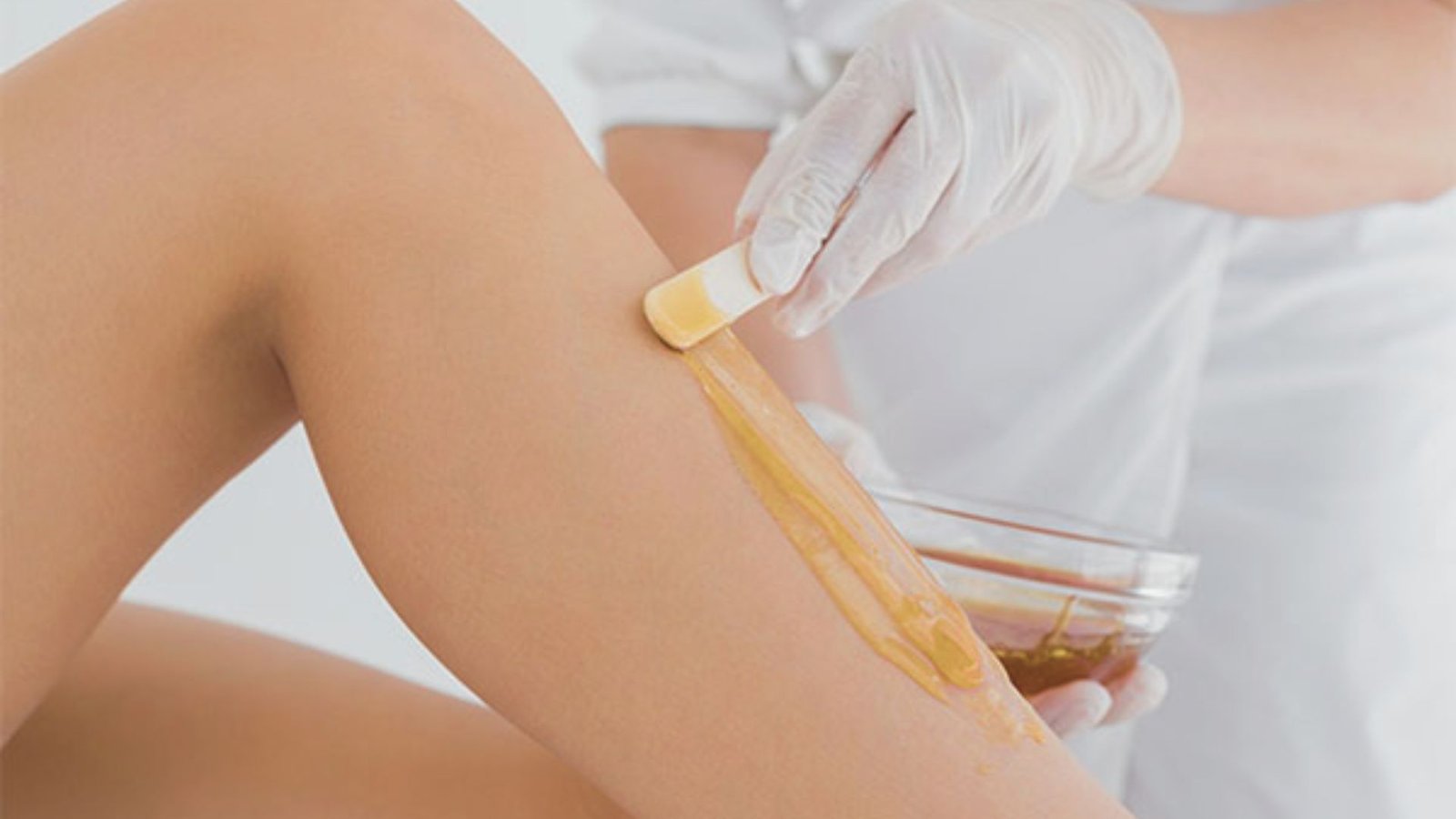
Waxing removes hair differently from other methods. Understanding this process helps explain what happens when hair grows back.
How Waxing Works
When you wax, hair gets pulled out from the root. This differs completely from shaving, which only cuts hair at the skin’s surface. The wax grips each strand and removes it along with the follicle bulb.
Over time, regular waxing weakens the hair follicles. The constant removal process makes follicles produce finer hair. Some follicles may even stop producing hair altogether after years of consistent waxing.
Common Misconceptions
Many people believe their hair looks thicker after waxing. This illusion occurs when smooth, bare skin suddenly shows new growth. The visual contrast makes hair seem more obvious than it really is.
Some confuse waxing effects with shaving results. Shaving creates blunt ends that feel stubbly and coarse. Waxing pulls hair from the root, so regrowth has soft, tapered ends. The two methods produce completely different results.
Another myth suggests waxing stimulates darker or denser hair. This simply isn’t true. Waxing removes hair without affecting the follicle’s ability to produce melanin or alter hair density. Your hair grows back the same color it would naturally be.
Benefits of Waxing Over Other Hair Removal Methods
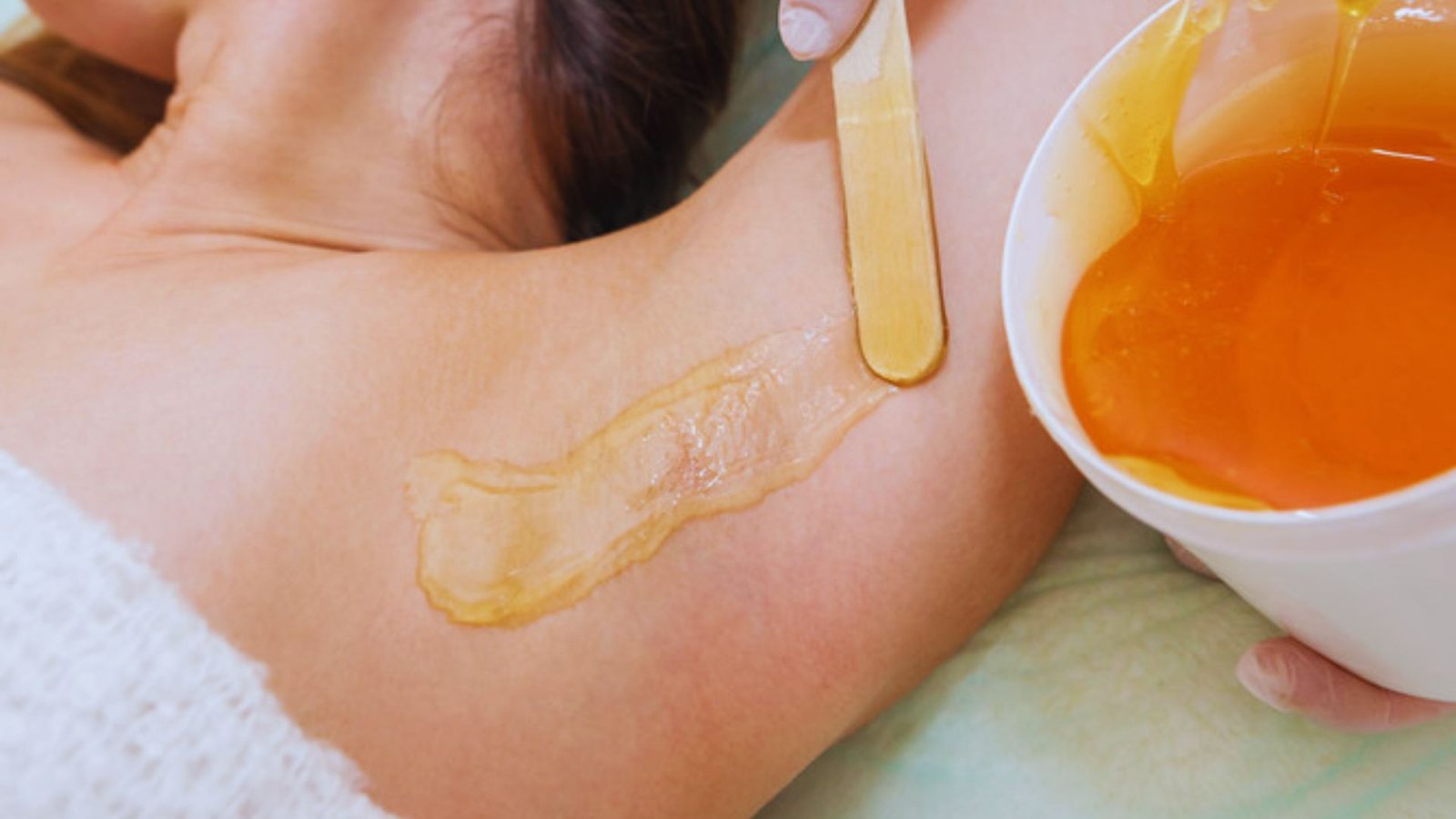
Waxing offers several advantages compared to shaving, depilatory creams, and other options.
Long-Lasting Results
After waxing, you stay hair-free for three to six weeks. This extended period beats shaving, which requires daily or every-other-day maintenance.
Hair needs time to grow back from the root, giving you smooth skin for much longer.
Reduced Risk of Ingrown Hairs
Waxing pulls hair out from the root rather than cutting it at the surface. This method creates fewer sharp edges that curl back into the skin.
While ingrown hairs can still happen, they occur less frequently with waxing than with shaving.
Smoother Skin and Follicle Weakening
Right after waxing, your skin feels incredibly smooth. No stubble, no rough patches. Just soft, clean skin.
Regular waxing sessions can reduce hair density over months and years. Follicles gradually weaken, producing thinner, lighter hair that becomes easier to remove.
What to Expect After Your First Waxing Session?
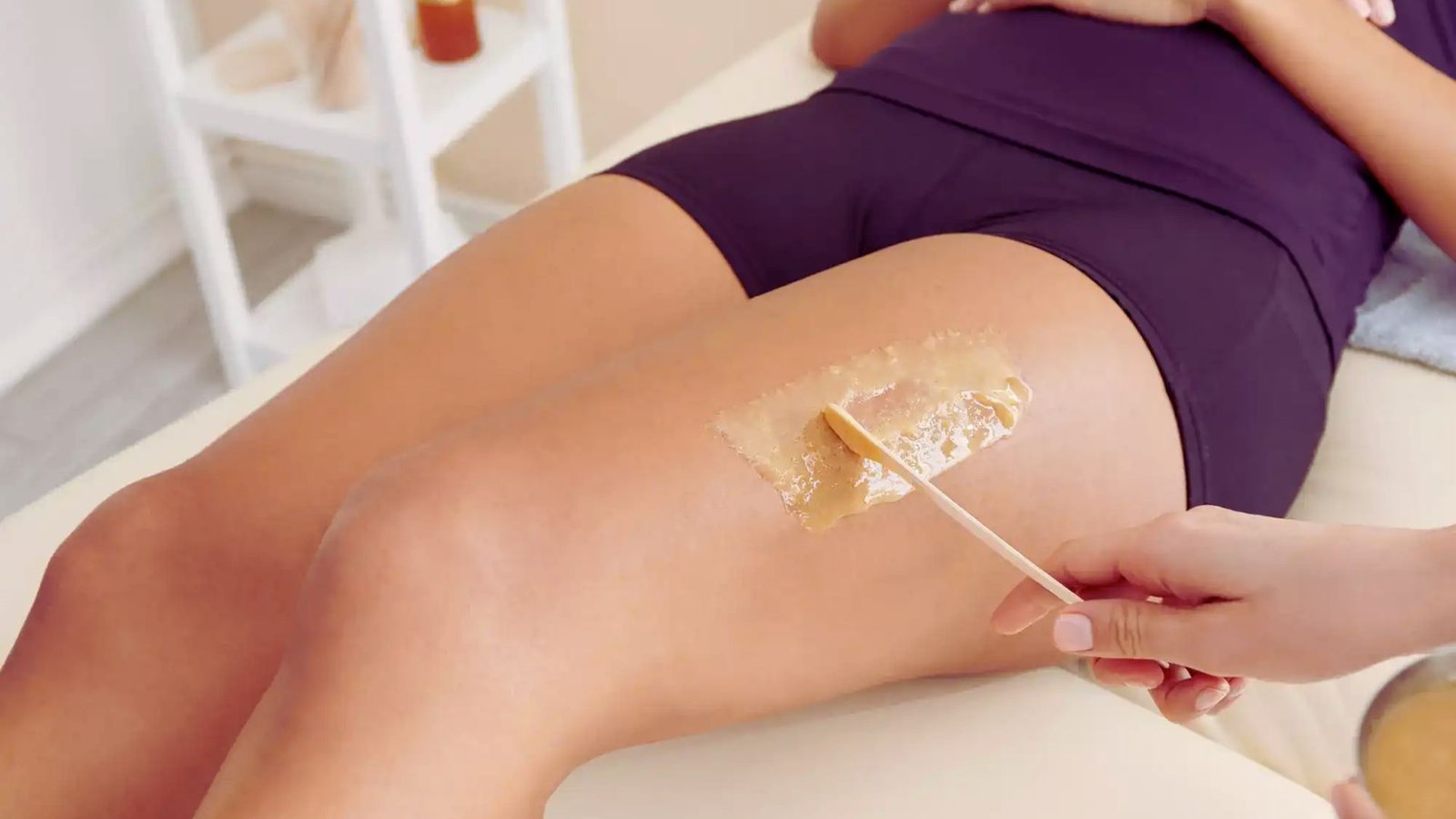
Your first waxing experience might feel different from what you expected. Right after waxing, your skin will be smooth and hair-free. You might notice some redness or sensitivity, which fades within a few hours.
In the first week, your skin stays completely smooth. Around week two or three, hair starts growing back. This regrowth appears softer and finer than before.
Some hairs grow back faster than others because they’re in different growth phases. This is normal during your first few sessions. After three to four weeks, you’ll be ready for your next appointment.
Don’t worry if the results aren’t perfect immediately. Most people see significant improvements after three to four consistent waxing sessions.
Tips for Optimal Hair Regrowth
Follow these guidelines to get the best results from your waxing routine.
- Schedule waxing appointments every three to six weeks to target hairs during their growth phase
- Stick to consistent timing so more hairs sync to the same cycle for better results
- Exfoliate your skin two to three days before waxing with a gentle scrub
- Wait 24 hours after waxing before exfoliating again to avoid irritation
- Moisturize daily with fragrance-free lotion to prevent ingrown hairs and keep skin smooth
- Use hard wax for sensitive areas like the bikini line and soft wax for larger areas like legs
- Talk to a dermatologist if you notice sudden changes in hair thickness or growth speed
Debunking Myths About Waxing
Let’s clear up some common misunderstandings about waxing.
- Waxing permanently removes hair. While regular waxing weakens follicles over time, it doesn’t guarantee permanent hair removal. Some people see a significant reduction after years of consistent waxing. Others maintain similar hair growth throughout their lives.
- Waxing makes hair thicker or darker. As we’ve discussed, this is false. Hair regrows at its natural thickness and color. The appearance of thickness comes from contrast with smooth skin, not actual changes to the hair.
- Waxing causes sagging skin. Proper waxing technique doesn’t damage skin elasticity. Professional estheticians pull wax in the right direction to minimize stress on skin. When done correctly, waxing doesn’t cause sagging or premature aging.
- Waxing is only for women. Anyone can benefit from waxing regardless of gender. Men commonly wax their backs, chests, and other areas. The process works the same for everyone.
Conclusion
Waxing absolutely does not make hair thicker. I’ve seen how this myth causes unnecessary worry, but the science is clear. Regular waxing actually leads to finer, softer regrowth over time. Your hair’s thickness comes from genetics and hormones, not your removal method.
If you choose professional waxing and follow proper aftercare, you’ll get the best results. I recommend sticking to a consistent schedule and keeping your skin moisturized.
Trust the process and give your body time to adjust. Have you tried waxing? Share your experience in the comments below!
Frequently Asked Questions
How long does it take for hair to grow back after waxing?
Hair grows back in three to six weeks after waxing. The timing depends on your growth cycle and the area waxed.
Can waxing damage my skin?
Proper waxing is safe for most skin types. Poor technique or low-quality wax can irritate. Choose experienced professionals for the best results.
Why does my hair feel stubbly a few days after waxing?
Short hairs in early growth phases were too small for wax to grip. They keep growing and become noticeable within days.
Is hard wax or soft wax better?
Hard wax works best for sensitive areas and coarse hair. Soft wax covers large areas quickly and removes fine hair well.
How can I prevent ingrown hairs after waxing?
Exfoliate gently two to three times weekly after 48 hours. Moisturize daily and wear loose clothing after waxing.