How Long After Waxing Can You Swim? Safe Timing + Tips


Getting waxed before a swim sounds like smart planning.
But most people skip one important step: giving the skin time to recover before hitting the water.
In this blog, I’ll answer exactly how long after waxing can you swim, explain why the timing matters, and walk you through what to do if you already made the mistake.
I’ll also cover the science behind the wait, real risks like infection and folliculitis, pool vs ocean differences, and a clear recovery plan if things go wrong.
I’ve been writing about skincare and body care for years. I’ve also learned this lesson the hard way.
By the end, you’ll know exactly what to do and when.
How Long After Waxing Can You Swim? (Exact Wait Time Explained)
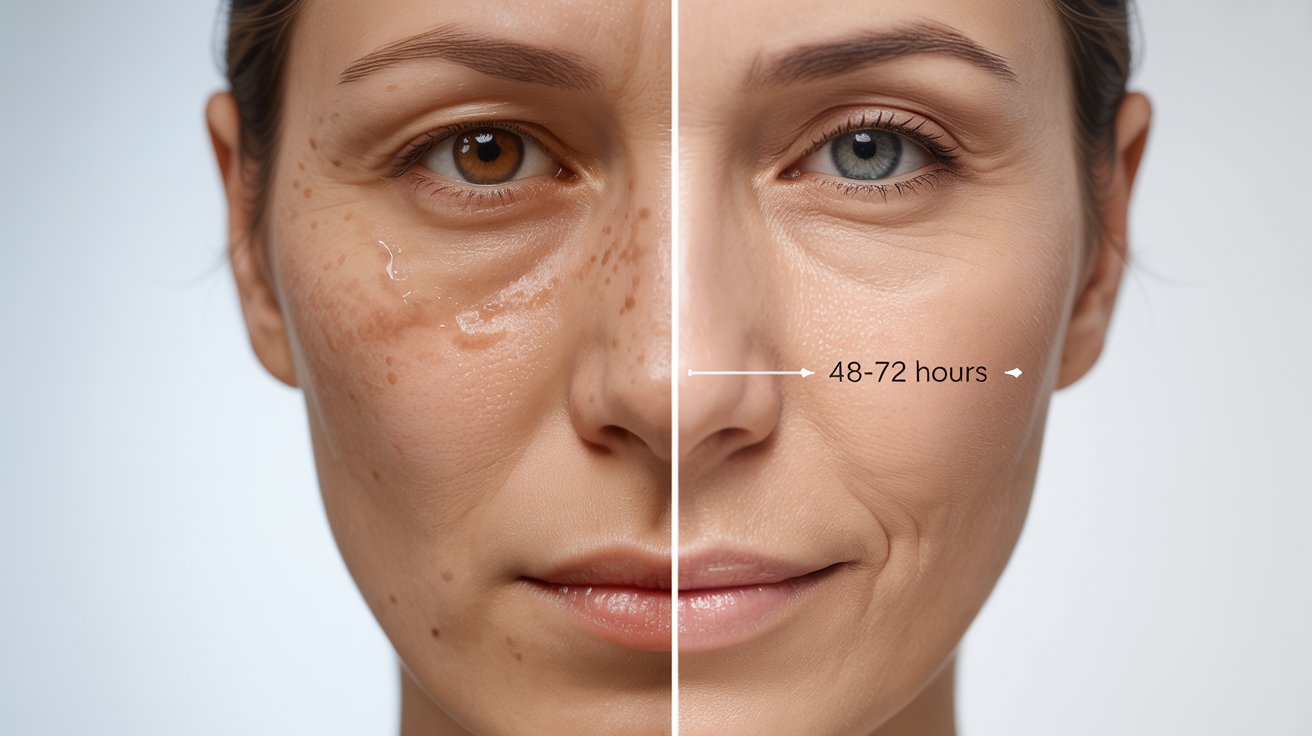
The standard wait time is 48 hours. Some skin professionals push that to 72 hours, especially for sensitive areas.
Right after waxing, your pores are open. The hair was pulled from the root, which leaves the follicles exposed. Any water contact at that stage can cause irritation, redness, or infection.
The 48-hour window lets your skin settle and the follicles close properly.
If you got a bikini wax, underarm wax, or any other sensitive area done, lean toward the 72-hour mark. These spots tend to stay reactive longer than areas like legs or arms.
What Happens If You Swim Too Soon? (Risks, Symptoms, and When to See a Doctor)
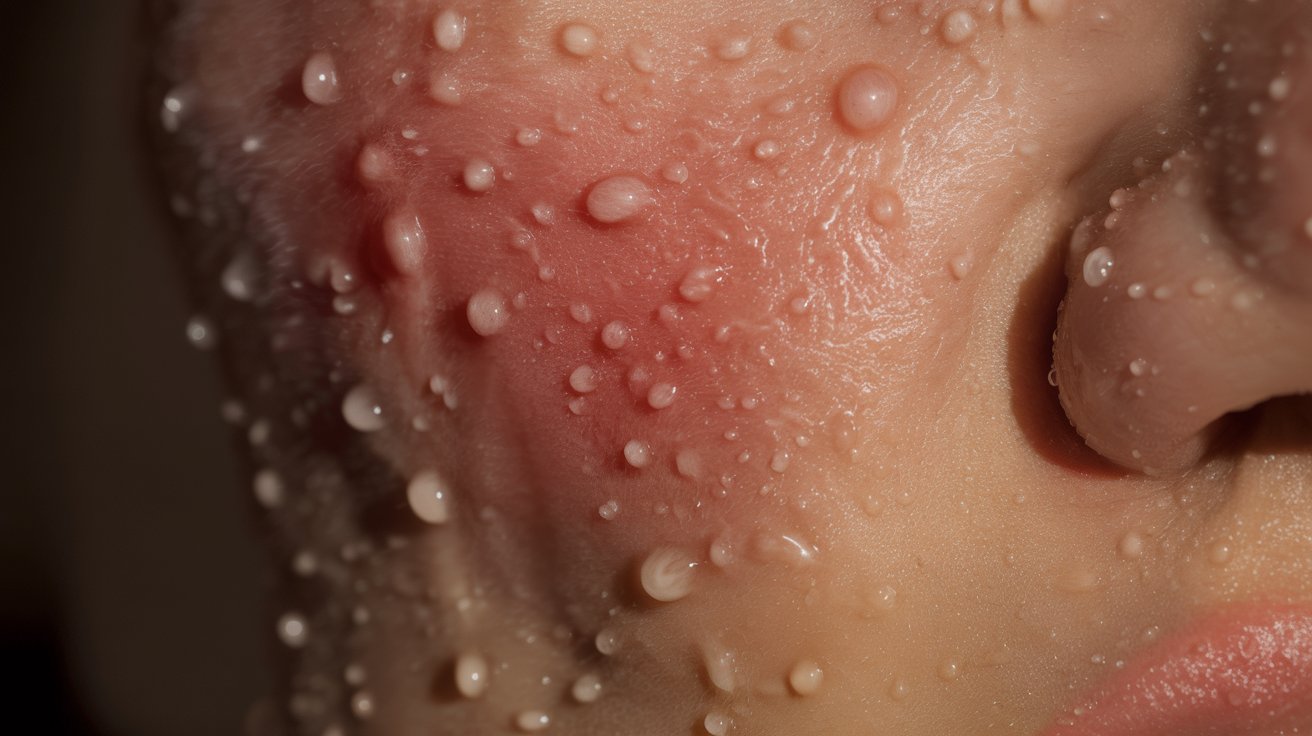
I jumped in a pool about two hours after waxing my legs once. The skin turned red fast.
There was a stinging sensation that didn’t stop for hours. A few days later, small bumps formed and stayed for nearly two weeks.
Here’s what’s actually happening under the skin. Waxing pulls hair from the root, which leaves each follicle as an open entry point.
Your skin’s natural protective barrier is also weakened right after waxing. Pool chemicals, salt, and bacteria can all get in quickly. The longer you stay in the water, the worse the exposure.
Common symptoms after swimming too soon:
Redness and stinging usually appear within minutes. Dryness and tightness follow, especially from chlorine or salt.
Small raised bumps can form if bacteria enter the follicles.
Folliculitis can also develop. This is when the hair follicles become inflamed due to bacteria or irritation. It looks like small, pus-filled bumps that are tender, itchy, and slow to clear up.
When to see a doctor:
See a doctor if any of the following happen:
- Redness spreads beyond the waxed area.
- Symptoms don’t improve after 3 to 4 days.
- Pus increases or bumps get larger.
- The skin feels warm to the touch for more than a day.
- You develop a fever.
Most mild irritation fades on its own with basic care. But spreading symptoms or signs of infection need medical attention and sometimes antibiotics. Don’t wait on those.
Does It Matter Where You Swim? (Pool vs Ocean vs Lake)
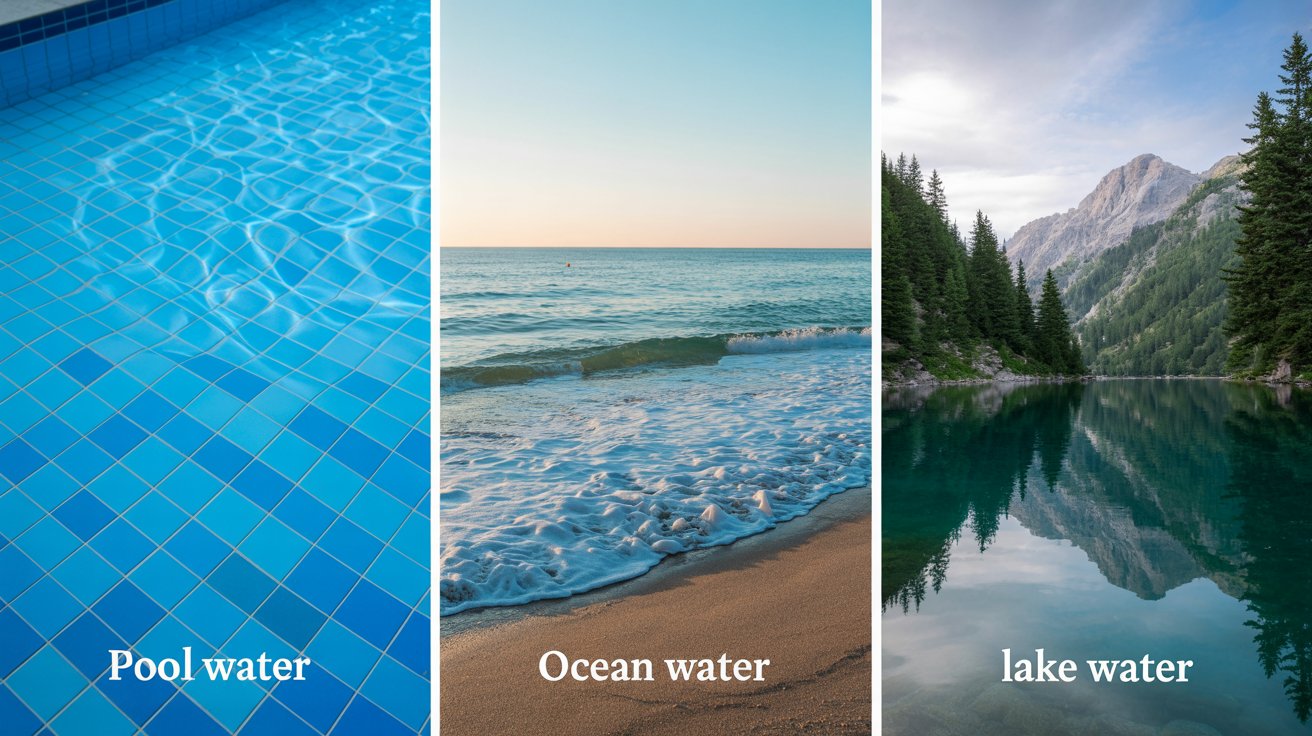
Yes, the type of water makes a real difference.
Pool water has chlorine. While chlorine kills bacteria, it also strips natural oils from the skin. On freshly waxed skin, this causes dryness, stinging, and slower recovery.
Ocean water is salty and carries natural bacteria. Salt dehydrates the skin quickly. Combined with open follicles, that’s a setup for irritation and possible infection.
Lake water is the highest risk. It’s untreated and often contains more bacteria and algae. Wait the full 72 hours before any lake swim after waxing. No exceptions.
If you have to pick, a clean pool with balanced chemicals is the least risky. But even then, 24 hours minimum is a must, and 48 is still the safer call.
Already Swam Too Soon? Do This Now
It happens. If you got in the water before the 48-hour mark, act quickly and follow these steps.
What to do immediately:
Rinse the waxed area with cool, clean water as soon as you get out. Pat the skin dry, don’t rub. Apply aloe vera gel or a fragrance-free soothing lotion right away to calm any redness.
What to avoid for the next 24 to 48 hours:
- Direct sun exposure on the waxed area.
- Tight clothing that rubs against the skin.
- Hot showers or baths.
- Scented products, alcohol-based toners, or exfoliants.
When to worry:
Keep a close eye on the skin over the next few days.
If you notice spreading redness, warmth, swelling, or pus-filled bumps that get worse instead of better, those are signs of infection.
See a doctor if symptoms don’t improve within 3 to 4 days or if they get worse at any point.
If you catch the early signs and treat the skin gently, most people recover without major problems. The goal is to stop adding stress to the skin as soon as possible.
How to Protect Your Skin If You Must Swim After Waxing
Sometimes timing doesn’t work out. If you have no choice, here’s how to lower the risk.
Apply a thin layer of petroleum jelly over the waxed area before getting in. It creates a light barrier between the skin and the water.
Keep your swim short. Less time in the water means less exposure to chemicals or bacteria.
After getting out, rinse the area with cool, fresh water right away. Pat dry and apply a gentle, unscented moisturizer.
Avoid hot showers, tight swimwear, and sun exposure right after. All of these add extra stress to already-sensitive skin.
This isn’t a perfect fix, but it does reduce the risk when waiting the full 48 hours isn’t possible.
Signs Your Skin Isn’t Ready for Swimming Yet
Before getting in the water, do a quick check on the waxed area. It takes 30 seconds and can save you a week of dealing with irritation.
These are signs the skin still needs more time:
- Redness that hasn’t fully faded.
- The area stings when gently pressed.
- Small bumps or raised texture are visible.
- The skin feels tight or looks dry.
- There’s warmth coming from the surface.
If any of these are present, wait another 24 hours and check again.
Skin that’s ready for swimming should feel calm and smooth. No redness, no sensitivity, no bumps. That’s your green light.
Expert Tips for Planning Waxing Around Swimming
The easiest fix is to plan ahead.
I always schedule my wax at least three days before a beach trip or pool event. By the time I’m in the water, the skin has fully settled and I’m not thinking about it at all.
If you’re heading on a vacation with a lot of swimming, wax a full week before you leave. That removes all timing pressure.
Talk to your waxing professional before your appointment. Tell them about your swim plans. They can give timing advice based on your skin type and the area being treated.
If you’re trying a new waxing service, do a patch test first. Skin reactions vary, and knowing how your skin responds ahead of time saves you from surprises later.
Knowing how long after waxing can you swim is only half the plan. The other half is timing your appointment so you never have to choose between the two.
Conclusion
So, how long after waxing can you swim? Wait 48 hours at minimum, or 72 hours if your skin is sensitive or you had a bikini or underarm wax.
That window gives your follicles time to close and your skin’s barrier a chance to recover.
If you already got in the water too soon, rinse right away, apply a soothing fragrance-free lotion, and watch for any spreading redness or bumps over the next few days.
My one actionable tip: schedule your wax at least three days before any swim.
A gentle, fragrance-free lotion used daily after waxing also helps speed up recovery and keeps the skin calm between sessions.
Have you tried any post-wax products that actually helped? Drop your go-to in the comments.
Frequently Asked Questions
Can I swim in the sea on the same day as waxing?
No, it’s not a good idea. Salt water carries bacteria and can irritate open follicles immediately after waxing, leading to redness, stinging, and possible infection.
Is it safe to go in a hot tub after waxing?
Hot tubs are actually riskier than regular pools after waxing. The warm water opens pores further and often carries more bacteria. Wait at least 72 hours before getting in.
Does body lotion help protect waxed skin before swimming?
A thick, fragrance-free lotion offers mild protection, but petroleum jelly works better as a physical barrier. Neither fully replaces the recommended 48 to 72 hour wait.
How do I know if my waxed skin has an infection?
Watch for spreading redness, warmth, swelling, or pus-filled bumps that get worse over time. If symptoms don’t improve in 3 to 4 days or you develop a fever, see a doctor.
Can I do a full body wax and swim the next day?
A full body wax leaves a large surface of open follicles, making water exposure riskier. Wait the full 72 hours, especially for sensitive areas like the bikini line or underarms.