Washing Hair Everyday Hair Loss Explained Simply


Have you ever stood in the shower, watching strands of hair swirl down the drain, and wondered if your daily washing routine is to blame? You’re not alone.
The concern about washing hair everyday hair loss has kept many people up at night, second-guessing their basic hygiene habits.
Here’s the truth that might surprise you: daily washing doesn’t make your hair fall out.
What matters more is how you wash and what products you use.
In this article, I’ll walk you through the science behind hair shedding, bust common myths, and share practical tips to keep your hair healthy without the worry.
Does Washing Your Hair Every Day Cause Hair Loss?
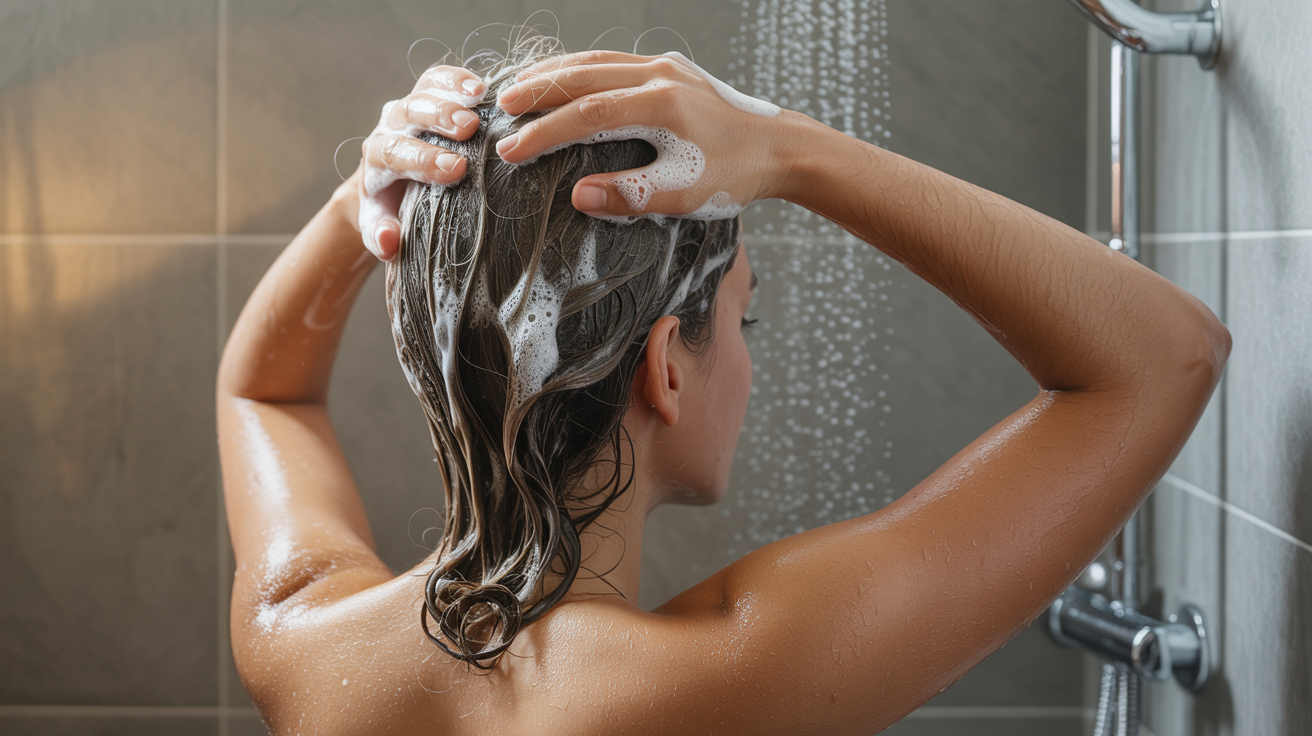
Let’s get straight to the point. No, washing your hair every day does not cause hair loss. This is one of the most persistent myths in hair care, and it’s time to put it to rest.
Your hair naturally sheds between 50 to 100 strands daily as part of its normal growth cycle.
When you wash your hair, you’re simply rinsing away hairs that have already detached from the follicle.
The water and gentle manipulation help release these loose strands that were ready to fall out anyway.
Research supports this too.
Studies examining washing hair everyday hair loss concerns found that people who washed their hair 5 to 6 times per week showed no negative effects on scalp or hair health.
In fact, participants reported higher satisfaction with their hair condition at this frequency.
The real concern isn’t about how often you wash. It’s about your technique and the products you choose.
Using harsh shampoos or scrubbing too aggressively can damage your hair, but the act of daily washing itself won’t make you go bald.
Why Does Hair Fall Out in the Shower?
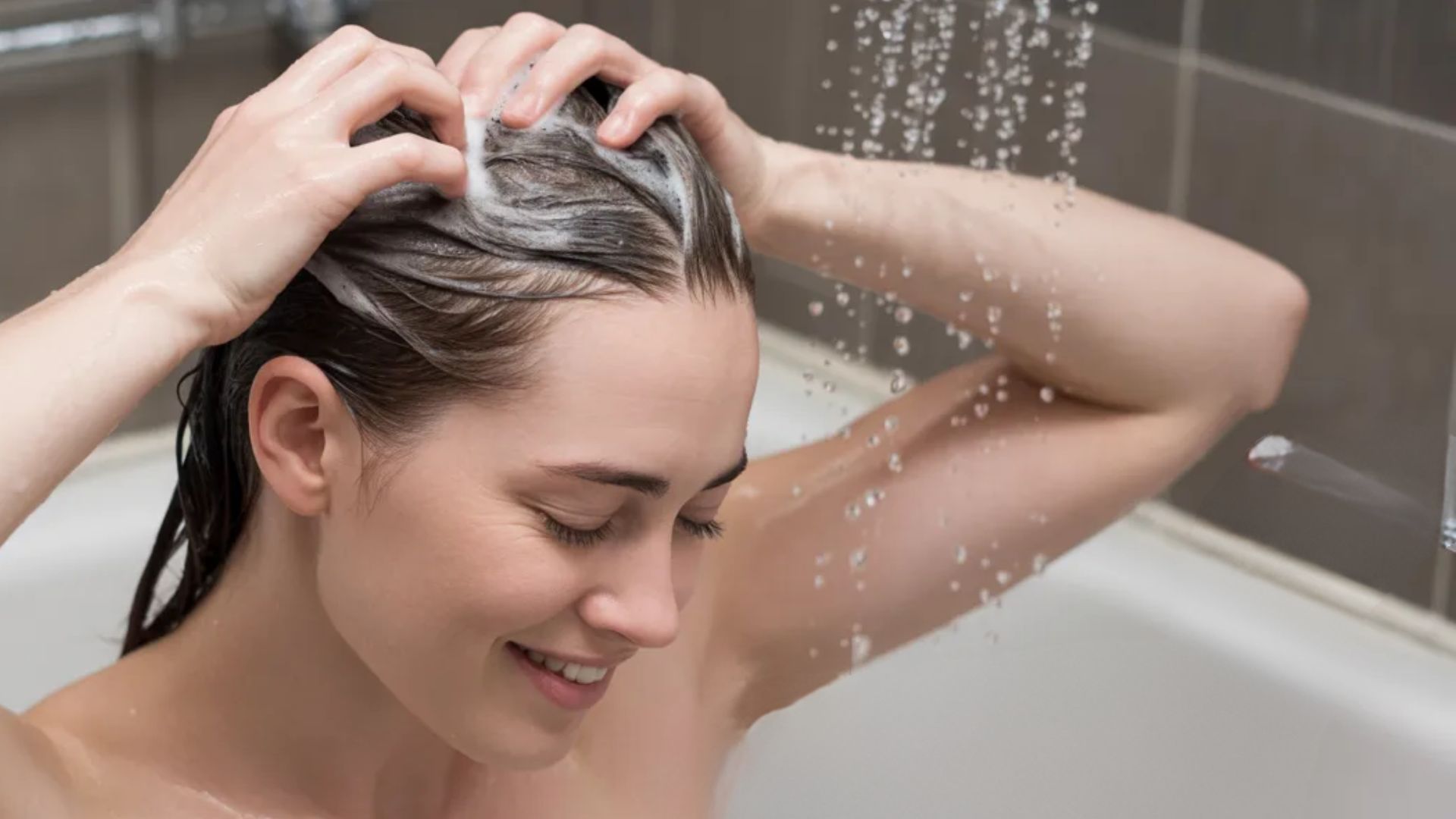
Seeing hair collect at the bottom of your shower can be alarming, but understanding the hair growth cycle helps explain what’s really happening.
Hair goes through three phases:
- Anagen phase (growth): Hair actively grows for 2 to 7 years
- Catagen phase (transition): A brief 2 to 3 week period where growth stops
- Telogen phase (resting): Hair rests for about 3 months before falling out
At any given time, about 10% of your hair is in the telogen phase, waiting to fall out naturally.
When you wash your hair, the water and gentle massage simply release these already-detached strands.
Here’s something that might surprise you: 100 hairs sounds like a lot, but it might only look like a small clump depending on your hair length.
If you wash infrequently, you’ll see more accumulated shedding all at once.
This doesn’t mean washing causes more loss. It’s just several days’ worth of naturally shed hair coming out together.
You should be concerned if you’re losing handfuls of hair, see visible thinning patches, or notice your part widening significantly.
These signs warrant a conversation with a healthcare professional or hair specialist.
The Truth About “Overwashing”
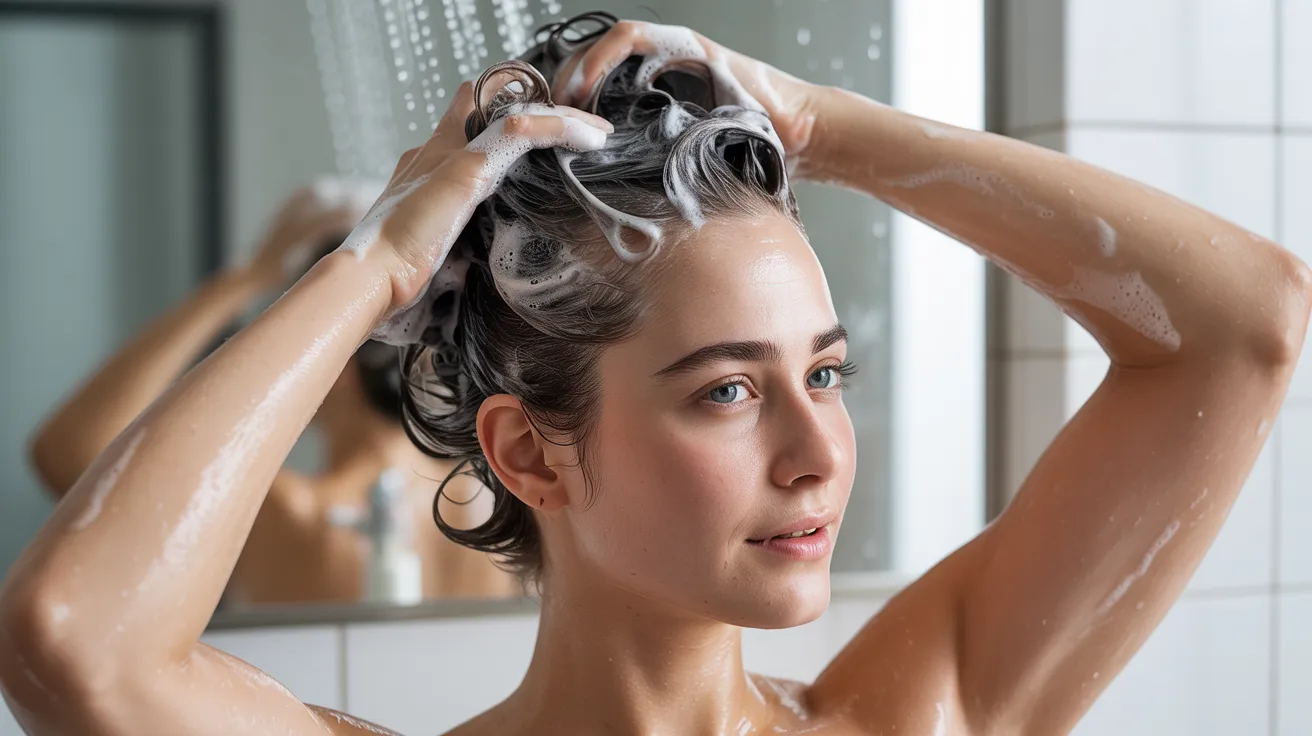
The “overwashing” myth claims frequent washing strips your scalp of natural oils, leaving hair dry and damaged. But your scalp doesn’t work that way.
Your sebaceous glands continuously produce sebum. When you wash, you’re removing buildup not depleting oil reserves. Your scalp simply makes more to stay balanced.
Regular washing clears greasy buildup that can clog follicles and weigh down strands. Clean hair looks fuller and shinier.
Washing frequency depends on your hair type:
- Fine or thin hair may need daily washing since oil shows quickly
- Thick, coarse, or Afro-textured hair needs less frequent washing
- Dry scalps: every 2-3 days
- Oily scalps: daily cleansing
This version is more concise while keeping the essential information and maintaining the conversational tone.
Benefits of Regular Hair Washing

Keeping your scalp clean through regular washing offers several important advantages for hair health.
A clean scalp creates the optimal environment for hair growth and prevents issues that can actually lead to problems.
Regular washing provides these key benefits:
- Removes accumulated dirt, pollution, and styling products that can clog follicles
- Prevents bacterial and fungal growth on the scalp
- Maintains a healthy pH balance for optimal scalp condition
- Stimulates blood circulation through gentle scalp massage during washing
- Improves hair appearance with added volume, shine, and natural movement
- Reduces itching and flaking by clearing away skin cells
When you wash regularly, your hair has more body because it’s not weighed down by buildup.
The gentle massage action during shampooing also promotes blood flow to the scalp, bringing nutrients to your hair follicles.
Think of washing as maintenance that keeps your hair’s foundation healthy and strong.
How Harsh Shampoos Can Damage Your Hair

Here’s where the washing hair everyday hair loss concern has some merit, but with an important distinction. It’s not the frequency that causes problems. It’s the quality of products you’re using.
Shampoos loaded with sulfates, parabens, and harsh chemicals can weaken your hair shaft over time.
These ingredients strip away too much natural oil, leaving hair dry, brittle, and prone to breakage.
When your hair becomes weak, it snaps off more easily, creating the appearance of hair loss.
But this breakage is different from true hair loss. Hair loss occurs when follicles stop producing new hair entirely.
Breakage happens along the hair shaft, leaving your follicles intact and functional.
The result looks similar (thinner hair), but the causes and solutions are completely different.
Poor-quality products cause more damage when used frequently.
If you wash your hair daily with a gentle, sulfate-free shampoo designed for your hair type, you’ll likely see better results than someone who washes twice weekly with harsh products.
How to Wash Your Hair Properly

Proper washing technique protects your hair while keeping it clean. The way you wash matters just as much as how often you do it.
Water Temperature Matters
Start your wash with lukewarm water. This temperature effectively opens your scalp’s pores, allowing for thorough cleansing without causing thermal shock to your hair.
Avoid using hot water, which can strip away too much natural oil and leave hair dry. At the end of your wash, rinse with cool water.
This helps close the hair cuticles, sealing in moisture and creating that glossy, smooth finish.
Application Technique
Apply shampoo directly to your scalp, not your hair ends. Your scalp is where oil is produced, so that’s what needs cleaning.
This massage serves two purposes: it cleanses thoroughly and stimulates blood flow to your follicles.
The lather will naturally run down your hair length as you rinse, cleaning the rest without extra scrubbing.
Product Amount and Rinsing
Use about a 50p-sized amount of shampoo for average-length hair. If you have very long, thick, or curly hair, you might need slightly more.
Using too much product doesn’t clean better. It just makes rinsing more difficult.
Rinse thoroughly until the water runs completely clear. Any leftover product creates buildup, making hair look dull and feel heavy. Take your time with this step.
Conditioning Strategy
Apply conditioner from mid-length to the ends of your hair only. Your ends are the oldest, driest part of your hair and need the most moisture.
Avoid putting conditioner on your scalp, as this can make roots look greasy and flat.
Leave the conditioner on for the time recommended on the bottle (usually 2 to 3 minutes). This allows it to penetrate the hair shaft properly. Rinse thoroughly with cool water for best results.
Protecting Your Hair During Washing

Beyond proper washing technique, several protective measures can prevent damage and keep your hair strong. These simple adjustments make a real difference in hair health.
When selecting products, prioritize these protective steps:
- Choose sulfate-free, paraben-free shampoos matched to your specific hair type
- Use a nourishing conditioner every time you wash to replenish moisture
- Handle wet hair with extra care since it’s more fragile when saturated
- Pat hair dry with a microfiber towel or soft t-shirt instead of rubbing vigorously
- Minimize heat styling tools like blow dryers and flat irons when possible
- Use a wide-tooth comb or wet brush designed for detangling damp hair
Your hair is at its weakest when wet, so gentle handling during and after washing prevents unnecessary breakage. Air drying is always better than heat when you have the time.
If you must use a blow dryer, keep it on a low heat setting and hold it at least 6 inches away from your hair.
Finding Your Personal Washing Balance
There’s no one-size-fits-all answer to washing hair everyday hair loss concerns because everyone’s hair is different. What works perfectly for your friend might not suit your needs at all.
Consider your individual hair type and texture first. Fine, straight hair shows oil quickly and often benefits from daily washing.
Thick, curly, or coily hair distributes oil more slowly and may only need washing once or twice weekly.
Your lifestyle plays a role too. If you exercise daily and sweat heavily, you’ll probably want to wash more frequently.
People who work in dusty environments or use styling products daily also benefit from more regular cleansing.
Environmental factors matter as well. High humidity can make hair look greasy faster, while dry climates might mean you can stretch time between washes.
Pay attention to how your scalp feels and how your hair looks. These signals tell you what your hair needs.
The key is flexibility. Your washing schedule isn’t set in stone. Adjust based on the season, your activities, and how your hair responds.
Conclusion
The bottom line is clear: washing hair everyday hair loss is a myth that needs to stop causing unnecessary worry. Daily washing won’t make your hair fall out.
Focus on using gentle, quality products and proper technique rather than counting days between washes.
Listen to what your hair tells you, and remember that some shedding is completely normal.
If you’re concerned about excessive hair loss, talk to a specialist.
Ready to change your routine? Start by choosing a sulfate-free shampoo today and notice the difference.
Frequently Asked Questions
Can Hard Water Affect Hair Health When Washing Daily?
Yes, hard water contains minerals that build up on hair, causing dryness and dullness. Install a shower filter to remove these minerals, or use a clarifying shampoo weekly to remove buildup and restore hair health.
Should I Wash My Hair Less If I’m Experiencing Hair Thinning?
No, reducing washing won’t stop actual hair loss. A clean scalp supports healthy hair growth. Continue washing as needed, but if thinning persists, consult a hair specialist to identify the underlying cause.
Is It Better to Wash Hair in the Morning or at Night?
Either time works fine for preventing washing hair everyday hair loss. Morning washing gives you styled hair for the day, while night washing saves time. Choose based on your schedule and preference, as timing doesn’t affect hair health.
Can Skipping Shampoo and Using Only Water Prevent Hair Loss?
Water-only washing can’t remove all buildup and oil effectively. This may lead to clogged follicles and scalp issues. Co-washing (conditioner only) works for some hair types, but most people need shampoo for proper cleansing.
Does Hair Texture Change With Daily Washing?
No, your hair texture won’t change with daily washing. Hair shafts are made of dead cells that can’t adapt to products or routines. If you notice changes, it’s likely due to product buildup, not your washing frequency.