Why Does My Face Burn When I Wash It? Learn Why


Does your face sting or burn when you wash it? I’ve been there, and it’s frustrating. The burning can happen with water, soap, or your favorite cleanser.
This isn’t normal, even though it’s common. In this article, I’ll explain why your face burns when you wash it and show you exactly how to fix it.
We’ll cover harsh products, hot water damage, and broken skin barriers. I’ve spent years helping people solve this exact problem.
By the end, you’ll know what’s causing the burn and how to make it stop. Let’s get your skin comfortable again.
Why Does My Face Burn When I Wash It?
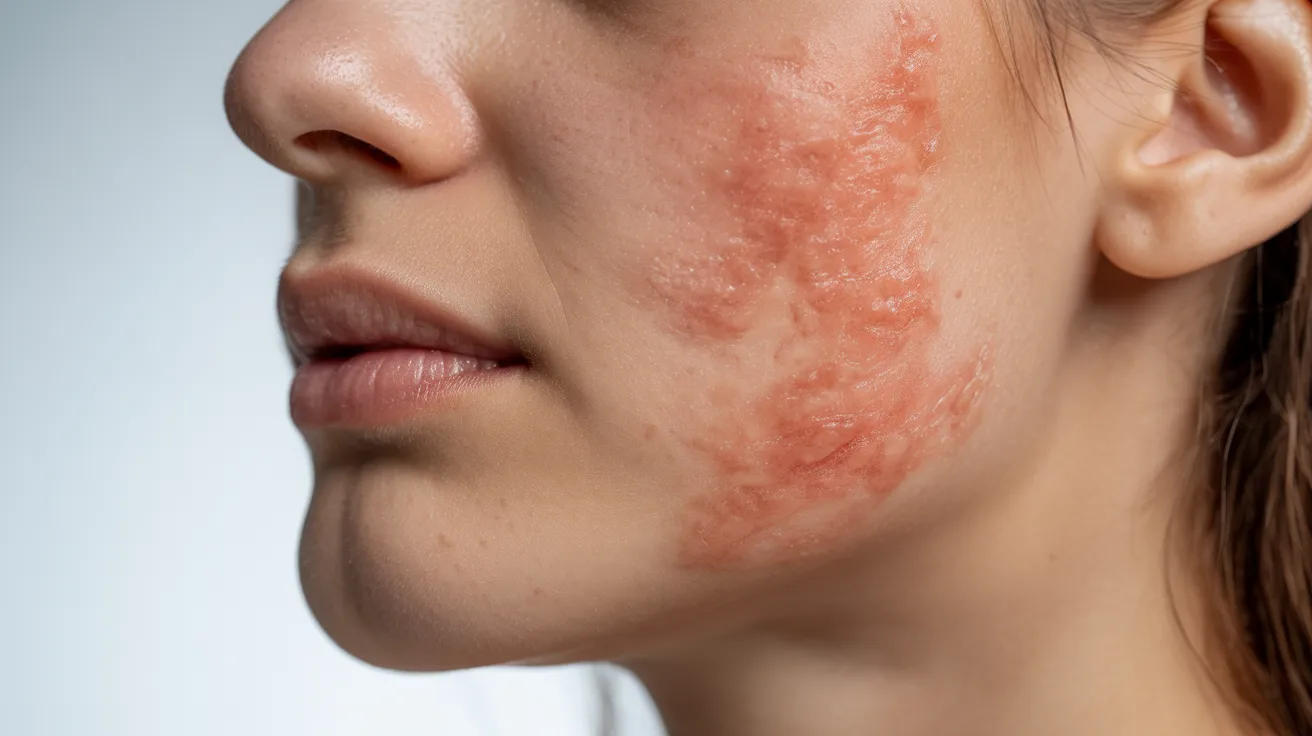
Your face burns for several clear reasons. A damaged skin barrier means your protective layer is broken or weak. Harsh soaps strip away the natural oils your skin needs. Hot water irritates and dries out your face quickly.
Over-washing removes too many protective oils. You might also have sensitive skin that reacts strongly to ingredients or temperature changes.
Skin conditions like rosacea, eczema, or dermatitis make your face more reactive to everything. The burning you feel is your skin sending pain signals. It’s your body’s way of saying something is damaging your skin and you need to stop.
Why Does My Face Burn When I Wash It With Water?

Water can burn your face when it’s too hot or hard, damaging your protective skin barrier.
Hot Water Weakens the Skin Barrier
Hot water feels good, but it damages your skin every time you use it. The heat strips away natural oils that protect your face from irritation. Without these oils, your skin becomes dry and sensitive.
Hot water also causes immediate redness and dilates your blood vessels, making inflammation worse. I used to take hot showers and wonder why my face felt tight. Switching to lukewarm water changed everything.
Hard Water Irritation
Hard water contains high levels of minerals like calcium and magnesium that build up on your skin. This mineral buildup clogs pores and prevents moisture from getting in.
Hard water also raises your skin’s pH level, which disrupts the natural acid mantle. The result is more dryness and burning that gets worse over time.
Compromised Skin Barrier
Your skin barrier might already be weak before you even wash your face. Over-exfoliation damages this protective layer by creating micro-tears from scrubs, acids, or rough washcloths.
Retinoids and chemical peels also thin the skin. When you wash your face afterward, the water stings because your exposed skin can’t handle even gentle contact.
Why Does My Face Burn When I Wash It With Soap?
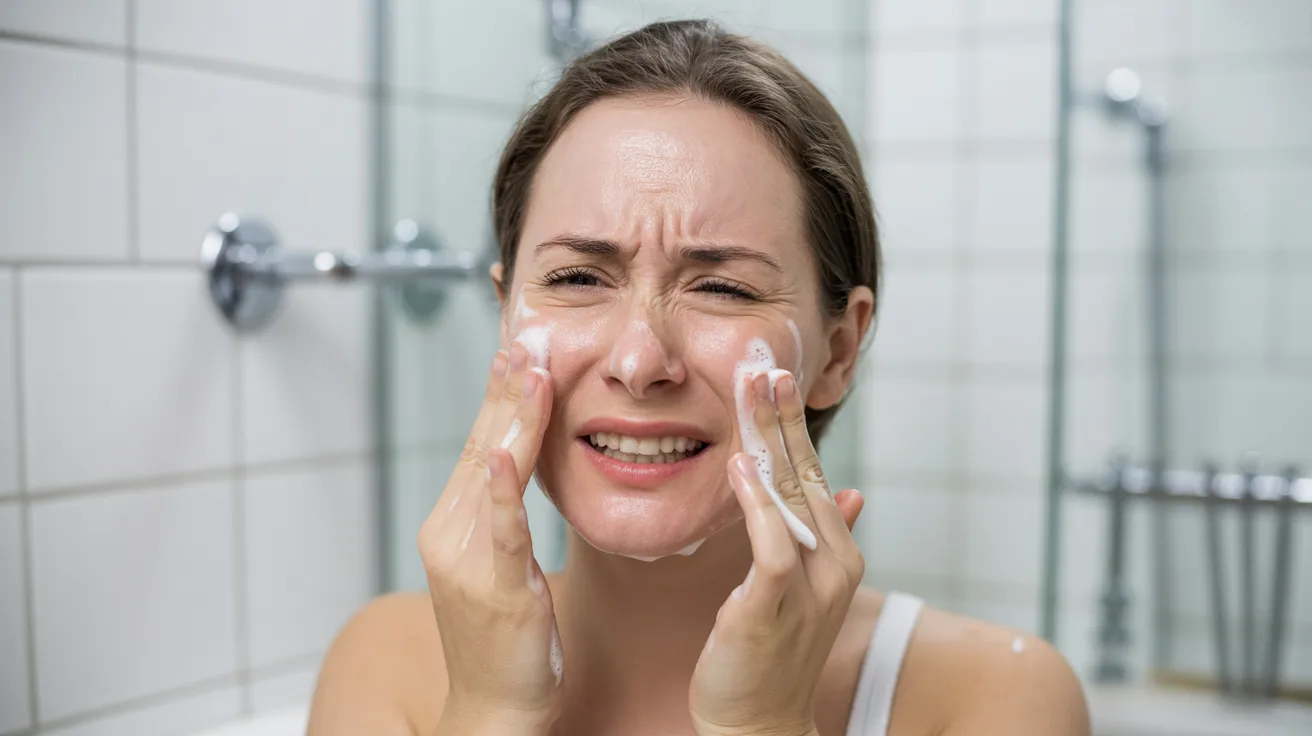
Regular soap has harsh ingredients and high pH levels that irritate delicate facial skin.
Soap Is Too Harsh for Facial Skin
Bar soap works fine for your hands, but your face is different. Most soaps have a high pH level between 9 and 10, while your skin’s natural pH is around 5.5. This huge difference disrupts your skin’s protective acid mantle.
When you use regular soap on your face, it strips everything away and leaves your skin defenseless, causing that burning sensation.
Fragrance and Alcohol Irritation
Fragrances smell nice, but they trigger burning and redness on your face. Alcohol dries out your skin fast, and many soaps contain both of these irritants.
Your skin reacts by stinging and getting inflamed. Even soaps labeled as “gentle” can have hidden fragrance, so always check the ingredient list before using anything on your face.
Acne or Antibacterial Soaps
Acne soaps often contain benzoyl peroxide, which fights bacteria but also irritates skin. Antibacterial soaps use strong surfactants that break down your skin’s natural barrier.
The burning you feel is actually damage happening in real time. I tried using acne soap twice daily once, and my face felt like it was on fire. Less really is more with these products.
Common Causes of Burning When Washing Your Face
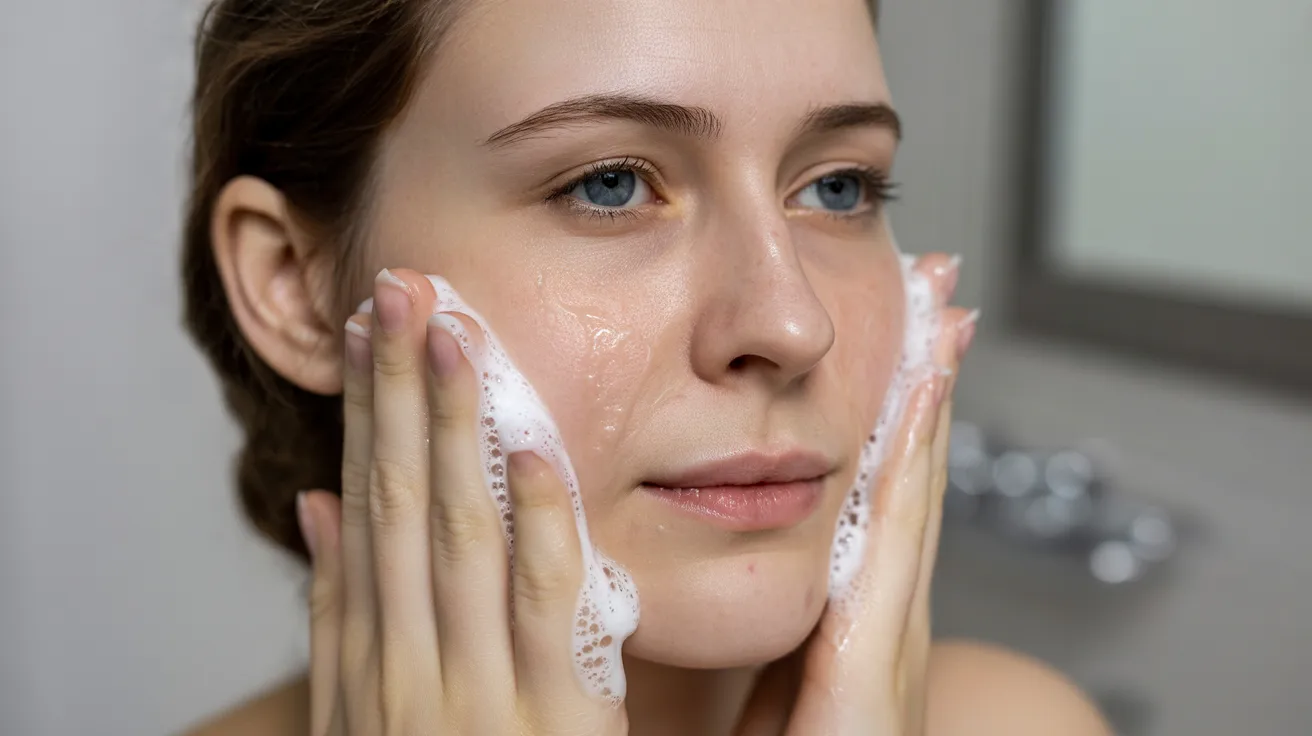
Burning happens when you use wrong products, wash too much, or have damaged skin barriers.
Using the Wrong Cleanser for Your Skin Type
Not all cleansers work for every face. Oily skin needs different products than dry skin. If you have dry skin and use a cleanser made for oily skin, you’ll strip away too much oil and the burning starts immediately. Combination skin needs balance, and using the wrong product throws everything off.
Over-Washing Your Face
Washing your face feels productive, but doing it too often backfires. Twice daily is enough for most people. Washing more than that removes protective oils faster than your skin can rebuild its barrier. Each wash strips a little more protection away. Eventually, even plain water burns.
Damaged Moisture Barrier
Your moisture barrier is like a brick wall where the cells are bricks and the oils and lipids are mortar. When this barrier breaks down, irritants get in easily and water evaporates out faster. Your face becomes dry, tight, and sensitive. Burning is one of the first signs of barrier damage.
Sensitive Skin or Allergic Reaction
Some people have naturally sensitive skin where their nerve endings react more strongly to stimulation. Allergic reactions cause immediate burning. You might be allergic to an ingredient in your cleanser, and fragrance, preservatives, and sulfates are common culprits.
Underlying Skin Conditions (Rosacea, Eczema, Dermatitis)
Rosacea makes your skin red and reactive, and washing can trigger flare-ups. Eczema creates dry, inflamed patches that burn when exposed to water or cleansers. Dermatitis means your skin is already inflamed, so adding products makes it worse. If you have any of these conditions, gentle care is critical.
How to Stop Your Face From Burning When You Wash It

Stop the burning by using gentle cleansers, lukewarm water, and repairing your skin barrier.
Switch to a Gentle, Fragrance-Free Cleanser
Choose a cleanser made for sensitive skin. Look for ceramides in the ingredient list because these help rebuild your skin barrier. Hyaluronic acid adds moisture without irritation.
Pick sulfate-free formulas since sulfates create foam but also strip your skin. Fragrance-free is non-negotiable, and even natural fragrances can irritate your face.
Use Lukewarm Water
Temperature matters more than you think. Use water that feels neutral on your wrist, not hot, not cold, just comfortable.
Avoid long, hot showers on your face, and keep face washing separate if you like hot showers for your body. This simple change can stop burning within days.
Simplify Your Skincare Routine
More products don’t mean better skin. Pause all exfoliants until the burning stops, including scrubs, acids, and retinoids. Focus on barrier repair and use only cleanser and moisturizer for now. Your skin needs time to heal, so give it that time.
Moisturize Immediately After Cleansing
Don’t wait to moisturize after washing your face. Apply your moisturizer to damp skin right after washing because this locks in moisture before it evaporates.
Use a thick, creamy moisturizer since gel formulas don’t provide enough protection for damaged skin. Do this morning and night without fail.
Tips to Prevent Burning Sensation in the Future
Prevention keeps your skin healthy by avoiding irritants and protecting your moisture barrier.
Follow these rules to keep your face comfortable:
- Always patch test new products – Apply a small amount to your inner arm first and wait 24 hours. If no reaction happens, it’s safer for your face.
- Wash your face only twice daily – Once in the morning and once at night. No more than that.
- Avoid harsh soaps and body washes on your face – Use products made specifically for facial skin, not your body.
- Keep showers under 10 minutes – Long exposure to water damages your skin barrier over time.
- Pat dry with a soft, clean towel – Don’t rub your face. Rubbing creates friction and irritation.
- Maintain a simple, pH-balanced skincare routine – Your skin thrives on consistency and gentleness, not complicated routines.
Conclusion
Your face shouldn’t burn when you wash it. I know how uncomfortable and worrying this feels. The good news? You can fix it. Start by switching to a gentle cleanser and using lukewarm water.
Give your skin barrier time to heal. Most people see improvement within a week. If the burning continues after two weeks, see a dermatologist.
There might be an underlying condition that needs treatment. Your skin deserves to feel calm and comfortable.
Take action today, and you’ll thank yourself tomorrow. Have you dealt with burning skin? Drop a comment below and share what worked for you.
Frequently Asked Questions
Is it normal for my face to burn when I wash it?
No, burning is not normal. It signals irritation, damage, or sensitivity. Healthy skin should feel comfortable during and after washing, not painful or tight.
Can hard water cause my face to burn?
Yes, hard water contains minerals that irritate skin. These minerals disrupt your skin’s pH balance and can cause dryness, leading to burning sensations when you wash.
Should I stop washing my face if it burns?
Don’t stop washing, but change your method. Switch to a gentle, fragrance-free cleanser and use lukewarm water. If burning persists, consult a dermatologist.
How long does it take for burning to stop?
Most people notice improvement within 3-7 days of using gentle products and lukewarm water. Complete barrier repair can take 2-4 weeks with consistent care.
When should I see a dermatologist for burning skin?
See a doctor if burning lasts more than two weeks, comes with severe redness or swelling, or if you suspect rosacea, eczema, or an allergic reaction.