Nicotinamide vs Niacinamide What You Should Know


I used to stare at two product labels wondering if I was buying the same thing twice. One said nicotinamide, the other said niacinamide. Sound familiar?
Here is the good news, I did the research so you do not have to.
In this blog, I will walk you through the nicotinamide vs niacinamide confusion once and for all. You will learn what they are, how they work, their real benefits, safety tips, and who should be careful.
I have covered skincare and health topics for years, and I want this to be the only article you need on this topic.
Understanding Nicotinamide and Niacinamide
Nicotinamide is one of the two main forms of Vitamin B3, the other being niacin. Unlike niacin, it does not cause skin flushing, making it easier to use daily.
The name niacinamide comes from combining “niacin” and “amide” and refers to the exact same molecule. Niacinamide grew popular in skincare, while nicotinamide stuck in medical writing.
Neither is wrong. Once your body absorbs it, nicotinamide helps produce NAD+ and NADP+, coenzymes your cells need for energy and repair.
It also supports DNA maintenance and helps reduce cell damage caused by everyday stress.
Nicotinamide vs Niacinamide Are They Really Different?
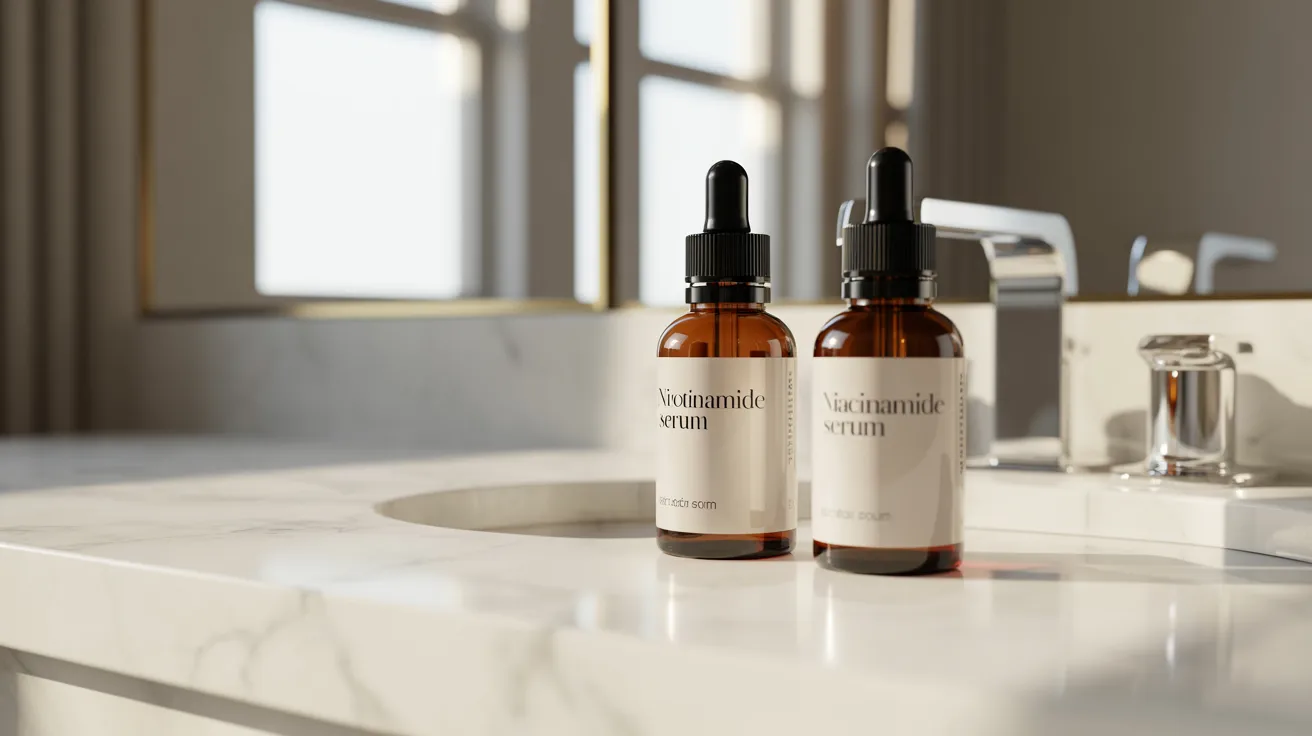
Clearing up the confusion between two names that point to the same thing.
| Aspect | Nicotinamide | Niacinamide |
|---|---|---|
|
Chemical Identity |
Same compound |
Same compound |
|
Molecular Formula |
C₆H₆N₂O |
C₆H₆N₂O |
|
Structure Difference |
No difference |
No difference |
|
Absorption & Function |
Works the same in the body |
Works the same in the body |
|
Usage in Industry |
Common in scientific and medical literature |
Common in skincare and cosmetic products |
|
Reason for Name |
Scientific terminology |
Marketing and consumer-friendly naming |
|
Effectiveness |
Equal effectiveness |
Equal effectiveness |
|
User Takeaway |
No need to prefer one over the other |
Focus on concentration and formulation instead |
Medical and Therapeutic Uses of Nicotinamide

How this compound is used in clinical and medical settings beyond basic skincare.
Use in Acne and Skin Conditions
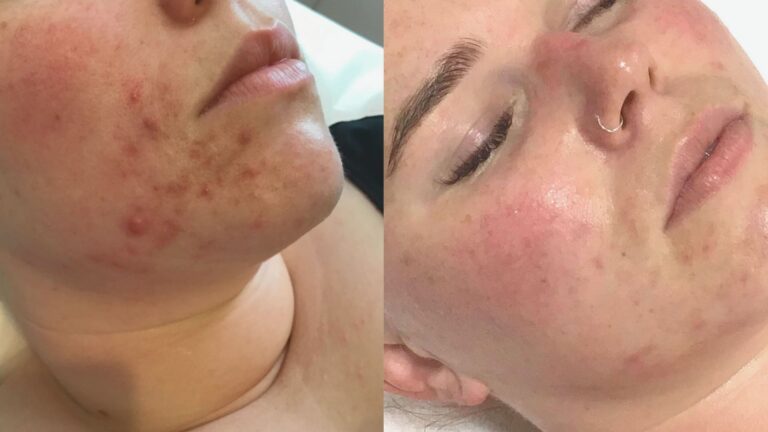
Topical nicotinamide gel has been studied as an alternative to antibiotic treatments for acne. Some research shows it works as well as clindamycin for mild to moderate acne without the risk of antibiotic resistance.
It is also used to manage conditions like bullous pemphigoid and rosacea.
Prevention of Vitamin B3 Deficiency
A lack of Vitamin B3 causes pellagra a condition with symptoms like skin rashes, diarrhea, and confusion. Nicotinamide is commonly prescribed to prevent and treat this deficiency.
It is also given to people whose diets are low in niacin-rich foods.
Potential Role in Aging and Cellular Health
Researchers are studying nicotinamide riboside and nicotinamide mononucleotide as ways to boost NAD+ for healthy aging.
While the science is still developing, oral nicotinamide supplementation shows early promise in reducing age-related cellular decline.
Health Benefits of Nicotinamide

Real, research-backed benefits from one of the most studied vitamins in skincare and health.
Skin Benefits (Acne, Pigmentation, Barrier Repair)
Nicotinamide is one of the most well-supported ingredients in skincare. Studies show it helps with
- Reducing acne and breakouts
- Fading dark spots and uneven skin tone
- Strengthening the skin barrier
- Controlling excess oil
It works without harsh irritation, which is why sensitive skin types often tolerate it well.
Anti-Inflammatory and Soothing Properties
One reason this ingredient is so popular is its ability to calm inflammation. It reduces redness and blotchiness without stripping the skin. People with rosacea or reactive skin often see noticeable improvements.
It does not irritate. It settles things down.
Role in Cellular Energy and DNA Repair
Beyond the skin, nicotinamide plays a key role in how your cells produce energy. It supports NAD+ levels, which drop as we age.
Higher NAD+ may help cells repair themselves faster and function better over time.
Safety and Side Effects of Nicotinamide

What you should know before adding nicotinamide to your skincare or supplement routine.
Is It Safe for Daily Use?
Yes, for most people. Topical concentrations between 2% and 10% are considered safe for daily use. Oral doses up to 1,500 mg per day are generally well tolerated in adults.
It does not have the flushing side effect that regular niacin causes.
Common Side Effects and Reactions
Some people may notice:
- Mild redness or tingling on first use
- Temporary skin purging when starting topical products
- Nausea or stomach upset with oral supplements
These effects are usually mild and go away after a short time.
High-Dose Risks and Precautions
Taking very high doses of nicotinamide (above 3,000 mg per day) can cause liver stress over time. It may also affect blood sugar levels in some individuals.
Always stick to recommended amounts. More is not always better with supplements.
Who Should Avoid or Consult a Doctor
Talk to a doctor before using nicotinamide if you:
- Have liver disease
- Are pregnant or breastfeeding
- Take medications for diabetes
- Have a history of gout
It is generally safe, but individual situations vary.
Tips for Using Nicotinamide Safely
Simple steps to get the best results and avoid common mistakes with this ingredient.
- Start with a 2% to 5% topical product if you are new to nicotinamide, and begin oral doses at the lowest recommended amount.
- Always patch the test first by applying a small amount to your wrist or behind your ear and waiting 24 hours.
- Do not mix too many actives like retinol, AHAs, and vitamin C with nicotinamide at the same time.
- Introduce one new ingredient at a time to avoid overwhelming your skin.
- Keep your routine simple and consistent rather than layering too many products.
- Give the ingredient at least 4 to 8 weeks before expecting visible changes in skin tone or texture.
- Consistency matters more than quantity, so stick to your routine daily.
Conclusion
So there it is. Nicotinamide vs niacinamide is not really a debate at all. They are the same compound, just going by different names depending on where you find them.
I used to overthink this and buy products based on names alone. Once I understood they were identical, my routine got simpler and my skin actually improved.
Sometimes less confusion leads to better results. If this helped clear things up for you, drop a comment below and let me know.
Share it with someone who is just as confused as I was. Check out the related posts for more.
Frequently Asked Questions
Is nicotinamide the same as niacinamide?
Yes, they are the exact same compound. The names differ based on the context, medical literature tends to use nicotinamide while skincare brands prefer niacinamide.
Can I use niacinamide every day on my skin?
Yes. Most people can use it daily without issues. A concentration between 2% and 10% is generally safe and effective for regular skincare use.
Does nicotinamide have any side effects?
At standard doses and concentrations, side effects are rare. Some people experience mild redness or nausea at first, but these usually go away on their own.
Can nicotinamide help with acne?
Yes. Studies show topical nicotinamide can reduce acne by lowering inflammation and controlling oil production, often with results comparable to some antibiotic treatments.
How long does nicotinamide take to show results?
For skincare, most visible improvements in tone and texture appear after 4 to 8 weeks of consistent use. Patience and routine are the key factors here.