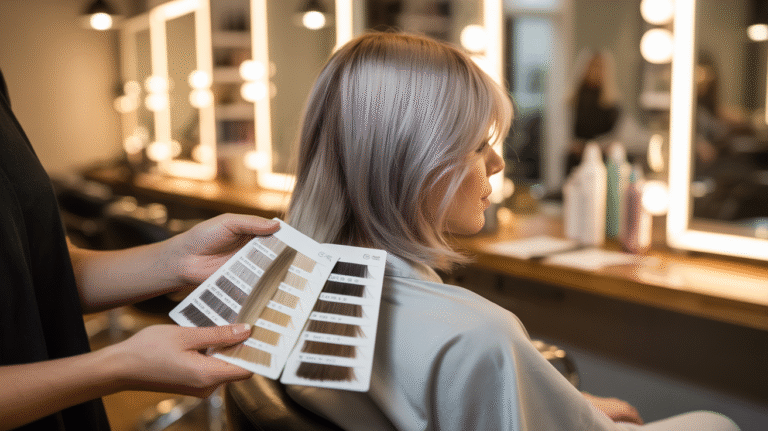
Black Hair Types Made Simple for Daily Hair Care

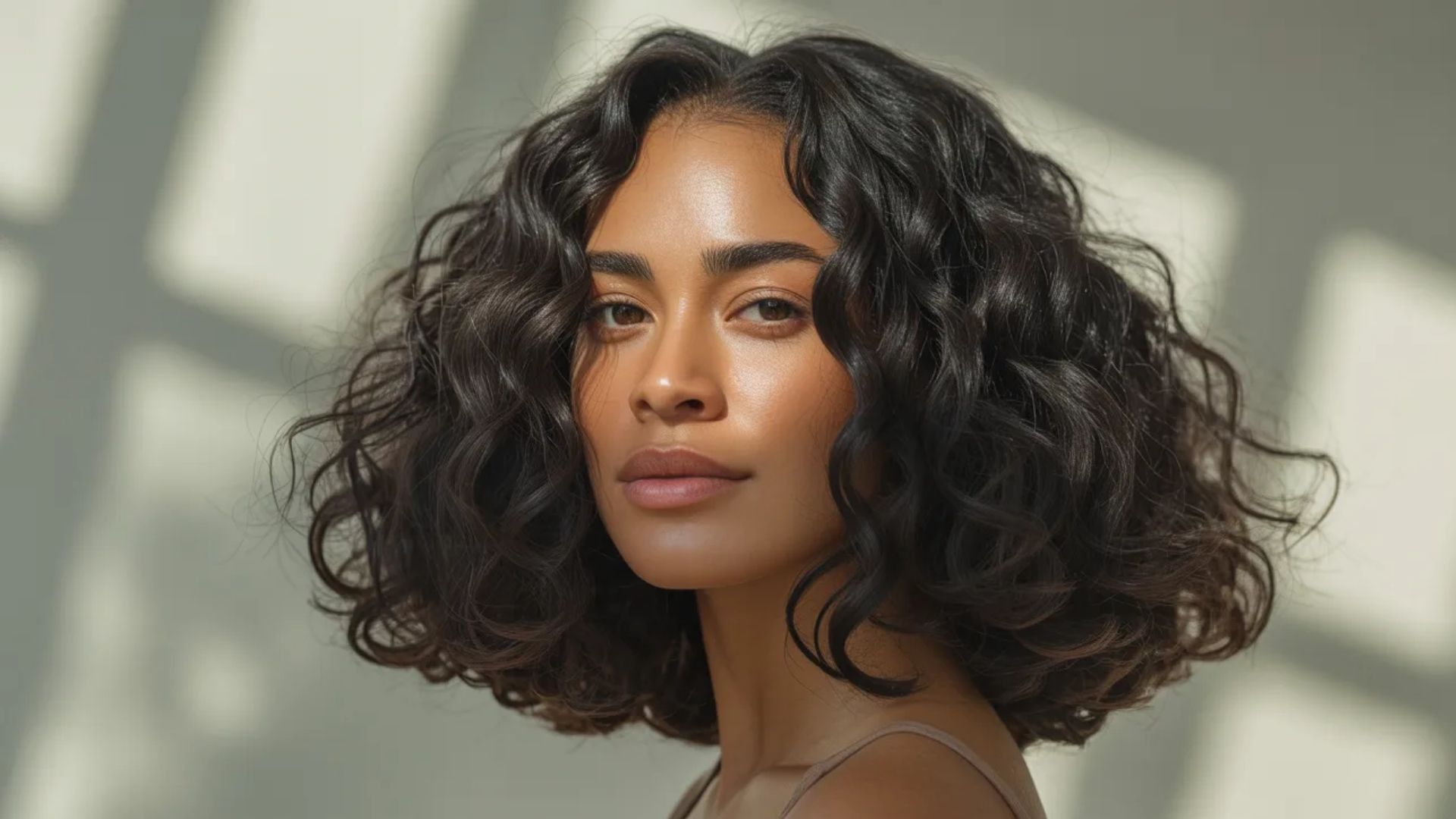
Do you struggle to understand why your curls behave differently every day? Understanding black hair types can change the way you care for and style your hair.
In this blog, I’ll guide you through the differences between 4A, 4B, and 4C hair, helping you recognize what makes your curls unique.
Drawing on years of experience working with natural hair, I’ll share expert tips on care, moisture, and protective styling.
By the end, you’ll feel confident identifying your hair type and choosing routines that actually work, making daily hair care easier and more rewarding.
Let’s get started.
What Are Black Hair Types?
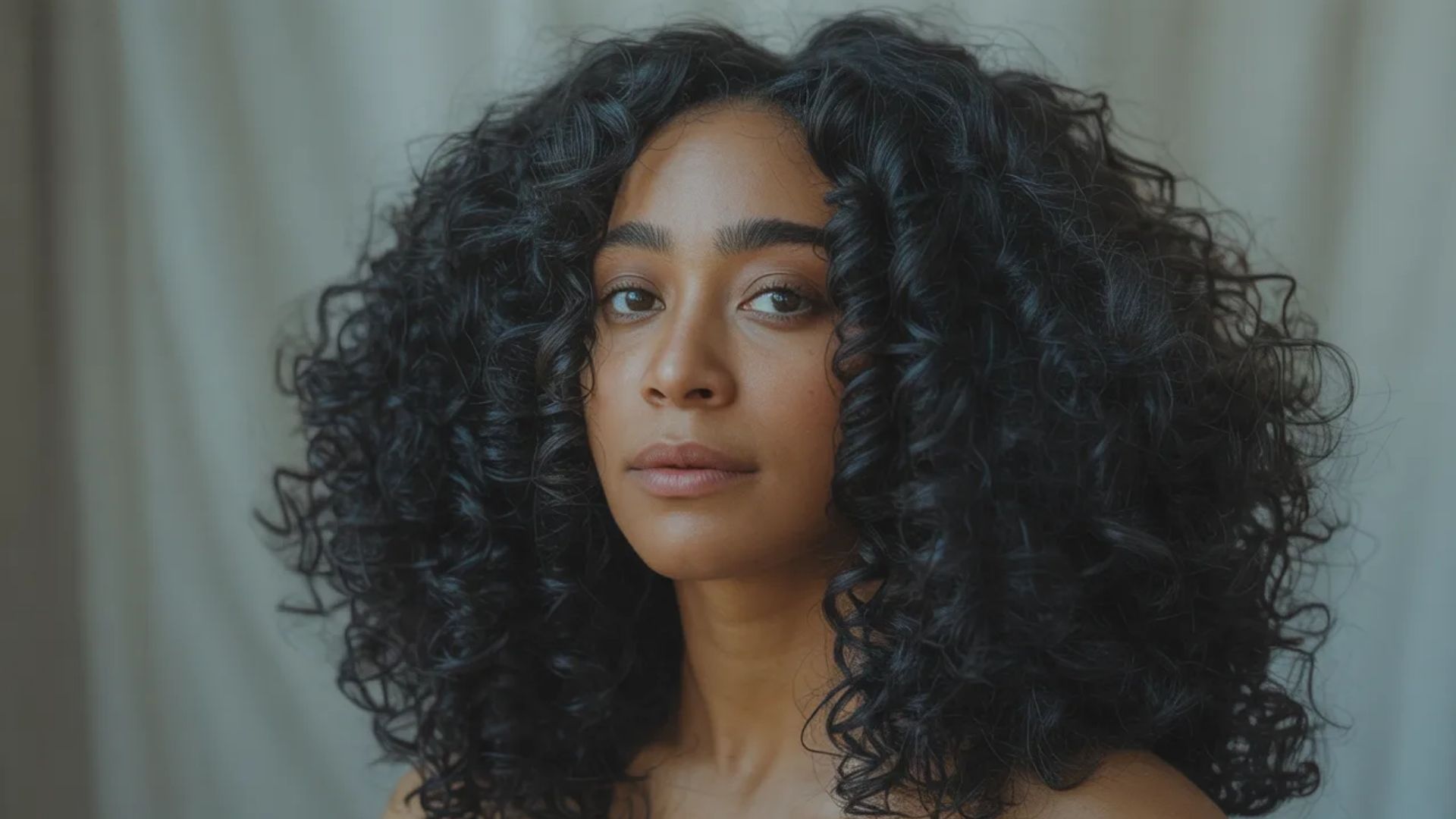
Black hair is defined by its texture, curl pattern, and strand structure, not race alone. Most black hair falls into Type 3C or Type 4, with Type 4 being the most common.
Type 4 hair has tight coils that can range from defined spirals to very compact, fragile patterns.
Hair classification depends on curl tightness, coil shape, and strand structure.
Curl tightness shows how tight the twists are, coil shape indicates S or Z patterns, and strand structure reflects thickness and density.
Understanding these details helps in choosing the right care routines, products, and protective styles for healthy hair.
Type 4A Hair: Defined Coils with Elasticity

Type 4A hair is known for its springy, defined coils that are soft to the touch. It shrinks moderately, giving a shorter appearance while maintaining a clear coil pattern.
Key Characteristics of 4A Hair
Type 4A hair has tight, springy S-shaped coils that are usually easy to see. It feels softer than 4B or 4C hair and has a natural shine.
Shrinkage is moderate, so hair appears shorter than it really is, but the coils are well-defined and elastic.
Common Challenges with 4A Hair
4A hair can get frizzy, especially in humid or wet weather. It also dries out quickly if not moisturized regularly.
Breakage can happen at the ends, and maintaining coil definition can be difficult without proper hydration and gentle handling.
Best Care Routine for 4A Hair
Wash 4A hair gently once or twice a week. Use moisturizers, lightweight oils, and cream-based products to keep coils soft.
Protective styles like twists or braids help maintain curl pattern and reduce breakage, while avoiding over-manipulation keeps hair healthy and defined.
Type 4A hair is manageable with consistent care and gentle styling. Understanding its needs helps keep coils defined, healthy, and strong over time.
Type 4B Hair: Z-Shaped Coils with Volume
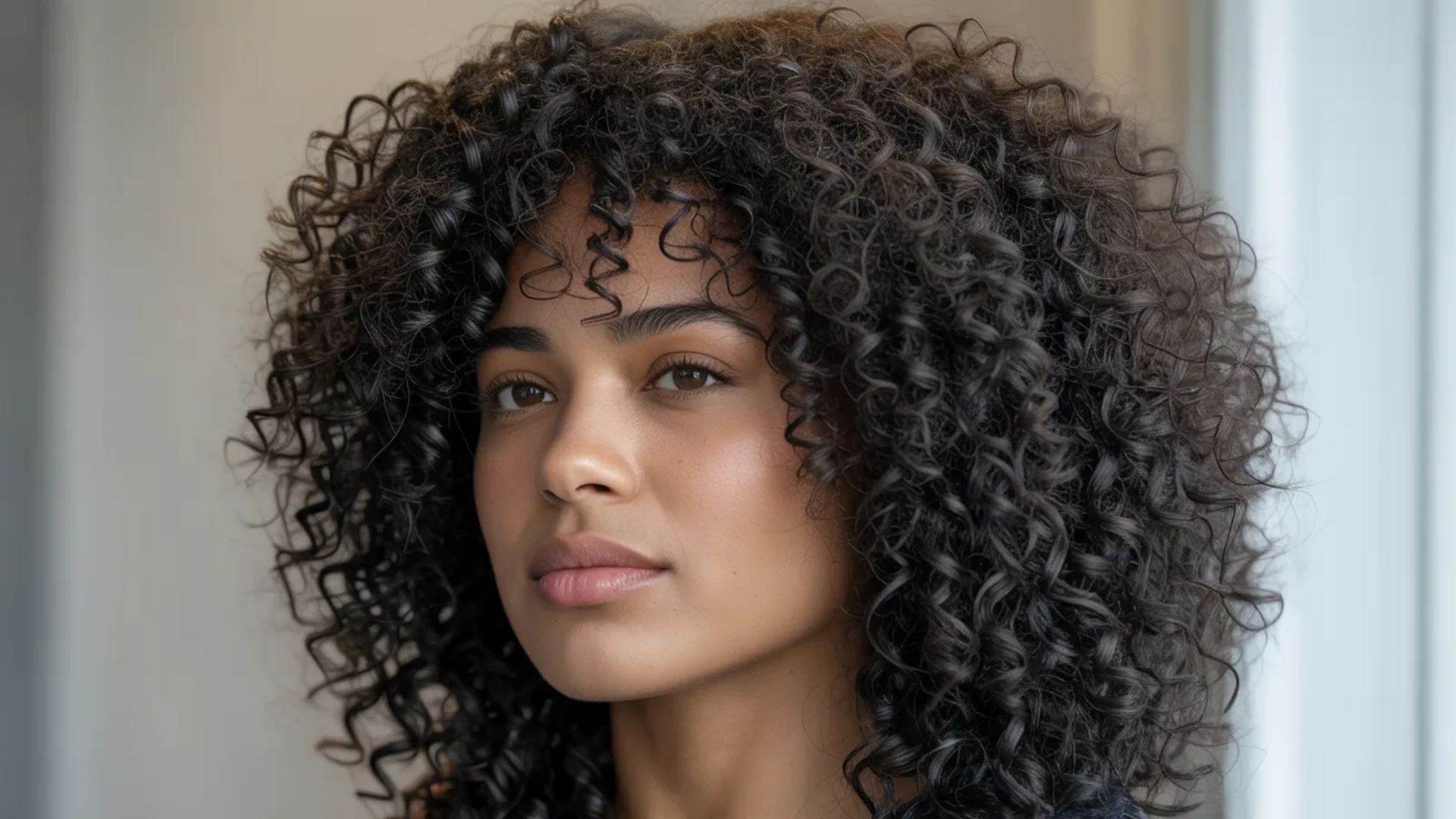
Type 4B hair has tight, Z-shaped coils that create a dense, cotton-like texture. The curl pattern is less defined than 4A hair, and shrinkage makes the hair appear shorter than it actually is.
Key Characteristics of 4B Hair
4B hair forms sharp angles and zig-zag patterns that are tightly packed. Curl definition is less visible, giving a fluffy, voluminous look.
Strands are dense but fragile, requiring careful handling to maintain length and prevent breakage while keeping the hair healthy.
Common Challenges with 4B Hair
4B hair is prone to breakage because of its delicate structure. Shrinkage can hide the true length, making styling and length checks difficult.
The hair also tends to dry out quickly if not properly moisturized, which can lead to tangling and split ends.
Best Care Routine for 4B Hair
Moisture layering using LOC (Liquid, Oil, Cream) or LCO (Liquid, Cream, Oil) helps keep hair hydrated. Stretching techniques like twists or braids reduce shrinkage without heat.
Low-manipulation styles are ideal for protecting hair while maintaining coil shape and preventing breakage.
With consistent care, 4B hair can stay healthy and full of volume. Gentle handling and proper moisture routines make it easier to manage and style daily.
Type 4C Hair: Tightest Coils with Maximum Shrinkage
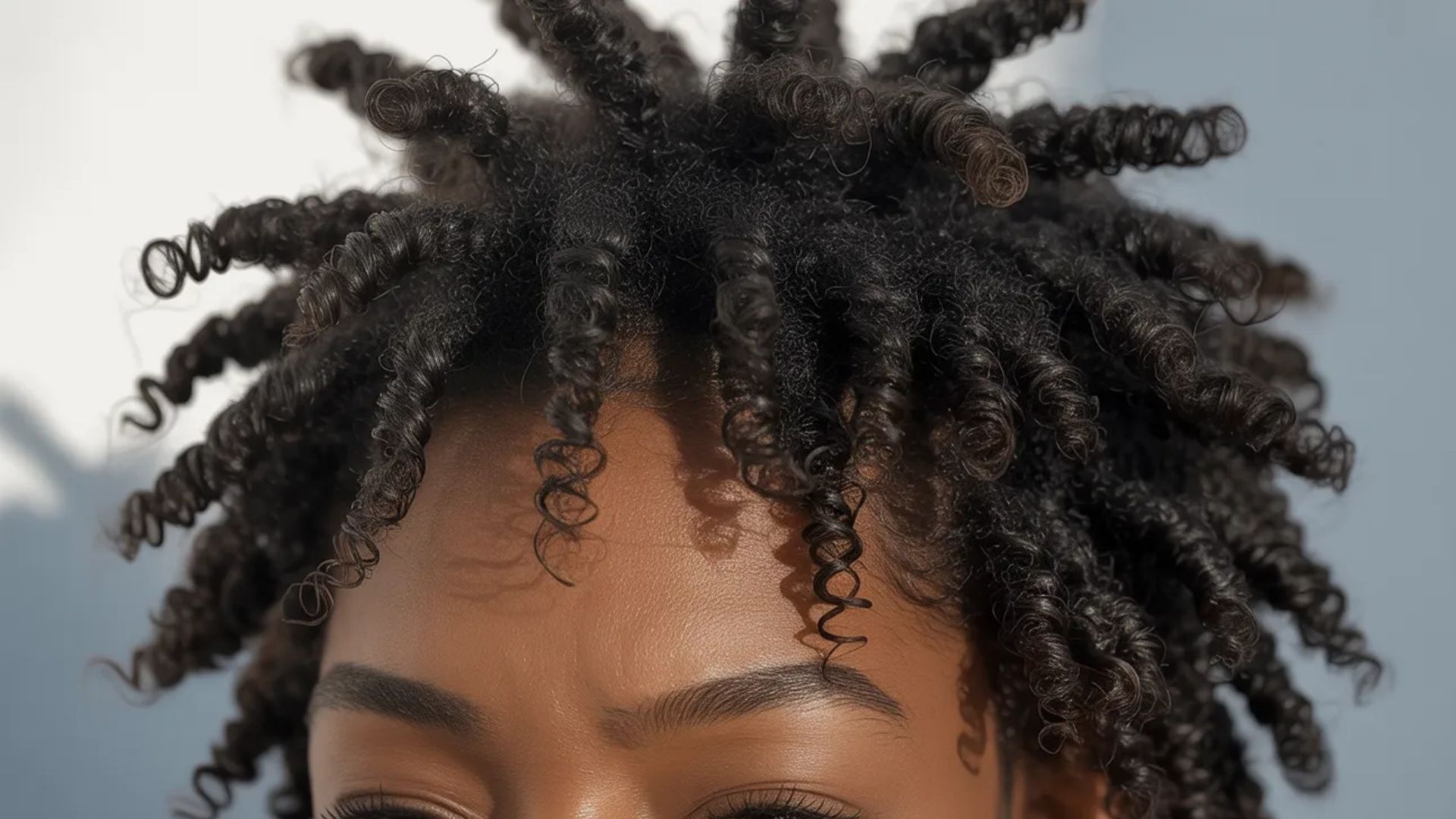
Type 4C hair has very tight coils and extreme shrinkage, making it look much shorter than it is. The strands are fine but dense and need gentle handling.
Key Characteristics of 4C Hair
4C hair shows minimal visible curl pattern, with coils packed very closely. Shrinkage can reach up to 70%, hiding the actual length.
Strands are fine yet dense, giving a thick appearance, but the hair is fragile and needs consistent moisture and gentle care to prevent breakage.
Common Challenges with 4C Hair
4C hair loses moisture quickly and is prone to tangling. Breakage is common if handled roughly, though some myths exaggerate its fragility.
Without proper hydration and protective care, managing the hair can be difficult, and curl definition is often harder to maintain compared to 4A or 4B hair.
Best Care Routine for 4C Hair
Deep conditioning regularly helps restore moisture and prevent breakage. Use heavier creams, butters, and sealing oils to lock in hydration.
Low-manipulation styles like twists, braids, and protective styling reduce stress on strands while keeping hair healthy and manageable.
With regular care and gentle handling, 4C hair can stay strong, healthy, and retain length over time. Understanding its needs makes styling and daily maintenance easier.
Key Differences Between 4A, 4B, and 4C Black Hair Types
Black hair types 4A, 4B, and 4C have noticeable differences in curl pattern, shrinkage, and care needs. Understanding these differences helps you choose the right products and styles.
| Feature | 4A Hair | 4B Hair | 4C Hair |
|---|---|---|---|
| Curl Pattern Visibility | S-shaped coils, clearly visible | Z-shaped coils, less defined | Minimal visible curl pattern |
| Shrinkage Levels | Moderate shrinkage | High shrinkage | Very high shrinkage (up to 70%) |
| Moisture Retention | Retains moisture better than 4B/4C | Dries faster, needs frequent hydration | Loses moisture quickly, requires heavy products |
| Styling Versatility & Maintenance | Easier to define curls, moderate care | Requires gentle care, low-manipulation styles preferred | Needs protective styles and low manipulation for healthy growth |
Knowing these differences makes it easier to care for your hair type. Proper routines and styling choices can keep coils healthy, defined, and strong.
Black Hair Types: Male and Female
Black hair in men and women differs in texture, curl pattern, and density. Knowing your hair type helps with styling and care.
Black Hair Types Male

Men usually have 4A, 4B, or 4C hair. Short hair shows curls more clearly, while longer hair can tangle more easily. Fades and twists work differently depending on curl tightness.
Keeping the scalp clean and moisturized prevents dryness and irritation. Simple routines with moisturizing and night care help maintain healthy hair.
Black Hair Types Female
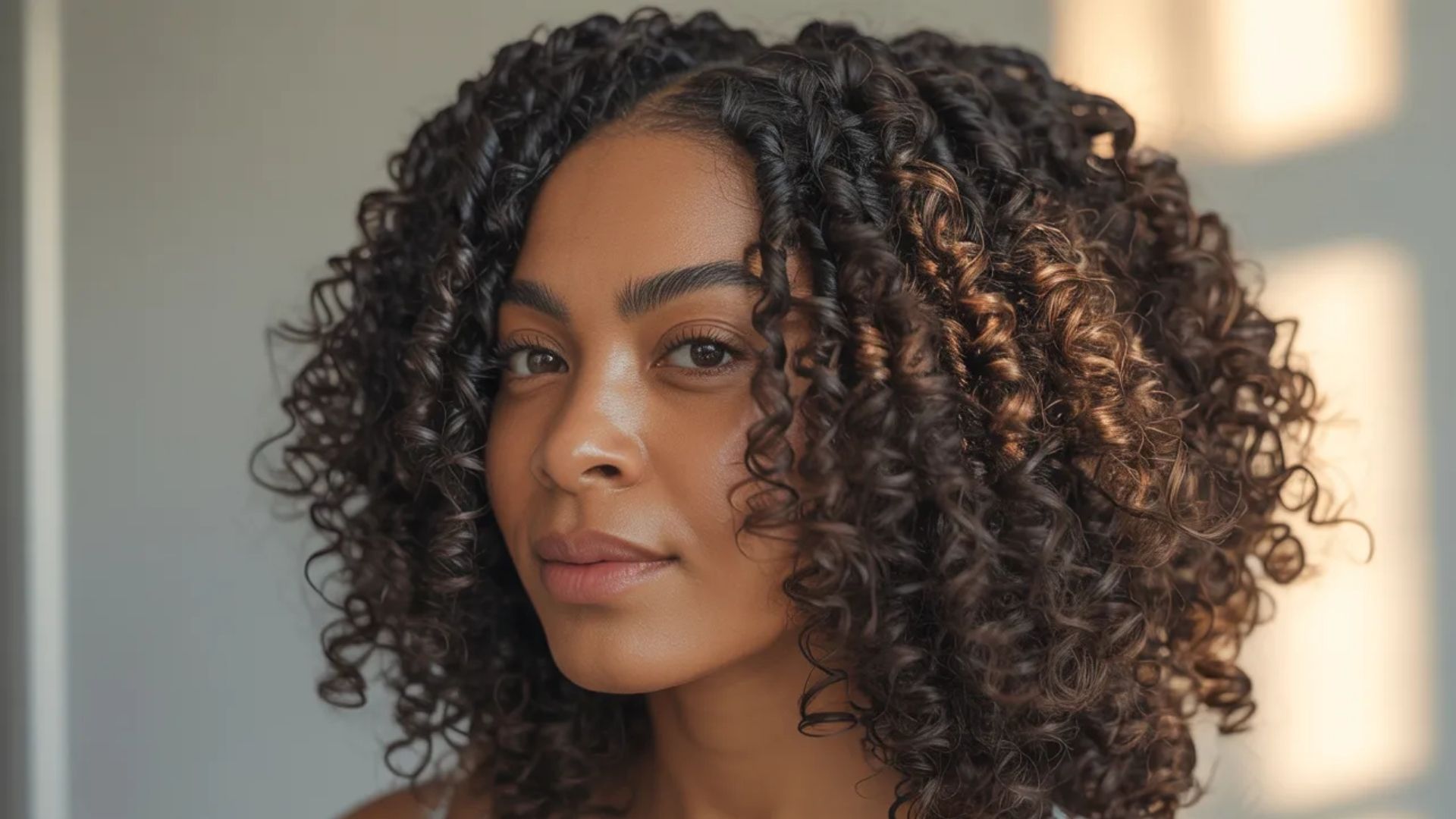
Women’s hair type affects how styles hold and how hair reacts to manipulation. Wash-day routines keep hair hydrated and reduce tangling.
Protective styles like braids or twists reduce stress, while everyday styles need gentle handling. Managing heat carefully preserves curl definition and prevents damage.
Knowing your hair type helps both men and women maintain healthy, strong hair with simple care.
How to Identify Your Black Hair Type Accurately
Identifying your black hair type helps you choose the right care and styling routine. Understanding your curls makes daily maintenance easier and more effective.
Mixed textures: Many people have more than one hair type on their head. Hair near the crown, edges, or nape may differ in curl pattern or thickness.
At-home hair typing test: Use a simple method by examining small strands after washing and detangling. Look at the curl pattern, coil shape, and shrinkage to determine your type.
Dry vs wet hair: Hair can appear different when wet versus dry. Wet hair stretches and shows more definition, while dry hair shows natural shrinkage and true texture.
Common mistakes: Assuming hair is a single type, ignoring shrinkage, or testing with products in the hair can lead to wrong identification. Always check clean, product-free strands.
Knowing your hair type helps you choose the right products and styles for healthy, manageable hair.
Common Myths About Black Hair Types
Many people believe false ideas about black hair types. These myths can affect how hair is cared for or styled.
| Myth | Reality |
|---|---|
| 4C hair doesn’t grow | 4C hair grows at the same rate as other types. Shrinkage makes it look shorter. Proper care and moisture help retain length. |
| Defined curls equal healthy hair | Curl definition does not indicate hair health. Hair can be defined but dry or brittle. Moisture and care matter more. |
| Shrinkage means damage | Shrinkage is natural for tightly coiled hair. It shows elasticity, not harm. Hair can be healthy even when shorter. |
| Texture hierarchy | No hair type is better than another. All textures have unique needs. Ranking hair types is inaccurate. |
Understanding these myths helps in taking better care of all hair types.
Best Products for Black Hair Types (4A-4C)
Choosing the right products keeps Type 4 hair healthy and hydrated. Knowing which ingredients to use or avoid improves care.
Ingredients to look for: Humectants like glycerin and aloe vera retain moisture. Oils such as coconut, jojoba, and argan nourish strands. Butters like shea and mango soften hair and help detangle.
Ingredients to avoid: Harsh sulfates, high-alcohol products, and hard-to-remove silicones can dry hair or cause buildup.
Product categories: Shampoos, conditioners, leave-in creams, deep conditioners, oils, and styling creams. Avoid brand names to keep advice neutral.
The right products keep curls soft, hydrated, and easier to manage.
Final Thoughts
Taking the time to understand black hair types can really change how you approach your hair care.
I have seen how knowing whether your hair is 4A, 4B, or 4C upgrades daily routines, making hair stronger, softer, and easier to style.
By learning what makes your curls unique, you can make choices that truly support their health and strength.
Found this guide helpful? Share this blog with others so more people can feel empowered to care for their natural hair with confidence!
Frequently Asked Questions
What Is The Rarest Black Hair Type?
Type 4C is the rarest black hair type. Its very tight coils and high shrinkage make it less common than 4A or 4B.
What’s The Real Difference Between 4A, 4B, And 4C?
The main differences are curl pattern, shrinkage, moisture retention, and styling needs. 4A has visible S-shaped coils, 4B has Z-shaped coils, and 4C has very tight coils with minimal definition.
Can One Person Have More Than One Hair Type?
Yes. Many people have mixed textures, with different curl patterns on the crown, nape, or edges. Checking all areas helps identify your full hair type.
Is 4C Hair Harder To Manage?
4C hair needs careful handling and consistent hydration, which can make it harder to manage than 4A or 4B. Protective and low-manipulation styles help maintain healthy hair.
Does Shrinkage Mean Hair Isn’t Growing?
No. Shrinkage is natural for tightly coiled hair and does not indicate a lack of growth. Hair can grow normally even if it looks shorter.