Can I Use Azelaic Acid With Retinol? Expert Guide


Dealing with acne, dark spots, or uneven skin tone? You’ve probably heard about azelaic acid and retinol, two of skincare’s most talked-about ingredients.
But can you use them together?
Short answer: Yes. Just not at the same time.
In this guide, I’ll cover what each ingredient does, why people combine them, and the safest way to use both.
I’ve put together everything you need to know so you can get results without irritating your skin.
Can I Use Azelaic Acid With Retinol?
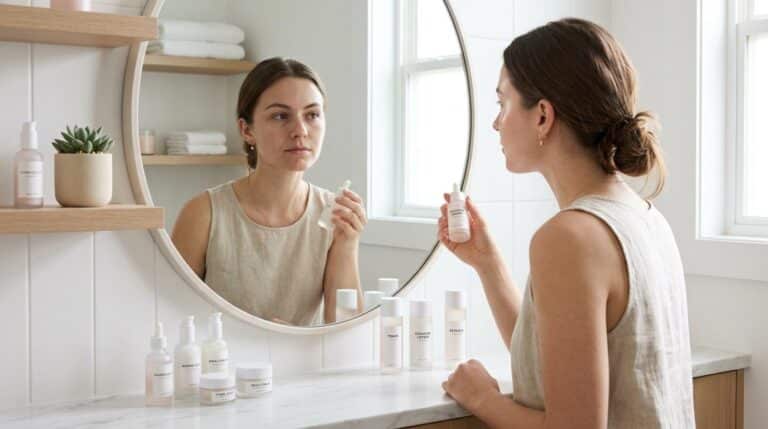
Yes, you can use both, but not in the same step of your routine.
These two ingredients work well together when used correctly. The trick is separating them into different parts of your day so your skin isn’t hit with too much at once.
People with acne-prone skin, dark spots, or uneven texture can all benefit from this pair. That said, if your skin is already sensitized or you’re completely new to activities, take things slow.
Key safety rules: Use azelaic acid in the morning and retinol at night. Start slow, your skin needs time to adjust.
And never skip sunscreen when using retinol since it makes your skin more sensitive to the sun.
Understanding Azelaic Acid
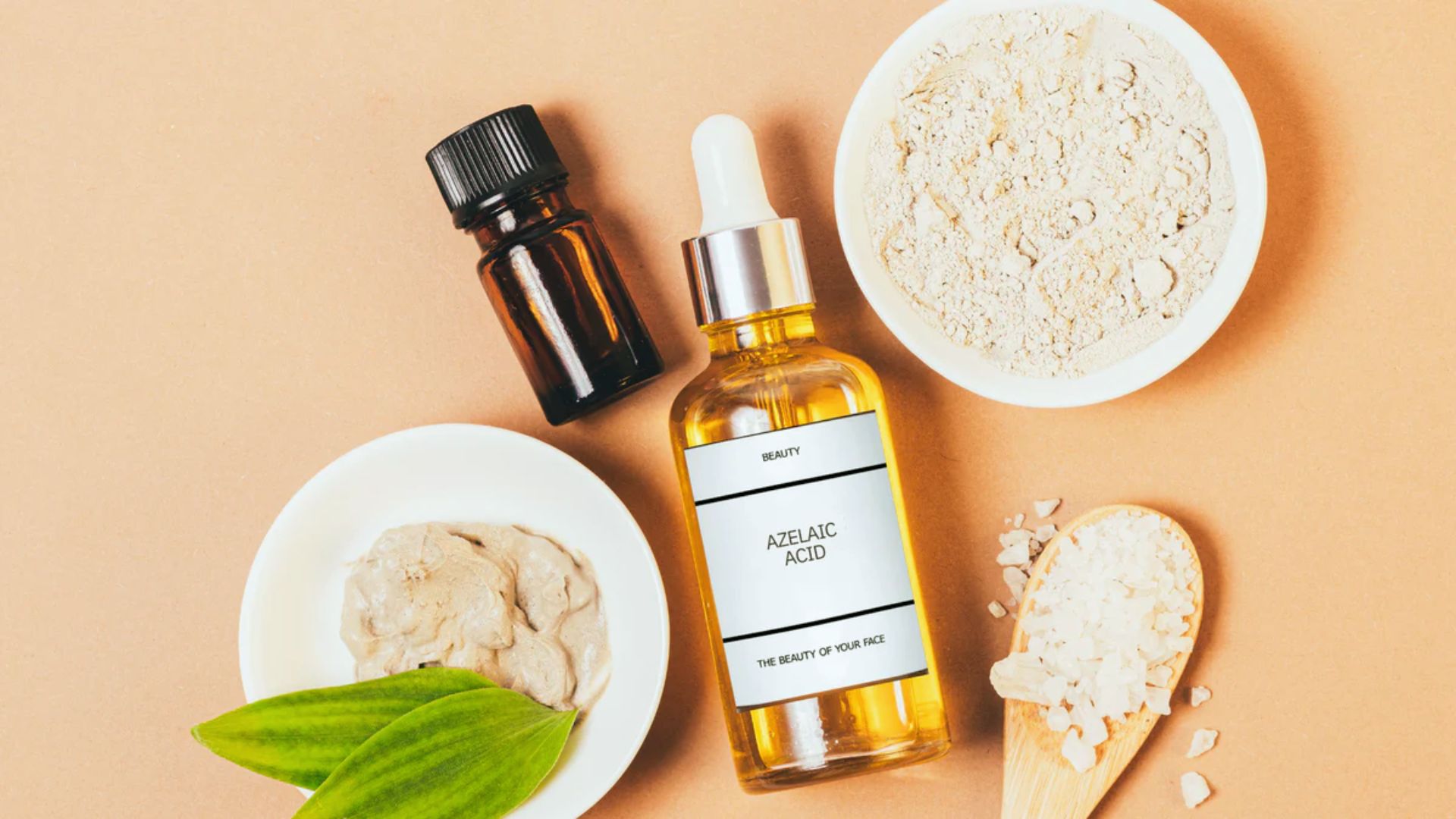
A straightforward breakdown of what azelaic acid is and why your skin might love it.
Azelaic acid is a naturally occurring acid found in grains like wheat and barley. It works by slowing down melanin production and killing acne-causing bacteria on the skin.
It reduces acne breakouts, fades dark spots and post-acne marks, calms redness and irritation, and works well for rosacea-prone skin too.
One thing that makes it stand out is how gentle it is. It’s one of the few active ingredients that even sensitive skin can usually handle well.
People who react to other acids often find azelaic acid much easier to tolerate.
When you first start using it, you might notice mild tingling, slight redness, or some dryness. That’s normal. These usually settle within a week or two.
Understanding Retinol (Vitamin A Derivative)
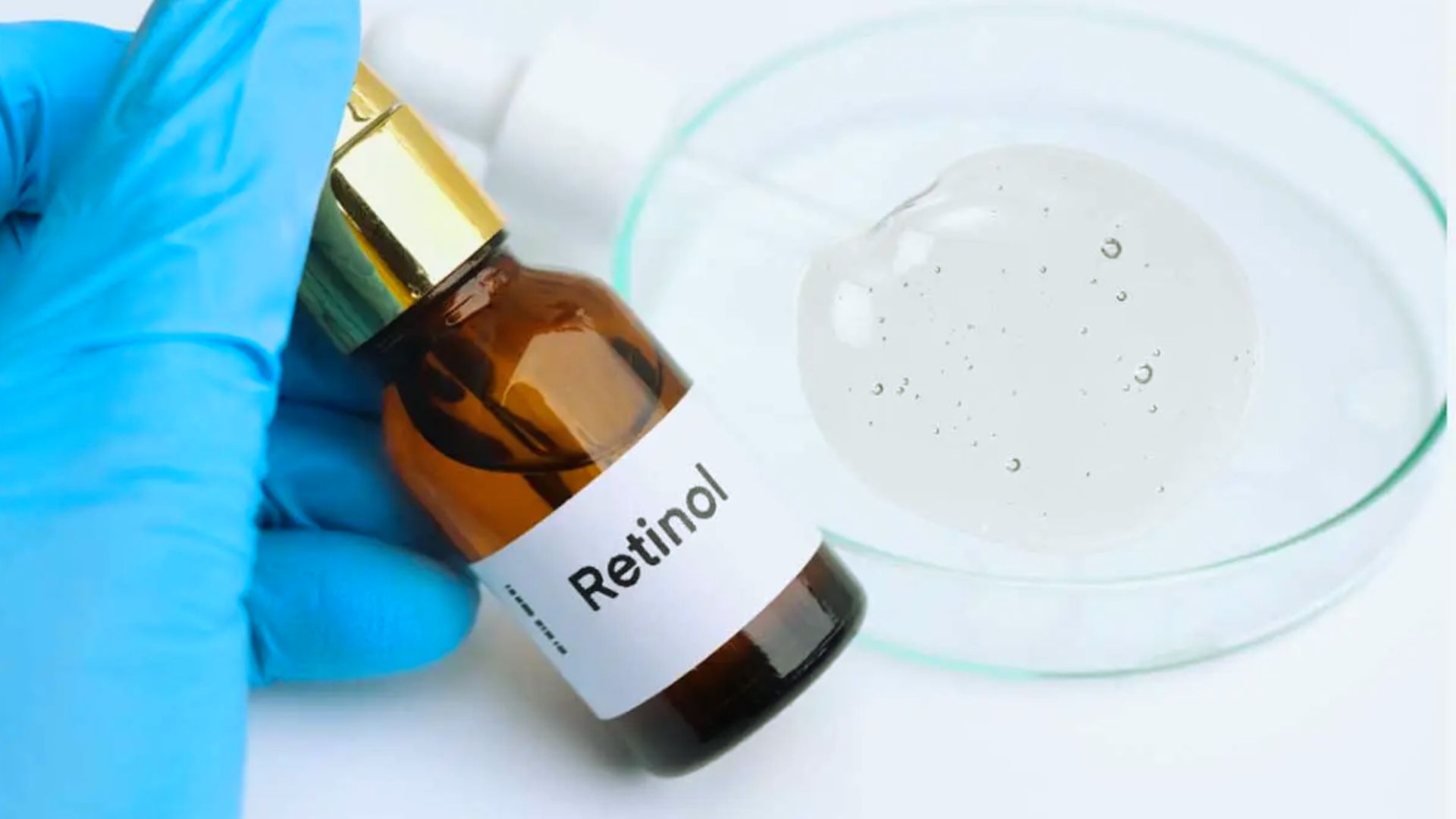
Retinol is one of the most studied skincare ingredients out there. Here’s why it earns its reputation.
Retinol is a form of Vitamin A. It works deep in the skin to speed up cell turnover, meaning your skin sheds old cells faster and brings fresh ones to the surface.
This is what makes it effective for both aging concerns and acne.
It helps reduce fine lines and wrinkles, keeps pores clear, improves skin texture, and fades hyperpigmentation over time.
The flip side is that retinol can be irritating, especially at first. Some people go through a purging phase where breakouts temporarily get worse before they get better.
Dryness, flaking, and sensitivity are also common in the early weeks. This is normal and usually settles as your skin adjusts.
Why People Combine Azelaic Acid and Retinol
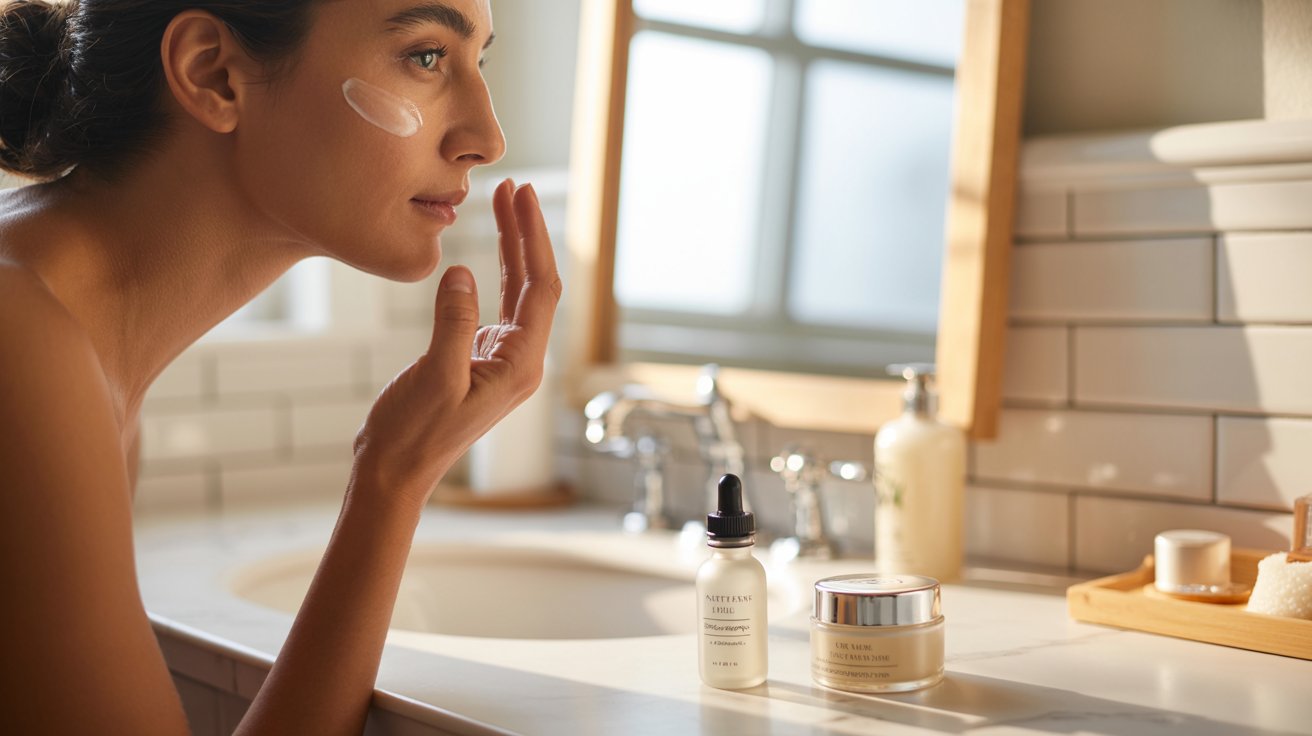
These two ingredients target different layers of the skin, which is exactly why they work so well as a pair.
How They Complement Each Other
Azelaic acid works mostly on the surface. It targets bacteria, reduces pigmentation, and calms inflammation. Retinol goes deeper, working at the cellular level to speed up skin renewal.
Surface vs Deeper Skin Action
Think of it this way. Azelaic acid handles what’s happening on top while retinol works underneath. Together, they cover more ground than either one alone.
Benefits for Acne, Texture, and Dark Spots
Combined, they help clear acne faster, smooth skin texture, fade dark spots more effectively, and reduce both surface-level and deeper skin concerns.
Expert-Backed Advantages
Dermatologists often recommend this combination for people dealing with acne and hyperpigmentation at the same time. The key is using them at separate times of day so your skin isn’t overwhelmed.
How to Use Azelaic Acid With Retinol Safely
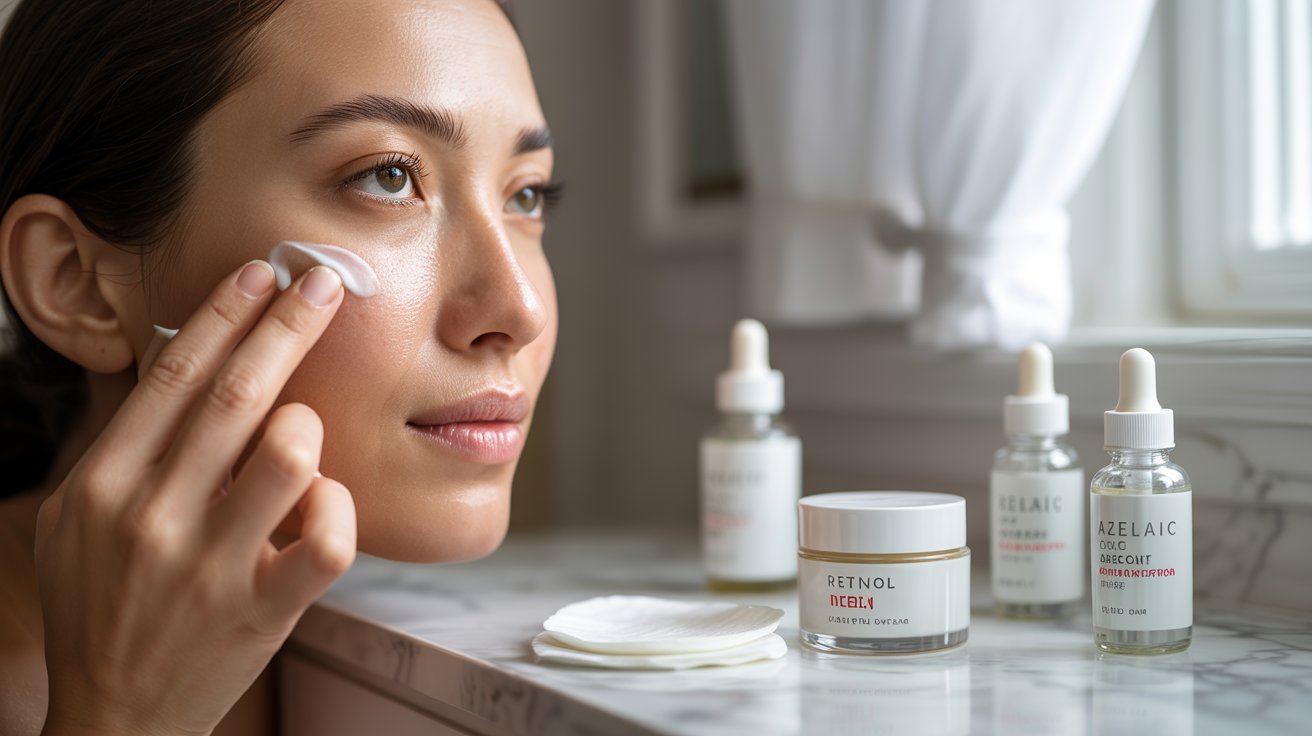
A simple, practical routine so you get the benefits without the irritation.
Morning Routine (Azelaic Acid)
Start with a cleanser, apply azelaic acid on dry skin after cleansing, follow with moisturizer, then finish with sunscreen.
Night Routine (Retinol)
Cleanse your skin, wait a few minutes, apply retinol on dry skin, then seal it in with moisturizer.
Alternate-Day Routine for Beginners
If your skin is new to both, don’t use retinol every night right away. Start with 2 to 3 nights a week, then build up slowly.
Ideal Frequency Based on Skin Type
Sensitive skin does well with retinol 2 times per week and azelaic acid daily.
Normal or combination skin can handle retinol 3 to 4 times per week. Oily or acne-prone skin can work up to retinol every night once tolerated.
Who Should Avoid or Be Careful
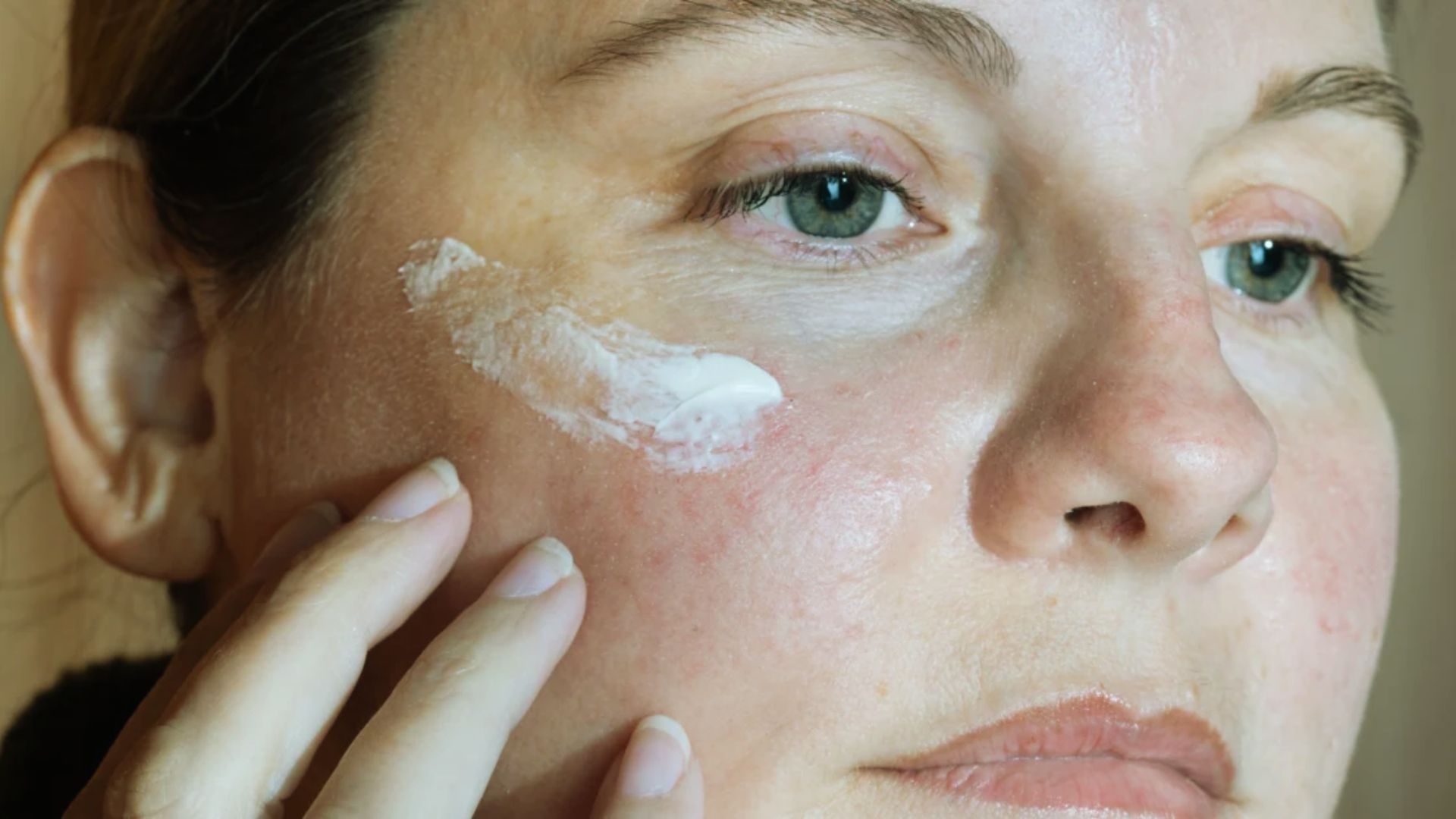
Not everyone should jump straight into using both. Know where you stand first.
Sensitive or Damaged Skin
People with sensitive, damaged, or compromised skin should go slow and monitor how their skin responds.
Beginners
Complete beginners to activities should start with just one ingredient and only add the second once the skin is comfortable.
Pregnancy and Breastfeeding
Those who are pregnant or breastfeeding should avoid retinol and check with a doctor about azelaic acid too.
People Using Strong Treatments
Anyone already using strong prescription treatments like tretinoin or adapalene should be cautious about adding more activities.
If you’re unsure, start with just azelaic acid first. Add retinol only once your skin has adjusted.
Mistakes to Avoid When Using Both Ingredients
Small mistakes can set your skin back weeks. Here’s what not to do.
- Avoid using both in the same routine step. Morning and night is fine, but layering them together is not.
- Don’t jump into high-strength products right away. Your skin needs time to build tolerance before you go stronger.
- Never skip sunscreen since retinol makes skin more sun-sensitive. This step is non-negotiable.
- Avoid combining with other strong activities like benzoyl peroxide, AHAs, or BHAs in the same routine without guidance. Keep your routine simple.
- Don’t skip moisturizer. Both ingredients can dry out your skin, especially in the beginning. A good moisturizer helps your skin barrier stay intact and reduces the chance of irritation.
Tips to Maximize Results Without Irritation
Consistency and patience matter more than loading up on products.
- Start with one ingredient at a time. Introduce the second only after your skin is used to the first.
- Patch test both products before adding them to your full routine.
- Use a good moisturizer and a barrier-repair cream if your skin gets dry.
- Stick to lower percentages to start. Try 0.025% to 0.05% retinol and 10% to 15% azelaic acid.
- Give it at least 8 to 12 weeks of consistent use before expecting visible results.
Conclusion
If you’ve been sitting on the fence about using azelaic acid with retinol, I get it. It can feel like a lot.
But once I split them into a morning and night routine, things got so much simpler. My skin actually started to clear up without the irritation I was dreading.
You don’t need to overhaul everything. Just start slow, stay consistent, and let your skin lead the way.
Tried this combo? Drop a comment below. I’d love to hear how it’s going for you.
Frequently Asked Questions
Can I use azelaic acid with retinol on the same night?
It’s best to avoid using both in the same step. Use azelaic acid in the morning and retinol at night for safer results.
Which goes first, azelaic acid or retinol?
They go in separate routines entirely. Azelaic acid works best in the morning, while retinol is most effective at night.
Can beginners use azelaic acid with retinol?
Yes, but start with just one ingredient first. Once your skin adjusts, slowly add the second to avoid irritation.
How long before results appear?
Most people see noticeable changes within 8 to 12 weeks of consistent use. Results vary based on skin type and concentration.
What percentage works best?
Start with 10% to 15% azelaic acid and 0.025% to 0.05% retinol. You can move to higher strengths once your skin builds tolerance.