Does Sunscreen Cause Acne? Dermatologists Explain

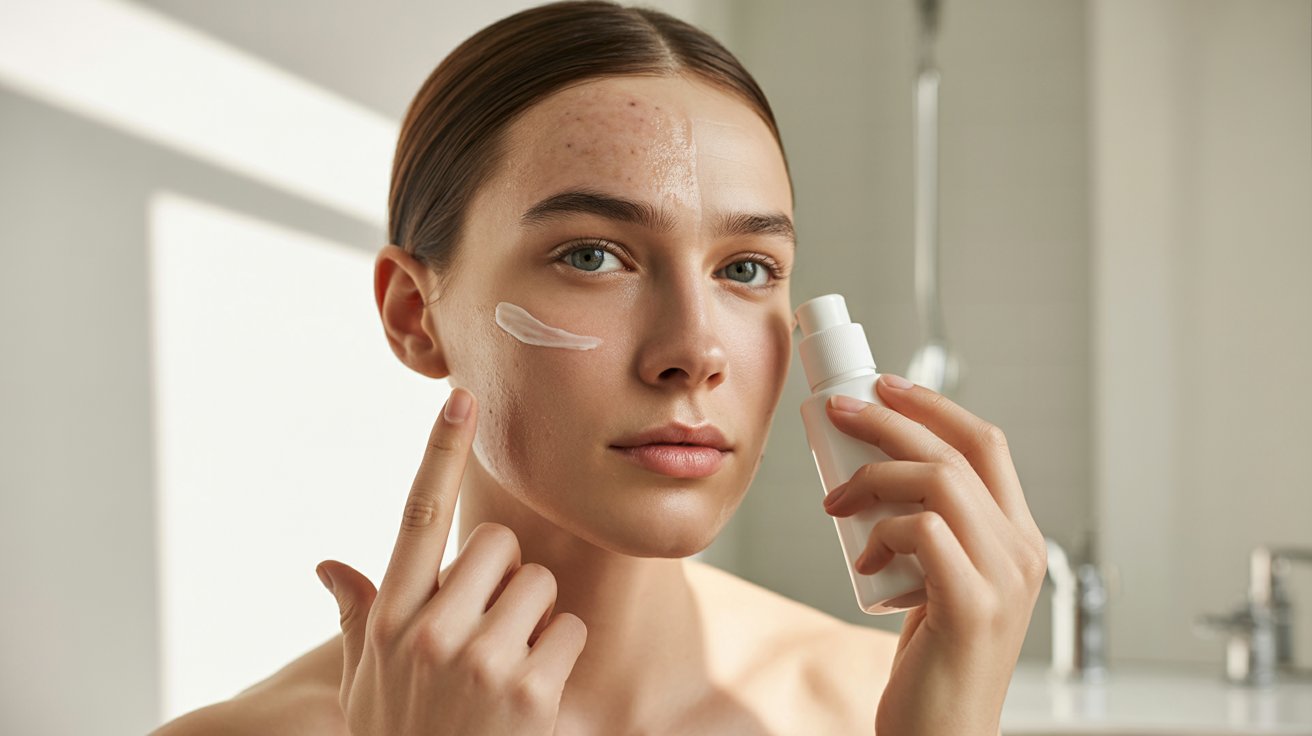
I get it. You want to protect your skin from sun damage, but you’re worried sunscreen might make your acne worse.
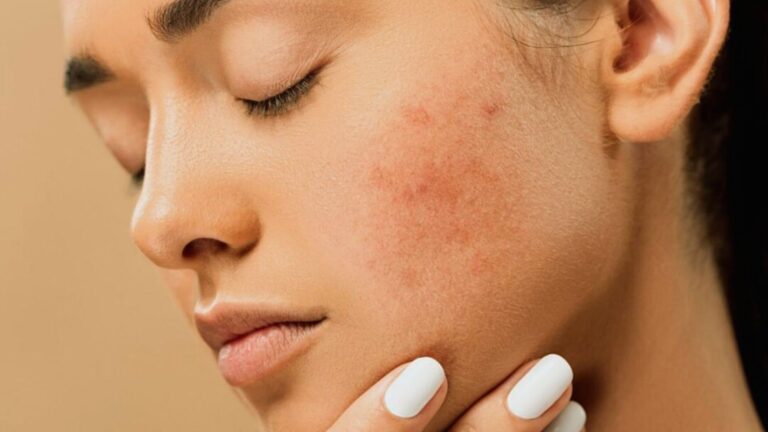
It’s a real concern, and you’re not overthinking it. Some formulas clog pores and cause breakouts. But skipping SPF isn’t the answer either.
The truth is, you can wear sunscreen and keep your skin clear at the same time. In this guide,
I’ll show you which ingredients work best for acne-prone skin, how to pick the right products, and tips to apply SPF without triggering blemishes.
Let’s get started.
Can Sunscreen Cause Acne?
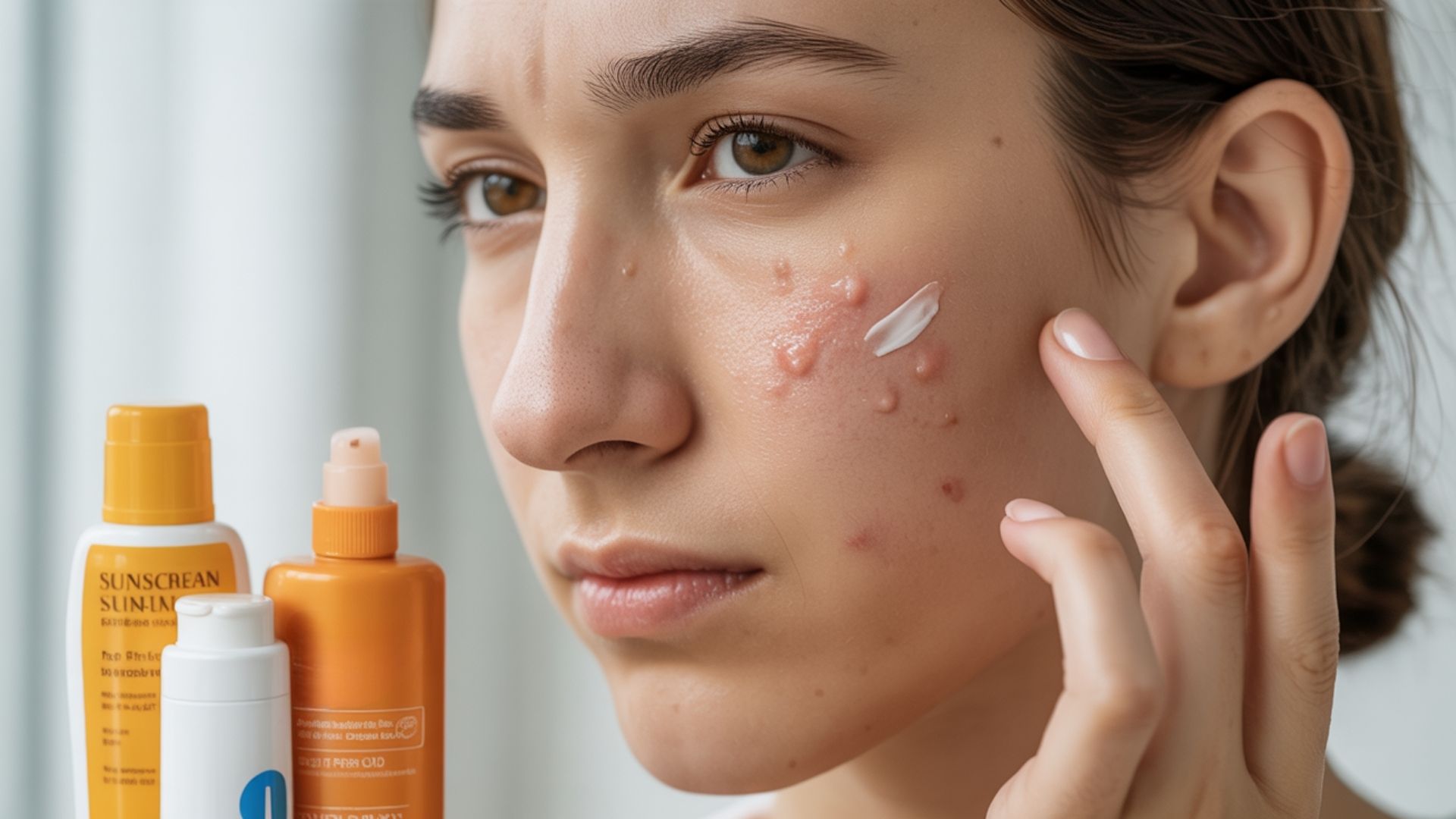
Yes, some sunscreens can trigger breakouts. Heavy or greasy formulas often clog pores, especially body sunscreens. What works for others might not work for you.
Avoid ingredients like coconut oil, cocoa butter, mineral oil, and beeswax. Chemical filters such as oxybenzone and octinoxate can irritate skin.
Silicones like dimethicone may feel heavy. Fragrances, essential oils, and alcohol in sprays can also cause problems for acne-prone skin.
How Sunscreen Can Actually Help Acne-Prone Skin
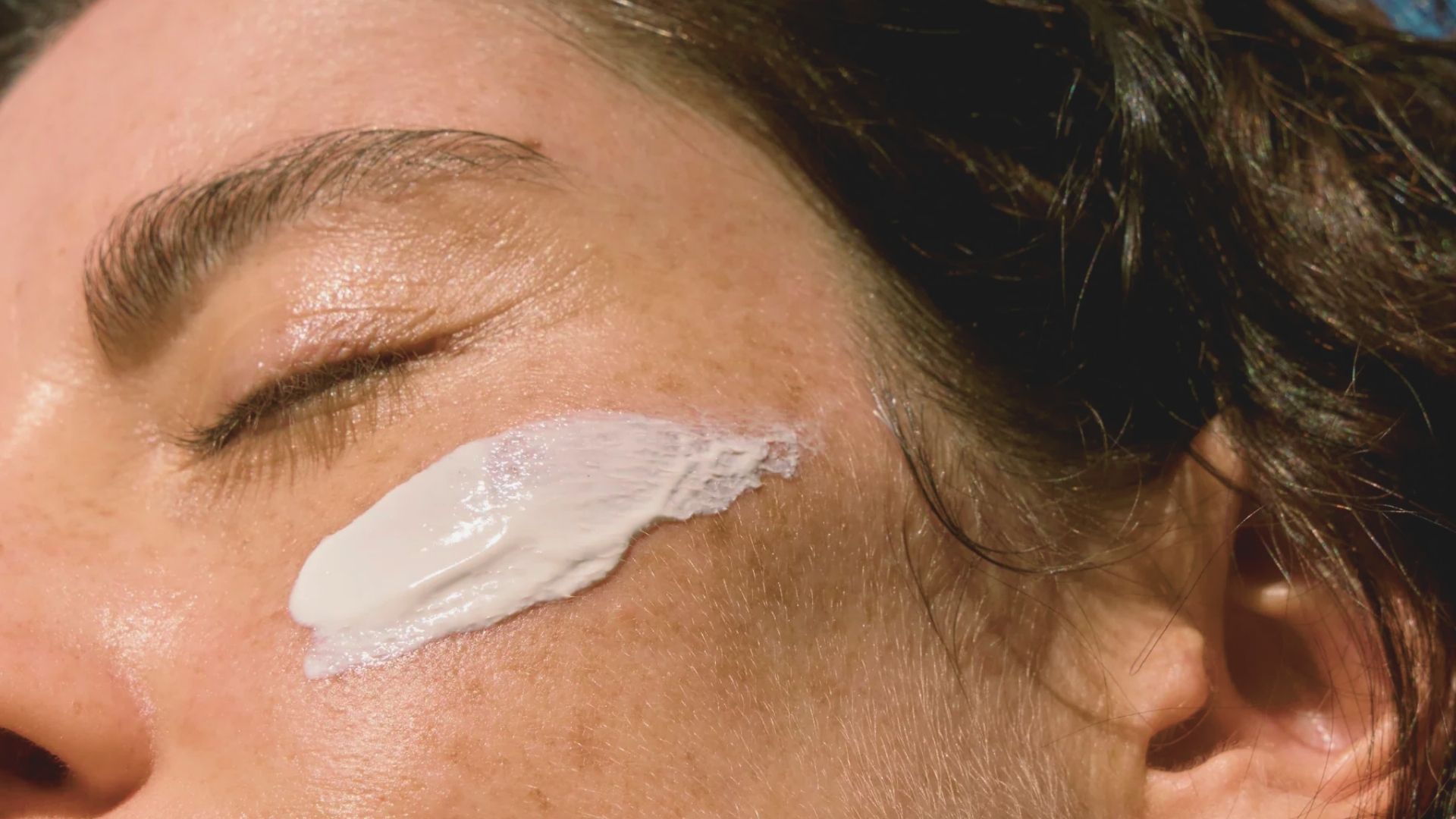
Sunscreen does more than prevent sunburn. It actually helps clear skin by protecting against dark spots, inflammation, and barrier damage.
Prevents Post-Acne Hyperpigmentation
Sun exposure makes dark spots and acne scars look worse. Those marks you’re trying to fade? UV rays darken them even more.
Wearing SPF daily protects your skin tone. It also helps those stubborn scars fade faster over time.
Reduces Inflammation and Irritation
UV rays make active breakouts angrier and more inflamed. This slows down your skin’s healing process.
Sunscreen acts as a shield. It minimizes irritation from both sun exposure and acne treatments like retinoids or benzoyl peroxide. Your skin stays calmer throughout the day.
Supports Skin Barrier and Healing
Sun damage weakens your skin’s protective barrier. This leads to dryness, peeling, and more sensitivity.
When you wear sunscreen, you protect your barrier from UV damage. Your skin can focus on recovering from breakouts instead of fighting off sun stress.
This means faster healing and fewer complications.
Ingredients That Help Acne-Prone Skin
- Niacinamide (Vitamin B3): This ingredient controls oil production and reduces redness. It also helps fade those dark marks left behind by old breakouts.
- Zinc Oxide (Mineral Sunscreen): Zinc oxide offers gentle UV protection that won’t clog pores. It has anti-inflammatory properties and helps regulate sebum production too.
- Titanium Dioxide: This lightweight mineral filter sits comfortably on sensitive skin. It protects without causing irritation or heaviness.
- Centella Asiatica (Cica): Cica soothes irritated, angry skin. It supports your skin’s recovery process after breakouts.
- Antioxidants (Raspberry Seed Oil, etc.): Antioxidants shield your skin from environmental stress. They also calm inflammation that can worsen acne.
- Squalane and Ceramides: These ingredients maintain your moisture barrier. When your barrier stays strong, you’re less likely to experience acne flare-ups.
Choosing the Right Sunscreen for Acne-Prone Skin
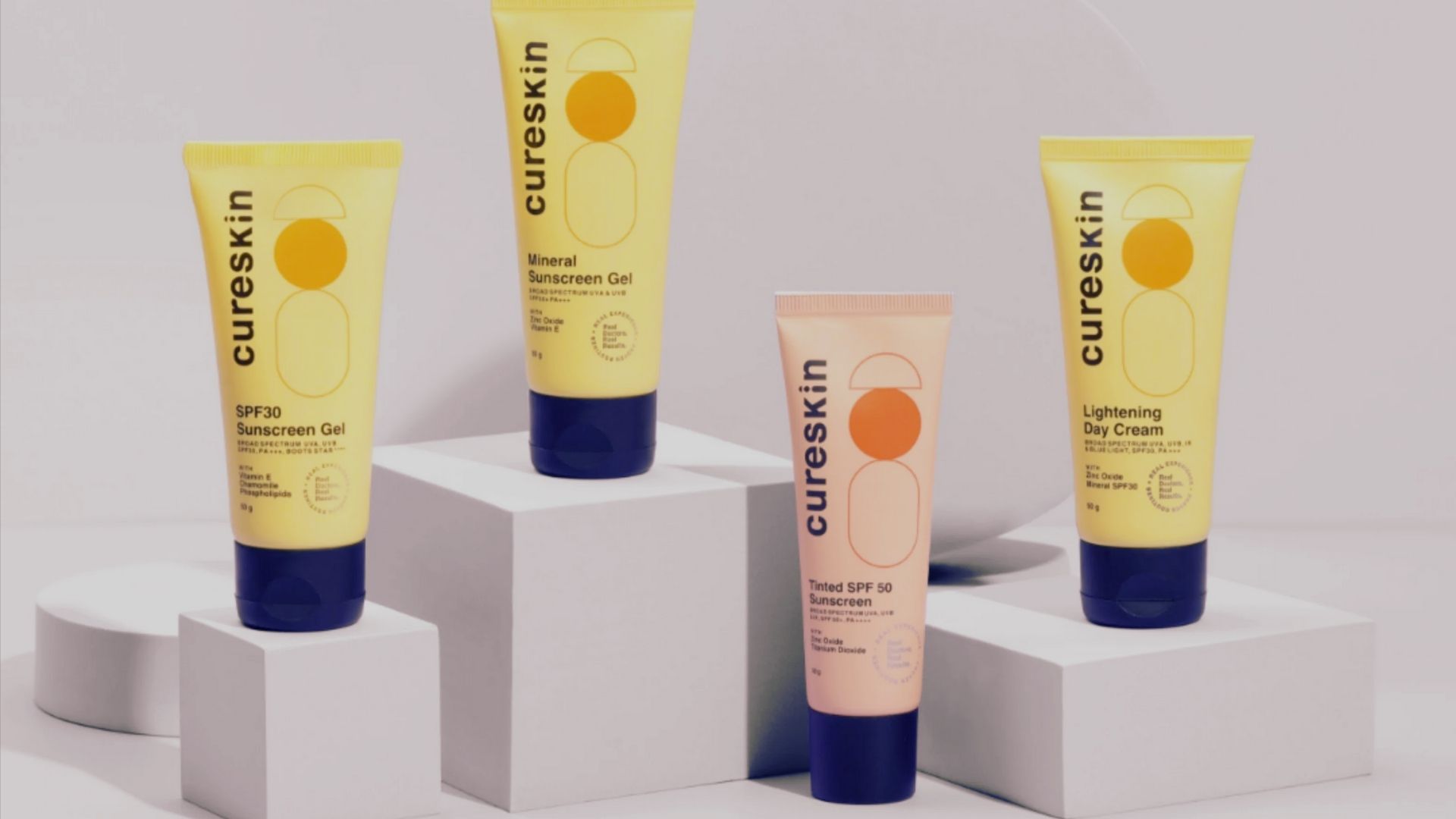
Finding the right sunscreen when you have acne-prone skin requires careful consideration of ingredients and formulations.
The wrong product can trigger breakouts, while the right one protects your skin without causing problems.
Face vs. Body Formulations
Face-specific sunscreens are lighter and formulated with acne-friendly ingredients.
Body sunscreens typically have thicker formulations that can feel greasy on the face and may clog pores.
Mineral vs. Chemical Sunscreens
Mineral sunscreens contain zinc oxide or titanium dioxide, which sit on the skin’s surface to block UV rays. These are less likely to clog pores, making them safer for acne-prone skin.
Chemical sunscreens are lightweight with invisible finishes but may irritate sensitive or reactive skin.
Texture and Finish
Mattifying or oil-free formulas work well for oily skin types and help control shine. Look for non-comedogenic labels to reduce clogged pores.
Lightweight lotions, gels, sprays, or powders offer comfortable daily wear. Pick the texture that fits your routine best for consistent use.
How to Apply Sunscreen With Acne Treatments

Layering sunscreen with acne treatments requires the right order and technique to ensure both products work effectively.
Proper application prevents pilling and maximizes protection while allowing your acne treatments to do their job.
Step-by-Step Daily Routine
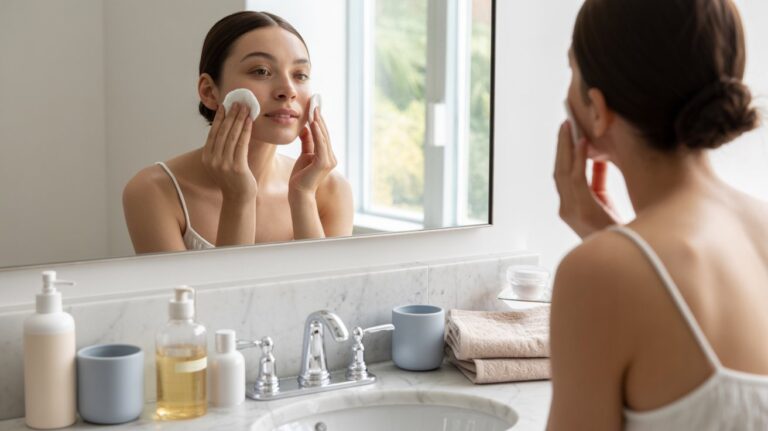
Start by cleansing your face gently with a mild cleanser to remove dirt and oil. Pat your skin dry with a clean towel.
Apply your acne treatment next, whether it’s a prescription medication or over-the-counter product. Give it time to absorb into your skin properly.
Follow with sunscreen as the final step in your skincare routine. Use enough product to cover your entire face and neck.
Let each layer absorb fully before applying the next one. This prevents pilling and ensures each product works as intended.
Tips for Maximum Protection
- Reapply sunscreen every two hours when you’re outdoors or exposed to sunlight. This maintains consistent protection throughout the day.
- Include SPF lip balm in your routine to protect your lips from sun damage. Lips are often overlooked but need protection too.
- Patch test new products before applying them to your entire face. This helps you avoid potential irritation or allergic reactions, which is especially important for sensitive, acne-prone skin.
Conclusion
After years of dealing with breakouts, I’ve learned that the right sunscreen won’t worsen acne. It actually helps heal faster and prevents dark spots.
Start with mineral formulas containing zinc oxide or oil-free options labeled non-comedogenic. Pay attention to how your skin responds and adjust accordingly.
Consistency matters more than perfection. Find a formula you’ll wear daily, reapply when needed, and your skin will thank you.
Ready to find your perfect match? Start shopping for acne-safe sunscreens today.
Frequently Asked Questions
Can sunscreen make my acne worse?
Yes, certain sunscreens with heavy or greasy formulas can clog pores and trigger breakouts. However, non-comedogenic, oil-free options are specifically designed for acne-prone skin and won’t cause problems.
Should I skip sunscreen if I have active breakouts?
No, you should never skip sunscreen even with active breakouts. Sun exposure can worsen inflammation and darken acne scars, making your skin condition harder to manage.
What SPF level is best for acne-prone skin?
SPF 30 or higher provides adequate protection for acne-prone skin. The formula and ingredients matter more than the SPF number, so focus on non-comedogenic options.
How long should I wait between applying acne treatment and sunscreen?
Wait 2-3 minutes after applying acne treatment to let it absorb fully. This prevents pilling and ensures both products work effectively without interfering with each other.
Can I wear makeup over sunscreen if I have acne?
Yes, you can wear makeup over sunscreen once it has fully absorbed. Choose non-comedogenic makeup products and consider using powder sunscreen for touch-ups throughout the day.