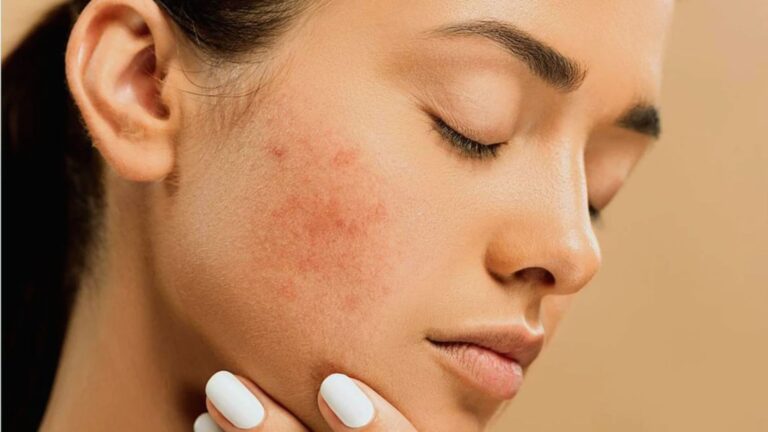
How to Transition Your Anti-Aging Routine from Winter to Summer Smoothly

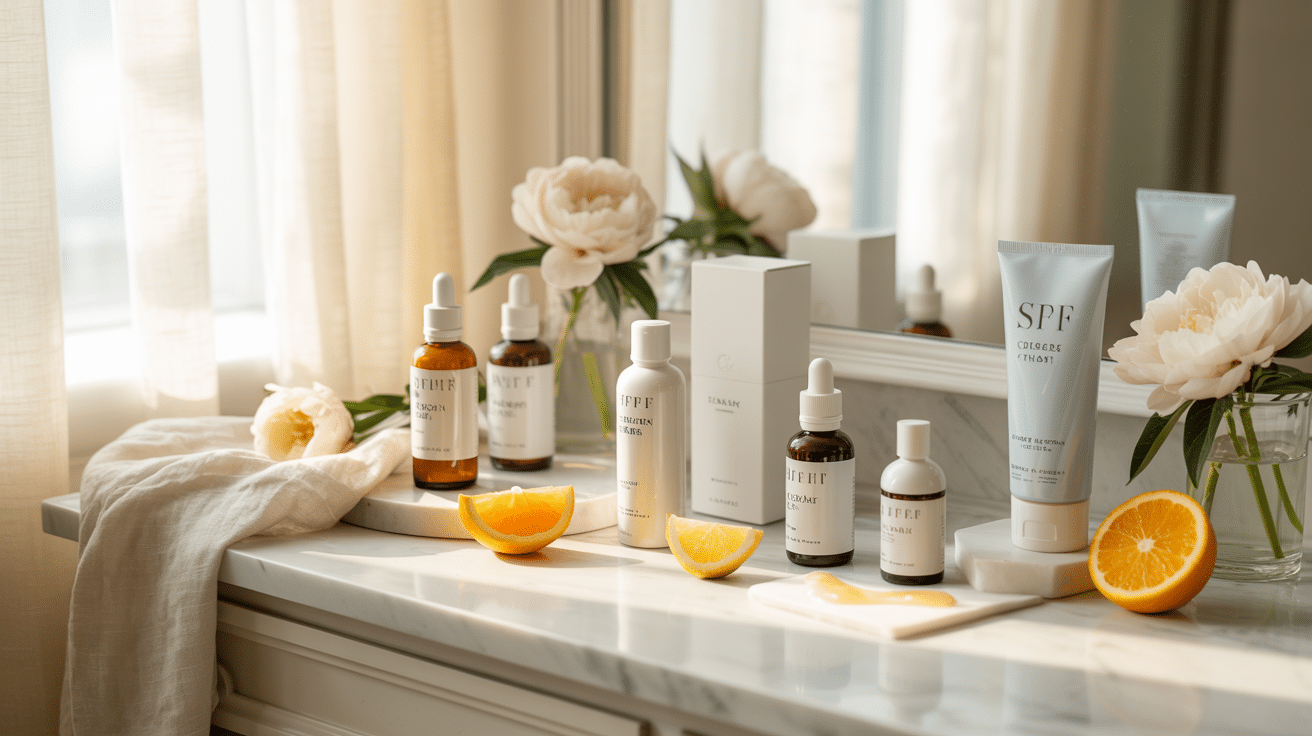
Skin rarely shifts its behaviour on a fixed schedule. Winter routines that felt supportive can start to feel heavy once humidity rises, while lighter summer layers sometimes leave the barrier underfed after months of colder air and indoor heating. The transition between seasons about recalibrating how products sit together.
What often gets overlooked is how temperature, sweat levels, and UV exposure quietly alter absorption and tolerance. A routine that worked in January can feel slightly misaligned by late spring without anything obviously “wrong” with the products themselves.
With that in mind, seasonal adjustment is less about replacement and more about timing, texture, and how active steps are spaced across the week.
Where formulation structure becomes more noticeable across seasons
OKOA Skin builds its formulations around layered support rather than single-function steps, combining clinical actives with botanical ingredients that work across hydration, barrier strength, and surface balance. That structure becomes more noticeable when the seasons shift, because the skin is already under mild environmental stress.
Peptides, ceramides, and antioxidant-rich plant extracts sit alongside hydrating agents in a way that allows the skin to adjust gradually rather than react sharply to change.
Instead of removing products entirely, emphasis should be placed on how they are layered and how frequently stronger steps are used.
Why seasonal shifts change how skincare behaves on the skin
Cold weather tends to slow down oil production and weaken surface hydration, which is why richer creams and occlusives feel necessary. Once temperatures rise, that same level of occlusion can start to sit too heavily, especially during the day.
The skin barrier itself does not reset with the seasons, but its response changes. Sweat production increases, sun exposure becomes more consistent, and products absorb differently depending on humidity levels. Even actives like retinol or vitamin C can feel more intense simply because the barrier is already adjusting to environmental change.
This is where routine structure matters more than individual product strength. A well-balanced system can flex without needing a complete overhaul, which becomes especially relevant when moving between colder and warmer months.
How stress and routine changes influence skin reactivity
Seasonal transitions rarely happen in isolation, and travel, schedule shifts, and changes in sleep patterns often sit alongside them. Stress itself has a visible effect on barrier performance, often increasing sensitivity or uneven texture.
Stress and skin behaviour often intersect in subtle ways, where breakouts or dullness appear not from a single trigger but from accumulated disruption in routine and recovery cycles. During these periods, simplifying layering steps can help stabilise the skin’s response.
Hydration-focused products tend to take priority here, while stronger actives like exfoliating acids or retinol are often spaced further apart to reduce overlap with already heightened sensitivity.
Adjusting actives without disrupting skin balance
Retinol and exfoliating acids do not need to disappear in warmer months, but their frequency often benefits from adjustment. Higher temperatures and increased UV exposure can make skin more reactive, which shifts how often these ingredients should be used rather than whether they should be used at all.
A more measured approach tends to work better, where active nights are balanced with recovery-focused routines in between. This is where layering becomes more important than product choice alone, since the same product can feel completely different depending on what surrounds it.
Skin cycling approaches reflect this shift in rhythm, where actives are rotated rather than stacked continuously. Skin cycling shows how spacing out exfoliation and renewal phases can help maintain barrier stability while still supporting long-term improvement in texture and tone.
What dermatological research says about seasonal skin stability
Clinical dermatology consistently shows that skin barrier function is highly responsive to environmental conditions, particularly humidity, temperature, and UV exposure. These factors influence hydration retention and how well active ingredients are tolerated over time.
Harvard Health Publishing notes that maintaining barrier integrity and consistent protection is central to long-term skin health, particularly as external exposure increases with seasonal change.
This aligns with the idea that skincare does not need to become more complex during transitions. Instead, it benefits from steadier support systems that keep hydration and protection consistent while allowing actives to work within a more stable environment.
Why lighter layering does not mean weaker results
There is a common assumption that reducing product weight reduces effectiveness, but seasonal transitions often show the opposite. When humidity rises, skin naturally holds more water, which changes how emollients and occlusives behave on the surface.
Thicker winter layers can start to feel unnecessary, not because they stop working, but because the environment is already contributing to hydration. Shifting toward lighter textures allows the skin to maintain balance without overloading the barrier.
This is also where trust in formulation design becomes more relevant than product volume. Brands that focus on ingredient balance rather than intensity tend to perform more consistently across seasonal changes.
Skincare trust and formulation clarity, where stability often outweighs trend-driven routine changes, is becoming a more common way of thinking about product choice, especially as people move between climates, routines, and levels of environmental exposure that shift how skin behaves.
How seasonal routines settle into a steadier rhythm
Once the initial adjustment passes, most skin settles into a more predictable pattern where fewer products are needed, but each one plays a clearer role.
Hydration, protection, and active support begin to space themselves out naturally across the week rather than clustering in daily layers.
Structured skincare timelines, consistency over time often matters more than short bursts of intensive treatment, particularly when skin is already adapting to environmental change.
By late summer, most routines feel less about correction and more about maintenance, where the focus quietly shifts toward keeping the barrier steady while allowing natural repair processes to continue without interruption.