Demystifying Skin Imperfections: Solutions for a Clearer Complexion


Wanting clear skin is common, but figuring out all the different skin issues can feel like a lot. Whether it's a quick blemish or something more lasting, knowing what's going on is the first step to finding a good fix. This guide will help clear up some common skin worries and give you some easy ways to get healthier-looking skin.
Types of Skin Imperfections
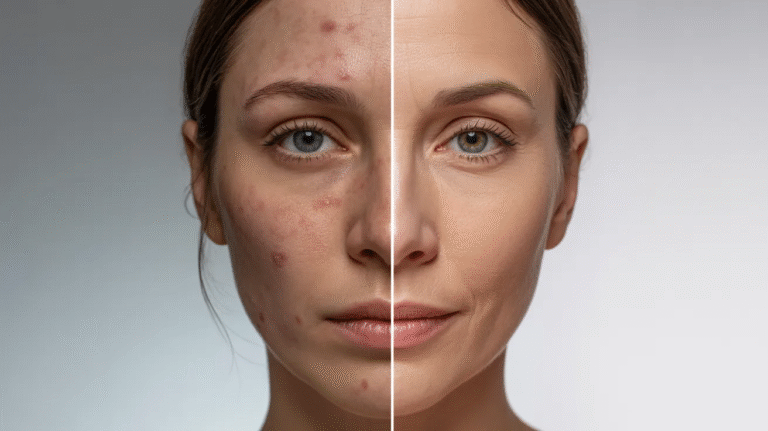
"Skin imperfection" is a big umbrella term for all sorts of concerns, and each one has its own reason for being there and its own solution. The most common one is acne, which shows up as whiteheads, blackheads, little bumps, or even bigger cystic spots. After these clear up, they can sometimes leave marks behind.
You might see dark spots left over after a pimple heals, and we call these post-inflammatory hyperpigmentation (PIH). These happen when your skin cells make too much melanin, which is the stuff that gives your skin its color. Then there are red or purple spots, called post-inflammatory erythema (PIE), which pop up when tiny blood vessels near the skin's surface get damaged or stretch out. Real acne scars are different; they're permanent changes to your skin's texture, either as dips in the skin (atrophic scars) or raised bumps (hypertrophic scars).
The Formation of Acne Scars
Acne scars show up when a breakout goes really deep into your skin and messes with the tissue underneath. As your skin tries to fix itself, it makes collagen. If it doesn't make enough, you get those little dips or pits in your skin, like "ice pick" or "boxcar" scars. But if your body makes too much collagen trying to heal the wound, you might end up with a raised hypertrophic or keloid scar.
Usually, the worse and longer the inflammation, the more severe the scarring. That's why skin experts always tell you not to pick, pop, or squeeze pimples. Doing that can make the inflammation worse, push bacteria deeper, and seriously boost your chances of getting permanent scars.
Effective Approaches to Scar Reduction
Picking the right way to reduce skin imperfections really depends on what kind they are. For discoloration like PIH and PIE, creams and serums you put on your skin can work pretty well. Learning how to improve post-acne marks often means sticking to a routine with ingredients like retinoids, vitamin C, and niacinamide, which help your skin renew itself and fade those spots over time.
But these ingredients don't do much for textured, indented scars that involve deeper collagen damage. For these tougher imperfections, getting help from a professional is usually the best bet. There are advanced treatments that can really improve your skin's texture by working under the surface to encourage new growth. Things like microneedling, laser resurfacing, and chemical peels are powerful options for acne scar removal because they kickstart your body's natural healing process to rebuild the skin. It's important to talk to a specialist who knows your skin, as there are specific tips for clearing acne in darker skin tones to think about to avoid any problems.
Maintaining Long-Term Skin Clarity
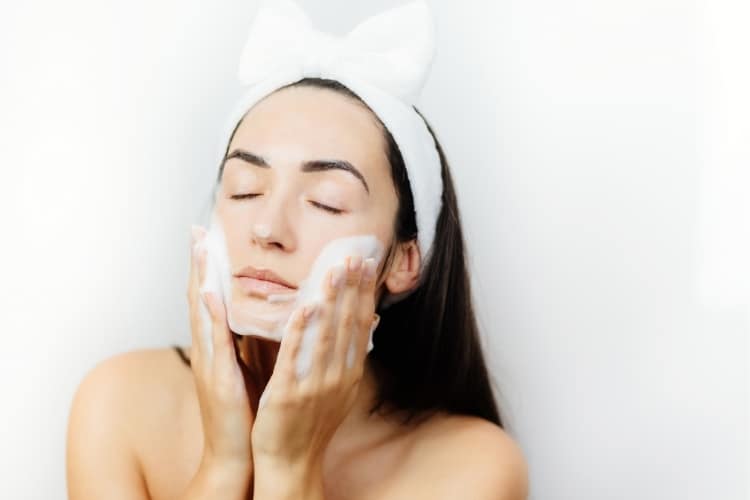
Once you've dealt with the imperfections you already have, the next step is keeping them away and preventing new ones. A regular daily skincare routine is key here. This should include a gentle cleanser to get rid of dirt without drying out your skin, a good moisturizer to keep your skin barrier healthy, and any special treatments you might need.
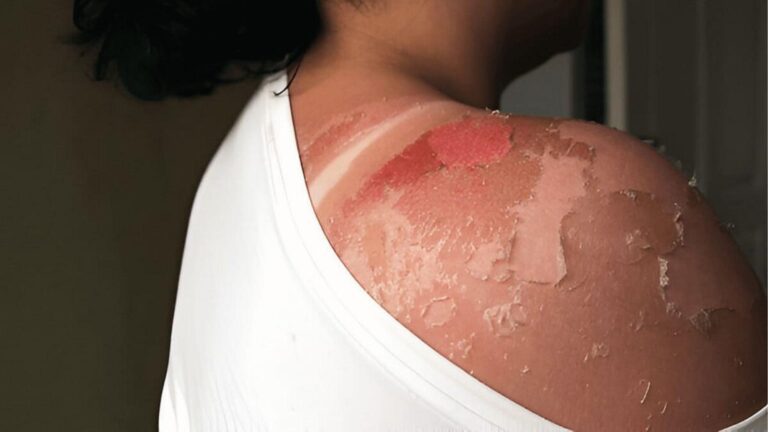
And don't even think about skipping sunscreen! UV rays can make existing scars and marks darker, making them more obvious and harder to get rid of. Wearing a broad-spectrum sunscreen with at least SPF 30 every day is your best defense against sun damage and making those post-acne marks worse. Finally, healthy habits like drinking enough water, eating well, and managing stress can really help your skin's overall health and how well it bounces back.
Patience and sticking with it are your best friends on the journey to clearer skin. When you understand what your skin needs and choose the right approach, you can manage your complexion effectively and feel much more confident.