Vitamin C Serum Before and After Results Explained


I’ve tested a lot of serums, and vitamin C serum before and after results are what finally made me take this ingredient seriously.
This article breaks down what to expect, when to see it, and why results differ for everyone. I’ve gone through real user experiences and solid research so you don’t have to guess.
We’ll cover how vitamin C actually works on skin, a clear week-by-week results timeline, visible changes you can track over time, and simple tips to get better results faster.
Whether your concern is dull skin, dark spots, or uneven tone, this guide is for you. With 5+ years in skincare content, I only share what’s backed by real evidence.
How Vitamin C Serum Works on the Skin

Vitamin C does more than brighten skin. It fights free radicals from sun exposure, pollution, and stress that break down healthy skin cells over time.
When applied as a serum, it neutralizes that damage before it builds up. It also supports collagen production, which keeps skin firm and smooth.
Without enough vitamin C, collagen slows down. Many users report firmer, more plump skin after weeks of consistent use.
On top of that, vitamin C blocks tyrosinase, the enzyme that controls melanin production. Less melanin activity means dark spots fade and skin tone looks more even over time.
Vitamin C Serum Before and After Timeline of Results
Results don’t happen overnight. This timeline helps you know what’s normal at each stage.
Week 1–2: Early Radiance and Freshness

Most people notice a subtle glow first. Skin may look less tired and more awake. This happens because vitamin C speeds up cell turnover slightly and starts fighting surface dullness.
Don’t expect dramatic changes yet. This phase is about your skin adjusting.
Week 3–4: Visible Tone and Texture Changes

By week three or four, skin texture often feels smoother. Uneven patches may start to look less noticeable. The tone begins to even out slowly.
This is the phase where most people start feeling motivated to keep going.
Week 6–8: Reduction in Dark Spots and Uneven Skin
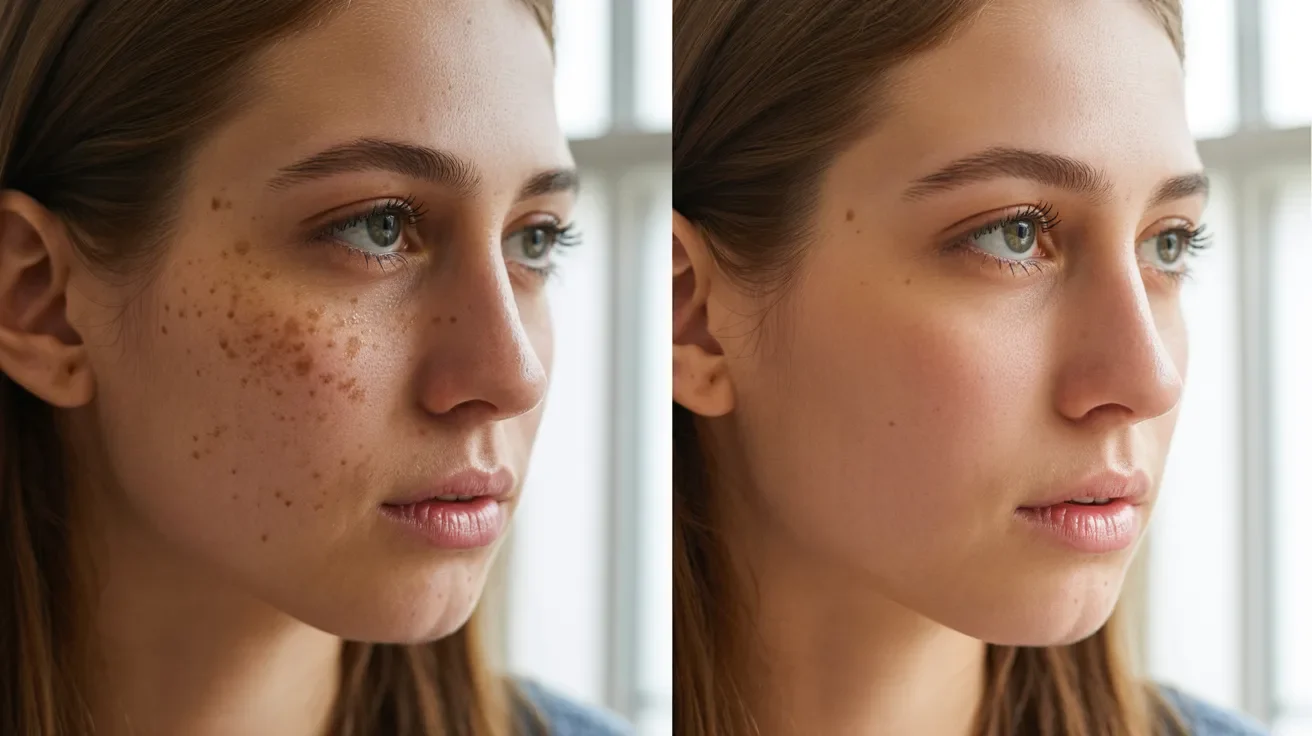
This is where real change shows up. Dark spots from sun damage or acne begin to fade. Skin looks more consistent in color.
It won’t be a complete overnight fix, but the difference between week one and week eight is usually clear in photos.
Week 10–12: More Stable and Long-Term Improvements

By three months, users often report more stable results. Skin looks brighter, firmer, and clearer on most days. Collagen benefits also become more visible around this time.
Consistency is everything here.
Visible Before and After Skin Changes
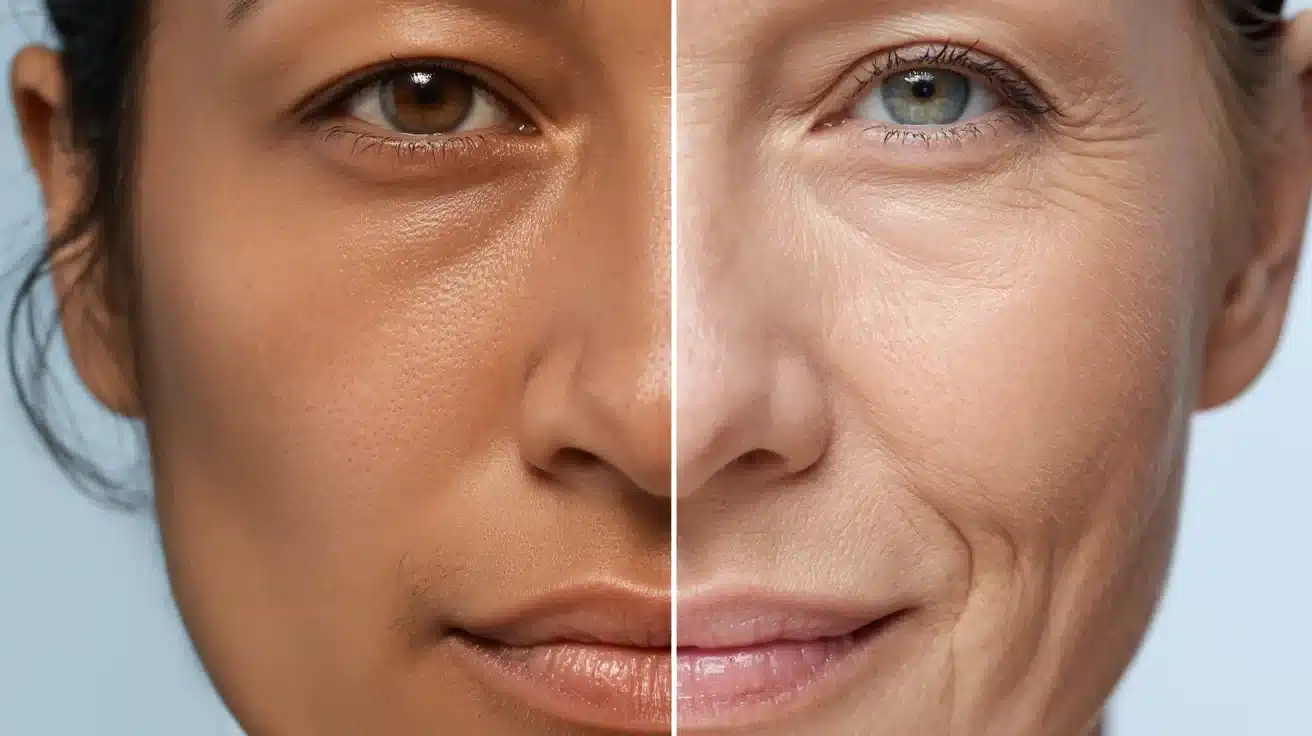
These are the most common improvements people actually notice and track over time.
Changes in Brightness and Overall Glow
Dull, flat-looking skin is one of the first things vitamin C addresses. After regular use, skin tends to reflect light better. The overall tone looks more alive.
Reduction in Pigmentation and Marks
Post-acne marks and sun spots are among the most common reasons people try vitamin C. With consistent use, these areas become lighter and less noticeable over 6 to 12 weeks.
Smoother Surface and Refined Pores
As dead skin clears and cell turnover improves, texture becomes smoother. Pores may look smaller because the skin around them is healthier and more even.
Improved Firmness and Skin Clarity
With collagen support kicking in, skin starts to feel firmer over time. Clarity improves too. Fine lines may appear softer, especially with regular morning use.
Factors That Influence Real User Results
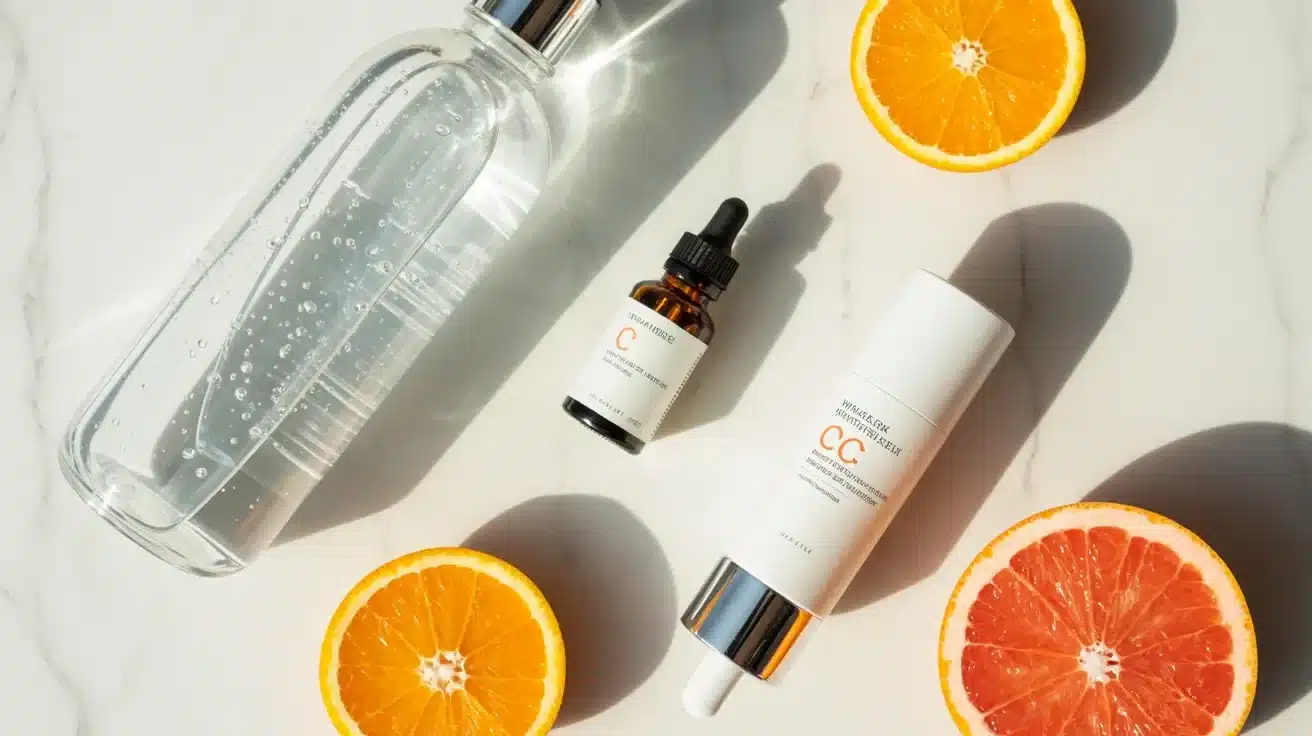
Not everyone sees results at the same speed. Here’s why that happens.
Formula Strength and Vitamin C Stability
Not all vitamin C serums are equal. L-ascorbic acid is the most studied form. A concentration between 10% and 20% tends to work well for most skin types.
Vitamin C also oxidizes quickly. A serum that’s turned orange or brown is less effective. Always check packaging and expiry.
Consistency of Application Over Time
Skipping days slows results. Vitamin C works best when it’s applied daily. Even a few days off can reset some of the protection benefits.
Skin Type and Sensitivity Response
Oily skin often tolerates higher concentrations. Dry or sensitive skin may need a gentler formula to avoid irritation.
Start at a lower percentage and build up slowly if your skin is reactive.
Lifestyle Factors Like Sun Exposure and Skincare Routine
Without sunscreen, vitamin C’s work gets partially undone every day. Sun exposure creates more free radicals and new pigmentation.
Pair it with SPF 30 or higher for the best outcome.
Common User Experiences and Expectations
Understanding what’s realistic helps you stay consistent without giving up too early.
Early Visible Changes vs Long-Term Results
Short-term changes like glow and freshness come first. Long-term changes like spot reduction and firmness take more time. Both are real. Don’t judge results only by week two.
Why Some Users See Faster Improvements Than Others
Skin type, formula quality, sun exposure, and routine all play a role. Someone using a stable, high-quality serum daily with SPF will likely see faster results than someone using it inconsistently.
Misunderstanding Instant vs Gradual Results
Vitamin C is not a quick fix. Many users quit before the six-week mark, which is when results become more visible. Patience matters more than people expect.
Tips to Maximize Vitamin C Serum Before and After Results
Small changes in how you apply it can make a real difference in what you see.
- Apply vitamin C serum every morning, before moisturizer and sunscreen, so it protects your skin all day long.
- Always follow with SPF. Vitamin C and sunscreen together give better protection than either one used alone.
- Add moisturizer after the serum dries fully to seal in hydration and keep skin comfortable.
- Avoid mixing vitamin C with high-concentration niacinamide at the same time, as it may reduce how well the serum works.
- Save AHAs and BHAs for your evening routine to avoid pH imbalance and absorption issues.
- Place your serum next to something you already use daily. Consistency is what drives real results.
Conclusion
I know how it feels to try something new and wonder if it’s actually working. With vitamin C serum before and after results, the biggest lesson I’ve learned is that patience wins.
Give it at least 8 to 12 weeks, stay consistent, and always use sunscreen. The changes are real, they’re just gradual. I’ve seen it work, and I believe it can work for you too.
If this helped you, drop a comment below and share your experience or pass it on to someone just starting out with skincare.
Frequently Asked Questions
How long does it take to see results from vitamin C serum?
Most people notice early brightness within 1 to 2 weeks. More visible changes like spot fading take 6 to 12 weeks of daily use.
Can vitamin C serum be used every day?
Yes, daily use is recommended for best results. Apply it in the morning as part of your regular skincare routine.
Does vitamin C serum work on dark spots?
It helps fade dark spots over time by reducing melanin production. Results are gradual and depend on consistency and formula strength.
What percentage of vitamin C serum is most effective?
A concentration of 10% to 20% L-ascorbic acid is generally well-studied and effective for most skin types without causing excessive irritation.
Why is my vitamin C serum turning orange or brown?
This means oxidation has occurred. An oxidized serum is less effective. Store it in a cool, dark place and replace it if it changes color.