Does Stress Cause Acne? What Research Says

Breakouts always seem to show up at the worst times, before a big presentation, during exams, or when life feels overwhelming.
That is not a coincidence. Stress and acne have a real connection, and science backs it up.
In this blog, I’ll walk you through what causes acne, how stress triggers breakouts, and what you can actually do about it.
As someone who has dealt with stress-related breakouts firsthand, I know how frustrating it can be. This guide is built on dermatology research and practical advice you can start using today.
What Is Acne and How Does It Develop?
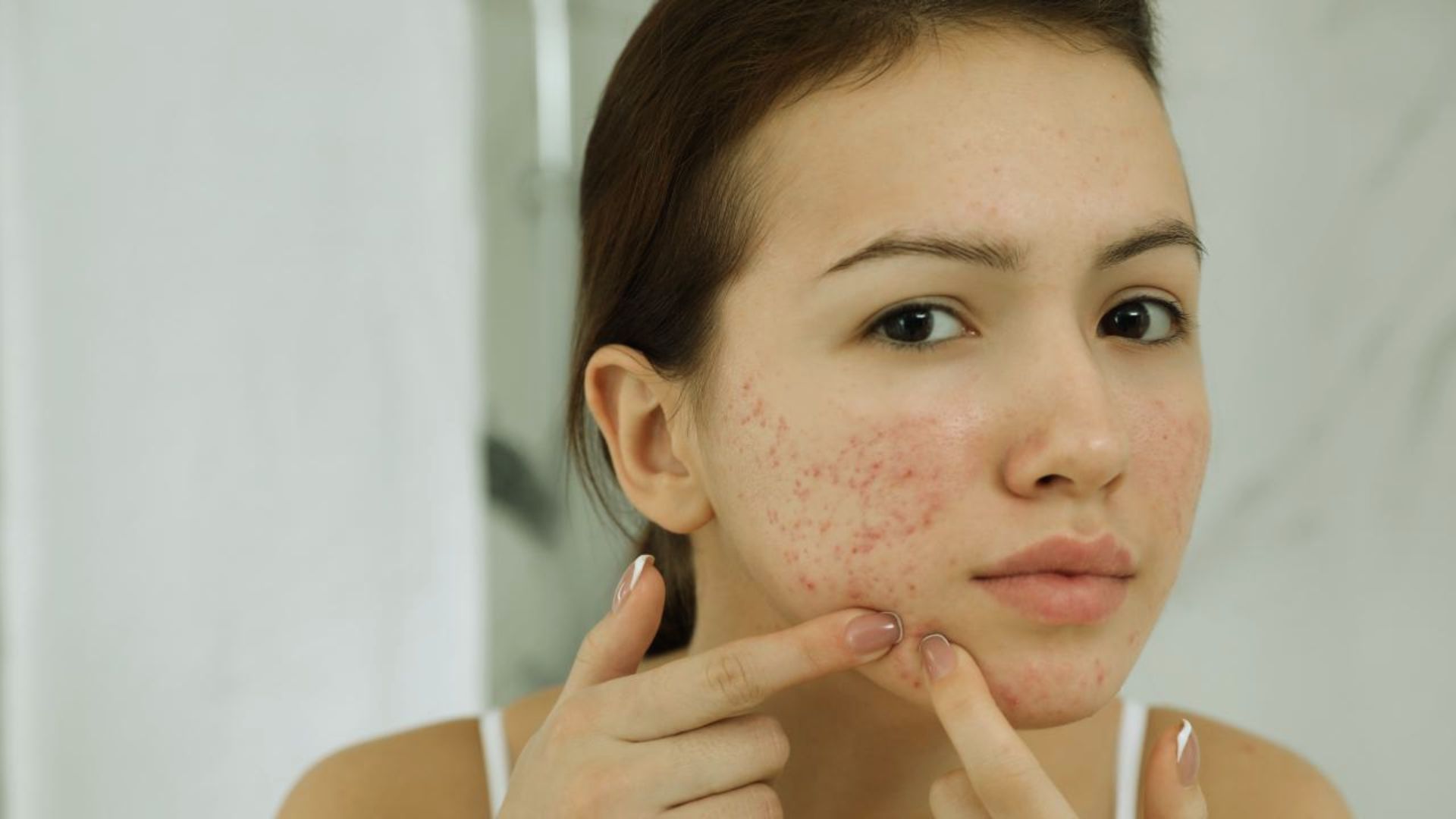
Acne starts deep inside your pores, not just on the surface of your skin.
Acne begins when hair follicles get blocked by a mix of excess oil, dead skin cells, and bacteria. Sebaceous glands sit next to these follicles and produce sebum, your skin’s natural oil.
When these glands overproduce, pores clog up quickly. Once a pore is blocked, a bacteria called Cutibacterium acnes starts to grow inside it.
Your immune system responds with inflammation, causing the redness, swelling, and pain we associate with pimples.
Acne comes in different forms. Whiteheads are closed clogged pores. Blackheads are open ones that darken with air exposure.
Papules are small red bumps, while pustules are filled with pus. Cystic acne is the deepest and most painful type, and it carries the highest risk of scarring.
How Does Stress Cause Acne?
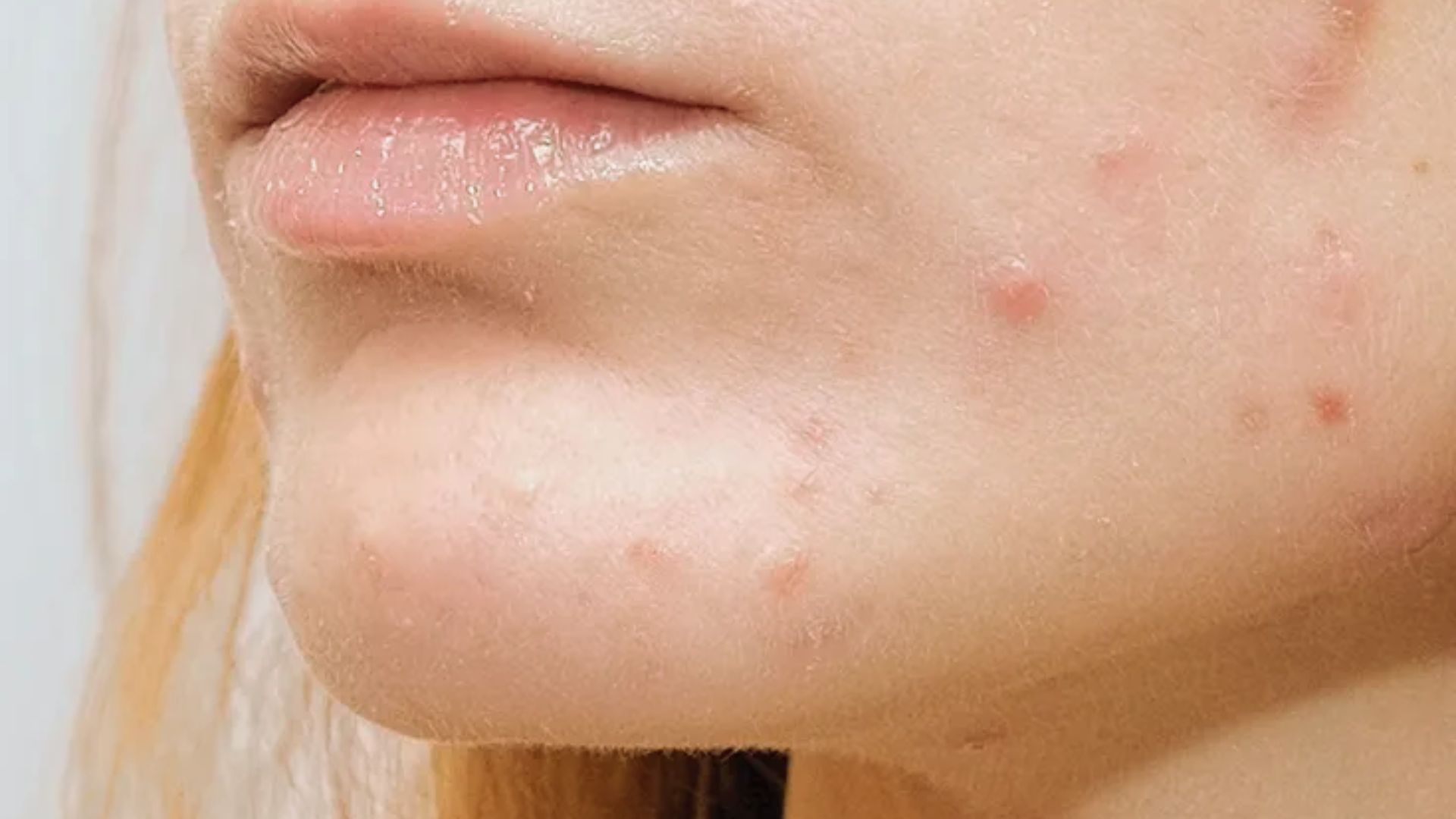
Understanding the process helps you take better control of your skin during tough times.
Increase in Cortisol (Stress Hormone)
When you feel stressed, your body releases cortisol. High cortisol levels directly stimulate sebaceous glands, causing them to produce more oil than your skin needs.
Excess Sebum (Oil) Production
More oil means a higher chance of clogged pores. When sebaceous glands are overactive, pores fill faster and bacteria have more to feed on, leading to more breakouts in a shorter time.
Inflammation and Immune System Response
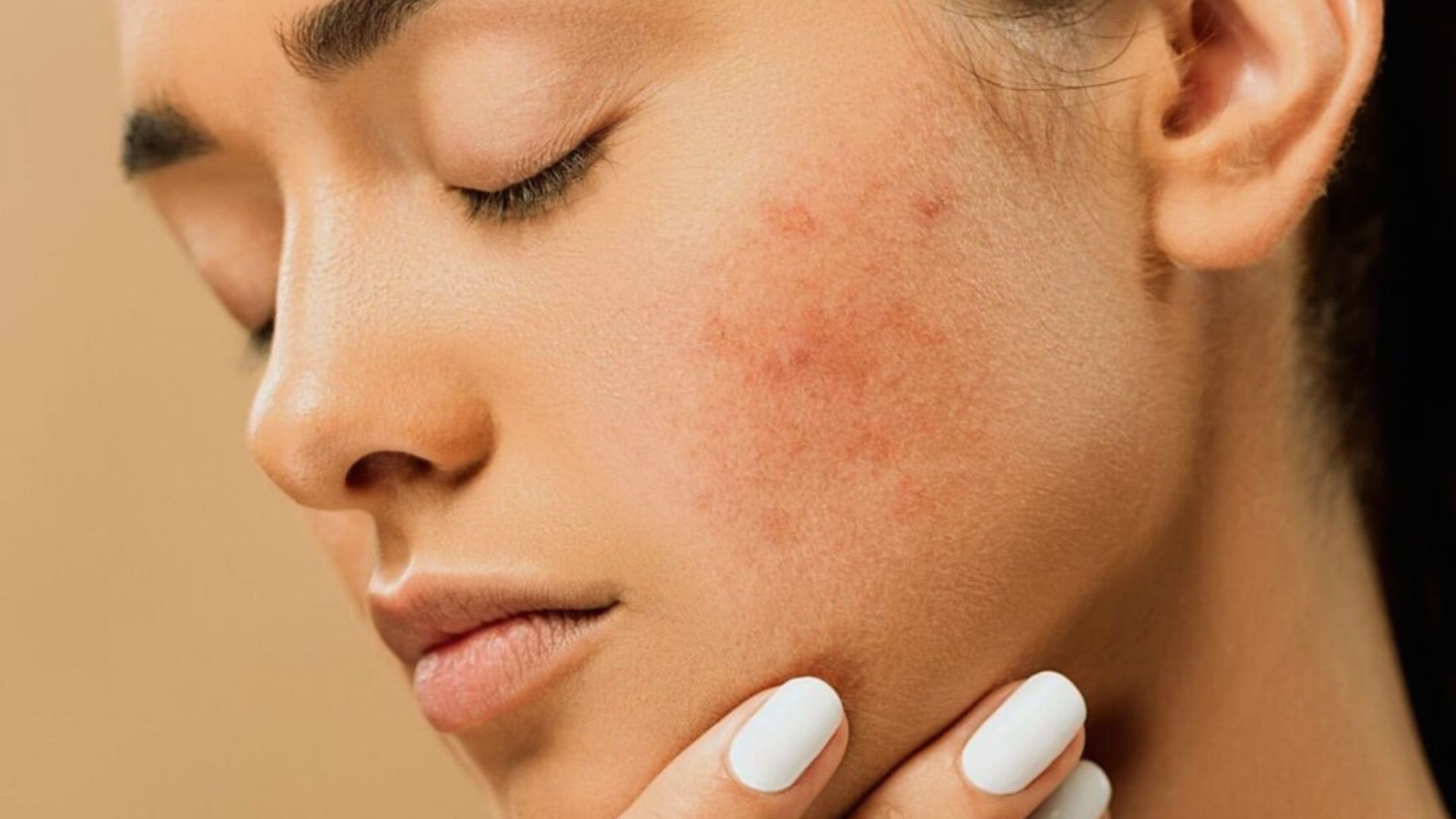
Cortisol triggers inflammatory responses in the skin. This is why stress-related pimples often appear angrier, redder, and more swollen than a typical breakout.
Slower Wound Healing and Prolonged Acne Lesions
Stress also slows your body’s ability to repair damaged tissue. Existing pimples take longer to heal, which increases the risk of post-inflammatory marks and scarring.
Why Does Stress Cause Acne?
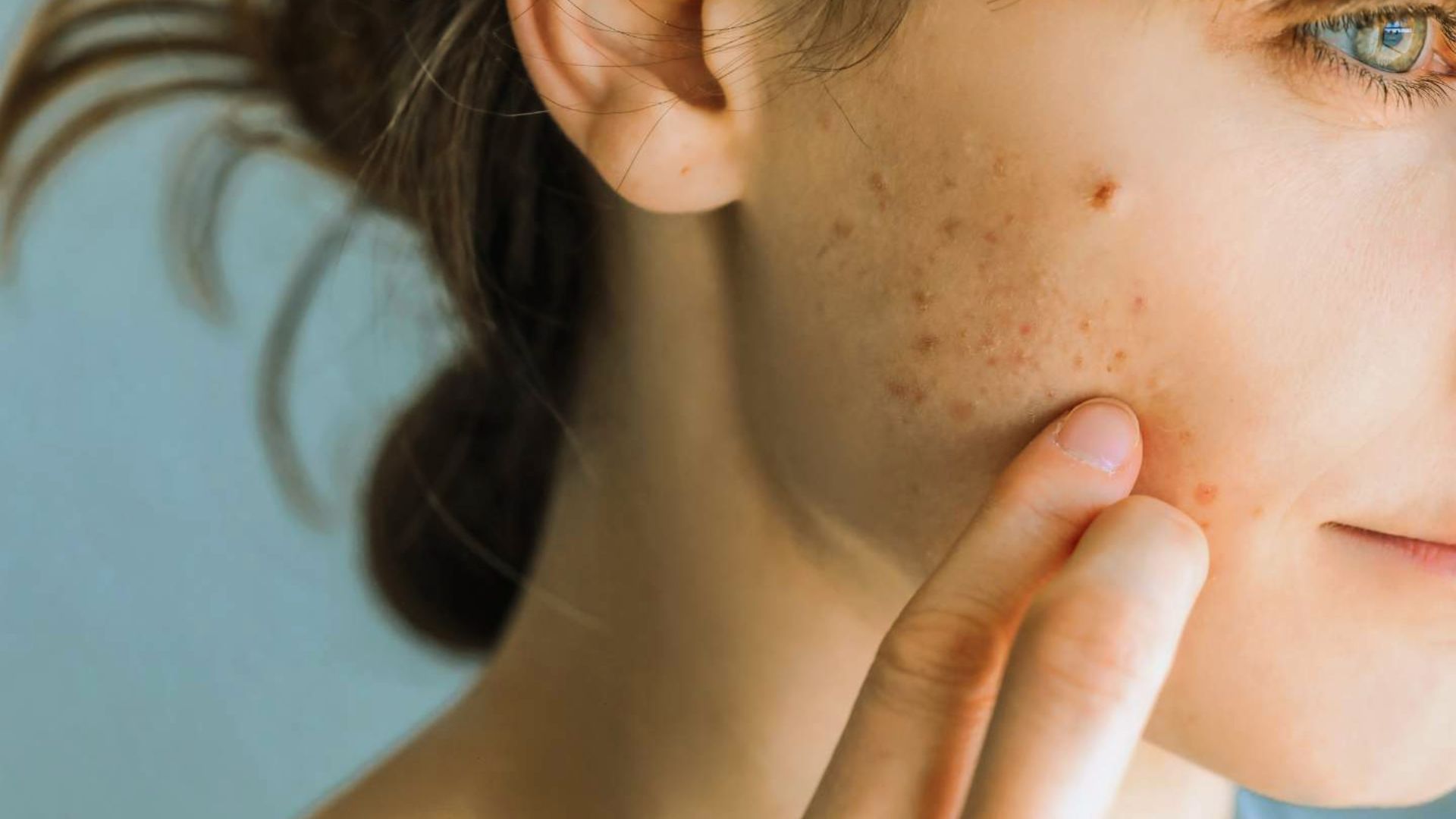
It goes beyond hormones. Stress affects your skin from multiple angles at once.
Hormonal Fluctuations Triggered by Stress
Beyond cortisol, stress also triggers androgens, hormones that further stimulate oil glands. In women, this can overlap with hormonal acne patterns, making both harder to manage.
Disruption of Skin Barrier Function
Chronic stress weakens the skin barrier, making your skin more reactive and less able to protect itself from bacteria and irritants.
Increased Bacterial Growth in Clogged Pores
With more sebum and a weakened skin barrier, acne-causing bacteria thrive. The environment inside a stressed person’s pores is ideal for bacterial overgrowth.
Lifestyle Factors
Stress rarely comes alone. Poor sleep, late-night eating, skipped skincare routines, and habits like touching your face all add to why acne gets worse during stressful periods.
What Research Says About Stress and Acne
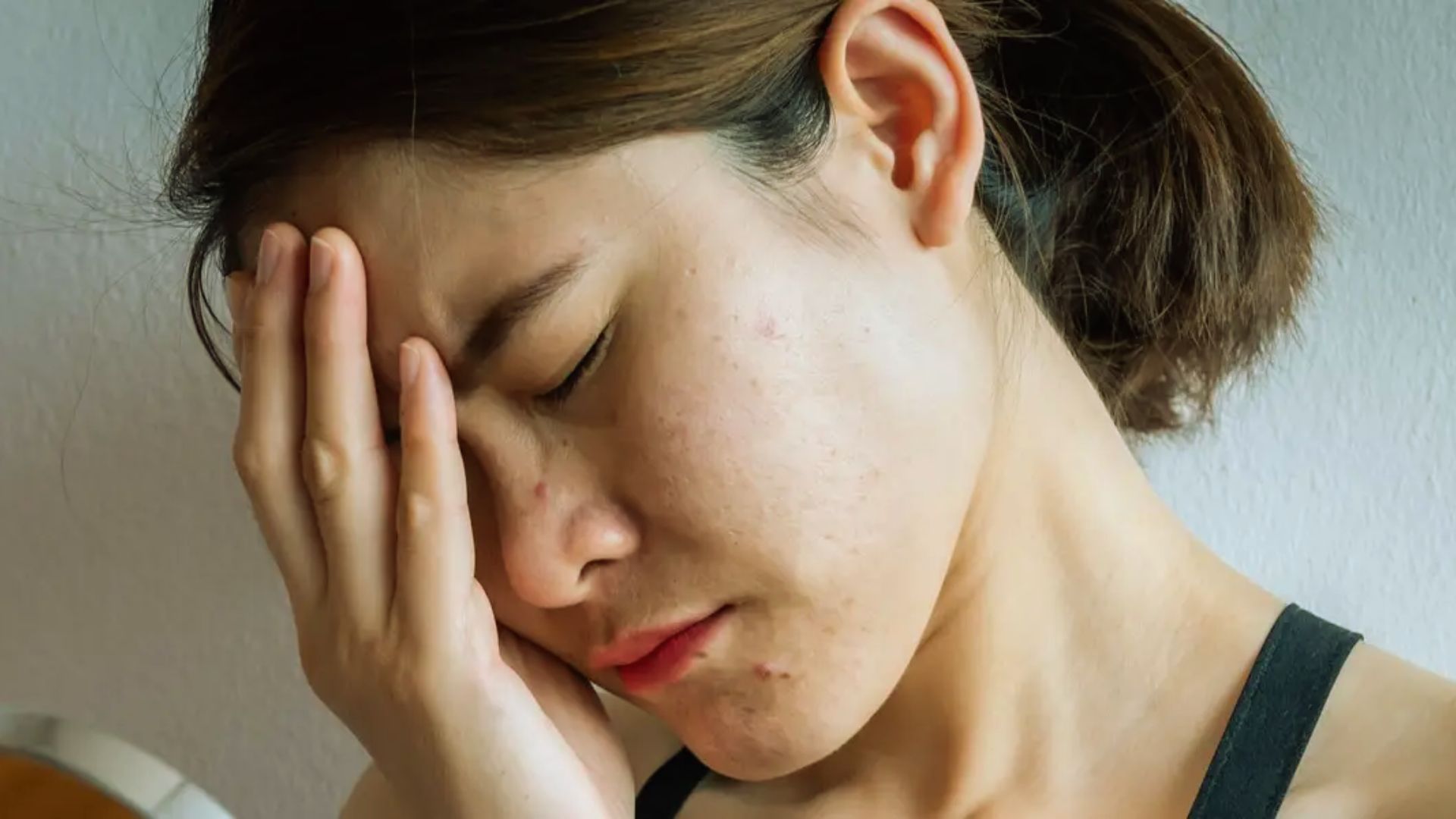
The science behind this connection is solid and continues to grow.
Studies Linking Stress to Increased Acne Severity
Research consistently shows a positive link between perceived stress and acne severity.
Studies from dermatology journals across the US, Europe, and Asia all point in the same direction, higher stress leads to worse acne.
Role of Cortisol in Inflammation and Sebum Production
Cortisol tells oil glands to produce more sebum and triggers an inflammatory response in the skin. Both effects have been confirmed in clinical research and are central to how stress worsens acne.
Evidence on Delayed Healing and Immune Suppression
Studies show that wounds heal measurably slower in people under high stress. For acne, this means breakouts last longer and carry a greater risk of post-acne marks.
Dermatology Perspectives on Stress-Induced Acne
Most dermatologists now consider stress management a legitimate part of acne treatment. Treating acne without addressing stress, especially in adults, often leads to incomplete or short-lived results.
Signs Your Acne May Be Stress-Related
Not every breakout is caused by stress, but certain patterns can give you a clear answer.
Sudden Onset During Stressful Periods
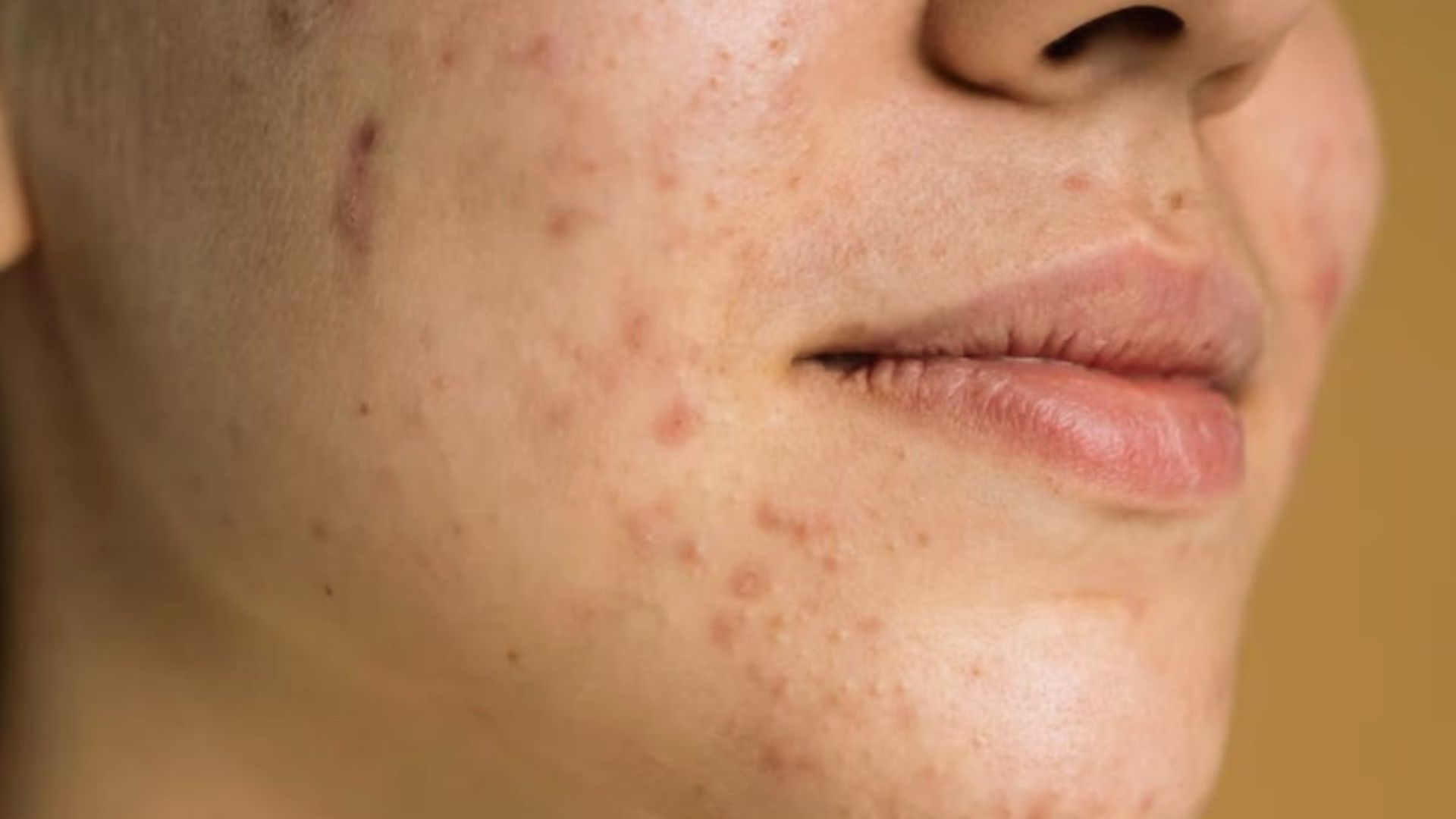
If your skin is usually clear and you break out right before or during a stressful event, stress is very likely involved. The timing alone is one of the strongest signals.
Increased Redness and Inflammation
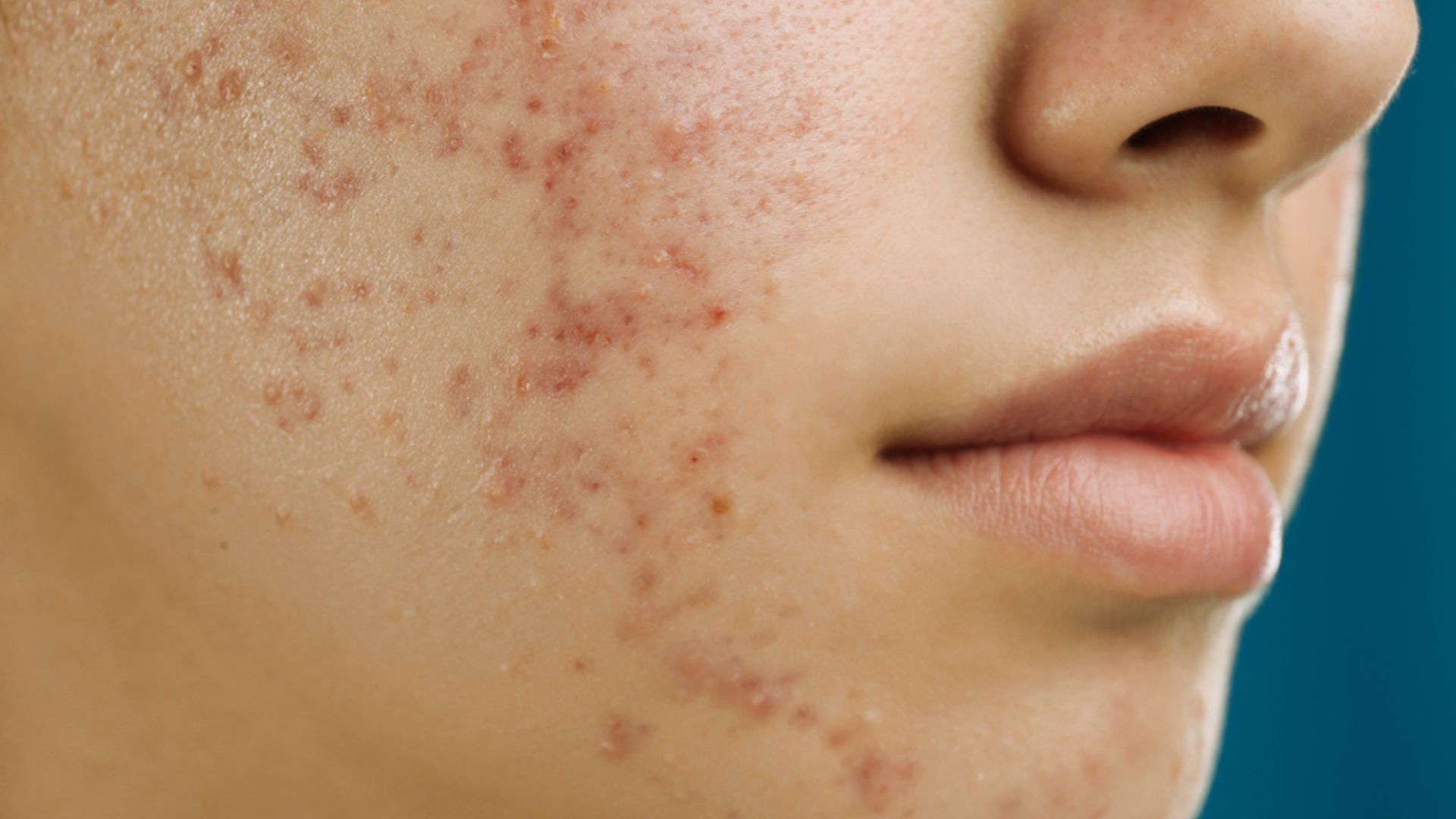
Stress acne tends to look more inflamed than a standard breakout. The pimples are often redder, more swollen, and more sensitive to the touch.
Breakouts Clustering in Common Stress-Prone Areas
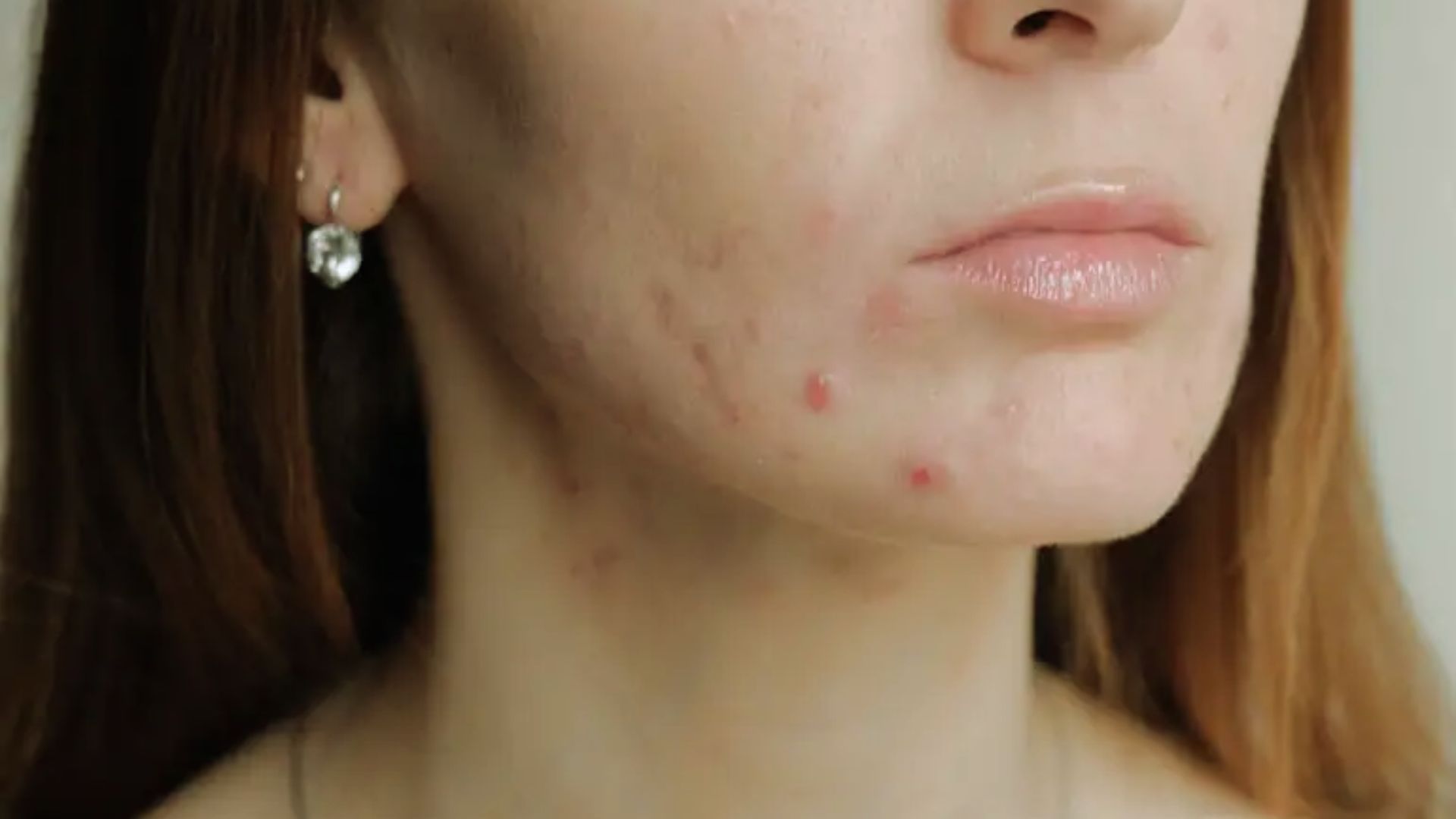
If your breakouts concentrate on the forehead, chin, and jawline during high-stress weeks, there is a strong case for stress being a major contributing factor.
Worsening Acne During Anxiety or Pressure
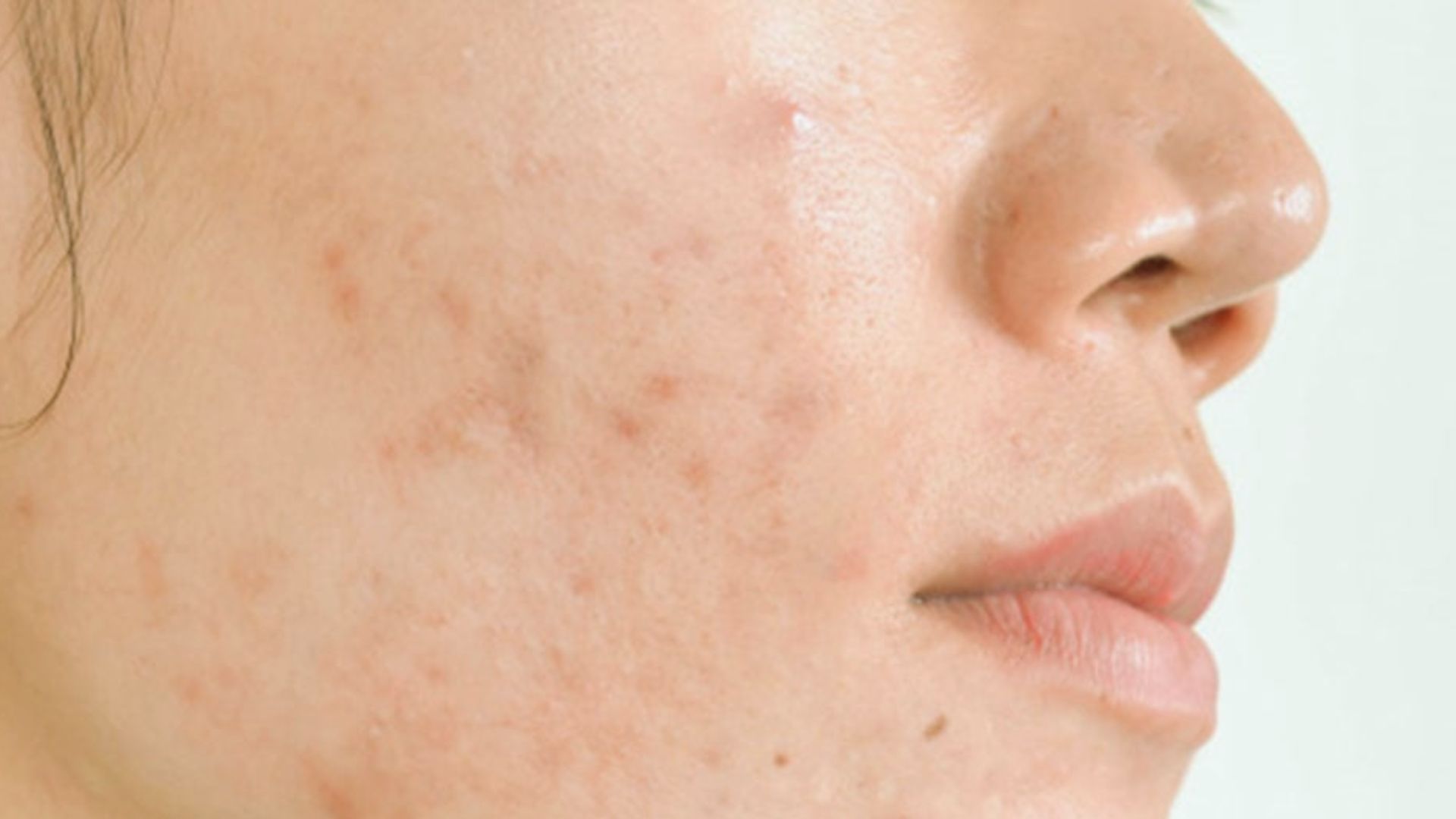
If you notice a consistent pattern of flare-ups during anxiety-heavy periods, exams, work deadlines, or personal conflict, your skin is reflecting the internal pressure you are under.
When to See a Dermatologist
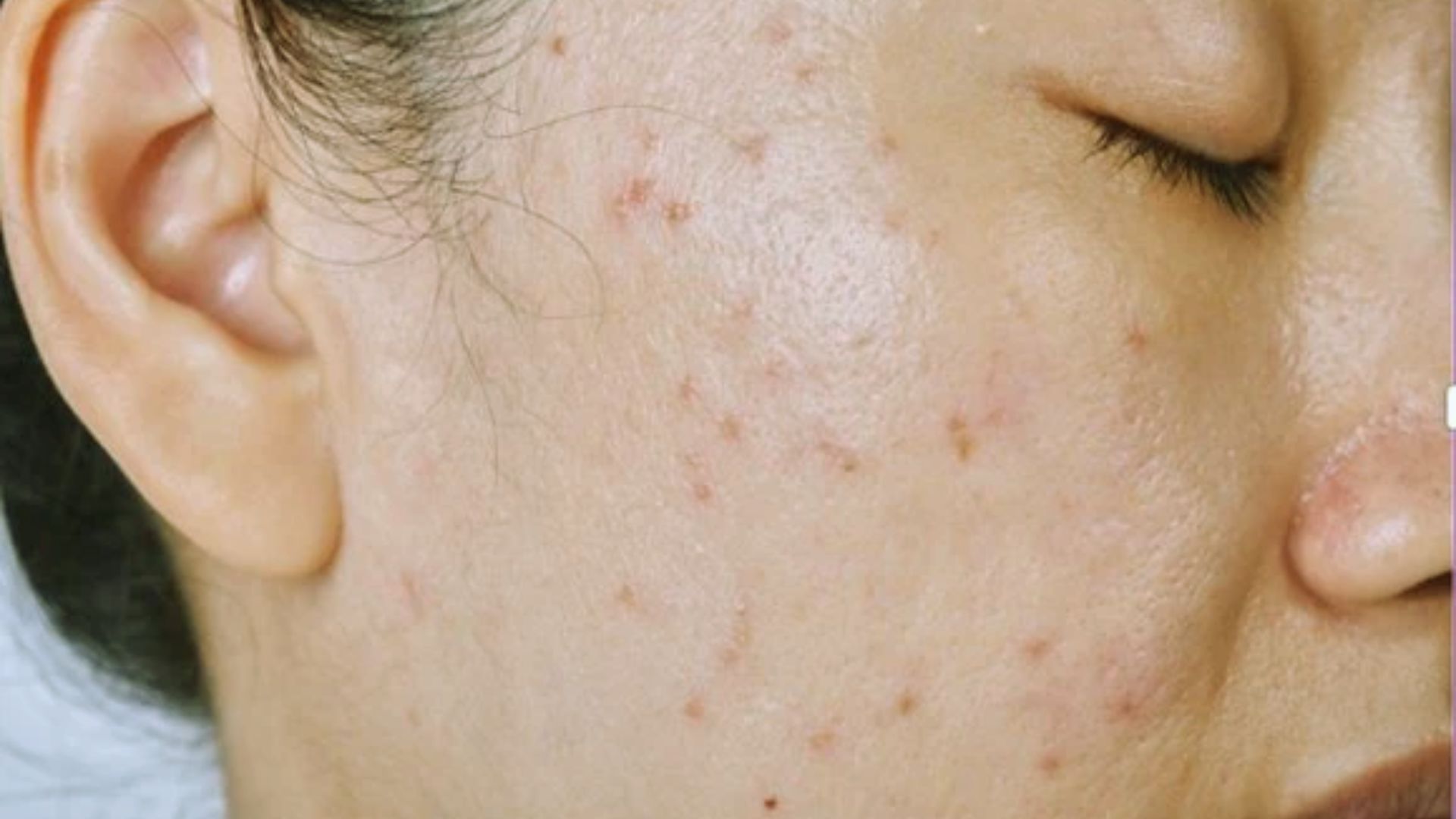
Some acne needs professional care, and knowing when to seek help matters.
If your acne has not improved with over-the-counter treatments after 8 to 12 weeks, a dermatologist can prescribe stronger options.
Cystic or nodular acne rarely responds to drugstore products and needs medical treatment.
If you are noticing scarring, dark spots that are not fading, or recurring breakouts that affect your confidence, that is a clear sign to book an appointment.
A dermatologist can also help separate stress-related acne from hormonal or dietary causes and give you a more targeted plan.
Tips to Manage Stress-Related Acne
Small, consistent habits make a real difference over time.
- Practice stress management techniques such as meditation, yoga, or deep breathing to help reduce cortisol levels and prevent acne flare-ups.
- Maintain a consistent sleep schedule with 7 to 9 hours of quality sleep to support skin repair and hormonal balance.
- Follow a gentle skincare routine by cleansing twice daily and using non-comedogenic products that will not clog pores.
- Avoid touching, picking, or squeezing your face, as this can worsen inflammation, spread bacteria, and lead to scarring.
- Stay mindful of diet and lifestyle by eating a balanced diet, staying hydrated, and exercising regularly to support overall skin health.
Conclusion
Stress does not directly cause acne, but it absolutely makes it worse. I have seen this in my own skin during high-pressure weeks, and I know how discouraging it feels.
The good news is that once you understand the connection, you can take real steps to manage it. Start with small changes, be patient with yourself, and know that you are not alone in this.
Have a tip that has worked for you? Drop it in the comments below. And if this helped, share it with someone who needs it.
Frequently Asked Questions
Does Stress Cause Pimples or Acne?
Stress does not directly cause acne, but it triggers hormonal and inflammatory responses that make existing breakouts worse and more frequent.
How Does Stress Affect Acne?
Stress raises cortisol levels, which increases oil production and inflammation. This clogs pores faster and makes breakouts more severe and slower to heal.
Can Anxiety Make Acne Worse?
Yes. Anxiety raises cortisol and inflammatory markers, which can lead to persistent flare-ups that are hard to manage without addressing the stress itself.
Where Does Stress Acne Usually Appear?
Stress acne most commonly appears on the forehead, chin, and jawline due to higher oil gland concentration and hormonal sensitivity in these areas.
Can Stress Acne Go Away on Its Own?
Yes, it often improves once the stressful period ends. However, consistent skincare and stress management help speed up recovery and prevent future breakouts.