Do You Tan Better in Water? Truth Explained


You’ve probably heard that you tan faster near the water. And honestly, it does feel that way at the beach or pool. But is it actually true?
There’s a lot of confusion around this. Some people swear by it. Others aren’t so sure.
In this article, I’ll break down what really happens when you’re in or near water, why it feels like you tan faster, and how to stay safe while doing it. By the end, you’ll know exactly what’s going on.
Do You Tan Better in Water?
Here’s the short version before we get into the details.
No, water itself doesn’t directly make you tan faster. But it can speed up tanning and burning in indirect ways.
When you’re at the beach, a water park, or by the pool, you’re usually spending more time in the sun. That extended exposure is the real reason you come home darker (or redder).
Water and sand reflect UV rays back at you. The cooling effect keeps you out longer. Water washes off sunscreen faster than you think. And wet skin can feel fine even when it’s getting burned.
So while the water itself isn’t tanning you, it’s creating conditions that increase your UV exposure significantly.
Why Do You Tan Better in Water? Key Reasons

There are a few solid reasons why tanning near or in water feels more intense.
Water Reflects UV Rays
Reflected UV adds to your total sun exposure throughout the day.
Water bounces UV rays back onto your skin. Sand nearby makes it even stronger. You’re getting hit from above and below at the same time.
The Cooling Effect Keeps You in the Sun Longer
Wet skin hides heat, which means you don’t feel the burn coming.
Cool water stops your skin from heating up the usual way. You miss the warning signs and end up staying out far longer than planned.
Water Washes Away Sunscreen
Even water-resistant sunscreen breaks down faster when you’re swimming.
No sunscreen is truly waterproof. Salt water is especially harsh on SPF. Once that layer is gone, UV rays hit your skin with much less resistance.
Light Reflection from Surroundings
Sand, water, and concrete all bounce UV light back at you from multiple angles.
Sand reflects around 25% of UV rays on its own. Add water on top of that, and your overall UV exposure climbs fast.
Do You Tan Better in Water or Laying Out?

This one comes up a lot, especially at the beach.
Laying Out in the Sun
Laying out is more predictable and lets you manage your exposure well.
You can flip sides, track time, and feel the heat building. Tanning tends to be more even because you control the angle and duration.
Swimming or Standing in Water
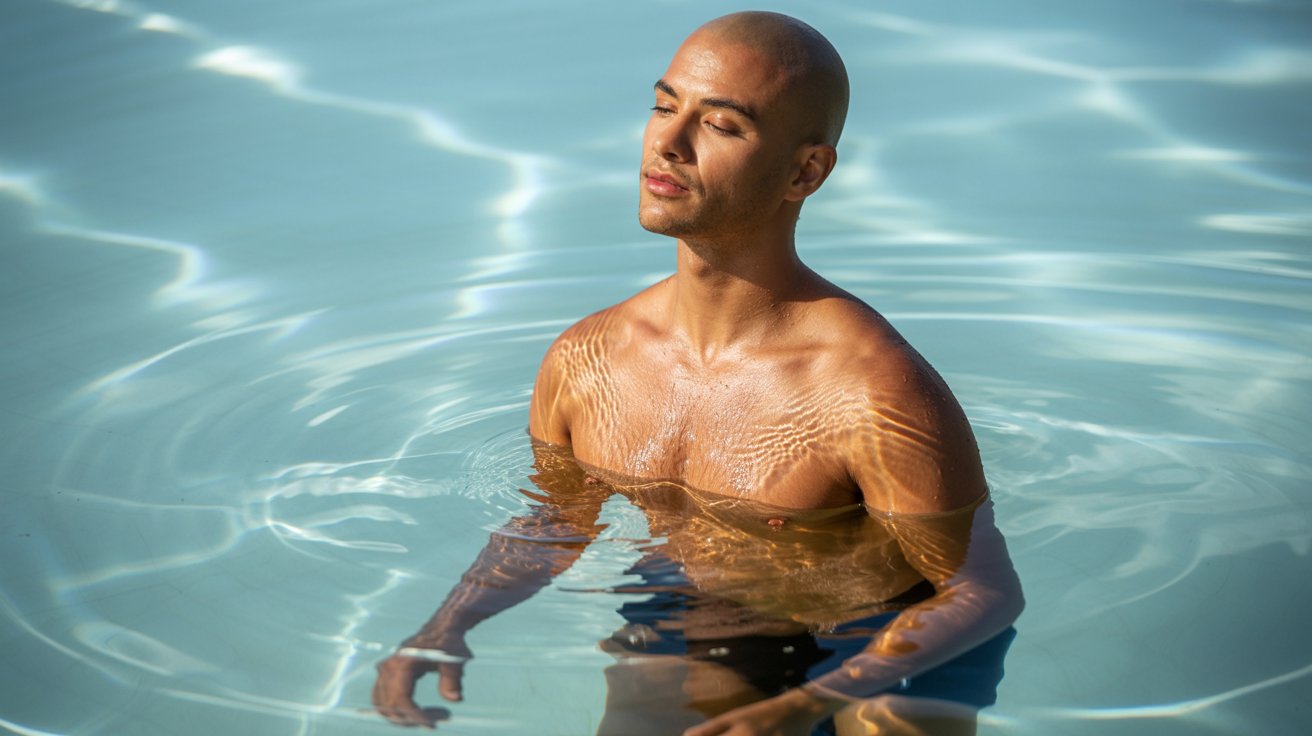
Being in the water increases UV exposure but makes it harder to notice.
You lose track of time easily. The cool water hides how much UV you’re getting. Burns tend to show up unevenly, especially on the shoulders and upper back.
Can You Tan Underwater?

Yes, you can. UV rays don’t stop at the water’s surface.
How UV Rays Penetrate Water
UVA rays pass through water easily and are responsible for most of your tan.
They penetrate shallow water well. UVB rays are mostly blocked, but UVA alone is enough to cause tanning and long-term skin damage.
Does Depth Affect Tanning?
The deeper you go, the less UV reaches your skin.
In shallow water, UV exposure is still significant. As you go deeper, water absorbs and scatters the rays. Floating near the surface still means real UV exposure.
How Do You Tan Better in Water Safely?
Being smart about it makes the difference between a good tan and a bad burn.
Use Waterproof Sunscreen Properly
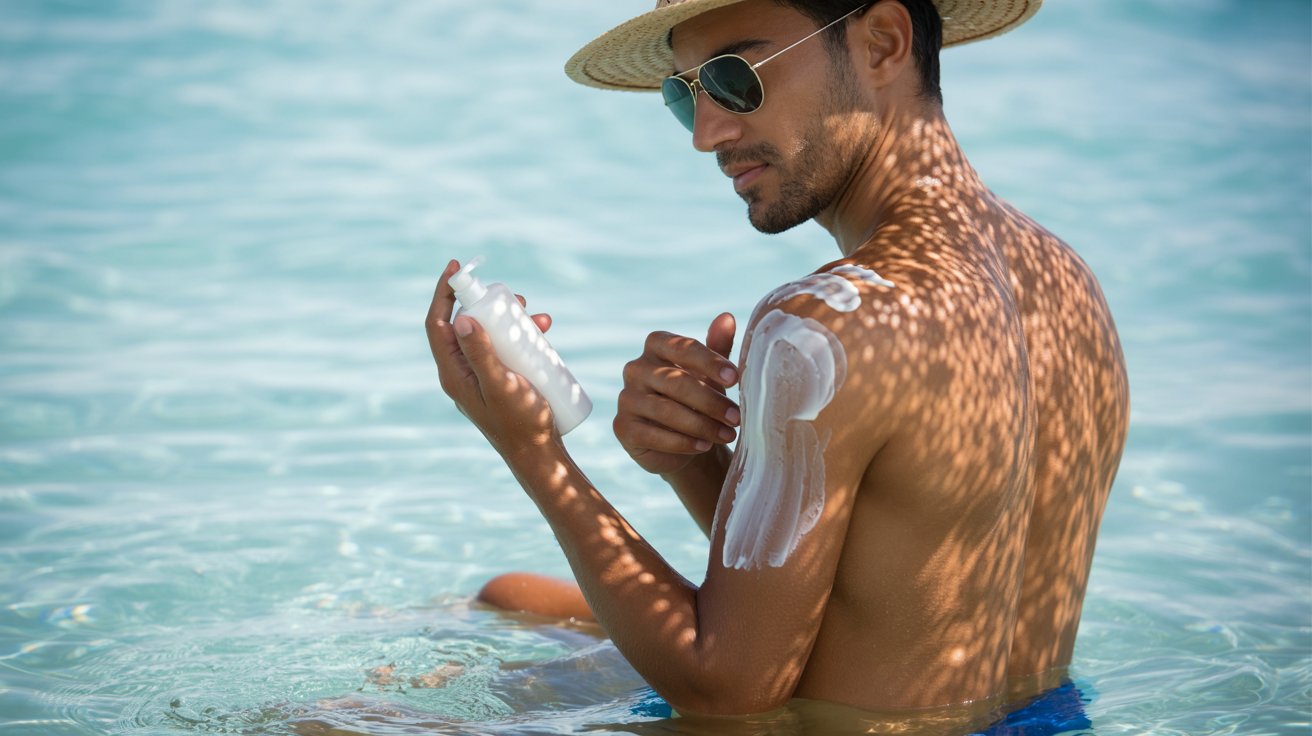
Water-resistant SPF is a must, but you still need to reapply it often.
Apply 20 to 30 minutes before getting in the water. Reapply every 40 to 80 minutes. One coat does not last all day.
Limit Sun Exposure Time
Short, controlled sessions are safer than one long stretch in the sun.
Avoid peak UV hours between 10 AM and 4 PM. Keep sessions to 20 to 30 minutes at a time and take breaks in the shade.
Balance Water and Dry Time
Switching between swimming and resting out of the water helps you tan more evenly.
Spend time in the water, then come out and dry off. It spreads UV exposure more evenly and gives your skin a break.
Protect Sensitive Areas
Some parts of your body burn much faster near water.
Your face, shoulders, upper back, and the tops of your feet are the most vulnerable. Use higher SPF on these areas and consider a hat or rash guard.
Common Myths About Tanning in Water

Not everything you’ve heard about water and tanning is true.
“Water Magnifies the Sun”
Water reflects UV rays but doesn’t magnify them like a magnifying glass.
Water does reflect UV back at you, which increases total exposure. But it’s not concentrating sunlight. The extra UV comes from reflection, not magnification.
“Wet Skin Tans Faster Automatically”
Being wet doesn’t speed up tanning on its own.
Wet skin doesn’t absorb UV faster. What happens is water removes sunscreen and keeps you outside longer. That extra time is what causes faster tanning or burning.
“You Can’t Burn in Water”
This is completely false and one of the most dangerous myths out there.
Water doesn’t block UV near the surface. You can absolutely burn while swimming. The cooling effect just hides it until it’s too late.
Tips for Getting an Even Tan Near Water
A few habits go a long way toward a better, safer tan.
- Rotate your body every 15 to 20 minutes for even exposure
- Drink plenty of water to stay hydrated
- Avoid peak UV hours from 10 AM to 4 PM
- Build your tan gradually over multiple sessions
- Reapply sunscreen every time you come out of the water
Conclusion
So, do you tan better in water? Not directly. Water increases UV exposure, but it doesn’t boost your skin’s tanning ability. The extra color comes from more time in the sun, reflection, and lost sunscreen protection.
Personally, I’ve made the mistake of staying in the ocean too long and coming out looking like a lobster. Not fun. Now I set a timer and reapply sunscreen every single time.
If you’re heading to the beach soon, try out these tips. Drop a comment below and share your water tanning experience!
Frequently Asked Questions
Do you tan better in water or out?
Out of water gives you more control over your exposure. In water, UV reflection and lost sunscreen make it harder to manage safely.
Why do you tan better in water at the beach?
At the beach, water and sand both reflect UV rays back at you. That extra reflection, plus longer time outdoors, increases your total sun exposure.
Do you tan better in water or laying out?
Laying out gives you more even, controlled tanning. In water, exposure is harder to track and the risk of burning increases.
Can you tan underwater while swimming?
Yes. UVA rays penetrate shallow water easily. You can still tan and burn while swimming, even if you can’t feel the heat.
How do you tan better in water without burning?
Use water-resistant SPF, reapply every 40 to 80 minutes, limit time during peak hours, and take breaks out of the water regularly.