Swollen Eye Remedy: What Causes It and How to Treat It?

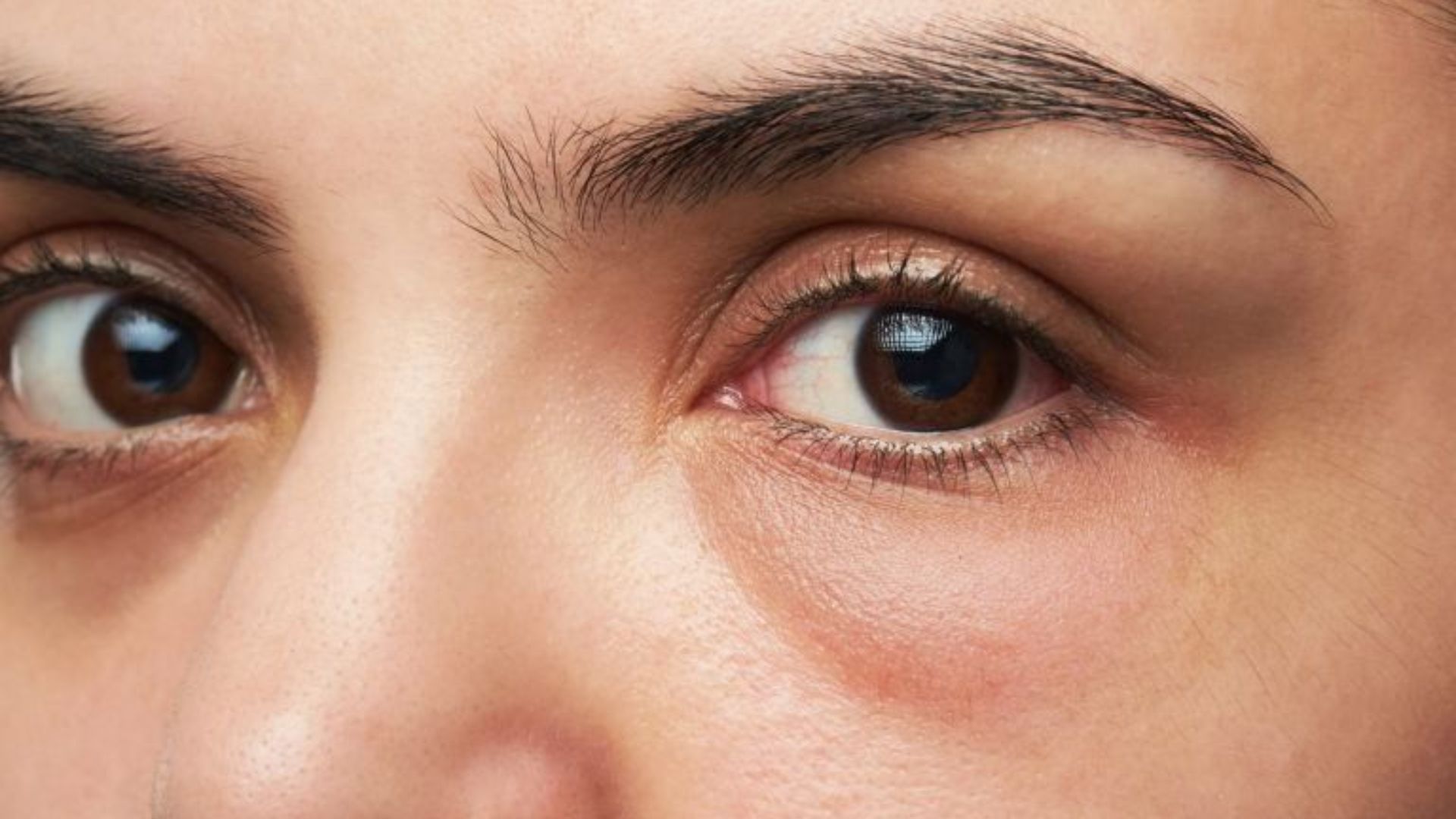
I woke up one morning with a puffy eye and panicked. I didn’t know what caused it or how to fix it. Finding the right swollen eye remedy can feel overwhelming when you’re dealing with discomfort.
That’s why I created this guide to help you. You’ll learn what causes eye swelling and how to treat it effectively. I’ve researched trusted medical sources to give you accurate information. This article covers everything from allergies to infections. You’ll find home remedies, prevention tips, and warning signs that need a doctor.
I’ll show you how to identify your specific cause and choose the best treatment. Let’s get your eyes back to normal together.
What Causes Swollen Eyes?
Multiple factors can trigger eye swelling, from allergies to infections to lifestyle habits that strain your sensitive eye area daily.
Allergic Reactions

Allergies are a top cause of puffy eyes. Your immune system overreacts to harmless substances like pollen, pet dander, and dust mites.
Your body releases histamines that cause blood vessels to leak fluid around your eyes. Seasonal allergies cause swelling in spring and fall. Food allergies, cosmetics, and fragrances can trigger reactions, too.
Eye Infections (Styes, Conjunctivitis, Blepharitis)

Infections cause painful, swollen eyes. A stye is a bacterial infection that creates a red, tender bump on your eyelid.
Conjunctivitis makes your eye red, itchy, and watery. Blepharitis causes crusty, swollen lids. These infections spread easily through touching or sharing items.
Eye Rubbing and Minor Trauma

Rubbing your eyes irritates sensitive tissues and breaks tiny blood vessels. Fluid leaks out and creates puffiness.
Minor injuries like bumps or scratches swell up quickly. Accidentally poking your eye irritates. Your body sends fluid to protect and heal injured areas.
Blocked Oil Glands

Your eyelids contain oil glands that keep tears from evaporating. Sometimes these glands get clogged with thick oil or debris.
The blocked gland swells into a small lump called a chalazion. Inflammation builds up around the clogged area, making your eyelid puffy and tender.
Dry Eye and Chronic Eye Conditions

Dry eyes lead to chronic irritation and swelling. Your eyes don’t produce enough tears, or they evaporate too quickly.
Long screen time makes dry eyes worse. Air conditioning and heating dry out your eyes. Chronic conditions like thyroid disease can cause ongoing puffiness.
Underlying Medical Conditions Affecting the Eyes

Some health problems show up as eye swelling. Kidney disease and heart problems cause fluid retention. Thyroid disorders affect eye muscles and cause puffiness. High blood pressure damages blood vessels around the eyes. Certain medications list eye swelling as a side effect.
Swollen Eye Remedy Options
Home remedies can relieve mild eye swelling safely and effectively when you know which treatment matches your specific cause.
Cold Compress Therapy
Cold compresses reduce swelling and soothe irritation. The cold constricts blood vessels and stops fluid from leaking.
Use a clean washcloth soaked in cold water or wrap ice cubes in a soft towel. Apply for 10-15 minutes and repeat every few hours. This works great for allergic reactions and minor injuries.
Warm Compress for Blocked Glands and Styes
Warm compresses open blocked oil glands. Heat melts the thick oil and improves circulation. Soak a clean cloth in warm water and place it over your closed eye for 10-15 minutes. Do this 3-4 times daily. Don’t use heat for allergies or fresh injuries.
Over-the-Counter Medications and Antihistamines
Antihistamines block the chemicals causing allergic swelling. Oral antihistamines like cetirizine work well.
Eye drops with antihistamines provide faster relief. Decongestant drops reduce redness, but don’t use them for more than a few days. Always read labels carefully.
Hydration and Lifestyle Adjustments
Drinking enough water helps your body manage fluid balance. Aim for 8 glasses daily. Cut back on salt and reduce alcohol consumption, especially before bed.
Get regular exercise to improve circulation and help your body move excess fluid.
Rest and Proper Sleep Positioning
Sleep with your head slightly raised using an extra pillow. This prevents fluid from pooling around your eyes. Aim for 7-9 hours of quality sleep nightly.
Remove makeup before bed and keep your bedroom cool. Use a humidifier if the air is dry.
When Home Remedies Are Not Enough?
Some cases of eye swelling require professional medical attention, especially when symptoms worsen or include changes in vision and severe pain.
Warning Signs That Require Medical Attention
Sudden, severe swelling needs immediate care. Vision changes or loss are emergency signs. Sharp pain that won’t stop is concerning.
Swelling that spreads to your face is serious. Thick, yellow, or green discharge suggests infection. Fever with eye swelling needs evaluation. Extreme light sensitivity is a red flag. Swelling after an injury is urgent.
Diagnosing the Cause of Persistent Eye Swelling
Your doctor will examine your eyes and ask about your symptoms. They check your vision and eye movement.
A slit lamp exam allows for a close examination of eye structures. They might test for infections or do blood tests. Allergy testing identifies triggers. Imaging shows structural problems.
Professional Treatment Options for Swollen Eyes
Doctors prescribe antibiotics for bacterial infections. Steroid drops reduce severe inflammation. For blocked glands, doctors can drain a stye or chalazion in the office.
Allergy shots help chronic allergic reactions. Treating underlying conditions resolves swelling. Sometimes surgery is needed for structural problems.
Preventing Swollen Eyes
Simple daily habits protect your eyes from swelling by managing allergies, practicing good hygiene, and catching problems early with checkups.
- Wash your hands before touching your eyes, remove makeup completely every night, and replace mascara and eyeliner every 3 months to prevent infection.
- Identify allergy triggers, keep windows closed during high pollen days, wash bedding weekly in hot water, and use allergen-proof pillow covers.
- Get your eyes checked annually, as early detection prevents serious problems and can spot signs of systemic diseases like diabetes and high blood pressure.
- Clean your contact lenses properly, never sleep in contacts unless approved, and keep your eyeglasses clean to avoid eye strain and irritation.
- Address dry eyes with artificial tears, treat blepharitis with regular lid cleaning, and manage overall health conditions by controlling blood sugar and blood pressure.
Conclusion
Match your treatment to what’s causing your swelling. Allergies need antihistamines and cold compresses. Infections require proper cleaning and sometimes antibiotics. Blocked glands respond to warm compresses.
Using the right remedy speeds healing. Pay attention to what your body tells you. Trust your instincts about your health. If something feels seriously wrong, get help. Don’t wait days hoping swelling will disappear.
Vision problems always need immediate attention. Severe pain shouldn’t be ignored. Your eyes are too important to risk. Doctors provide accurate diagnoses and effective solutions. Getting professional care prevents complications and gives you peace of mind.
Frequently Asked Questions
Is a swollen eye ever an emergency?
Yes, certain symptoms make it an emergency. Sudden vision loss, severe pain, or swelling after head trauma needs immediate care. If your eye won’t open or you see double, go to the ER.
Can makeup or contact lenses worsen swelling?
Yes, both can irritate your eyes and increase swelling. Dirty applicators spread bacteria. Old products cause reactions. Remove contacts immediately if swelling starts.
How long does eye swelling typically last?
Allergic swelling often improves within 24 hours with treatment. Minor injuries heal in 2-3 days. Infections take longer, usually a week, with proper care.
Can eye surgery or procedures cause temporary swelling?
Yes, swelling is normal after eye procedures. LASIK, cataract surgery, and cosmetic procedures all cause temporary puffiness. Swelling usually peaks on day 2-3 and improves within weeks.
What’s the difference between a stye and a chalazion?
A stye is an infected eyelash follicle that’s painful and red. A chalazion is a blocked oil gland that’s less painful. Styes appear on the eyelid edge while chalazions form inside the lid.